Why a Munchkin Listed Without a Video Is a Warning
When you're searching for a new feline family member, especially a unique breed like the Munchkin, the online world is often your first stop. But let's be real, it's a minefield out there. You scroll through adorable photos, fall in love, and then you hit a listing with no video. That, my friends, is not just an inconvenience; it's a huge red flag that you absolutely need to pay attention to.
The Visual Deception: Why Photos Alone Are Not Enough for a Munchkin
We've all seen those stunning, perfectly lit photos of kittens that make your heart melt. But when it comes to a Munchkin cat, static images simply don't cut it. Their unique physiology means that how they move, how they carry themselves, and how their structure truly looks are all critically important, and none of that can be genuinely assessed from a still photograph.
The Limitations of Static Images
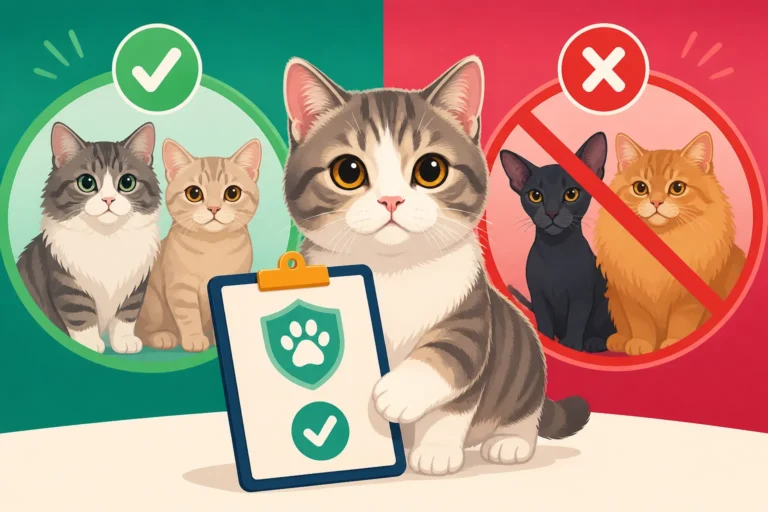
Think about it: a picture captures a single moment in time. It's a snapshot. A skilled photographer, or even just someone with a decent smartphone and a few tricks, can make almost anything look good. Angles can hide a multitude of issues – a slight bow in the legs, a less-than-ideal spinal curve, or even a belly that sags more than it should. Lighting can disguise coat condition or subtle signs of discomfort. And don't even get me started on filters! You could be looking at a cat that's been groomed to perfection, posed just so, and in an environment that makes it seem more robust or active than it truly is. These photos often tell you a story, but it might not be the whole truth. They present an ideal, not necessarily the reality of the kitten you might be bringing home.
Hiding Gait and Mobility Issues
For a Munchkin, how they move is arguably the most important physical characteristic to observe. Their short legs give them a very distinctive gait, often described as a "ferret-like" scamper. This isn't just a cute quirk; it's fundamental to their health and how they navigate their world. A photo cannot, under any circumstances, convey this. It can't show if they shuffle, limp, favor a leg, or struggle to get up. These are all subtle (or not-so-subtle) signs of potential joint or spinal problems that static images completely obscure. When you are assessing a Munchkin, you need to see them in motion, observe their confidence, and understand their limitations. How a Vet Watches a Munchkin Walk is crucial information that photos simply cannot provide.
Obscuring Conformation Problems
Beyond their unique gait, certain conformation issues in Munchkins are notoriously difficult to spot in still photos. For example, a slight bowing in the front legs, known as pseudoachondroplasia, might be subtle but could indicate discomfort or a predisposition to arthritis down the line. A more serious concern is lordosis, a spinal condition where the spine curves downwards, sometimes to a severe degree. While extreme cases might show in a photo if the cat is lying awkwardly, milder cases, or even moderate ones, can be easily hidden by posing, lying down, or cleverly angled shots. The overall body proportion is another key area; a Munchkin's body should be of normal length, not foreshortened, and its chest should appear relatively normal, not sunken. How a Vet Assesses a Munchkin's Leg Conformation often involves palpation and observing movement, which is impossible from a picture.
What a Video Reveals About a Munchkin's Health and Temperament
A video, even a short, unedited one filmed on a phone, offers a world of information that photos can't touch. It's your window into the real life of that kitten, allowing you to observe dynamic behaviors and physical traits that are critical for a Munchkin.
Dynamic Movement and Joint Health
This is where video truly shines for a Munchkin. You can see how the kitten walks, runs, plays, and interacts with its environment. Does it move fluidly? Does it jump effectively, or does it struggle? Do its elbows and shoulders seem to bear an undue amount of stress when it lands? Are its landings soft or jarring? A healthy Munchkin, despite its short legs, should be surprisingly agile and playful on the floor. Any stiffness, hesitation, or awkwardness in movement could be a sign of underlying joint issues, or even pain. It allows you to evaluate Whether a Munchkin Is in Pain From Its Legs based on its natural movements. You're looking for signs of comfort and unrestricted play, which are impossible to ascertain from a static pose.
Spinal Conformation and Posture
Video also provides invaluable insight into the cat's spinal health. You can observe its posture as it moves, sits, and stands. Does it exhibit the characteristic "prairie dog sit" where it balances on its hind legs? If so, how easily does it get into that position, and how long does it hold it? More importantly, can you see its spine? Any visible dip or excessive arch in the back could be a sign of lordosis, a condition that can range from mild to severe, potentially compressing internal organs in extreme cases. What Lordosis Actually Is in a Munchkin is a serious concern, and seeing a Munchkin move can help you identify if there's any visible indication of this condition. You can also get a better sense of whether the chest appears normal or potentially sunken, which could indicate pectus excavatum.
True Leg Length and Proportions
While photos can make legs appear shorter or longer than they are, a video offers a more accurate representation. You can see the cat move in a regular environment, often with familiar objects or even people for scale. This helps you gauge How Short a Munchkin's Legs Actually Are in a real-world context, rather than relying on a carefully chosen close-up. It helps you distinguish between a standard Munchkin, a "rug hugger" (with even shorter legs), or even a regular-legged cat being passed off as a Munchkin. You want to see natural proportions, where the body is of typical feline length, just set lower to the ground.
Behavioral Insights and Socialization
Beyond physical traits, a video gives you a glimpse into the kitten's personality and socialization. Is it curious and playful, or shy and withdrawn? How does it interact with its littermates? Does it seem comfortable being handled by the breeder? These are all crucial indicators of temperament, which is just as important as health when choosing a pet. You can observe its energy levels, how vocal it is, and its overall comfort in its environment. A well-socialized kitten is more likely to adapt easily to a new home. You can also see if the environment looks clean and stimulating, offering clues about the breeder's overall care standards.
Red Flags and How to Protect Yourself When Buying a Munchkin
So, you've found a listing you like, but there's no video. What now? This is where you need to be proactive and assertive. A reputable breeder understands your concerns and will be transparent.
The "No Video" Excuse
Be wary of breeders who offer flimsy excuses for not providing video footage. "My internet is too slow," "I'm too busy," "My camera isn't working," or "I prefer to meet in person." While meeting in person is always ideal, technology makes video a non-issue for most people today. A breeder who genuinely cares about their kittens and wants them to go to the right homes will go the extra mile to provide all the information you need. If they're resistant, or offer vague promises, it’s a significant red flag. They might be trying to hide something they know wouldn't look good on camera.
Demanding Specific Video Footage
Don't just ask for "a video." Be specific about what you want to see. Request a video of the kitten walking and running on a flat, even surface. Ask to see it interacting with its littermates and being handled by a person. If possible, ask for a video of the kitten jumping onto a low platform and then jumping down. Request clips showing the cat from various angles – front, back, and sides – to get a complete view of its conformation. Ask to see the parents moving, too, if they are on-site and the breeder is agreeable to it. You want to see natural, unedited footage, not a highly produced montage.
Verifying the Breeder and Their Practices
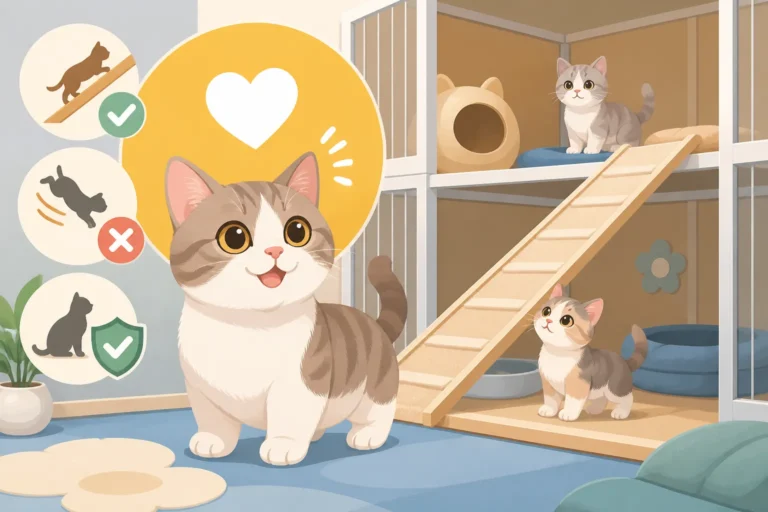
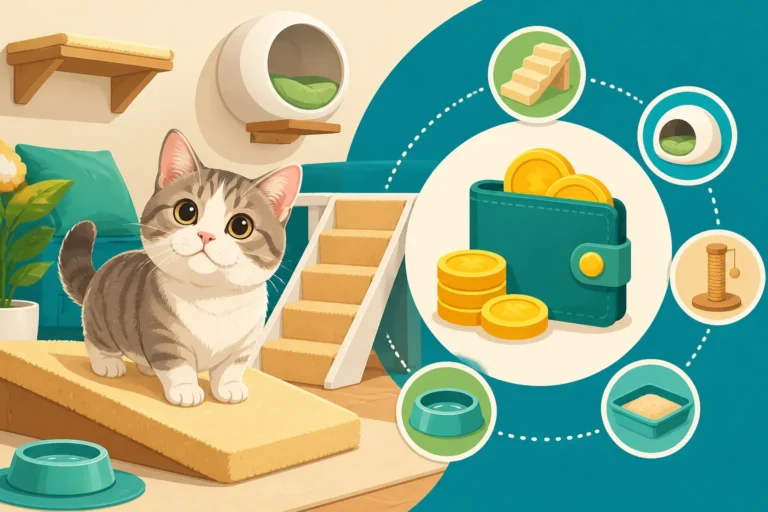
A video can also be a tool to verify the breeder's environment. Ask for a video tour of the cattery, showing where the kittens are raised, their sleeping areas, and play spaces. Are the enclosures clean and appropriately sized? Do the kittens have access to toys and enrichment? Are there ramps or steps provided for the Munchkins to access higher surfaces easily? Why a Munchkin Breeder Should Ask About Your Stairs shows they care about appropriate home environments, and seeing their setup can give you confidence in their commitment to the breed's special needs. Companies like Chewy offer a wide range of adapted cat furniture and ramps, so a breeder who has clearly invested in such items for their own cats demonstrates a good understanding of Munchkin care.
The Importance of In-Person Visits (or Video Calls)
While a pre-recorded video is helpful, nothing beats a live interaction. If geographically possible, an in-person visit allows you to observe the kitten's movement and temperament firsthand. You can interact with it, see its parents, and assess the living conditions. If an in-person visit isn't feasible, insist on a live video call. This way, you can ask the breeder to move the kitten around, show you specific angles, and watch its interactions in real-time. This dynamic view is far more informative than any curated photo album. Why to Watch a Munchkin Kitten Walk in Person is always the gold standard, but a live video call is the next best thing.
Beyond the Video: Other Verification Steps
Even with a comprehensive video, your due diligence shouldn't stop there. Combining video evidence with other verification methods creates a robust safety net when acquiring a Munchkin.
Health Guarantees and Veterinary Checks
A reputable breeder will always provide a written health guarantee. This guarantee should cover genetic conditions, particularly those sometimes associated with Munchkins, such as lordosis and pectus excavatum. Don't be shy about asking specific questions about these conditions and what the guarantee covers. Ask for documentation of the kitten's first vet check, vaccinations, and deworming. A good breeder will have a vet record that details a thorough examination, including palpation of the spine and assessment of limb conformation. A comprehensive health check at a young age is paramount. Whether a Munchkin Guarantee Covers Lordosis is a key question to ask. For long-term peace of mind, consider pet insurance providers like Healthy Paws, but always read the fine print regarding pre-existing conditions or breed-specific exclusions.
Breeder Reputation and References
Always research the breeder thoroughly. Look for reviews online, but also ask the breeder for references from previous buyers. A responsible breeder will be happy to connect you with families who have adopted their kittens. Reach out to these references and ask them about their experience, the health of their cat, and the breeder's responsiveness to any concerns. Check if the breeder is affiliated with any reputable cat associations, such as TICA, which recognizes the Munchkin breed. While registration doesn't guarantee health, it does indicate a certain level of commitment to breed standards and ethical practices. What a Munchkin Breeder Should Be Able to Show You goes beyond just the kitten itself; it includes their transparency and professionalism.
Understanding Registration and Pedigree
The Munchkin is a recognized breed within The International Cat Association (TICA). When purchasing a Munchkin kitten, ensure the breeder provides proper TICA registration papers or can demonstrate that the parents are registered. The pedigree chart will show the kitten's lineage, which is important for understanding its genetic background and ensuring ethical breeding practices (e.g., that two short-legged Munchkins were not bred together, which can lead to lethal genes in embryos). Understanding How to Verify a Munchkin Is Registered at All is a critical step. An unregistered Munchkin might be cheaper, but it also comes with far less assurance regarding its lineage and potential health predispositions. Specialized diets that support joint health or overall well-being could be beneficial, but always discuss with your vet first.
Comparison of Listing Types for Munchkin Kittens
| Feature | Photo-Only Listing | Video-Provided Listing |
|---|---|---|
| Gait & Movement | Cannot be assessed | Clear view of walking, running, playing, agility |
| Spinal Conformation | Easily hidden by posing or angles | Visible in dynamic motion, posture, "prairie dog sit" |
| Leg Conformation | Bowing or unevenness can be obscured | Clearer assessment of leg shape and how weight is carried |
| Overall Health Signs | Subtle lameness, stiffness, discomfort often missed | Observable during natural movement and interaction |
| Temperament | Hard to judge (kitten may be sleepy/posed) | Active play, curiosity, interaction with others, vocalization |
| True Proportions | Can be distorted by lens or angle | More realistic representation in a natural environment |
| Breeder Transparency | Suggests potential hiding of issues | Demonstrates openness and confidence in their kittens |
| Trust Level | Low; requires significant leaps of faith | Higher; provides concrete evidence for assessment |
Disclaimer
This article is for general informational purposes only and does not constitute professional advice. Laws, prices and regulations vary by location and change over time. Consult a qualified professional for guidance on your specific situation.