Why a Munchkin Has to Be Protected From Children and Dogs
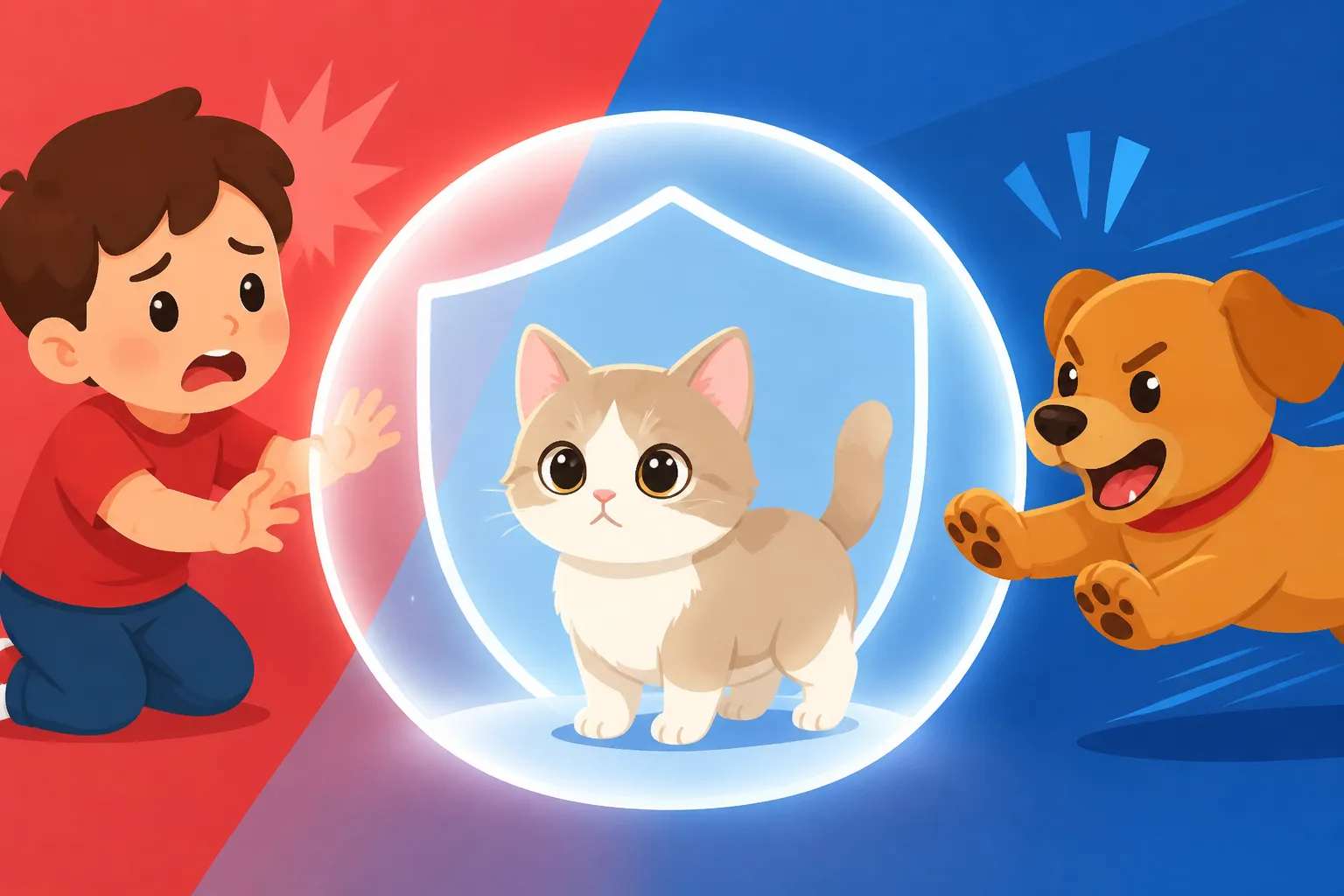
There’s no denying the immediate charm of a Munchkin cat. Their short little legs, their playful demeanor, and that unique "prairie dog" sit can truly melt your heart. However, it's crucial for any Munchkin owner, or prospective owner, to understand that these adorable physical traits come with specific vulnerabilities. This isn't just about their inability to jump as high as a regular cat; it’s about their fundamental inability to escape danger in the same way, making them uniquely susceptible to harm from well-meaning children and even the most gentle dogs. This guide will walk you through these often-overlooked risks and offer actionable strategies to ensure your short-legged companion lives a safe and happy life in a multi-species household.
The Unique Physical Vulnerabilities of a Munchkin
It's easy to look at a Munchkin and see just another resilient, agile cat, albeit one with shorter legs. But those shorter legs, a result of their specific type of dwarfism (pseudoachondroplasia), fundamentally alter their ability to interact with their environment and defend themselves. What might be a minor inconvenience for a regular cat can become a significant danger for a Munchkin. Understanding these inherent physical limitations is the first step toward providing the protection they truly need.
Limited Escape Options and Defensive Capabilities
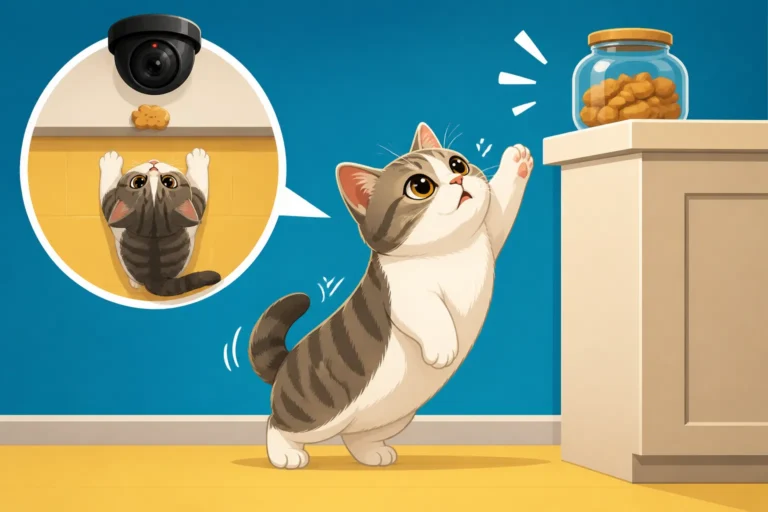
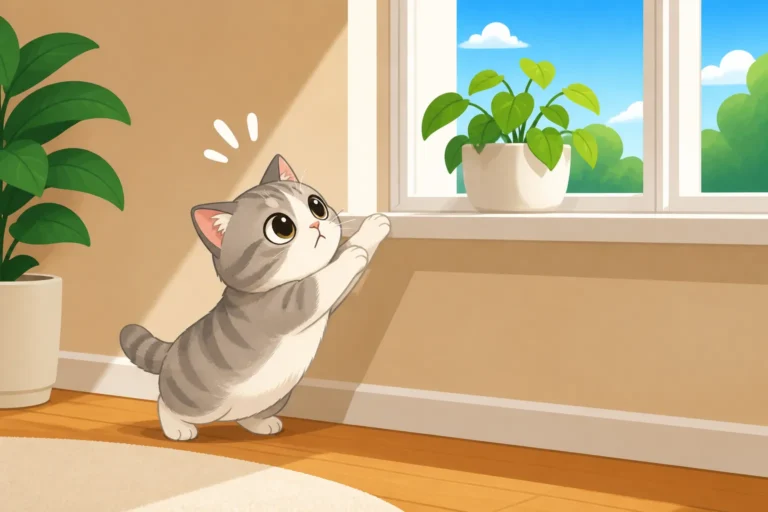
Imagine a situation where most cats would simply leap onto a bookshelf, a kitchen counter, or even just hop over a baby gate to escape a perceived threat. Your Munchkin cat doesn't have that luxury. Their short legs mean they literally cannot get to many high places. This isn't just about fun and games; it's about survival.
When faced with a boisterous child who doesn't understand boundaries, or a dog whose play gets a little too rough, a long-legged cat can quickly ascend to safety. They might dart under a bed, but more often, they'll seek vertical refuge where they know they're out of reach. A Munchkin, however, is largely confined to the ground plane. While they are surprisingly quick on the flat, able to dart and weave with remarkable agility, How Fast a Munchkin Runs on Level Ground, their speed doesn't help them climb. This means their primary escape mechanism – getting high – is severely compromised. They can't scale a tall cat tree unless it's specifically designed with very closely spaced platforms, and they certainly can't reach the top of a cabinet. This lack of vertical escape means they can easily become cornered, leading to increased stress and a higher risk of injury from an overzealous playmate, be it human or canine.
Fragile Spine and Joints
Beyond their restricted mobility, Munchkins can also be prone to certain health conditions directly related to their unique physique. While not all Munchkins will develop these issues, the potential for them makes careful handling and protection even more critical. Their shortened limbs and the way their body compensates can put unusual stress on their spine and joints.
One of the most discussed concerns is lordosis, a condition where the spine curves downwards, sometimes to a severe degree. Lordosis Is the Spinal Curve the Munchkin Argument Is About. Even a mild case, which might not be immediately apparent, can make their spine more vulnerable to impact or twisting. Similarly, pectus excavatum, or a sunken chest, can occur in Munchkins, affecting their rib cage and potentially their breathing. Pectus Excavatum and the Munchkin's Sunken Chest. While these conditions don't automatically mean a cat is in constant pain, they do indicate a structural difference that requires extra care. A fall from a height, even a relatively short one that a normal cat would brush off, could have more serious consequences for a Munchkin with these predispositions. Rough handling, being dropped, or even a sudden, forceful impact from a child or dog during play could exacerbate these underlying vulnerabilities, leading to pain, injury, or even permanent damage. Their legs, while strong for their size, are also not designed for repeated high-impact landings, which is why encouraging them to jump down from furniture without ramps or steps should be avoided.
Why Children Pose a Special Risk to Munchkin Cats
Children, particularly younger ones, are often drawn to the cute and unique appearance of Munchkin cats. They see a small, adorable creature, and their natural instinct is to cuddle, play, and interact. While this is often coming from a place of love and curiosity, the combination of a child's developing motor skills and a Munchkin's physical vulnerabilities can unfortunately create a hazardous situation.
Unintentional Rough Handling
It’s not maliciousness; it’s simply a lack of understanding and undeveloped coordination. Young children, especially toddlers, haven’t yet learned the delicate touch needed for handling small, fragile animals. They often lack the fine motor control to pick up a cat safely, leading to grabbing by a leg, tail, or even a sudden squeeze around the body. A child might attempt to lift a Munchkin the way they would a stuffed animal, pulling upwards by the front legs, which can cause significant strain and potential injury to the Munchkin's shoulders and spine. Imagine a toddler's excited embrace: what feels like a gentle hug to them could be a suffocating squeeze to a small cat, particularly one with any underlying chest or spinal sensitivities.
Even if a child means well, they might drop the cat accidentally. A fall from a child's arms, even from a relatively low height, can be devastating for a Munchkin, potentially leading to fractures, internal injuries, or spinal trauma. The issue isn't just direct injury from being dropped or held improperly, but also the stress and fear it instills in the cat. A Munchkin that is constantly subjected to rough handling can become anxious, withdrawn, and even aggressive as it tries to defend itself, which can further complicate the relationship with the child. Why a Crawling Baby Is a Problem for a Munchkin highlights the challenges even very young children can present.
Misinterpreting Play Signals
Children and cats often have very different ideas about what constitutes "play." A child might see a cat running and instinctively want to chase it, turning the interaction into a game of pursuit. For a Munchkin, who cannot easily escape to higher ground, this can quickly become a terrifying experience rather than playful fun. The child might not understand that the cat is genuinely scared and might continue to chase, corner, or even attempt to "capture" the Munchkin.
Furthermore, a Munchkin's attempts to communicate discomfort – a hiss, a flattened ear, a quick dart – might be missed or misinterpreted by a young child. What a cat intends as a clear "back off" signal, a child might see as part of the game. This can escalate the situation, causing the Munchkin undue stress and potentially leading to a defensive scratch or bite, which is distressing for both the cat and the child. It's vital to remember that a Munchkin's inability to climb away means it cannot easily disengage from an unwanted interaction, leaving it with fewer options for self-preservation than a long-legged feline.
Navigating the Risks with Dogs of All Sizes
Introducing a Munchkin cat into a household with dogs, or vice-versa, requires careful consideration and strategic planning. While many dogs and cats can learn to coexist peacefully, a Munchkin's physical limitations fundamentally alter the dynamic, making them uniquely vulnerable to even accidental harm from their canine housemates. It’s not about judging a dog’s character, but understanding instinct and physical disparity.
Predatory Instincts and Play Styles
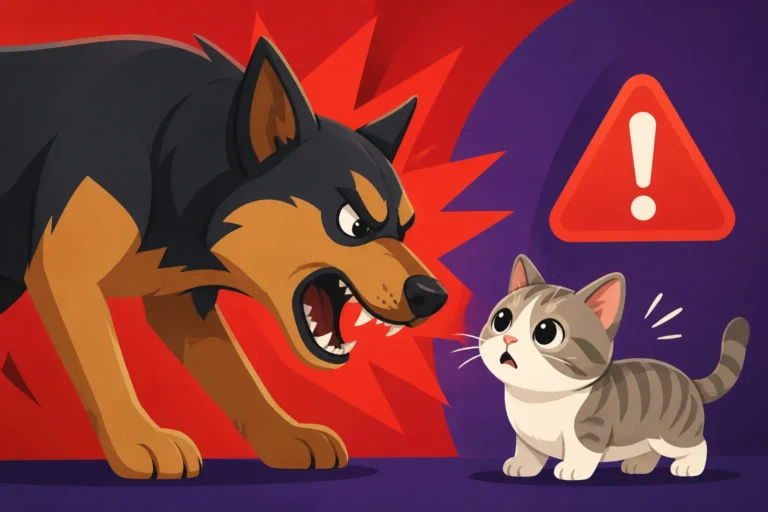
Even the sweetest, most well-behaved dog can possess a strong prey drive. For some dogs, the sight of a small, fast-moving animal like a cat can trigger an instinct to chase. While a long-legged cat might be able to outrun a dog, leap onto a high shelf, or quickly hide in an inaccessible spot, a Munchkin's options are severely limited. This means they are far more susceptible to being caught, cornered, or even injured by a dog simply following its natural inclinations. Why a Munchkin Cannot Get Away From a Dog emphasizes this critical disadvantage.
Beyond predatory instincts, the fundamental difference in play styles between dogs and cats can also be problematic. Dogs often engage in rough-and-tumble play, using their mouths, paws, and bodies. What's a playful nip or a gentle paw swat for a dog could be a serious injury for a small Munchkin. A dog might bat at the cat, mouth it, or even try to "herd" it, all of which can be terrifying and physically dangerous for a cat that cannot easily escape or defend itself effectively. The sheer size and strength difference mean that even a "playful" interaction gone slightly awry can have devastating consequences.
Size Disparity and Accidental Injury
This is perhaps the most straightforward and yet most frequently overlooked risk. The significant size disparity between most dogs and a Munchkin cat means that even an accidental bump or step can cause serious harm. A large dog, simply walking through a room, could accidentally step on a Munchkin, causing severe internal or external injuries. A playful wag of a tail could knock a Munchkin off balance or send it sprawling.
Even smaller dogs, while not posing the same crushing risk as a larger breed, still present hazards. Their jaw strength is considerable, and even a "play bite" could cause punctures or fractures. The energy levels of a dog can also be a factor; a high-energy dog might unintentionally bowl over a Munchkin during a zoomie session, or during a game of fetch if the cat happens to be in the wrong place at the wrong time. A Munchkin's legs are shorter, yes, but their body is still a normal cat's length and density, meaning a significant impact can still do considerable damage to their bones and organs. It’s not just about direct aggression; it’s about the very real possibility of unintentional harm in a shared living space. Even the gentlest giant can be a clumsy housemate to a tiny cat.
Creating a Safe, Multi-Species Household for Your Munchkin
Living with a Munchkin cat in a home that also includes children and/or dogs requires a proactive and thoughtful approach to creating a safe environment. It’s not enough to hope for the best; you must actively engineer safety to compensate for your Munchkin’s physical limitations. This means re-evaluating your home layout and implementing strategies that ensure your small cat always has a sanctuary.
Establishing Safe Zones and Vertical Escape Routes
The cornerstone of a safe multi-species household for a Munchkin is the creation of designated safe zones and readily accessible vertical escape routes. These are spaces where your Munchkin can retreat, relax, and feel completely secure, knowing that children and dogs cannot reach them.
Consider dedicating one room, or even a large closet, as a "cat-only" sanctuary. This space should be equipped with a low-entry litter box Which Litter Box a Munchkin Can Actually Enter, food and water bowls Why a Munchkin's Food and Water Belong at Floor Level, and comfortable bedding, all placed at floor level or accessible via very gentle ramps. Crucially, this room needs a barrier that allows the Munchkin to enter and exit but keeps larger pets and small children out. Baby gates with small cat doors or strategically placed furniture that creates a cat-sized crawl space can work wonders.
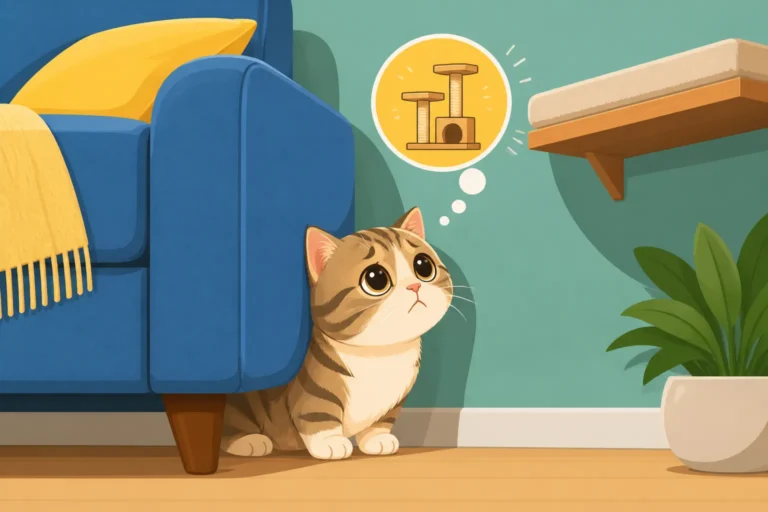
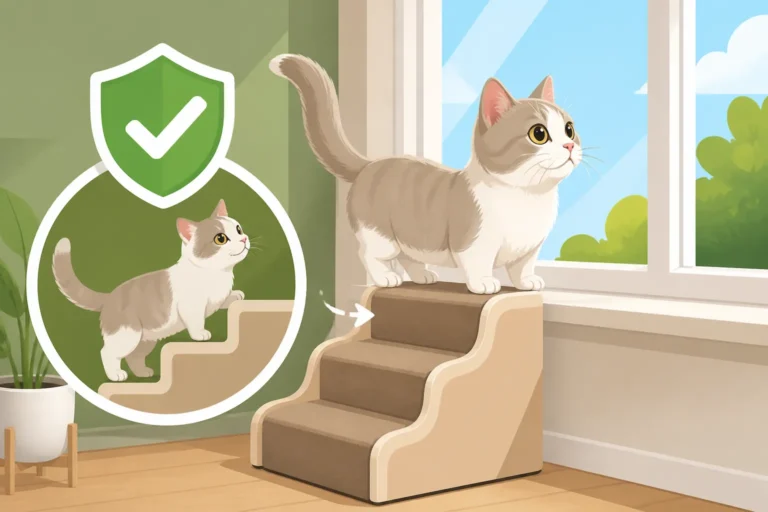
Vertical escape is critical, even if your Munchkin can't jump like a normal cat. Instead of traditional tall cat trees with large gaps between platforms, invest in or build custom cat trees or shelves with closely spaced platforms or gentle ramps. Products available on Amazon can be a great starting point for finding suitable cat stairs or ramps. How to Rearrange a Room So a Munchkin Can Climb offers excellent advice on this. These structures should be sturdy and strategically placed near high surfaces like windowsills, the top of a low bookshelf, or a sturdy cabinet where your Munchkin can survey their kingdom from a safe vantage point without needing to make a risky leap. Ensure all furniture your Munchkin might want to access also has a ramp or steps.
Supervision and Separation Strategies
While creating safe zones is essential, consistent supervision and separation are equally vital, especially when interactions involve young children or dogs with a high prey drive. Never assume that because a child or dog has been "good" in the past, they will always be safe around your Munchkin.
For young children, active adult supervision is non-negotiable whenever they are in the same room as the Munchkin. This means an adult is present, engaged, and ready to intervene immediately. Even better, establish clear "Munchkin time" where the cat is brought out for supervised interaction, and then put back into its safe zone when supervision isn't possible, or when the child's energy levels become too high. For dogs, especially during initial introductions or if there's any history of rough play, direct supervision is crucial. Leash the dog during these times, or use crates or playpens to provide a physical barrier while allowing visual interaction.
Consider using physical barriers consistently. Baby gates (many suitable options can be found on Amazon) are excellent for separating spaces, particularly if you have stairs. While a regular cat might easily clear a gate, it can be an effective way to control a dog's access to certain areas where the Munchkin feels safest. For very young children, gates prevent them from wandering into the Munchkin's designated safe spaces. Regular scheduled "breaks" from interaction can also reduce stress for your Munchkin, allowing them quiet time away from potential stressors.
Teaching Boundaries and Promoting Respect
Creating a physically safe environment is only half the battle. The other crucial part is educating everyone in the household – both human and canine – on how to interact respectfully and safely with your Munchkin cat. This takes patience, consistency, and a clear understanding of what your Munchkin can and cannot tolerate.
Educating Children on Gentle Interaction
Children are capable of learning, and it's our responsibility as pet owners and parents to teach them how to interact appropriately with animals. This education should start early and be reinforced consistently.
Begin by teaching children how to approach and pet the Munchkin gently. Show them how to use an open hand, stroking softly along the back or behind the ears, rather than grabbing or squeezing. Explain that the Munchkin's legs are short and special, and that they should never be pulled or held roughly. A simple rule like "two hands on the kitty" can help, along with demonstrations of How to Lift a Munchkin Correctly, always supporting their body and never dangling them by their legs.
It's equally important to teach children to recognize the Munchkin's body language. Point out when the cat might be feeling uncomfortable – flattened ears, a swishing tail, or trying to hide – and explain that these are signals to give the cat space. Teach them that if the Munchkin walks away, they should let it go and not chase it. Emphasize that cats need quiet time too, and that sometimes, the best way to show love is to respect their need for space. Consistent gentle interactions build trust and reduce the likelihood of the Munchkin feeling threatened, which in turn reduces the chance of defensive behavior.
Training Dogs for Calm Coexistence
Training your dog to behave calmly and respectfully around your Munchkin is paramount for a harmonious household. This is an ongoing process that often requires consistent positive reinforcement and, in some cases, professional guidance.
Start with controlled, supervised introductions. Keep your dog on a leash at first, rewarding calm behavior with treats and praise whenever they see the Munchkin without lunging, barking, or fixating. Teach your dog a strong "leave it" command, which can be invaluable if they start to show too much interest in the cat. Practice having your dog lie down or sit calmly while the Munchkin is present, associating the cat's presence with positive, relaxed experiences.
It's also important to manage your dog's energy levels. A well-exercised dog is generally calmer and less likely to engage in over-excited chasing. If your dog has a high prey drive, or a history of being too rough with small animals, consider additional training with a professional behaviorist. They can provide tailored strategies and help you implement specific interventions, such as muzzle training during initial interactions or for dogs with particularly strong predatory instincts, to ensure the Munchkin's safety. Remember, dogs learn through repetition and positive association, so consistency in training is key to building a respectful relationship between your canine and feline family members.
Recognizing Stress Signals and Intervening
Even with the best intentions and carefully constructed safe spaces, situations can arise where your Munchkin cat feels stressed or threatened by children or dogs. Being able to quickly identify these stress signals and intervene effectively is crucial for preventing escalation and ensuring your cat's well-being. Munchkins, like all cats, communicate their discomfort, but sometimes their physical limitations make their distress more acute.
Identifying Signs of Fear or Discomfort in Your Munchkin
A cat's body language is a rich tapestry of communication, and understanding it is your primary tool for knowing when your Munchkin is feeling unsafe. Unlike a long-legged cat that might easily flee or posture from a higher vantage point, a Munchkin's signals of distress can appear more pronounced or desperate because their escape options are limited.
Look for subtle cues before they escalate. These might include:
- Flattened ears: Ears pinned back against the head.
- Tucked tail: Holding their tail low and close to their body.
- Dilated pupils: Eyes wide, appearing black.
- Hiding: Seeking refuge under furniture, in a tight corner, or behind objects.
- Hissing or growling: These are clear warnings that boundaries have been crossed.
- Piloerection: Their fur standing on end, especially along the spine.
- Crouched posture: Body low to the ground, ready to bolt, even if they can't jump high.
- Excessive grooming or lack thereof: Some stressed cats over-groom, while others may neglect their hygiene, leading to issues like matting, particularly on their hindquarters which they already struggle to reach. Whether Matting Becomes a Health Problem in a Munchkin
- Changes in appetite or litter box habits: Refusing to eat, or urinating/defecating outside the litter box can be strong indicators of severe stress.
- Increased vocalization or silence: Some cats become more vocal when stressed, others go unusually quiet.
If you observe a consistent pattern of these behaviors when your Munchkin is around children or dogs, it's a clear signal that the current arrangements are causing undue stress and need immediate adjustment.
De-escalation Techniques and Prevention
Once you've identified that your Munchkin is stressed, swift and calm intervention is necessary. The goal is to de-escalate the situation and remove the source of stress, then to implement preventative measures.
Immediate De-escalation:
- Remove the Munchkin: Gently and calmly pick up your Munchkin and place them in their designated safe zone. Avoid chasing them if they're trying to escape; instead, try to calmly coax them or block their access to the stressful situation.
- Redirect the child/dog: If a child is the source of stress, redirect their attention with a toy or an engaging activity in another part of the room or house. If a dog is over-excited, call them away, give them a command (like "sit" or "stay"), and reward them for compliance.
- Create a barrier: If permanent separation isn't immediately possible, use a temporary barrier (like a baby gate from Amazon) or a large piece of furniture to separate the Munchkin from the stressor.
Preventative Measures:
- Identify Triggers: Pay close attention to what causes your Munchkin stress. Is it loud noises, sudden movements, a specific child's interaction style, or a particular dog's approach? Understanding these triggers allows you to proactively manage situations.
- Increase Safe Zones: If your Munchkin is frequently stressed, consider increasing the number of accessible safe zones throughout your home. This might mean adding more ramps to different furniture pieces or setting up additional cat cubbies.
- Scheduled Interaction: Implement stricter schedules for interaction. For example, children and dogs might only be allowed in the same room as the Munchkin during specific, short, supervised periods, with designated "quiet times" for the cat.
- Enrichment: Ensure your Munchkin has plenty of enrichment that is appropriate for its physical abilities at floor level, so it doesn't feel the need to seek out risky interactions. How Much Floor Level Play a Munchkin Needs
When Professional Help Becomes Necessary
Sometimes, despite your best efforts, the challenges of integrating a Munchkin into a multi-species home can feel overwhelming. If your Munchkin cat is consistently exhibiting signs of severe stress, aggression, or if you're struggling to manage the interactions between your pets or children, it's time to seek professional help. Recognizing when you need expert guidance isn't a sign of failure; it's a responsible step towards ensuring the well-being and safety of all members of your family, including your unique short-legged companion.
Consulting a Veterinary Behaviorist or Certified Cat Behaviorist
If your Munchkin's stress behaviors are chronic, or if they develop aggression towards children or other pets, a veterinary behaviorist or a certified cat behaviorist can provide invaluable assistance. These professionals specialize in understanding animal behavior and can help diagnose the underlying causes of stress or aggression, which might be more complex than simple fear.
A veterinary behaviorist, who is a veterinarian with specialized training in animal behavior, can rule out any medical conditions that might be contributing to the behavior. Pain from an undiagnosed spinal issue, for example, could make a Munchkin unusually irritable or defensive. Once medical causes are excluded, they can develop a comprehensive behavior modification plan tailored to your specific household and Munchkin's needs. This plan might include:
- Environmental adjustments: Fine-tuning your home environment to maximize safety and reduce triggers.
- Behavior modification techniques: Specific strategies to help your Munchkin feel more secure and less reactive.
- Medication: In some cases, short-term medication may be prescribed to help reduce anxiety while behavior modification is underway.
A certified cat behaviorist, while not a veterinarian, has extensive knowledge of feline behavior and can offer practical solutions for managing interactions and creating a more harmonious environment. They can observe your Munchkin in its home setting, identify specific triggers, and provide hands-on guidance for modifying behavior and improving relationships. They can also provide guidance on teaching children safer interaction techniques and training dogs to be more respectful of feline boundaries.
Long-Term Strategies and Ongoing Support
Managing a multi-species household with a Munchkin cat is often an ongoing process that requires continuous vigilance and adaptation. It's not a one-time fix but a commitment to ensuring your Munchkin's unique needs are met throughout its life.
Long-term strategies might include:
- Regular Vet Check-ups: Ensure your Munchkin has regular veterinary check-ups to monitor for any developing spinal or joint issues that could impact their comfort and behavior. An older Munchkin, for example, might become less tolerant of rough play if they are starting to develop arthritis. At What Age a Munchkin Starts to Stiffen
- Re-evaluating Home Layout: As children grow, or as dogs age and their energy levels change, you may need to re-evaluate and adjust your home environment. What worked for a toddler might not work for a boisterous elementary schooler, and an older dog might become less tolerant of a cat's presence.
- Continued Education: Keep educating everyone in the household. Children will need reminders as they grow, and new family members or visitors will need to be briefed on appropriate interaction with your Munchkin.
- Consider a Second Munchkin: In some cases, if your Munchkin is an only cat and seems stressed by the other species, introducing another short-legged cat might provide companionship and a playmate who understands their physical limitations. However, this is a decision that should be carefully considered with professional advice, as it introduces new dynamics.
| Interaction Type | Children (Young) | Dogs (Any Size) |
|---|---|---|
| Supervision | Always direct, active adult supervision. Never leave unsupervised. | Always direct supervision, especially initially. May require physical barriers. |
| Physical Contact | Gentle petting only, no grabbing/squeezing. Teach proper lifting (full body support). | No rough play. Limit physical contact; teach "leave it" command. Avoid chasing. |
| Escape Routes | Ensure multiple ground-level and ramp-accessible elevated safe zones. | Ensure multiple ground-level and ramp-accessible elevated safe zones. |
| Boundaries | Teach children cat body language (ears, tail) and to give space. | Train dog for calm behavior around cat, reward non-interaction. |
| Separation | Use baby gates for cat-only areas, scheduled interaction times. | Use crates, playpens, or gates for temporary separation. |
| Risk Factors | Accidental dropping, rough handling, chasing, misinterpretation of signals. | Predatory instincts, accidental stepping, rough play, size disparity. |
By taking a proactive, informed, and consistently vigilant approach, you can create a loving and secure home where your Munchkin cat can thrive alongside all its family members, no matter their species or size.
Disclaimer
This article is for general informational purposes only and does not constitute professional advice. Laws, prices and regulations vary by location and change over time. Consult a qualified professional for guidance on your specific situation.