How a Munchkin Asks to Be Picked Up
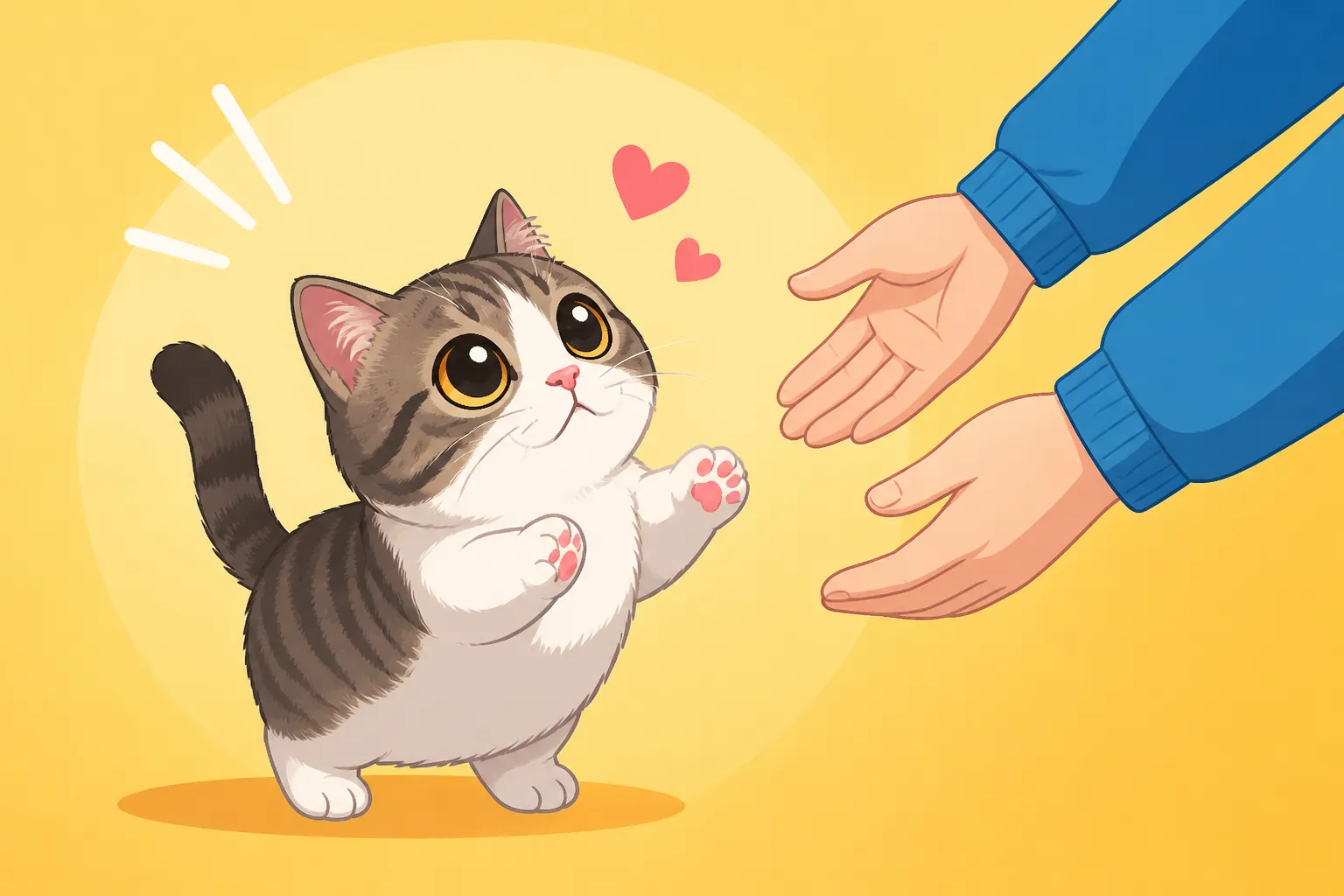
One of the most heartwarming, yet sometimes confusing, parts of living with a Munchkin cat is figuring out what they're trying to tell you. Unlike their long-legged cousins who might just leap onto the counter or your lap, Munchkins face unique physical limitations, which means they've developed their own special ways of asking for help, especially when they want to be picked up. If you've ever found your tiny friend staring intently at you, letting out a series of plaintive meows, or perhaps even pawing gently at your leg, chances are they're asking for a lift. This guide is all about helping you understand these delightful, subtle cues so you can become fluent in your Munchkin's "pick me up" language and strengthen the incredible bond you share.
The Unique Challenges of a Munchkin's Reach
It’s easy to forget that while a Munchkin has a normal-sized cat body, their legs are significantly shorter. This genetic trait, which gives them their adorable, low-slung appearance, also means they experience the world from a different perspective than most felines. Where another cat might effortlessly spring onto a windowsill or hop onto your bed, a Munchkin often needs a little assistance. This isn't a sign of weakness; it's simply a reality of their unique anatomy, and it shapes much of their daily behavior and how they interact with their environment and, most importantly, with you.
Why They Can't Just Jump
The most obvious challenge for a Munchkin is their reduced jumping ability. Those cute, stubby legs simply don't provide the same leverage or spring power that longer limbs do. You might see a Munchkin eye up a sofa or a low chair, crouch, and then try to jump, only to fall short or perhaps make it onto the very edge with a scrambling effort. It’s not for lack of trying, bless their little hearts! They have all the same cat instincts to explore, to reach high places for safety or observation, and to snuggle up in your lap, but their physical build often puts these desires just out of reach. This can be genuinely frustrating for them, and it’s why they develop alternative communication methods to bridge that gap. Understanding How High a Munchkin Can Actually Jump is key to appreciating their efforts and their need for your assistance.
Imagine wanting desperately to get somewhere, to join your favorite person, but a seemingly small obstacle like a sofa cushion feels like a mountain. This is the daily reality for many Munchkins. They learn quickly what they can and cannot clear. While they might be surprisingly nimble and fast on flat ground, vertical challenges are a different story. This is why you'll often see them strategizing, looking for intermediate steps or, more often, looking directly at you with an expectant gaze. Their inability to simply jump where they want means they rely heavily on their human companions to be their personal elevators, transforming a high-up spot into an accessible perch.
The Instinct to Be Close
Despite their physical limitations, Munchkins are, at heart, still cats. They possess the innate feline desire for warmth, security, and closeness with their chosen humans. This often translates into a strong drive to be on laps, nestled beside you on the sofa, or even perched on your shoulder. They crave that physical connection and the elevated perspective that comes with being picked up. For a Munchkin, getting onto your lap isn't just about comfort; it's often about feeling safe and involved in your world. They want to participate in what you're doing, whether it's watching TV, working at your desk, or simply relaxing.
This deep desire for closeness often creates a push-pull dynamic. They want to be with you, but they can't always get there themselves. This is where their unique methods of communication come into play. They learn that a certain meow, a specific look, or a particular physical gesture will usually result in you swooping in to provide the much-needed lift. It's a testament to their intelligence and adaptability that they develop these communication skills so effectively. They understand that you are their bridge to the world above, and they are remarkably good at articulating that need. Knowing that they want to be close makes their requests for a lift even more endearing. How a Munchkin Gets Onto a Lap Without Jumping is a beautiful demonstration of their determination and ingenuity.
Decoding the Munchkin's "Pick Me Up" Signals
Learning your Munchkin's specific signals for wanting to be picked up is like learning a new language – and it's incredibly rewarding. Every cat is an individual, but many Munchkins share common behaviors when they're soliciting a lift. Paying close attention to these cues will not only make your cat happier but also deepen your mutual understanding and affection. It’s all about context and combining what you see with what you hear.
Verbal Cues: The Art of Meow-nication
Munchkins are often quite vocal, and their meows can be incredibly descriptive. When they want to be picked up, their vocalizations tend to change, becoming more insistent or even plaintive.
- The Pleading Meow: This isn't just a casual "hello" meow. It's often a drawn-out, slightly higher-pitched sound, sometimes repeated multiple times in quick succession. They might stand by a piece of furniture they can't reach, looking from the furniture to you, and then back to the furniture, letting out these pleading calls. It's their way of saying, "I want that, but I need your help."
- Chirps and Trills: Some Munchkins use soft chirps or trills, especially if they're trying to get your attention without being too demanding. These sounds are often used when they’re sitting patiently, perhaps at your feet, hoping to catch your eye. It’s a gentle nudge, a polite inquiry: "Are you going to pick me up now, please?"
- The Insistent "Mrow!": If you’re busy and haven't noticed their earlier cues, your Munchkin might escalate to a more forceful "Mrow!" or a series of rapid meows. This is less a question and more a firm declaration: "Hey! I'm down here, and I still want to be picked up!" They're not being rude; they're just getting their point across.
It’s truly amazing How Much a Munchkin Talks When It Wants Lifting. They use their voices to navigate a world that isn't quite built for their short stature, making sure their desires are heard loud and clear. Listening carefully to the tone and frequency of their meows can tell you a lot about their current mood and immediate needs.
Body Language: More Than Just a Rub
Beyond their voices, Munchkins are masters of non-verbal communication, especially when it comes to soliciting a lift. Their body language can be incredibly clear once you know what to look for.
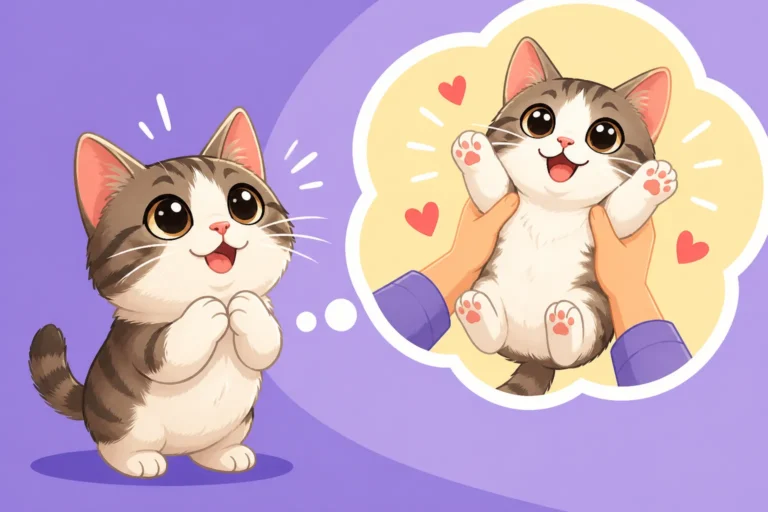
- The "Prairie Dog" Sit: This is perhaps the most iconic Munchkin posture. They sit up on their hind legs, balancing perfectly, with their front paws dangling or held close to their chest. While they do this to survey their surroundings, they often adopt this pose specifically when they're trying to get a better view of something (like your lap or a high shelf) and implicitly asking for assistance. They’re essentially saying, "Look how tall I can be… with a little help!" What a Munchkin's Prairie Dog Posture Tells You goes into more detail about this adorable behavior. When they’re in this pose and looking directly at you with an expectant gaze, they're definitely hoping for a ride. What a Munchkin Is Looking At When It Sits Up can often be whatever high spot they desire.
- Leg Rubs and Weaving: A classic cat behavior, but for a Munchkin, it takes on added significance. They'll rub against your legs, weave between your ankles, and sometimes even gently head-butt your shins. This isn't just affection; it's a way to keep your attention at their level and direct your gaze downwards. It’s their subtle way of saying, "Hello down here! Remember me? I'm ready for a lift!"
- Pawing and Nudging: If rubbing isn't working, some Munchkins will take it a step further, gently pawing at your leg or nudging your hand with their head. This is a more direct request, a soft touch that demands your immediate attention. It’s usually done with soft paws and without claws extended, indicating a polite plea rather than an aggressive demand.
- The Intent Stare: Sometimes, the most powerful communication is completely silent. A Munchkin who wants to be picked up will often sit a foot or two away from you, fix you with an intense, unwavering gaze. Their eyes might be wide, their ears slightly forward, and their tail still. They are literally willing you to pick them up, using the power of their adorable stare to get their message across.
The Follow and the Sit
Munchkins are incredibly intelligent and observant. They learn your routines and understand where you are likely to settle down. Because they can’t always jump onto furniture, they often employ a strategy of following you and then settling in a strategic spot.
You might notice your Munchkin trotting faithfully after you as you move from room to room. Why a Munchkin Trots After You Rather Than Climbs is because they know it’s the most efficient way to keep up and stay close. Once you sit down on a sofa, in a chair, or even lie on your bed, your Munchkin might come over, circle your feet a couple of times, and then settle themselves directly in front of you or right next to the piece of furniture they want to access. They'll look up at you, then at the furniture, then back at you. This isn't just random lounging; it's a deliberate placement. They are positioning themselves for the pick-up, essentially saying, "Here I am! I've made it this far, now for the final ascent!"
This combination of following and strategic placement is a clear signal that they want to join you at your elevated level. It shows their determination and their reliance on you to facilitate their desire for companionship and comfort. It's an unspoken agreement where they bring themselves to the pickup zone, and you provide the ride.
Responding to Your Munchkin's Requests
Once you've tuned into your Munchkin's unique language, the next step is to respond in a way that is both loving and safe for their delicate physique. Consistent and appropriate responses not only meet their immediate needs but also build trust and reinforce their communication efforts.
Recognizing the Signals and Acting Promptly
The key to a happy Munchkin is prompt recognition of their signals. When they meow, rub, or prairie dog sit, they're not just being cute; they're communicating a genuine need or desire. Ignoring these cues repeatedly can lead to frustration for your cat, and they might even give up trying to communicate with you, becoming more withdrawn. Think of it from their perspective: they’re doing their best to tell you something important, and a quick, positive response validates their efforts.
Try to be attentive. If you see them sitting by the sofa looking up at you, or hear those specific insistent meows, take a moment to acknowledge them. Even if you can’t pick them up right away, a reassuring word or a quick bend down to pet them can let them know you’ve heard them and will attend to their request soon. Consistency builds trust, and your Munchkin will learn that their efforts to communicate are always rewarded. Consider clicker training to reinforce specific behaviors, like coming to you when they want to be lifted. Teaching a Munchkin to Come When It Is Time to Be Lifted can be a great way to formalize this communication.
The Safe and Proper Way to Lift a Munchkin
Given their unique spinal structure and short legs, it's absolutely crucial to lift a Munchkin correctly to prevent any strain or injury. Their spine, while normal in length, carries a different kind of load due to their altered limb structure, making proper support essential.
Here’s how to lift your Munchkin safely:
- Support the entire body: Always use both hands. One hand should support their chest and front legs, while the other hand supports their hindquarters and back.
- Keep their body level: Avoid letting their back sag or arch excessively. Keep their spine as straight and supported as possible.
- Lift from below: Scoop them up gently from underneath, rather than pulling them up by their armpits or legs.
- Avoid holding by front legs or scruff: Never lift a Munchkin by their front legs, as this can put immense strain on their shoulders and spine. Similarly, while a mother cat can safely carry her kittens by the scruff, an adult cat should not be lifted this way by a human, especially a Munchkin with potential spinal sensitivities. This is why Why a Munchkin Should Never Be Held by the Front Legs is such vital advice.
Being mindful of how you lift them ensures their comfort and long-term health. How to Lift a Munchkin Correctly should be a habit for every Munchkin owner.
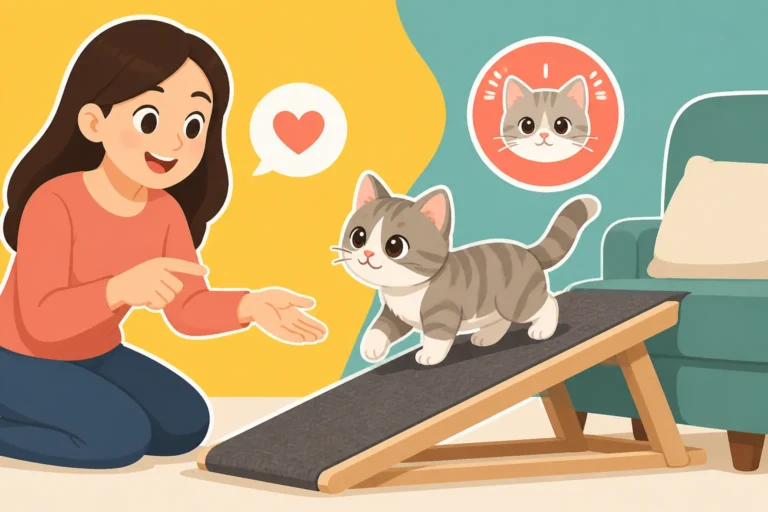
Providing Alternative Access: Ramps and Steps
While being your Munchkin's personal elevator is a delightful part of pet ownership, it's also important to empower them with some independence. Relying solely on you for every vertical ascent can become a limitation, especially if you're not always available. This is where ramps and steps become indispensable additions to your home.
Think of it this way: a Munchkin has a completely normal cat brain and desires, but a unique body. Providing them with easy, safe ways to access their favorite spots – whether it's the sofa, your bed, or a sunny windowsill – allows them to exercise their natural instincts without putting undue strain on their joints or spine from repeated jumping attempts. Ramps and Steps Are Munchkin Equipment, Not Luxuries because they significantly improve a Munchkin’s quality of life and sense of autonomy.
| Feature | Lifting by Hand | Providing Ramps/Steps |
|---|---|---|
| Effort | High for owner (manual intervention) | Low for owner (initial setup, occasional adjustment) |
| Independence | Low for cat (reliant on human) | High for cat (self-sufficient) |
| Consistency | Varies (human availability/attention) | Consistent (always available) |
| Physical Strain | None for cat if done correctly; risk of injury if not | Minimal for cat (gentle incline/steps) |
| Bonding | Direct interaction, reinforces bond | Indirect, reinforces trust and security |
| Safety | High if correct technique used | High if properly secured and surfaced |
| Accessibility | Limited to human presence | 24/7 access to desired spots |
Installing ramps or sturdy pet steps next to furniture is a proactive way to care for your Munchkin. Look for ramps with a gentle slope and a non-slip surface, or steps that are wide and shallow. Placing these thoughtfully allows your Munchkin to climb and descend without needing your constant intervention, reducing the number of times they might need to ask you for a lift, but still keeping those precious "pick me up" moments special. Whether a Munchkin Should Be Lifted Onto Furniture or given access via ramps is a balance that every owner must find.
Building a Receptive and Accessible Home Environment
Living with a Munchkin isn't just about understanding their unique communication; it's also about creating a home that supports their physical needs and allows them to thrive. A thoughtfully adapted environment reduces their need to constantly ask for help, fostering both their independence and overall well-being.
Understanding Their Need for Vertical Space
Cats, by nature, are creatures that love height. They seek out high vantage points for security, warmth, and to survey their territory. For a Munchkin, this instinct is just as strong, even if their physical capabilities are different. When they repeatedly ask to be picked up onto a sofa, a bed, or even a low shelf, it’s not just about reaching a destination; it's about fulfilling that innate feline drive to be elevated.
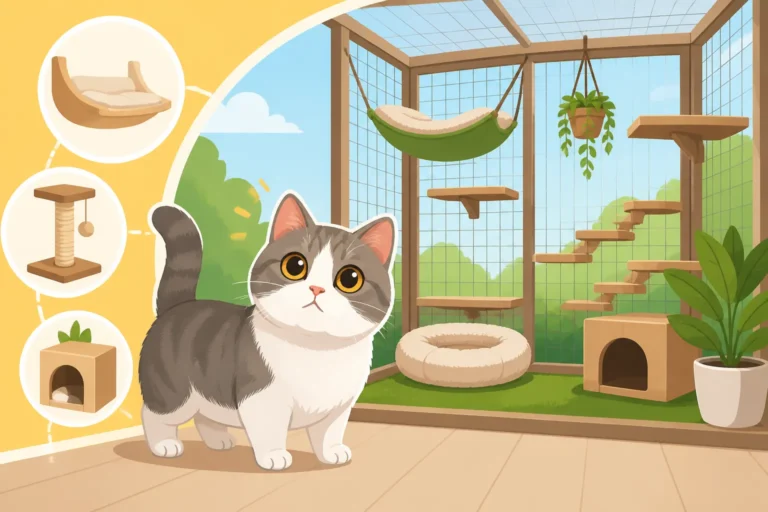
Therefore, part of creating an accessible home is to consider how you can provide these vertical opportunities in ways that accommodate their short legs. This might involve setting up "staircases" of sturdy, low furniture that they can hop between, or investing in cat trees with very closely spaced platforms. How to Rearrange a Room So a Munchkin Can Climb is an excellent resource for brainstorming these modifications. Every time you provide a ramp or a step, you're not just making their life easier; you're acknowledging and respecting their fundamental cat instincts. It shows them you understand their needs and are willing to adapt their world to fit them, rather than expecting them to constantly struggle.
Encouraging Independence While Remaining Available
The goal isn't to stop your Munchkin from asking to be picked up altogether. Those moments of connection are valuable and deeply cherished. Instead, it's about finding a balance: empowering them to navigate their environment independently most of the time, while still being keenly aware and responsive when they truly need your help. When they have ramps and steps, they won't always need to ask for a lift, but they will still seek you out for snuggles on the sofa, even if they can get there themselves.
Observe their behavior. Do they use the ramps readily? Are there still certain places they consistently struggle to reach? Continually assess your home and make adjustments as needed. If you notice them standing at the base of a bed, looking up and vocalizing, it might be a sign that the existing steps aren’t quite right, or they simply prefer a human lift for that specific journey. Their communication will tell you what’s working and what isn’t, allowing you to fine-tune their accessible environment over time. You'll likely still hear How Much a Munchkin Talks When It Wants Lifting even with all the ramps, because sometimes, a human lift is just what they want.
The Long-Term Benefits of Clear Communication
Ultimately, learning how your Munchkin asks to be picked up, and responding thoughtfully, does more than just get them to their desired spot. It builds a foundation of clear communication, mutual respect, and deep affection that enriches both your lives. A Munchkin who feels understood and supported is a more confident, happier cat. They learn that their requests are heard and valued, which strengthens their bond with you immeasurably.
When you consistently meet their needs, even the seemingly small ones like a lift onto the couch, you reinforce their trust in you as their primary caregiver and companion. This positive reinforcement reduces stress for your cat, as they don't have to constantly struggle or feel ignored. For you, it brings the immense joy of truly understanding your pet and knowing that you are providing them with the best possible life, tailored to their unique charm and needs. So, keep an eye out for those earnest stares, listen for those particular meows, and be ready to offer a gentle, supportive lift. It’s a small gesture that means the world to your Munchkin.
Disclaimer
This article is for general informational purposes only and does not constitute professional advice. Laws, prices and regulations vary by location and change over time. Consult a qualified professional for guidance on your specific situation.