What a Munchkin Sized Catio Needs
Oh, the dream of a catio! For so many of us who adore our feline friends, the idea of giving them a safe taste of the outdoors is just wonderful. But then you look at those beautiful, multi-level structures online, and if you're a Munchkin parent, a wave of "how on earth will my little low-rider navigate that?" probably washes over you. It's a genuine frustration; traditional catios are built for agility and climbing, not for a cat whose legs are simply different. This guide is here to walk you through exactly what a Munchkin-sized catio needs to be a safe, enriching, and joyful outdoor space for your unique little companion, bypassing the usual frustrations with generic designs.
Understanding the Munchkin's Unique Mobility Needs Outdoors
Let's be real, a Munchkin cat isn't built for scaling walls or leaping onto high perches with the grace of a gazelle. Their charm lies in their unique stature and their clever ways of getting around without relying on vertical prowess. When you're planning an outdoor enclosure, this fundamental difference has to be at the forefront of your mind. Otherwise, you're just building a structure that your cat can't fully enjoy, and worse, one that might pose a risk.
Why Standard Catios Aren't Suited for Munchkins
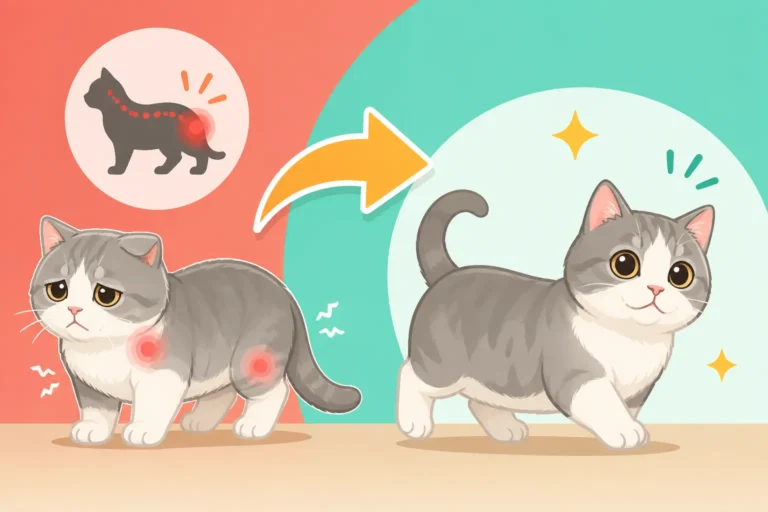
You've seen them, right? Those gorgeous, towering catios with multiple levels, high shelves, and rope bridges that look like a cat's paradise. They're fantastic for cats with long, athletic legs and the ability to launch themselves skyward. But for a Munchkin? They're often an exercise in frustration and potential danger. Your little one might gaze longingly at a high perch, try a valiant but doomed jump, and end up sliding back down or worse, falling awkwardly. It’s heart-wrenching to watch them struggle for something that seems so easily accessible to other cats.
Standard catio designs often feature vertical planks, sisal-wrapped posts, and platforms spaced widely apart. These are all intended to encourage climbing and jumping, activities that put undue strain on a Munchkin's joints and spine. While they might surprise you with a burst of speed on flat ground or their agility in tight turns, climbing a cat tree (Whether a Munchkin Can Climb a Cat Tree) or similar high structures is a fundamental physical limitation. You want to avoid any design that forces them into movements that could cause pain or injury.
The Importance of a Ground-Level Focus
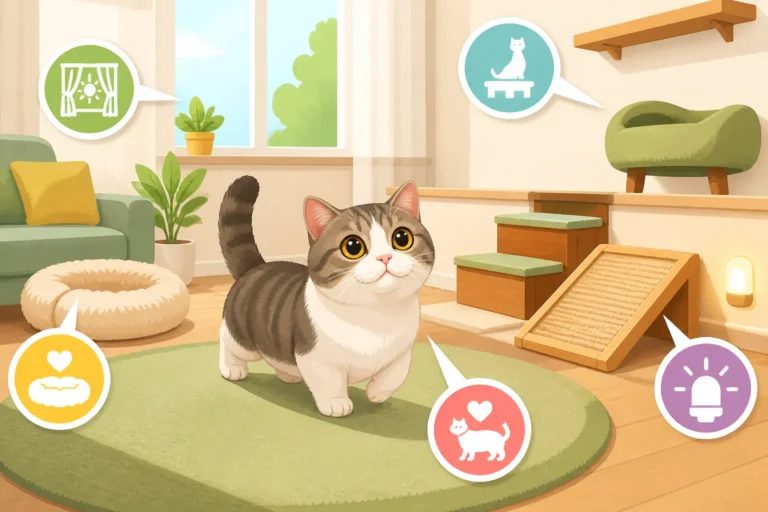
When you're designing a space for a Munchkin, think horizontally, not vertically. Their world is lived closer to the ground, and that's where their enrichment and exploration will naturally occur. Instead of aiming for height, aim for spread. Imagine their perfect outdoor adventure: it's a series of interesting textures, smells, and hiding spots, all within easy reach without having to perform acrobatic feats.
A ground-level focus means creating a diverse landscape of activities at paw-height. This could include designated digging areas, soft grassy patches, smooth stones for sunbathing, or even shallow sandpits. It allows them to engage their senses, explore scents, and stalk imaginary prey in a way that feels natural and safe for their body. Think about What a Munchkin Does All Day at Floor Level; they're investigating every nook and cranny down low, and your catio should encourage that inherent curiosity.
Essential Design Elements for a Munchkin-Friendly Catio
Now that we understand the core philosophy, let's dive into the practical elements that will make your Munchkin's catio a true paradise. It's all about making every feature accessible, enjoyable, and safe.
Creating Safe, Accessible Entry and Exit Points
This might seem obvious, but for a Munchkin, even a small lip or step can be a major hurdle. The ideal entry point into your catio should be as close to ground level as possible, perhaps a ramp with a very gentle incline, or a door with absolutely no threshold. Imagine trying to get into a room if you had to perform a small jump every single time; it quickly becomes exhausting and discouraging. Your Munchkin needs to feel like their outdoor space is an effortless extension of their indoor world.
If a slight rise is unavoidable, a sturdy, shallow-pitched ramp is your best friend. Look for ramps designed for small dogs or senior pets, or consider building one yourself. Ensure it has a non-slip surface, like outdoor carpeting or rubberized treads, to prevent slips and slides, especially when wet. Also, think about security here. If you're using a cat flap, choose one that's extra low and easy to push open. For human access, a door that opens inward is great, but ensure there's no way for your Munchkin to sneak out between your legs. It's similar to finding a carrier they can simply walk into rather than being lifted and dropped in; Which Carrier a Munchkin Can Walk Into Itself means less stress, and the same principle applies here.
Maximizing Horizontal Space and Ground-Level Enrichment
This is where your catio truly shines for a Munchkin! Forget the multi-story mansion idea; think sprawling bungalow with lots of cool rooms. Dedicate generous floor space to a variety of textures and zones.
- Soft Ground: A patch of real grass (if you can maintain it) or pet-friendly artificial turf provides a lovely sensory experience. They can roll, sniff, and enjoy the feel under their paws.
- Digging Fun: A shallow sandpit (using play sand) or a section with clean, loose soil can be a huge hit. Many cats love to dig, and a Munchkin can really get down and dirty without needing to climb.
- Safe Plants: Incorporate cat-safe plants like catnip, cat grass, or petunias in low, sturdy planters. The smells and textures are stimulating.
- Tunnels and Hiding Spots: PVC pipes, large cardboard boxes, or even dedicated pet tunnels (you can find great options on Amazon) provide essential hiding and exploration opportunities. Munchkins love to dart through enclosed spaces.
- Low Obstacles: Place smooth, rounded rocks or small, sturdy logs for them to weave around, rub against, or even balance on if they're feeling adventurous.
The goal is to provide a rich tapestry of experiences at their natural level of engagement. Think about How to Set Up Floor Level Enrichment for a Munchkin in your home and apply those same principles to the catio, just with outdoor-appropriate materials.
Incorporating Safe Climbing Alternatives and Viewing Spots
While extreme height is out, a little elevation can still be enriching if done correctly. The key is gradual, stable, and low-impact.
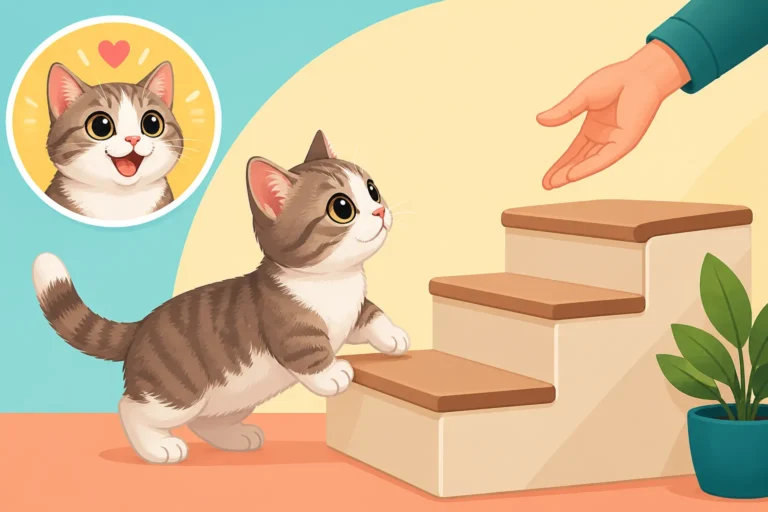
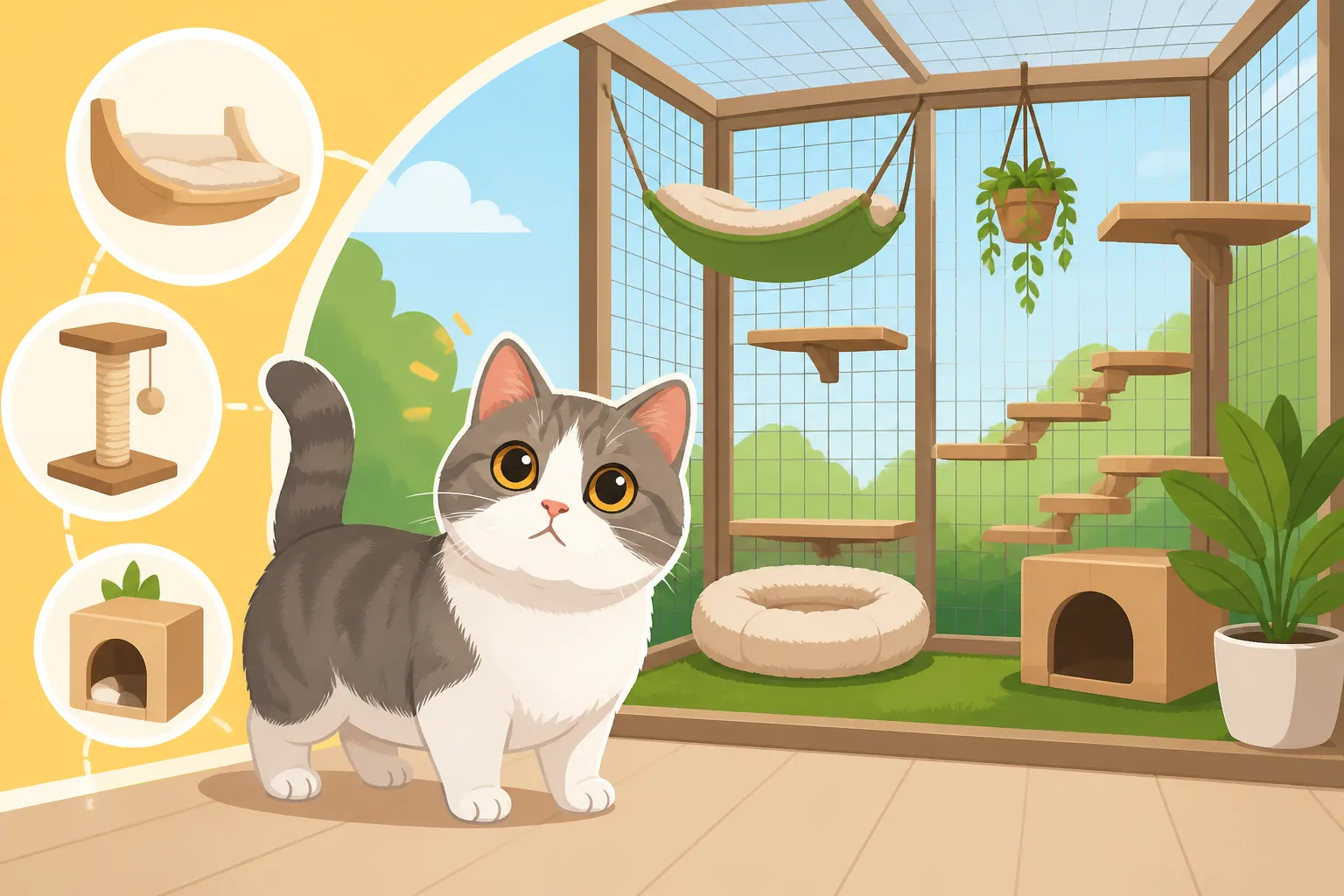
- Gentle Ramps and Steps: Instead of tall cat trees, think about low-slung structures with very gradual ramps or wide, shallow steps. Two or three steps, each no more than 4-6 inches high, can get them onto a slightly elevated platform of maybe 12-18 inches – which is a towering height for a Munchkin! Ensure the steps are deep enough for their whole body and have non-slip surfaces. Many pet stairs marketed for small dogs can work, but always check stability.
- Window Perches: If the catio is attached to a window, a window box that creates a low, stable platform can be a fantastic viewing spot. They can sit and watch the world go by from a safe height, feeling connected to both the inside and outside.
- Sturdy Platforms: Any elevated platforms should be wide, stable, and close to the ground. A good rule of thumb is that if they can jump up to it in one easy bound, it's probably okay. Jumping down is often harder on their joints, so ensure there's a gentle ramp or another step immediately below any platform to break their descent. You can find excellent pet ramps and steps on Amazon that might be adaptable for catio use, just remember to prioritize sturdiness and gentle incline. How to Teach a Munchkin to Use a Ramp often involves positive reinforcement and making it the easiest path.
Safety and Comfort Considerations for Your Munchkin's Outdoor Haven
A catio isn't just about enrichment; it's fundamentally about safety. For a Munchkin, whose physical limitations mean they can't easily escape threats, security and comfort are even more critical.
Secure Enclosure and Predator Protection
A Munchkin's inability to climb high or run at top speed to escape means they are particularly vulnerable to outdoor threats. This makes the security of your catio non-negotiable.
- Sturdy Mesh: Use heavy-gauge, galvanized wire mesh or hardware cloth. Chicken wire is generally too flimsy and can be easily torn or chewed through by determined predators. The mesh openings should be small enough to prevent your cat from squeezing through, and also to prevent small predators (like weasels or raccoons) from reaching in.
- Secure Fastenings: All panels, doors, and connections need to be firmly attached with screws, bolts, or heavy-duty zip ties. Regularly inspect for loose spots. Dig-proofing around the perimeter is also crucial – extend mesh a foot or two underground, or lay a skirt of mesh flat on the ground outside the base and cover it with soil or rocks to deter digging predators.
- Double Entry/Locks: If your catio has a human-sized door, consider a double-entry system (like a small vestibule) to prevent escape when you enter or exit. Otherwise, always use a secure lock that cannot be easily manipulated by small paws or accidental nudges. Remember, Why a Munchkin Cannot Escape a Confrontation is a harsh reality; their physical limitations mean they don't have the same defensive options as a long-legged cat, so your enclosure must do the escaping for them.
Shelter from Elements and Climate Control
Even if your catio is in a sunny spot, your Munchkin will need refuge from sun, rain, wind, and cold.
- Shade: Incorporate solid roof sections or use UV-resistant shade cloths to create ample shaded areas, especially during the hottest parts of the day. Overheating is a serious risk.
- Weather Protection: A waterproof roof or cover is essential for rainy days. Consider adding solid panels to one or two sides to act as windbreaks.
- Insulated Nook: For cooler climates, a small, insulated pet house or a covered bed within the catio can provide a warm hideaway. You can even add a self-warming pad for extra comfort on chilly days.
- Fresh Water: Always have a fresh water bowl or even a small pet fountain readily available. Ensure it's sturdy enough not to be tipped over and is placed in a shaded area to keep the water cool.
Cleaning and Maintenance for a Healthy Environment
Just like any part of your home, the catio needs regular cleaning to remain a healthy and inviting space.
- Easy-Clean Surfaces: Choose materials for flooring and platforms that are easy to wipe down or hose off. Concrete pavers, outdoor tiles, or even composite decking can work well. If you have natural grass, be prepared for some mud, especially after rain.
- Drainage: Ensure the catio has good drainage to prevent water pooling, which can lead to mold, mildew, and mosquito breeding. A slight slope to the floor or gravel underneath can help.
- Litter Box Access: Yes, even in a catio, your Munchkin will likely need a litter box. Choose a low-entry box that they can easily step into, just like you would for their indoor boxes. Keeping it clean is paramount for hygiene and to encourage use. Which Litter Box a Munchkin Can Actually Enter is a critical piece of the puzzle, and the same thinking applies outdoors.
- Pest Control: Regularly check for insects like spiders, wasps, or ants. Use pet-safe deterrents if necessary, avoiding harsh chemicals. For fleas and ticks, ensure your Munchkin is on appropriate preventative medication, even if they're only going into the catio.
Making the Catio an Extension of Their Indoor World
The best catios don't feel like a separate, isolated space. They feel like another room in your Munchkin's carefully curated kingdom, one that simply happens to have fresh air and new smells.
Toys and Mental Stimulation at Their Level
Just because they're outside doesn't mean their play preferences change! Continue to provide toys that encourage their natural hunting and playing behaviors, keeping their physical limitations in mind.
- Floor-Level Fun: Think rolling toys, kickers, and crinkle balls that they can bat around on the ground. Feather wands with long handles allow you to engage them without needing them to jump.
- Puzzle Feeders: Introduce outdoor-appropriate puzzle feeders to provide mental stimulation. Choose ones that require paw manipulation rather than vertical climbing or reaching. This engages their problem-solving skills and satisfies their foraging instincts.
- Sensory Items: A small, shallow dish of water for batting at, a patch of textured fabric, or even a soft broom they can rub against can provide novel sensations. Consider bringing out a new scent every few days, like a catnip toy or a bit of dried lavender, to keep things interesting. How Much Floor Level Play a Munchkin Needs is significant, and the catio offers a wonderful new setting for it.
Social Interaction and Supervision
Even in a catio, your Munchkin wants to feel connected to you. They aren't meant to be simply "put out" in a cage.
- Spend Time Out There: Make an effort to join your Munchkin in the catio, even if it’s just sitting on a low stool or on the ground with them. Talk to them, play with them, or simply read a book nearby. Your presence makes the space feel safe and loved.
- Visible Connection: If possible, design the catio so it’s visible from a frequently used window or door inside your home. This allows your Munchkin to see you and feel part of the household activities, even when they're enjoying their outdoor time.
- Supervision: Especially during the initial introduction, and periodically thereafter, supervise your Munchkin in the catio. This allows you to observe their behavior, ensure they're safe, and address any unexpected issues, like a determined insect or a loose panel. It's important to remember What a Munchkin Does When It Cannot Get Away – they rely on you for ultimate safety.
Gradual Introduction and Acclimatization
Don't just open the door and expect your Munchkin to immediately love their new outdoor digs. Cats are creatures of habit and can be cautious about new environments.
- Start Slow: Begin with short, supervised visits, perhaps just 10-15 minutes at a time. Leave the door open if the catio is attached to your home so they can retreat indoors if they feel overwhelmed.
- Positive Reinforcement: Make the catio a positive experience. Bring out their favorite toys, offer high-value treats, and give them plenty of praise. Associate the catio with good things.
- Familiar Scents: Place a familiar blanket, a favorite bed, or a worn toy in the catio to bring their scent and comfort into the new space. This can help them feel more at home.
- Observe and Adjust: Pay close attention to your Munchkin's body language. Are they relaxed? Exploring? Or do they seem stressed or hesitant? Adjust the duration of their visits and the features within the catio based on their comfort level. It might take a few days or even weeks for them to fully embrace their new outdoor haven.
Catio Features: Standard vs. Munchkin-Specific
| Feature | Standard Catio (Typical Design) | Munchkin-Specific Catio (Recommended) | Rationale for Munchkin |
|---|---|---|---|
| Vertical Space | Multiple high shelves, tall climbing posts, rope bridges | Low, wide platforms (max 18-24 inches high), gentle ramps/shallow steps | Reduces strain on short legs and spine; prevents falls; focuses on horizontal movement |
| Entry/Exit | Standard cat flap, small step up, human door | Ground-level entry, low-threshold door, gentle ramp access | Eliminates hurdles, ensures easy, stress-free access for short legs |
| Climbing Elements | Tall sisal posts, vertical climbing planks | Horizontal scratchers, low logs/branches, wide, shallow steps | Encourages appropriate scratching without needing vertical stretch; safe elevation |
| Enrichment Focus | Vertical exploration, high perching | Ground-level digging, sniffing, lounging, low tunnels/obstacles | Caters to natural ground-level curiosity and movement style |
| Safety Concerns | Falls from height, inaccessible areas | Secure perimeter from ground up, easy escape route back indoors if desired | Prevents injury due to physical limitations; ensures rapid retreat if needed |
| Platforms/Perches | Narrow, widely spaced | Wide, stable, closely spaced platforms or continuous ramps | Provides secure footing; allows for comfortable resting and movement |
| Ground Cover | Wood chips, concrete slab, dirt | Varied textures: grass, sandpit, smooth stones, pet-friendly turf | Sensory stimulation for paws and digging instinct; comfortable lounging |
Disclaimer
This article is for general informational purposes only and does not constitute professional advice. Laws, prices and regulations vary by location and change over time. Consult a qualified professional for guidance on your specific situation.