How a Munchkin Braces Itself in a Moving Car
Anyone who’s ever tried to take their beloved cat on a car trip knows it can be a surprisingly stressful affair. For our sweet Munchkin friends, with their adorably short legs and low-slung bodies, the experience of a moving vehicle can present a unique set of challenges, often leaving us wondering how they manage to stay upright and secure. This guide is here to walk you through exactly how your Munchkin instinctively braces themselves in a moving car and, more importantly, how you can make their journey as comfortable, safe, and stress-free as possible.
The Unique Challenges a Munchkin Faces in Car Travel
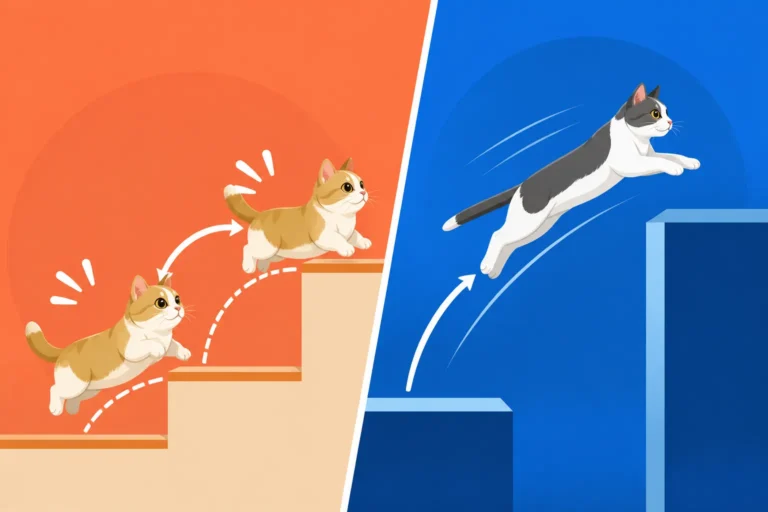
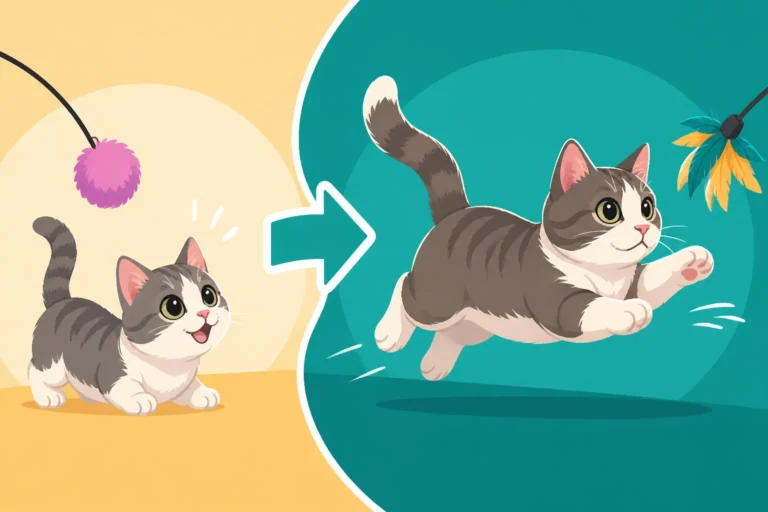
It's easy to assume that a cat with shorter legs and a lower center of gravity might naturally be more stable, even agile, in a moving vehicle. While a Munchkin can be incredibly How a Munchkin Is Faster on the Flat Than You Expect and surprisingly quick at changing direction, the dynamic environment of a car is very different from their familiar home turf. The constant vibrations, the sway around corners, and the sudden accelerations or decelerations are all forces that their unique physiology has to contend with, and it can be quite a workout for them. Owners often worry, and rightly so, about their little one being jostled or, even worse, injured, which is a completely valid concern given their special physical structure.
Understanding Their Natural Movement and How it Translates to a Car
Think about how a Munchkin navigates your home. They might scuttle across the floor with a distinctive, almost ferret-like gait, often using their strong hind legs for little bursts of speed. They are masters of floor-level agility, relying on quick, powerful movements from their strong core and short, powerful limbs. However, this natural mode of movement is primarily designed for stable, flat surfaces where they can predict their next step. In a moving car, the ground beneath them is constantly shifting, both literally and figuratively. They can't rely on pushing off a stable floor, and their usual methods of gaining momentum or changing direction are compromised by the unstable environment. This means they have to adapt their bracing techniques on the fly, using muscles and instincts that might not be as frequently engaged during their daily antics around the living room.
The Impact of Sudden Stops and Turns on a Munchkin's Frame
Even mild car movements, like a gentle turn or a slow stop, require a Munchkin to actively adjust its posture and balance. But what about those moments we can't always predict? A sudden brake, an unexpected sharp turn, or even hitting a pothole can send an unsecured cat tumbling. For a Munchkin, whose spine already carries a unique load compared to a longer-legged cat, as discussed in Why a Munchkin's Spine Carries a Load a Normal Cat's Does Not, these jolts can be particularly jarring. Their short legs mean they have less "give" to absorb shock from sudden impacts. They can't easily stretch out a long leg to brace against a far wall of a carrier, or use the full leverage of a normal cat's limb to counteract a shift in momentum. This makes stability paramount, and it's why setting up their travel space thoughtfully is so crucial to their safety and comfort.
How Munchkins Physically Brace Themselves
Despite these challenges, Munchkins are incredibly resilient little creatures, and they have developed several clever ways to maintain their balance in motion. It's truly fascinating to observe their adaptive strategies, which are a testament to their innate feline agility, even with their modified physique. They're not just passively enduring the ride; they're actively working to stay secure.
Engaging Their Core and Spreading Their Weight
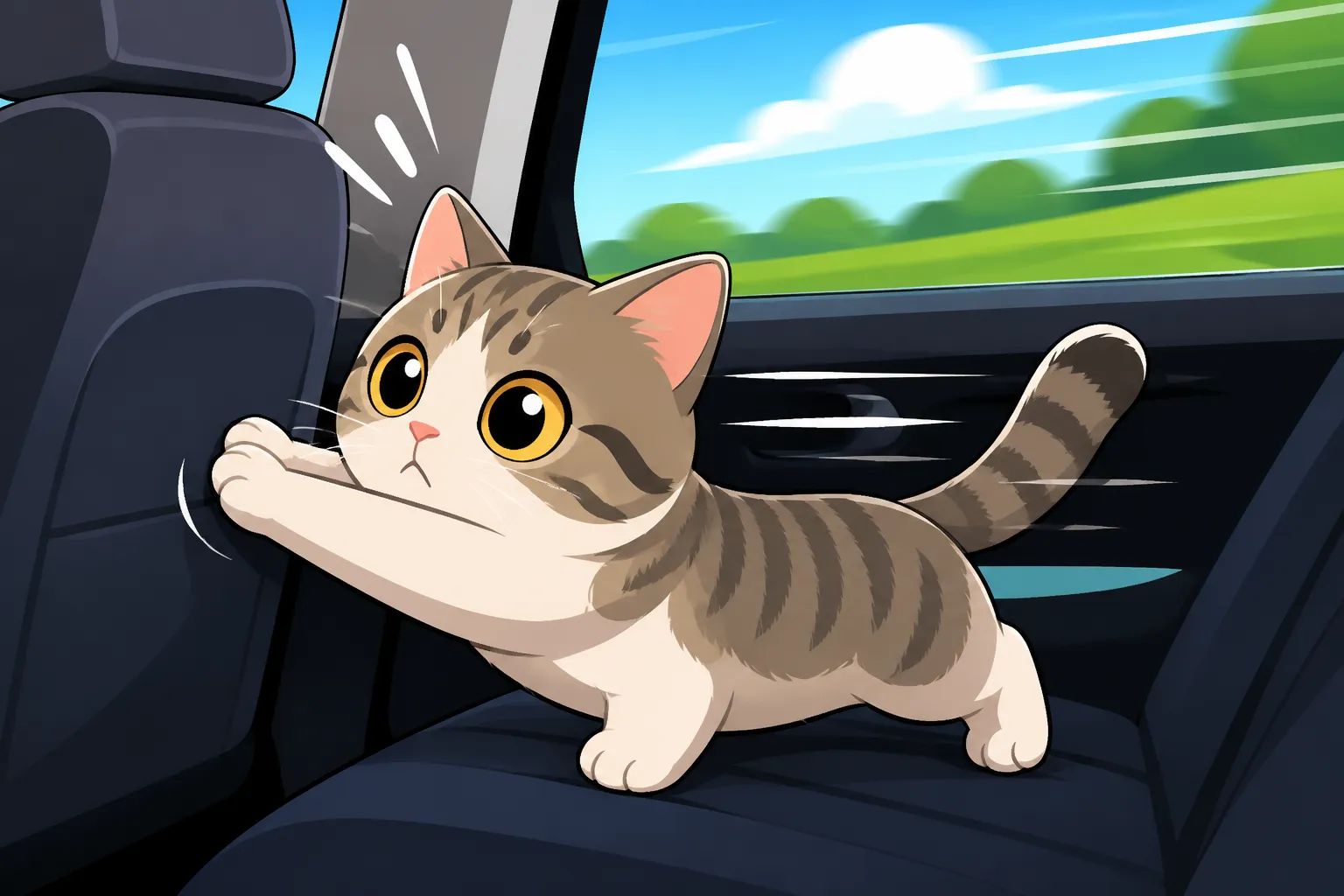
Just like human passengers, Munchkins instinctively tighten their core muscles when they sense instability. Their low center of gravity, which helps them corner so well on the flat, as described in How a Munchkin Changes Direction at Speed, also assists them here. When a car accelerates or decelerates, they'll often flatten their bodies slightly, spreading their weight evenly across their paws and belly. This increases their contact area with the surface they're on, be it the bottom of a carrier or a soft blanket, giving them more friction to resist sliding. You might see them 'pancake' a bit, or subtly shift their hips and shoulders to distribute their weight against the direction of movement. Their short, powerful legs are kept close to their body, acting like sturdy little pillars to absorb vibrations and provide a stable base, rather than long levers that could buckle under lateral forces.
Using Their Paws and Claws for Grip
Cats, regardless of breed, are masters of grip, and Munchkins are no exception. In a moving car, especially if they're feeling a bit anxious or unstable, they will definitely put those claws to good use. Inside a carrier, they'll instinctively spread their toes wide, digging their claws slightly into any fabric or carpeted surface available. This acts like miniature anchors, providing extra traction and preventing them from sliding around. You might hear the faint scratching as they adjust, or see their paws flex and extend as they brace themselves. If they're on a less forgiving surface, like plastic, they'll still splay their paws to maximize the surface area, using the pads of their feet for friction. This is why having a soft, grippy material at the bottom of their carrier is more than just a comfort; it's a vital safety feature for them to leverage their natural bracing instincts.
Creating a Safe and Secure Travel Environment
Knowing how your Munchkin tries to brace itself gives you a huge advantage in helping them. Your goal as an owner is to complement their natural instincts by providing an environment that enhances their stability and minimizes their effort. This isn't just about preventing injury; it's also about reducing stress. A cat that feels stable is a much calmer traveler.
Choosing the Right Carrier for Stability
The carrier is your Munchkin's little sanctuary on wheels, so choosing the right one is paramount. You want something that offers a sense of security and limits excessive movement.
- Size Matters: Avoid carriers that are too large. While a spacious carrier might seem humane, an oversized one allows your Munchkin to be tossed around more easily. A carrier that's just big enough for them to stand up, turn around, and lie down comfortably is ideal. This snug fit provides natural bracing points.
- Solid Construction: Look for carriers made of sturdy, rigid materials. Soft-sided carriers can collapse or shift more during sudden movements, making your Munchkin feel less secure. Hard plastic carriers often provide the best stability.
- Good Ventilation: Ensure the carrier has ample ventilation on all sides. While stability is key, your cat also needs to breathe comfortably, especially if they're prone to anxiety.
- Non-Slip Interior: The bottom of the carrier should ideally be non-slip. Many carriers come with a textured floor, or you can add a non-slip mat or a thick, grippy blanket. This gives your Munchkin something solid to dig their claws into, as discussed earlier.
- Easy Entry: Consider a carrier with a top-loading option or a front door that opens wide. Our Munchkins have short legs, so a carrier that they can easily walk into themselves can reduce stress, which we delve into in Which Carrier a Munchkin Can Walk Into Itself. Finding one on Amazon with these features is usually quite straightforward.
Here's a quick comparison of common carrier types:
| Carrier Type | Pros | Cons | Best For |
|---|---|---|---|
| Hard Plastic | Excellent stability, easy to clean, good airflow | Can be bulky, less comfortable without added bedding | Frequent travel, maximum security |
| Soft-Sided | Lightweight, collapsible for storage, comfortable | Less rigid, can shift more, harder to clean | Short, less turbulent trips, cats who prefer coziness |
| Cardboard/Disposable | Very cheap, good for one-time emergency use | No stability, easily damaged, single-use | Urgent, unexpected trips where no other option exists |
Securing the Carrier in the Vehicle
A well-chosen carrier is only half the battle; it needs to be securely fastened in the car. An unsecured carrier can become a dangerous projectile in an accident, and even during normal driving, it can slide around, terrifying your cat.
- Seatbelt is Your Friend: The absolute best way to secure a hard-sided carrier is by using a seatbelt. Place the carrier on a seat (front or back, depending on your car and preference, though the back seat is often safer due to airbag deployment risk) and thread the seatbelt through the handle or around the body of the carrier, buckling it tightly. Give it a good tug to ensure there's minimal wiggle room. You can often find seatbelt tethers specifically designed for pet carriers on Amazon.
- Footwell Placement: For very small carriers, placing them in the footwell behind the front seats can offer excellent stability, as they're wedged in and can't move much. Just make sure there's still adequate ventilation.
- Tie-Down Straps: If your car has cargo tie-down points in the trunk or cargo area (especially in SUVs or hatchbacks), consider using ratchet straps or bungee cords to secure a larger carrier. Always ensure the carrier is on a level surface and cannot tip.
- No Loose Carriers: Never simply place a carrier on a seat or in the trunk without securing it. Even if your Munchkin is calm, the carrier itself will move with the car's momentum, increasing their anxiety and the risk of injury. Remember, climbing away from anything (Why a Munchkin Cannot Climb Away From Anything) is extremely difficult for them, so they need a secure space.
Acclimatizing Your Munchkin to Car Travel
Beyond the physical setup, the psychological aspect of car travel is hugely important for your Munchkin. Even with the perfect carrier and a secure setup, a cat who isn't used to the car can become highly stressed. This stress can manifest in vocalizations, urination, defecation, or even panting, and it's something we definitely want to avoid for our little friends. Taking the time to properly introduce them to car travel will make a world of difference.
Gradual Introduction to the Car and Carrier
Rome wasn't built in a day, and neither is a cat's comfort with car travel! This process needs to be gradual and positive.
- Carrier as a Safe Space: Start by making the carrier a pleasant, everyday object in your home. Leave it open with a soft blanket inside, perhaps a favorite toy, and some treats. Let your Munchkin explore it at their leisure. You can even feed them near or inside the carrier. The goal is for them to associate it with comfort and safety, not just stressful trips.
- Short Car Introductions: Once they're comfortable with the carrier, introduce them to the car itself. Place the secured carrier (with your Munchkin inside) in the car, but don't turn the engine on. Just sit with them, talk to them calmly, offer treats. Do this for a few minutes each day.
- Engine On, No Movement: Next, repeat the above step, but this time, turn the engine on for a few minutes. Let them get used to the sound and vibrations without the added motion. Again, lots of praise and treats.
- Short Drives: Begin with very short drives – literally just around the block. Keep these trips brief and end on a positive note. Slowly increase the duration of the trips as your Munchkin becomes more accustomed. Remember that for their joint health, Whether a Munchkin Should Be Discouraged From Jumping from heights or enduring repeated jolts is important, so smooth driving is always best. This method is often how you How to Get a Munchkin Used to Being Handled in general—slowly and with positive associations.
Positive Reinforcement and Comfort Items
Making car travel a positive experience relies heavily on associating it with good things.
- Treats and Praise: High-value treats are your secret weapon! Offer them generously before, during, and after each car session. Pair treats with calm, reassuring words.
- Familiar Scents: Place a blanket or towel from home that smells familiar into the carrier. This familiar scent provides comfort and a sense of security in an otherwise novel environment.
- Pheromone Sprays: Consider using a feline pheromone spray in the carrier about 15-20 minutes before placing your Munchkin inside. These sprays mimic natural feline facial pheromones that help cats feel safe and secure, and they can be incredibly effective in reducing anxiety. You can typically find these from pet stores or on Amazon.
- Keep it Cool and Quiet: Ensure the car's temperature is comfortable, not too hot or too cold. Keep the radio volume low, or play calming music specifically designed for pets. Avoid sudden loud noises or overly enthusiastic conversations.
- Don't Rush: Never try to rush the acclimatization process. Every cat is different, and some Munchkins might take longer than others to adjust. Patience is key. If your Munchkin is showing extreme signs of stress, revert to an earlier, less challenging step in the process.
By understanding how your Munchkin uses its unique body to brace itself and by proactively creating a safe, stable, and positive travel environment, you can ensure that car journeys become much less daunting for both of you. Happy travels to you and your adorable short-legged companion!
Disclaimer
This article is for general informational purposes only and does not constitute professional advice. Laws, prices and regulations vary by location and change over time. Consult a qualified professional for guidance on your specific situation.