Which Carrier a Munchkin Can Walk Into Itself
It's a familiar scene, isn't it? You've got your vet appointment, or perhaps a trip planned, and it's time to get your adorable Munchkin into their carrier. You set down the standard carrier, maybe even put a favorite blanket inside, and watch as your short-legged friend eyes it with suspicion, then proceeds to refuse to jump in, leaving you to awkwardly scoop them up. This guide is all about finding a carrier your Munchkin can confidently walk into themselves, making those necessary journeys a whole lot less stressful for both of you.
Why Standard Carriers Pose a Unique Challenge for Munchkins
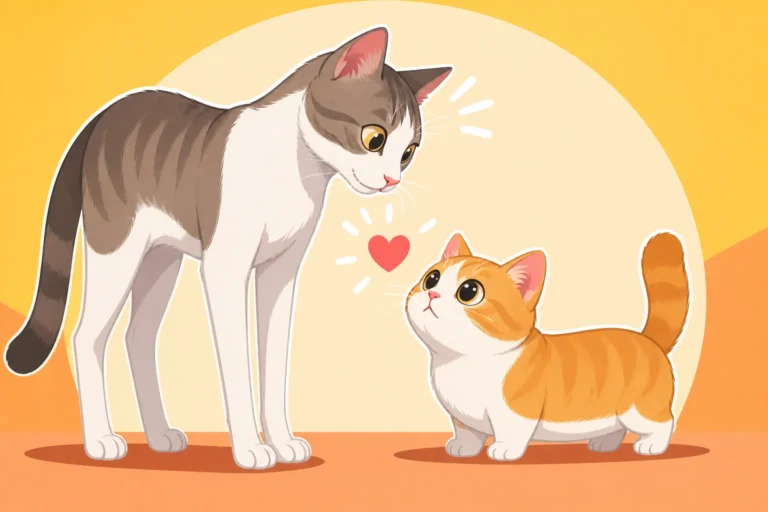
Most cat carriers on the market are designed with the average feline in mind – cats with long, athletic legs capable of a decent jump and nimble movements. For a Munchkin, however, these designs often present a significant hurdle. Their defining characteristic, those adorable short legs, means that even a small lip or a slightly raised entrance can feel like an insurmountable wall.
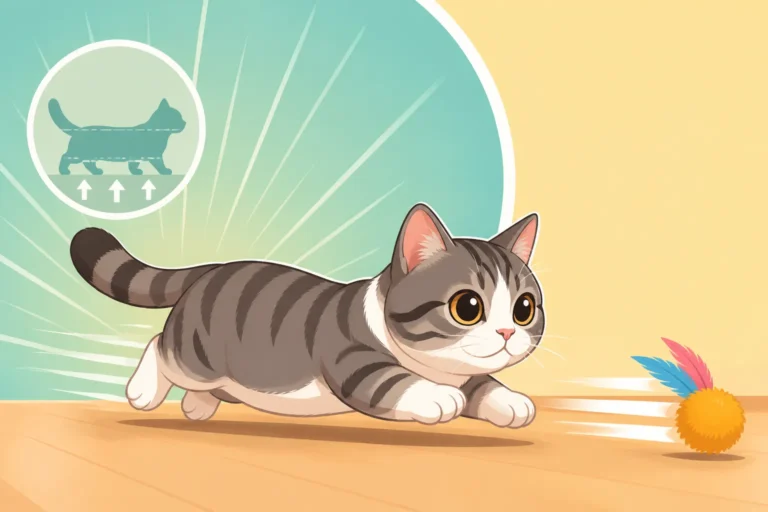
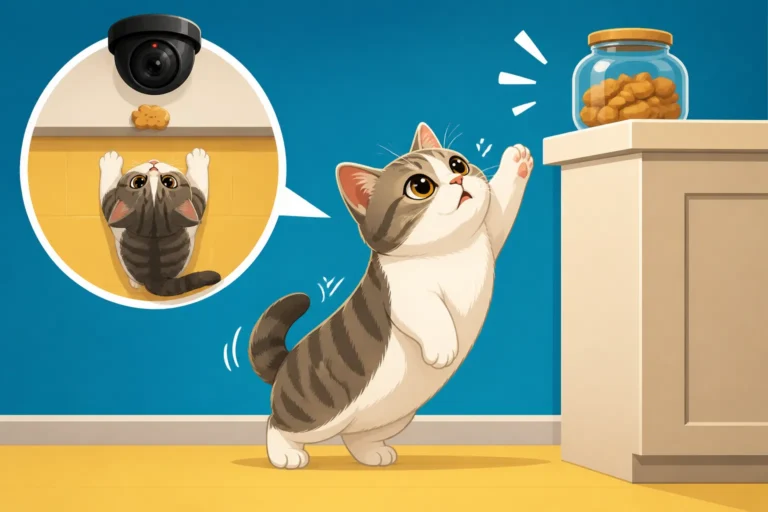
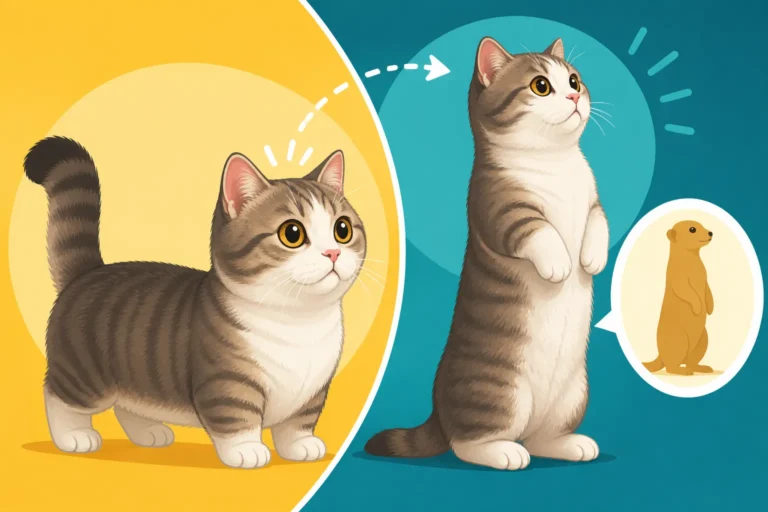
Imagine being asked to step over a barrier that comes up to your waist; that's often what a standard carrier entry can feel like for a Munchkin. Their short stature means their center of gravity is lower, which helps them corner quickly on the flat, but doesn't do much for vertical challenges. They simply don't have the leverage or the leg length to push off and clear heights that a normal-legged cat would consider trivial. This isn't a matter of them being lazy or stubborn; it's a physical limitation. They really struggle with getting up onto things, even a low sofa, without a lot of strategic planning, let alone hopping into a rigid plastic box. How Short a Munchkin's Legs Actually Are can truly make a difference in their ability to navigate household obstacles, let alone a carrier.
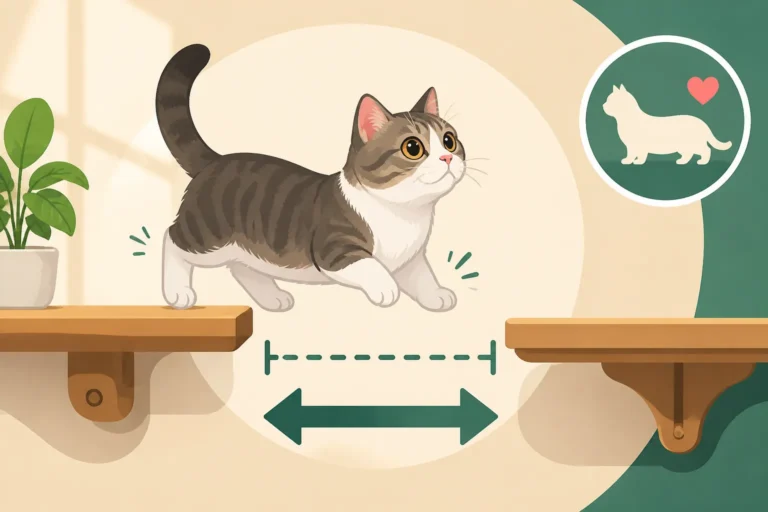
Furthermore, traditional carriers often require the cat to be lifted in, either through a top opening or a front door that's still too high for them to step into easily. While many Munchkins are perfectly happy to be picked up and carried, it’s still an act of intervention rather than independent entry. The goal here is to empower your Munchkin to enter their safe space on their own terms, reducing stress for everyone involved. This becomes especially important if your Munchkin is already a bit anxious about vet visits or car rides. Making the carrier a less intimidating experience from the outset can really change their whole demeanor about travel. How Many Inches a Munchkin Can Jump is often far less than owners expect, making jump-in access a non-starter for most carriers.
Essential Carrier Features for Independent Munchkin Entry
When you're searching for a carrier that your Munchkin can walk into themselves, you need to think less about traditional cat carrier designs and more about accessibility. It's about creating a smooth, inviting entry point that doesn't demand any gymnastics from their short legs or strain on their unique spinal structure.
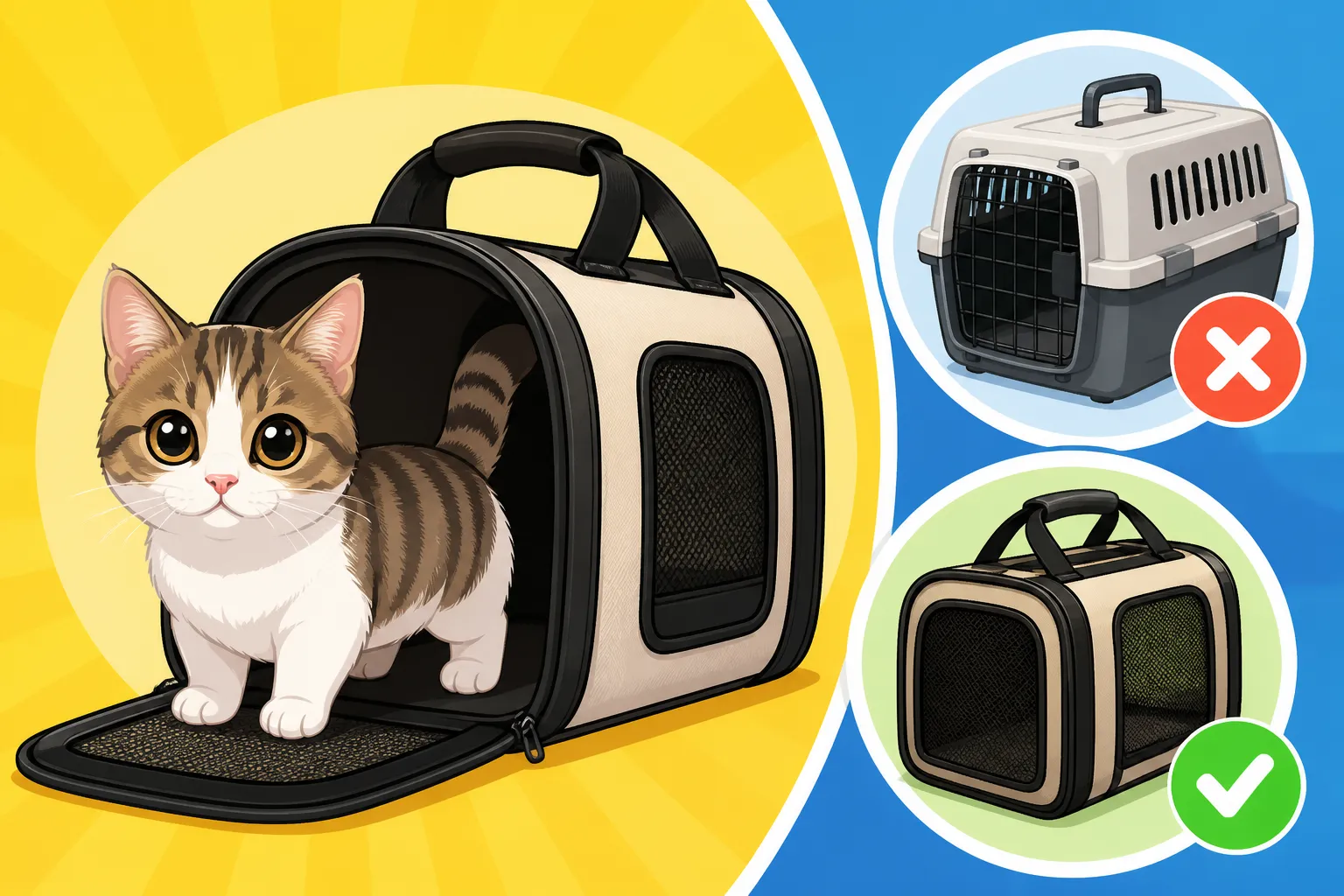
The absolute most crucial feature is a low, wide, and easily accessible entry point. This means a door or opening that allows your Munchkin to simply step in, rather than jump or be lifted. Think of it like a ramp or a very shallow step. A top-loading carrier might seem like a good idea for easily placing your cat in, but it still requires lifting them. We want to avoid that altogether for self-entry. Look for carriers where the primary access point is at or very close to floor level. Why a Munchkin's Carrier Needs a Low Opening is paramount for their comfort and ease of use.
Secondly, stability and a non-slip interior are vital. A carrier that wobbles or has a slick plastic floor can be unsettling and discourage your Munchkin from entering. They need to feel secure underfoot, especially as they're learning to trust this new mobile den. A soft, removable pad or a carpeted base is ideal, providing grip and comfort. Many soft-sided carriers often come with a faux-fleece mat that works well, but you can always add your own non-slip mat if needed.
Good ventilation and visibility are also key. A stuffy, dark carrier can make any cat anxious. Ample mesh windows or openings allow for airflow and let your Munchkin see their surroundings, which can help reduce feelings of confinement. It also allows you to check on them easily without opening the carrier.
Finally, consider the overall size and shape. While a Munchkin is a small cat, they still need enough space to stand up, turn around comfortably, and lie down without feeling cramped. A carrier that's too small will feel like a trap, regardless of its entry method. However, a carrier that's too large can also make them feel insecure during transport, as they might slide around. A good rule of thumb is roughly 1.5 times their body length (excluding tail) and tall enough for them to stand without their head touching the top. You'll find a wide array of options by searching for these features on platforms like Amazon.
Types of Carriers Munchkins Can Confidently Enter
With the right features in mind, let's look at the specific types of carriers that truly excel at allowing a Munchkin to walk in themselves. It's often about finding innovative designs or thinking outside the traditional "box."
Front-Loading Soft-Sided Carriers with Full Panel Openings
These are often your best bet. Many modern soft-sided carriers are designed with multiple entry points, including a large zippered opening on the front that can almost entirely unzipped. When fully opened, this essentially removes a whole side of the carrier, creating a wide, low threshold that your Munchkin can easily saunter through.
The key here is that the zippered opening extends down to the very base of the carrier, leaving no lip to step over. Once inside, the soft sides conform a bit, making it cozy, and the mesh panels offer excellent ventilation. They're also typically lightweight and easy to carry. Just make sure to check the dimensions carefully when browsing on Amazon, as some "front-loading" carriers still have a significant lip even when unzipped. Look for photos where the opening appears almost flush with the floor.
Hard-Sided Carriers with Removable Tops
While not strictly a "walk-in" option, certain hard-sided carriers can become incredibly easy for your Munchkin to enter if they feature a fully removable top. You simply take the top off, and it becomes an open bed. Place it on the floor with a comfortable blanket, and your Munchkin might decide to use it as a napping spot. Once they're relaxed inside, you can gently place the top back on.
This method still involves some intervention, but it's far less jarring than forcing them through a small door. The hard sides offer excellent protection during travel, which is a big plus. It's an excellent compromise if you prefer the security of a hard-sided carrier but struggle with traditional entry methods. This method also works well for vet visits, as the top can be removed for examination without moving your cat, reducing stress.
Wheeled Pet Carriers or Strollers with Ramps
For those with older Munchkins, or cats that are particularly resistant to being lifted, a wheeled pet carrier that incorporates a small ramp can be a game-changer. These are less common for small cats, but some larger dog carriers on wheels have designs with a low-level, pull-down ramp. While perhaps overkill for a quick vet trip, they offer unparalleled self-entry if you travel frequently or need to transport your Munchkin longer distances without physical strain on either of you.
Alternatively, a pet stroller designed for small animals can also work. Many have large openings and low entry points. You can even train your Munchkin to walk into a stroller, making it a familiar and safe conveyance. Remember, How to Teach a Munchkin to Use a Ramp can be a valuable skill for extending their independence in many aspects of life, not just for carriers!
Here’s a quick comparison of carrier types suitable for Munchkins:
| Carrier Type | Entry Method for Munchkins | Pros | Cons | Ideal Use |
|---|---|---|---|---|
| Soft-Sided with Full Front Opening | Walk-in (when fully unzipped) | Truly self-entry, lightweight, good ventilation | Less rigid protection than hard-sided | Vet visits, short car trips, plane travel |
| Hard-Sided with Removable Top | Lift-in (top removed), then reattach | Excellent protection, easy for vet exams | Not truly "walk-in," requires two steps | Longer car trips, secure transport |
| Wheeled Carrier with Ramp | Walk-in (via ramp) | Easiest self-entry for reluctant cats | Can be bulky, more expensive, specific design | Frequent long travel, elderly or arthritic cats |
Acclimating Your Munchkin to Their New Carrier
Finding the perfect carrier is only half the battle; the other half is getting your Munchkin to love it enough to walk in on their own. Acclimation is a crucial step that many owners skip, leading to carrier aversion. For a Munchkin, who often thrives on routine and predictability, a calm and positive introduction is key.
Start by making the carrier a permanent, inviting piece of furniture in your home, not just something that appears right before a dreaded vet visit. Place it in a quiet, accessible area where your Munchkin likes to nap. Open the main, low-entry door fully and leave it that way. Inside, place a familiar blanket, a favorite toy, or a few enticing treats. You might even want to try a pheromone spray inside to help create a calming atmosphere. Over time, your Munchkin will start to associate the carrier with comfort and positive experiences. Getting a Munchkin Used to Being Handled can help, as a cat comfortable with touch will be less wary of anything related to travel.
The next step involves positive reinforcement. Whenever your Munchkin approaches, sniffs, or even glances at the carrier, offer praise and a treat. If they venture a paw inside, a bigger reward! The moment they step fully inside, even for a second, shower them with praise and treats. The goal is to build a strong positive association. You can even try placing their food bowl just inside the carrier, gradually moving it further back each day until they're eating their entire meal inside. This process might take days, or even weeks, so patience is absolutely essential. Don't rush it, or you'll undo all your hard work. Many excellent enrichment toys and treats can be found on Amazon to aid in this process.
Once they're comfortable going in and out, start closing the door for short periods, increasing the duration slowly. Stay nearby, talk to them reassuringly, and offer treats through the mesh. The aim is for them to feel secure, not trapped. When they're relaxed with the door closed, try picking up the carrier for a few seconds, then putting it back down and opening the door. Gradually increase the time you hold it, then take it for short trips around the house, then finally to the car.
Remember, every Munchkin is an individual. Some will take to a new carrier like a duck to water, while others will need a much slower, more patient approach. Always end the training session on a positive note. If your Munchkin resists, don't force them. Step back, try again later, and adjust your approach. A truly "walk-in" carrier is only effective if your cat chooses to walk in, and that choice comes from trust and comfort. If your Munchkin is still wary, try teaching them tricks like "come" on cue, or Teaching a Munchkin to Come When It Is Time to Be Lifted, which can indirectly help them associate positive experiences with responding to you near the carrier.
Finding the right carrier that your Munchkin can walk into themselves makes a world of difference for vet visits, travel, and even emergency situations. By prioritizing their physical needs and combining the right carrier features with patient acclimation, you can turn a potentially stressful experience into a much calmer, more independent one for your delightful short-legged companion.
Disclaimer
This article is for general informational purposes only and does not constitute professional advice. Laws, prices and regulations vary by location and change over time. Consult a qualified professional for guidance on your specific situation.