Why a Covered Box Is Wrong for a Munchkin
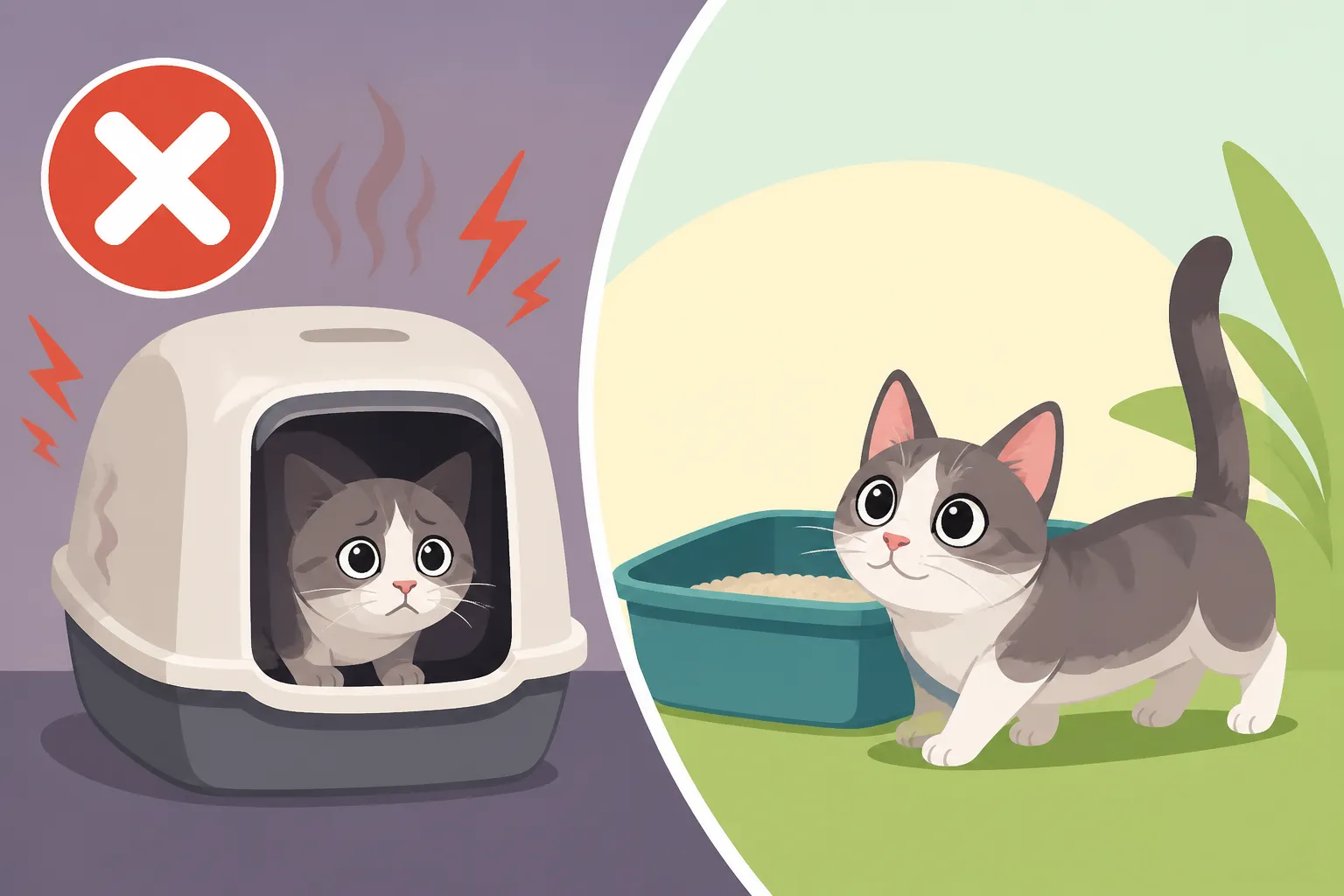
One of the most common mistakes I see new Munchkin cat parents make is assuming a litter box is a litter box, regardless of design. While a covered litter box might seem like a great idea for odor control or privacy, for a Munchkin, it can be a source of daily frustration, discomfort, and even lead to serious health and behavioral problems. This guide will walk you through why these seemingly convenient boxes are actually detrimental to your short-legged friend and what much better alternatives are available.
The Fundamental Challenge: A Munchkin's Unique Physiology
Munchkin cats are truly special, but their charming short legs come with a set of unique physical considerations that impact almost every aspect of their daily lives, including something as fundamental as using a litter box. Understanding these physical realities is the first step to creating a comfortable and healthy environment for them.
The Low Stance and Its Implications for Access
Imagine trying to navigate a world built for someone much taller than you, where every step up is a considerable hurdle. That's a bit like a Munchkin cat's experience. Their characteristic short legs mean their entire body sits significantly lower to the ground than a standard cat. This low stance directly affects their ability to step into and out of things, especially items with even a modest lip or edge. For a litter box, this means that the typical entry height, which a normal-legged cat would effortlessly stride over, becomes a high jump for a Munchkin.
Each time your Munchkin needs to use the litter box, they have to exert extra effort to hoist themselves over that edge. This isn't just a minor inconvenience; it puts repeated, unnatural strain on their shoulders, elbows, and most critically, their spine. Think about the impact of constant short, strenuous jumps over an obstacle. Over time, this constant physical challenge can contribute to joint stiffness and discomfort. It's not about them being lazy; it's about physics and preserving their delicate frame. A short-legged cat simply isn't built for repeated high steps, and a conventional covered litter box, even with a low front, often still presents too much of a barrier, especially when you factor in the additional constraints of a lid.
Belly Clearance and Hygiene Concerns
Beyond the entry height, a Munchkin's low-slung body presents significant hygiene challenges within a litter box, particularly a covered one. Their belly often rides much closer to the ground, almost brushing the litter as they walk. In a standard open litter box, this might just mean a bit more litter tracking, but in a covered box, the problem is compounded. The enclosed nature of a covered box often means less space for movement and maneuvering once inside. As your Munchkin attempts to turn around, dig, or position themselves to eliminate, their low belly and hindquarters are at a much higher risk of coming into direct contact with soiled litter.
This isn't just unpleasant; it's a health risk. Imagine urine or feces clinging to their fur because they couldn't quite clear the mess or properly position themselves. This can lead to skin irritation, rashes, and even serious infections if not cleaned immediately. Furthermore, the fur on their hindquarters and belly can easily become matted with soiled litter, creating a breeding ground for bacteria. This constant exposure to waste is not only uncomfortable for your cat but also makes your grooming duties much more frequent and intensive. It's a preventable issue if the right type of litter box is chosen from the start.
Why Covered Boxes Fail the Munchkin Test
Now that we understand the Munchkin's physical limitations, let's specifically address why covered litter boxes, despite their appeal to humans, are fundamentally unsuitable for these cats. It boils down to a combination of accessibility issues and confined spaces that simply don't accommodate their unique physique.
Entry and Exit Obstacles
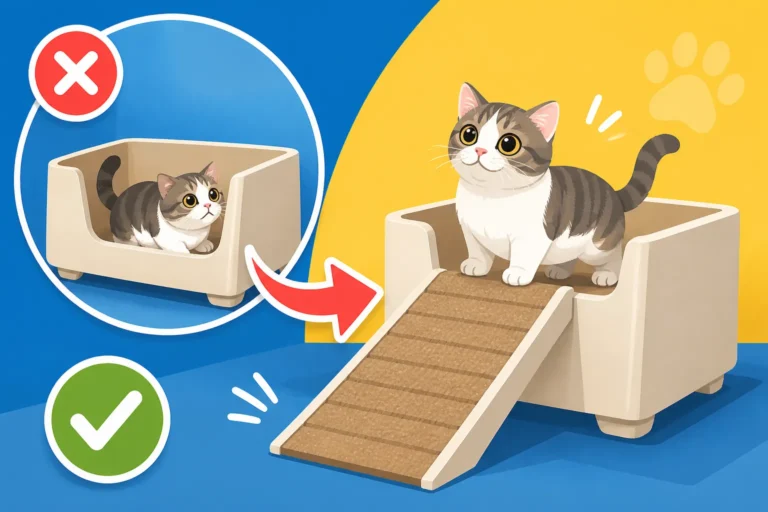
The primary hurdle with most covered litter boxes is the entry point. While some might feature a "lower" opening, it's rarely low enough for a Munchkin to comfortably walk in without some degree of a step-up. For a normal-legged cat, this is trivial; a graceful step and they're inside. For a Munchkin, it can be a mini-climb. They often have to scramble, push off with their hind legs, or even stretch awkwardly to get over the lip. This effort is required not just to enter, but also to exit.
Consider a Munchkin who needs to bolt out of the box quickly – perhaps startled, or just finished their business. Having to laboriously climb out adds stress and discomfort. This repeated strain on their short legs and spine is exactly what we want to avoid. You might think, "Well, my Munchkin manages to jump on the sofa," but that's a controlled jump, often onto a soft landing. A litter box entry is often a narrow, awkward maneuver. It's like asking someone with very short legs to continually step over a knee-high fence; it's possible, but it's exhausting and potentially painful over time. This challenge is precisely why a very low entry is so crucial for their comfort and long-term joint health.
Restricted Movement and Discomfort Inside
Even if your Munchkin manages to successfully enter a covered litter box, the problems don't end there. Covered boxes, by design, are enclosed spaces with a lid that forms a ceiling. This often means a lower interior height compared to an open box. For a Munchkin, whose body is already low to the ground, this restricted vertical space can make turning around, digging, and finding a comfortable position incredibly difficult. They might have to crouch unnaturally low, almost scuttling around, which again puts strain on their back and shoulders.
Cats, by nature, like to dig and cover their waste, often needing to turn several times to achieve this. In a cramped, covered box, a Munchkin may feel claustrophobic or simply unable to perform these natural behaviors comfortably. Imagine trying to shovel dirt in a tiny closet; it's cumbersome and frustrating. This inability to move freely can lead to them leaving waste uncovered, or even worse, eliminating too close to the edge of the box, leading to messes outside. The feeling of being confined, unable to properly maneuver, is a significant source of stress and can deter them from using the box altogether.
Hygiene Hazards and Health Risks
Beyond just physical discomfort, using a covered litter box for a Munchkin can lead to significant hygiene problems that directly impact their health and well-being. These issues are often exacerbated by the enclosed nature of the box and the cat's unique physical attributes.
Increased Risk of Soiling and Skin Issues
As discussed, a Munchkin's low belly often brushes the litter within the box. In a covered design, the restricted space means they have less room to maneuver and adequately cover their waste, or even to avoid stepping in it. This significantly increases the likelihood of urine and feces getting onto their fur, particularly on their hindquarters and belly. If you have a longhaired Munchkin, this problem becomes even more acute, as the longer fur provides more surface area for waste to stick.
Repeated exposure to urine and feces on the skin can lead to painful irritation, inflammation, and bacterial infections, especially in the warm, moist environment created by soiled fur. These skin problems, such as urine scald or dermatitis, are not only uncomfortable but can also be difficult and costly to treat, often requiring veterinary intervention. Imagine the discomfort of having perpetually irritated skin. It's a miserable experience for any cat. Owners may find themselves needing to clean their Munchkin's rear more frequently, sometimes even resorting to a sanitary clip, which, while helpful, doesn't address the root cause of the problem – the inadequate litter box setup.
Respiratory Issues and Odor Build-up
Covered litter boxes are notorious for trapping odors, which might seem like a benefit to humans trying to keep their homes smelling fresh. However, for a cat, this means breathing in a concentrated cocktail of ammonia and other waste-related fumes every time they use the box. Cats have incredibly sensitive respiratory systems, and prolonged exposure to these harsh chemicals can lead to respiratory irritation, coughing, or even contribute to more serious conditions over time.
For a Munchkin, this problem can be compounded. If they are already struggling to maneuver and feel stressed in the box, their breathing might become more labored. Furthermore, many litters produce dust, and in an enclosed space, this dust becomes concentrated. Your Munchkin will be inhaling a higher concentration of dust particles, which can exacerbate any underlying respiratory sensitivities or simply cause irritation. Think about going into a small, unventilated bathroom that hasn't been flushed in a while – it's unpleasant and unhealthy. The same principle applies to your cat in a covered litter box. An open-air environment, or at least a highly ventilated one, is always preferable for their respiratory health.
Behavioral Impact and Litter Aversion
Cats are creatures of habit and deeply sensitive to their environment. A litter box that is uncomfortable or frightening can quickly lead to behavioral problems, which are often difficult to reverse. For a Munchkin, a covered box can inadvertently trigger stress and lead to them avoiding the box altogether.
Stress and Anxiety in Confined Spaces
Cats instinctively seek safety and an unobstructed view of their surroundings, especially when they're in a vulnerable position like using the litter box. A covered litter box, by its very nature, limits their visibility and potential escape routes. For a Munchkin, who cannot easily climb to safety, this feeling of being trapped can be particularly alarming. Imagine being in a small, dark room with only one difficult exit; it's not a relaxing scenario. This lack of peripheral vision and easy escape can induce significant stress and anxiety every time they need to relieve themselves.
This stress isn't always overt; it might manifest as hesitant approaches to the box, rushing their business, or avoiding the box until absolutely necessary. Over time, this cumulative stress can lead to a general aversion to the litter box. Cats remember negative experiences, and if using the covered box becomes associated with discomfort or fear, they will naturally seek alternatives. This psychological impact is often overlooked but is crucial for a cat's overall well-being. Ensuring their elimination space feels secure and accessible is paramount.
Reluctance to Use the Box and Inappropriate Elimination
When a litter box is physically difficult or psychologically stressful to use, cats will find other places to do their business. This is where the dreaded "inappropriate elimination" begins – peeing or pooping outside the box. For a Munchkin struggling with a covered litter box, this could mean eliminating just outside the box, near it, or in other quiet, accessible spots around your home. They aren't doing it out of spite; they are simply trying to find a more comfortable and less stressful alternative.
If your Munchkin starts avoiding their covered litter box, you might find unwelcome surprises in places like laundry piles, on rugs, or even under beds. This behavior is a clear signal that something is wrong with their current setup. It's a heartbreaking situation for owners, leading to frustration and damage, but for the Munchkin, it's a desperate attempt to communicate their needs. Addressing the litter box type is often the first and most effective step in resolving such issues. A Munchkin needs an environment where every essential, including the litter box, is effortlessly accessible and comfortable to prevent these kinds of stress-induced behaviors.
The Safer, More Comfortable Alternatives
Thankfully, providing a suitable litter box for your Munchkin is not complicated. The solution is often simpler and more intuitive than trying to adapt a problematic design. It's all about embracing openness and accessibility.
Open, Low-Entry Litter Boxes
The gold standard for Munchkin cats is an open litter box with a genuinely low entry point. These boxes eliminate the physical barrier of high sides and the claustrophobic feeling of a lid. Look for designs specifically marketed as "senior cat litter boxes" or "disabled pet litter boxes." These often feature a front entrance that's barely an inch or two off the ground, allowing your Munchkin to simply walk in without any strenuous climbing or awkward maneuvers. This reduces strain on their joints and spine, making the experience comfortable and stress-free.
When choosing, consider the overall size. While the entry needs to be low, the interior should still offer ample space for your Munchkin to turn around comfortably, dig, and cover their waste without feeling cramped. A larger footprint means more room for them to move without brushing against soiled litter. Many options are available from retailers like Chewy or Amazon, making them easy to find. An ideal setup ensures that your Munchkin doesn't have to think twice about using their box; it's just a natural, easy process. Remember, a box that accommodates their short legs means a happier, healthier cat and a cleaner home for you. You can even find specific models designed with one very low side and higher sides elsewhere, offering both easy access and good litter containment.
Strategic Placement and Multiple Boxes
Having the right type of litter box is only half the battle; where you place it is equally important, especially for a Munchkin. Due to their limited mobility, long treks across the house or having to navigate obstacles to reach a box can be as deterrent as a high entry. The general rule of thumb for cats is "n+1" boxes, where "n" is the number of cats in your home. So, if you have one Munchkin, aim for at least two litter boxes. If you have two Munchkins, three boxes. This ensures that a clean, accessible box is always nearby.
Place these low-entry boxes in quiet, easily accessible locations. Avoid tucking them away in dark corners that are hard to reach, or in high-traffic areas where your Munchkin might feel vulnerable. If you have a multi-story home, it's absolutely crucial to have at least one low-entry litter box on every floor your Munchkin inhabits. Asking a short-legged cat to navigate stairs multiple times a day to reach a litter box is an unreasonable expectation and a recipe for accidents. Make sure their path to the box is clear of obstacles and that they don't have to jump onto or off furniture to get there. Consistency and convenience are key for a Munchkin, reducing any reason for them to develop [Litter Aversion].
| Feature | Covered Litter Box (for Munchkin) | Open/Low-Entry Litter Box (for Munchkin) |
|---|---|---|
| Accessibility | Difficult entry/exit, often requires strenuous climbing/scrambling | Easy walk-in access, no strenuous climbing needed |
| Movement Inside | Restricted, cramped space makes turning and digging hard | Ample space for comfortable movement, digging, and covering waste |
| Hygiene & Soiling | High risk of belly/hindquarters contact with waste, increased matting | Reduced risk of contact with waste, easier self-grooming after use |
| Respiratory Health | Traps ammonia and dust, potential for respiratory irritation | Better ventilation, reduces exposure to concentrated fumes/dust |
| Stress/Anxiety | Confining, limits escape routes, can cause fear/claustrophobia | Open design provides clear views, feels secure, less stressful |
| Odor Control (Human) | Traps odors inside for the cat, may release when opened | Odors may be more noticeable to humans, requires frequent scooping |
| Cleaning for Owner | Often cumbersome to disassemble/clean, hidden messes | Easy to scoop and clean regularly, messes are visible |
| Behavioral Impact | Can lead to litter box aversion and inappropriate elimination | Promotes consistent litter box use, reduces behavioral issues |
Adapting Your Home for Optimal Munchkin Care
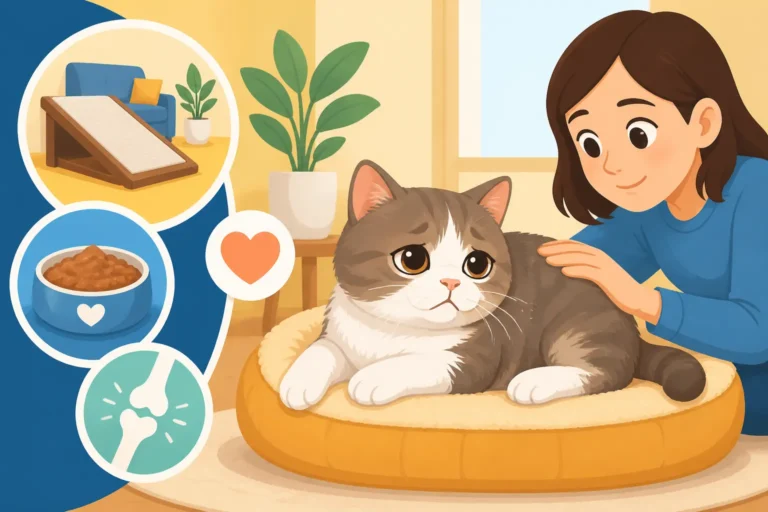
The litter box is just one piece of the puzzle when it comes to creating a truly accessible and comfortable home for a Munchkin cat. Their short legs impact their interaction with their entire environment, and proactive adaptations are crucial for their long-term health and happiness.
Ramps, Steps, and Accessible Furniture
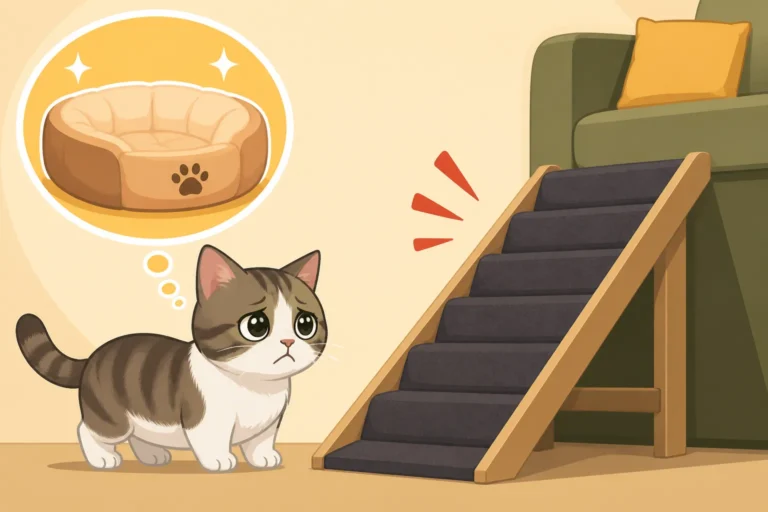
A Munchkin's inability to jump high means that much of your home, designed for normal-legged cats or humans, can become inaccessible. This includes not only litter boxes but also beds, sofas, windowsills, and even some cat trees. To ensure your Munchkin can reach their favorite spots and avoid unnecessary strain, ramps and steps are not luxuries; they are essential equipment. Think of them as extensions of your cat's legs, providing a gentle incline or manageable steps to elevate them safely.
You'll want to place ramps leading up to sofas and beds so they can join you comfortably without struggling. Consider low, multi-tiered cat trees or individual steps that allow them to ascend to a sunny windowsill safely. Even a sturdy stool can serve as a helpful intermediate step. Retailers like Chewy and Amazon offer a wide variety of pet ramps and steps designed for small animals or those with mobility issues, making it easy to find suitable options. Remember, the goal is to eliminate any situation where your Munchkin feels compelled to make a risky jump or strain their body. Creating these accessible pathways helps preserve their joints and spine and allows them to fully enjoy their home. Ramps and Steps Are Munchkin Equipment, Not Luxuries is a principle you'll live by!
Regular Grooming and Cleanliness Protocol
Given the unique hygiene challenges a Munchkin faces, especially with their low stance and potential for belly/hindquarter soiling, a consistent and diligent grooming routine is non-negotiable. Even with the perfect low-entry litter box, some degree of litter tracking or occasional contact with waste can occur, particularly if your Munchkin has longer fur. Their inability to reach certain areas of their body for self-grooming means you'll need to step in and help.
Regular brushing, especially of their hindquarters and belly, is crucial to prevent mats, which can quickly become a painful problem. For longhaired Munchkins, you might even consider regular sanitary clips, where the fur around their rear is trimmed short to minimize soiling and simplify cleaning. Pay close attention to their paws and between their toes, as litter can easily get stuck there. After they use the litter box, a quick check of their rear and belly can prevent issues from escalating. You can use gentle pet wipes if necessary, but always ensure they are cat-safe and unscented. This attentive care helps prevent skin irritation, infections, and discomfort, keeping your Munchkin feeling fresh and clean. Grooming the Half of a Munchkin It Cannot Reach is one of your key responsibilities as a Munchkin owner.
Disclaimer
This article is for general informational purposes only and does not constitute professional advice. Laws, prices and regulations vary by location and change over time. Consult a qualified professional for guidance on your specific situation.