Why a Munchkin’s Hindquarters Mat First
One of the most common frustrations for Munchkin cat owners, especially those new to the breed, is discovering stubborn mats in their beloved feline's hindquarters. It seems like no matter how much you groom, those tricky tangles just keep reappearing in the same areas. This isn't a coincidence or a sign of poor ownership; it's a direct consequence of the Munchkin's unique anatomy and lifestyle. This guide will delve into the specific reasons why these adorable short-legged cats are prone to matting around their rear and, more importantly, equip you with proactive strategies to keep their fur healthy and tangle-free.
The Unique Anatomy: Why the Hindquarters Are Ground Zero
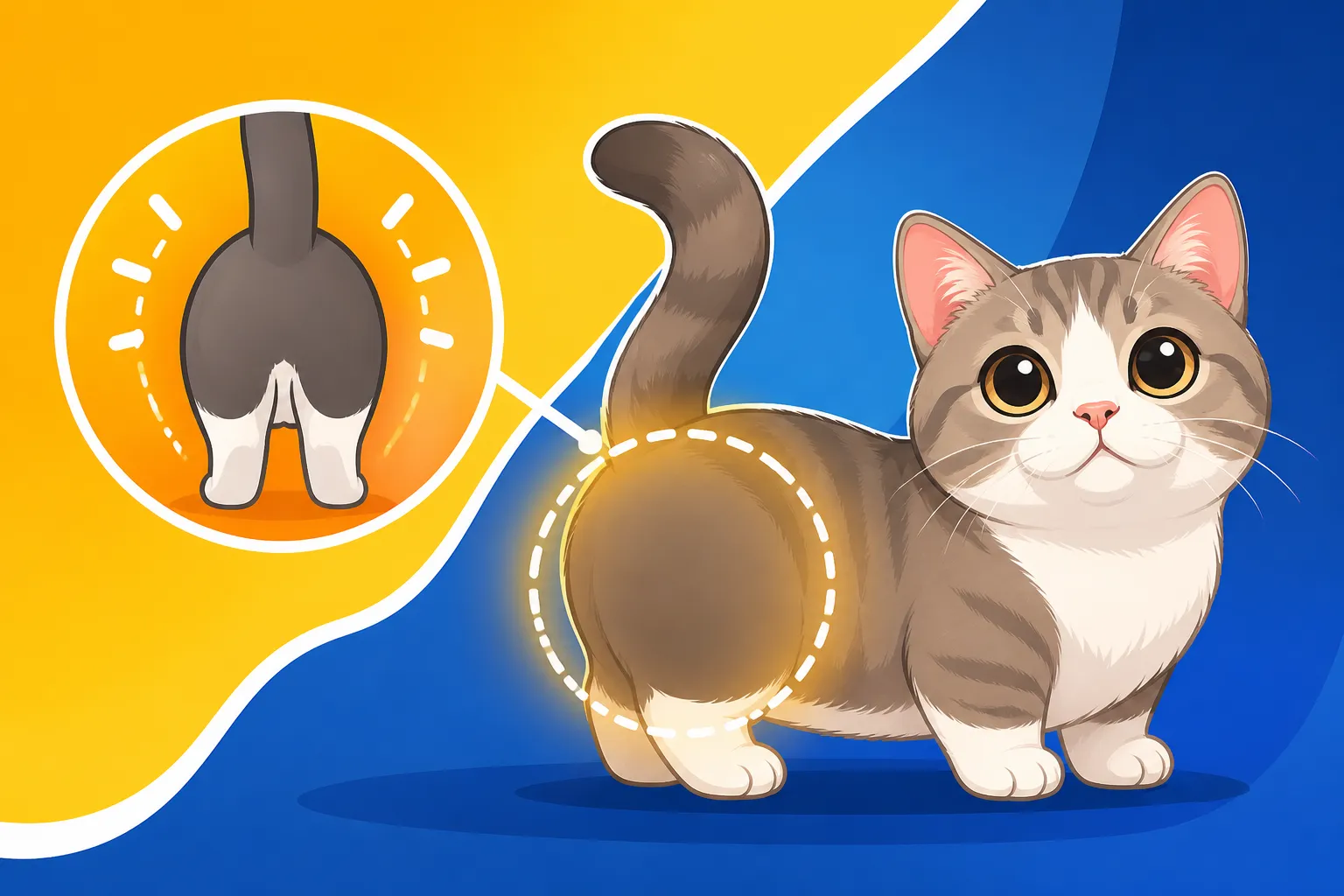
It's undeniable that a Munchkin's short legs are their defining characteristic, giving them that captivating, low-to-the-ground appearance. While incredibly endearing, this unique physical trait has significant implications for their daily life and, critically, for their grooming needs. Their hindquarters, in particular, bear the brunt of this anatomical difference, making them prime territory for mat formation.
Short Legs Mean Constant Contact
This isn't just about looking cute; those adorable short legs bring their whole body, especially the underside and hindquarters, much closer to the ground than a typical cat. Imagine a standard cat walking through a dusty room – their belly and rear are relatively clear of the floor. Now picture a Munchkin. Their fur acts like a tiny mop, picking up everything. This constant friction and direct contact with surfaces – from carpets to bare floors, and especially the litter box – is the primary culprit. We're talking about dust, loose hair, tiny bits of litter, food crumbs, and anything else lurking at floor level. These particles get trapped in the fur, creating friction points that are the starting gun for mats.
Think about how your Munchkin navigates around the house. They can't just step over things with ease like a long-legged cat; they often have to scoot around or even drag themselves slightly over low obstacles. Each movement contributes to the mechanical stress on the fur in their hindquarters. It's not necessarily a sign of pain or struggle, but rather a simple consequence of their unique physical design. The shorter the legs, the more pronounced this effect becomes. This low-slung body means that the fur on their rear is almost continuously experiencing some form of contact or pressure, making it ripe for tangles.
This anatomical reality often surprises new Munchkin owners who might not fully grasp the implications of those short legs beyond their charming appearance. It fundamentally changes how the cat interacts with its environment and, consequently, its grooming needs. The very thing that makes them distinctive is also the root cause of one of their most persistent care challenges.
The Gait and Movement Factor
A Munchkin's walk is often described as unique, sometimes even ferret-like, due to their short limbs. They don't have the same high-stepping stride as other cats. Instead, their movement is a lower, more scuttling motion. This means that their hindquarters, particularly the upper thighs and around the tail, experience a different kind of movement and friction. As they walk and run, this area of fur can rub against itself and against surfaces more frequently and intensely than on a cat with longer legs. This constant rubbing can accelerate the matting process, especially if the fur is already accumulating debris.
Consider the sheer mechanics: a standard cat has a greater range of motion and clearance. A Munchkin's hind legs are still perfectly functional, allowing them to run surprisingly fast and turn on a dime, but the overall effect is closer to the ground. When they pivot, play, or even just trot across the room, the fur around their backend is engaged in a way that encourages tangles. It's less about them being clumsy and more about the physics of their short stature. Why a Munchkin's Gait Looks Different
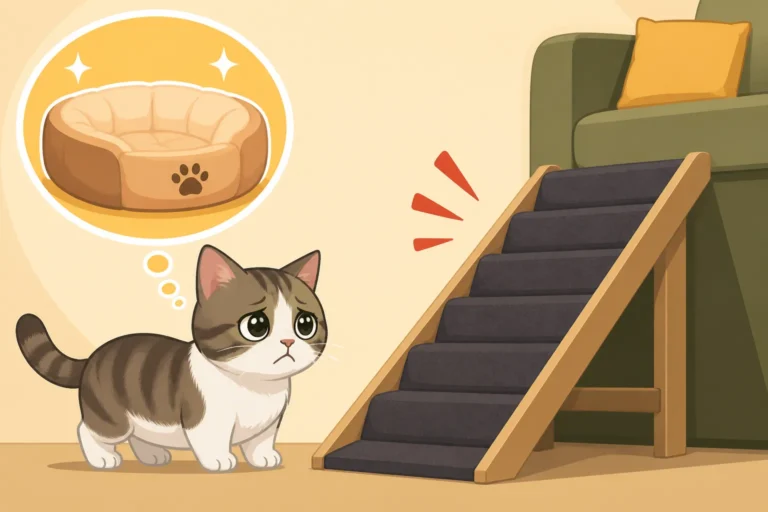
Furthermore, while Munchkins can certainly jump, they don't have the same vertical leap as other cats, and they prefer to stay at lower levels. This means they're constantly navigating horizontal spaces rather than ascending to heights, reinforcing the continuous contact between their hindquarters and the floor. This lifestyle choice, imposed by their physical structure, directly translates to more opportunities for their fur to collect foreign objects and knot up.
Self-Grooming: A Munchkin's Reach Limitations
Cats are renowned for their fastidious nature, spending a significant portion of their waking hours meticulously grooming themselves. They twist, stretch, and contort into impressive positions to keep every inch of their coat pristine. However, for a Munchkin, their unique build presents an almost insurmountable challenge when it comes to effectively reaching and cleaning their own hindquarters.
The Unreachable Spots
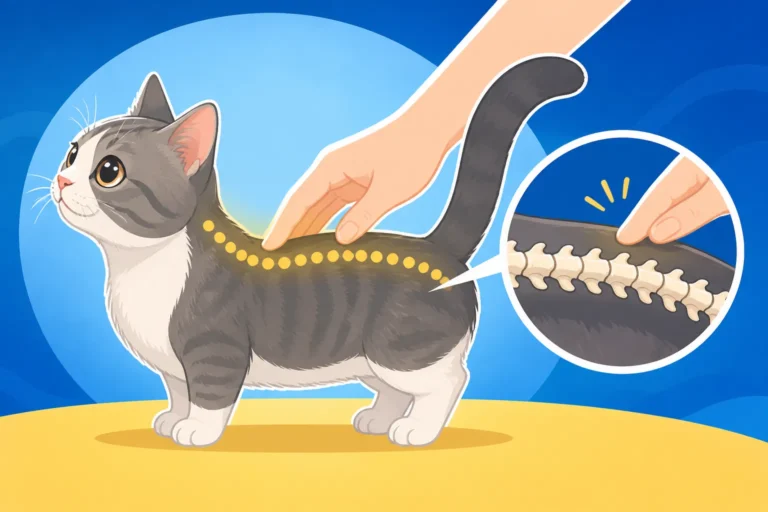
Cats are fastidious creatures, known for their meticulous self-grooming. They can contort themselves into impressive positions to keep their coats pristine. However, for a Munchkin, the physics of their short legs and normal-length spine create real limitations. They simply cannot reach all the critical areas of their hindquarters with their tongue. The base of the tail, the inner thighs, and the area directly beneath the tail often become blind spots in their grooming routine. It's not for lack of trying; their bodies just aren't designed to bend and twist in the necessary ways to access these low, recessed regions.
Imagine trying to scratch your own lower back if your arms were significantly shorter. It would be incredibly frustrating and ultimately impossible to do a thorough job. That's essentially what your Munchkin faces every day. These unreachable spots are precisely where mats tend to form first because they accumulate loose hair, dander, and external debris without the regular cleansing and detangling action of the cat's tongue. The problem compounds over time; a small tangle in an unreachable spot quickly becomes a dense mat. Which Parts of Itself a Munchkin Cannot Reach
This inability to self-groom effectively in key areas means that as owners, we have a significant responsibility to step in and provide that missing link in their hygiene routine. Relying solely on your Munchkin to keep themselves clean is a recipe for serious matting, discomfort, and potential skin issues. It's a fundamental aspect of owning this breed that requires proactive intervention.
Accumulation and Aggravation
When a Munchkin's grooming efforts fall short, a cycle of accumulation begins. Loose fur that would normally be licked away during grooming remains trapped in the coat. This dead fur, combined with skin oils, environmental dust, and any residual litter or fecal matter, forms the perfect breeding ground for mats. Each time the cat sits, walks, or lies down, these accumulated particles are further pressed into the fur, tightening existing tangles and creating new ones. The hindquarters, being so close to the ground, are exposed to more of these mat-forming elements.
The texture of the fur itself also plays a role. If a Munchkin has particularly fine or soft fur, it can be even more prone to tangling and matting than a coarser coat. As the fur starts to mat, it pulls on the skin, causing discomfort and making the cat even less inclined to try and groom the area, thus accelerating the problem. What starts as a small knot can rapidly grow into a large, painful mat that covers a significant portion of their hindquarters.
This isn't just an aesthetic problem; mats can lead to serious health issues. They can hide skin infections, parasites, or even wounds. The constant pulling on the skin is painful, restricting movement and impacting the cat's overall quality of life. Owners might notice changes in their cat's behavior, such as reluctance to be touched in certain areas or decreased activity, which could be indicators of underlying matting.
Environmental Contributions: The World at Ankle Height
Your Munchkin's environment, particularly the cleanliness and setup of their immediate surroundings, plays a crucial role in the health of their hindquarter fur. Because they live life so close to the ground, what might be minor considerations for a standard cat become significant factors for a Munchkin when it comes to matting.
Litter Box Challenges and Contact
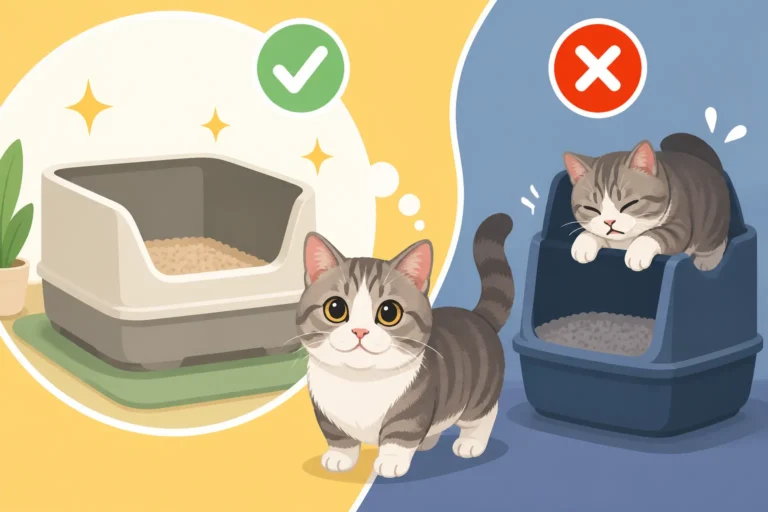
For a Munchkin, the litter box can be a bit of a tricky affair, even with specially designed low-entry boxes. Because their bellies and hindquarters sit so low, they are inherently more likely to make contact with the litter itself, both when entering, using, and exiting the box. Imagine a cat with normal legs stepping daintily over the edge; now picture a Munchkin having to practically waddle or slide into the box. This increases the chances of litter particles adhering to their belly fur, their inner thighs, and especially the fur around their bum. Which Litter Box a Munchkin Can Actually Enter
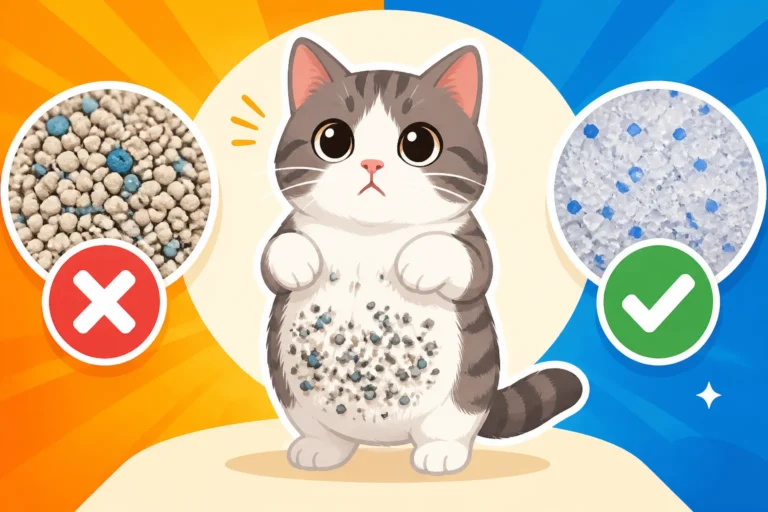
The type of litter you use can significantly impact this. Clumping litters, while great for odor control, can become particularly problematic if they stick to damp fur. Fine-grained litters might also cling more readily than larger pellets. When these litter particles get trapped in the fur of the hindquarters, they combine with natural oils and any moisture, creating a gritty, abrasive material that quickly leads to tangles and mats. It's a common frustration for Munchkin owners to find small clumps of litter embedded in their cat's rear fur. Why a Munchkin Carries Litter on Its Underside
To mitigate this, regular litter box cleaning is paramount. A consistently soiled box means more opportunities for their hindquarters to come into contact with wet or dirty litter. We're talking scooping multiple times a day, not just once. Some owners even find it helpful to strategically place litter mats just outside the box to help dislodge some of the clinging particles before the cat tracks them further into the house or, worse, into their fur.
Floor-Level Life: More Than Just Play
Munchkins are known for their love of playing and exploring at floor level. While this makes them incredibly endearing, it also means their hindquarters are constantly exposed to whatever accumulates on your floors. Dust bunnies, shed human hair, dropped food bits, and general household grime that a taller cat might simply step over become potential hitchhikers on your Munchkin's lower fur. This isn't just about "dirty" floors; even in the cleanest homes, microscopic debris is present.
Think of the common areas your Munchkin frequents: under beds, behind sofas, around kitchen cabinets. These are often zones where dust and pet hair gather. As your Munchkin explores these nooks and crannies, their low-slung body acts like a magnet, collecting all this debris directly onto their fur. The hindquarters, being a larger surface area at the lowest point of their body when moving, are particularly susceptible.
Regular vacuuming and cleaning routines become even more critical when you share your home with a Munchkin. What might be an acceptable level of dust for a standard cat can be a matting hazard for a Munchkin. You might even consider robotic vacuums that can navigate under furniture to tackle those hard-to-reach areas where your Munchkin loves to roam, reducing the overall load of environmental debris on their coat.
Coat Types, Weight, and Breed-Specific Traits
While the core anatomical and environmental factors apply to all Munchkins, certain characteristics like coat length and body condition can significantly amplify or diminish the risk of hindquarter matting. Understanding these nuances helps you tailor your care routine even further.
Longhair vs. Shorthair Vulnerability
It's probably no surprise that longhaired Munchkins are significantly more prone to matting in their hindquarters than their shorthaired counterparts. The longer, finer strands of fur simply offer more surface area to tangle and collect debris. For a longhaired Munchkin, diligent daily grooming is not just a suggestion; it's an absolute necessity. Their flowing locks, particularly around the "britches" area and tail, can quickly form dense, painful mats if neglected for even a day or two. The sheer volume of fur means that once a mat starts, it can grow exponentially.
However, don't let the shorter coat fool you into complacency with a shorthaired Munchkin! While less dramatic, they are by no means immune to matting in their hindquarters. The same principles of low-slung anatomy, self-grooming challenges, and environmental contact still apply. Shorthairs can develop smaller, tighter mats, especially around the tail base and under the belly, that can be just as painful and difficult to remove as larger mats on a longhair. The mats might be less visible, hiding closer to the skin, which can make them harder to detect until they become more severe.
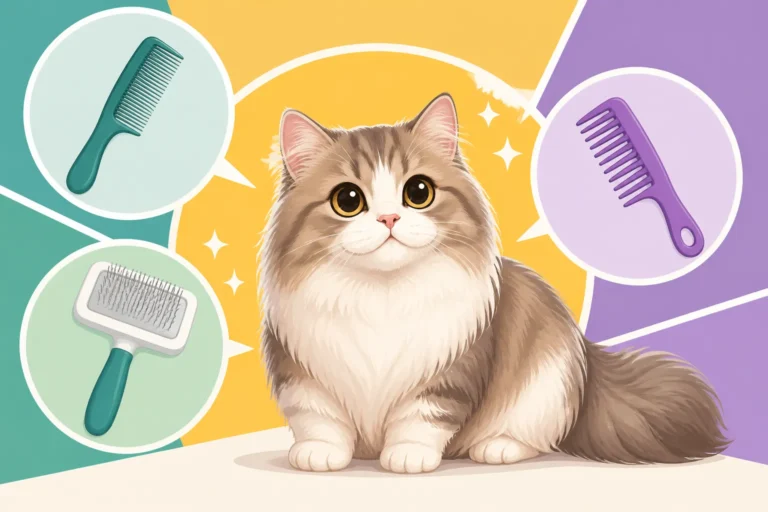
Therefore, regardless of coat length, the hindquarters of any Munchkin require special attention. The difference lies in the frequency and intensity of the grooming required. A longhaired Munchkin might need daily brushing, while a shorthair might do well with a thorough brushing a few times a week, but consistent vigilance is key for both. How Often a Longhaired Munchkin's Back Half Needs Brushing
The Added Burden of Extra Weight
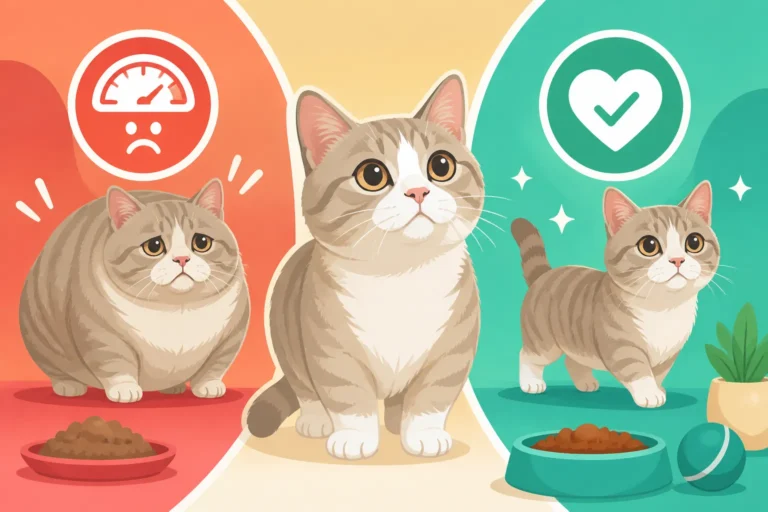
Weight management is crucial for all cats, but for a Munchkin, it takes on an even greater significance, particularly concerning matting. An overweight Munchkin faces exacerbated challenges in self-grooming. Their already limited flexibility becomes even more restricted by extra padding, making it almost impossible for them to twist and reach their hindquarters effectively. The folds of skin and fat can also create pockets where moisture and debris can accumulate, further encouraging mat formation and potentially leading to skin irritation or infections.
Beyond grooming, extra weight places undue stress on a Munchkin's unique spine and joints. Why Weight Is More Dangerous on a Munchkin The added pounds literally press their body even closer to the ground, increasing the contact their hindquarters have with surfaces and magnifying the matting problem. It's a vicious cycle: excess weight leads to poorer grooming, which leads to mats, which then restricts movement further, making it harder to exercise and lose weight. Maintaining a lean body condition is not just about general health; it's a direct intervention against matting.
Owners must be diligent about portion control and choosing a diet that supports a healthy weight. Regularly checking your Munchkin's body condition score and weighing them can help prevent issues before they escalate. A lean, healthy Munchkin will have a much easier time navigating their environment and attempting to self-groom, even with their inherent limitations, compared to one carrying extra pounds.
Proactive Solutions: Keeping Those Hindquarters Pristine
Understanding why your Munchkin's hindquarters mat is the first step; the next is implementing effective, proactive solutions. It requires a combination of diligent grooming, smart environmental management, and attentive overall care. Consistency is truly your best friend here.
Daily Brushing and Strategic Trimming
The most effective defense against matting in a Munchkin's hindquarters is a consistent and thorough grooming routine. For longhaired Munchkins, this means daily brushing, no exceptions. For shorthairs, a few times a week should suffice, but don't skimp on the time. Invest in a good quality slicker brush and a metal comb. The slicker brush helps remove loose undercoat, while the comb allows you to detect small tangles close to the skin before they become full-blown mats. Pay extra attention to the "britches" area, the underside of the tail, and the inner thighs, using short, gentle strokes.
Beyond regular brushing, many Munchkins benefit from a sanitary trim, especially longhaired ones. This involves carefully trimming the fur around their anus and inner thighs to keep the area clean and reduce the chance of fecal matter or litter getting trapped. This can be done at home with a quiet, pet-friendly trimmer (like those found on Amazon or Chewy) or by a professional groomer. If you're doing it yourself, always use blunt-nosed scissors or clippers designed for pets to prevent accidental nicks, and ensure your cat is calm and relaxed. Whether a Munchkin Needs a Sanitary Clip
The key is consistency. A few minutes of grooming each day or every other day is far more effective and less stressful for both you and your cat than trying to tackle a severe mat once it has formed. Make it a positive experience with treats and praise, so your Munchkin associates grooming with comfort and affection.
Smart Litter Box Management
Given the direct link between the litter box and hindquarter matting, optimizing your Munchkin's litter environment is paramount. First, consider the litter itself. Many owners find that low-dust, larger pellet litters (like wood or paper pellets, or larger clay granules) tend to cling less to fur than very fine, clumping litters. Experiment to see what works best for your cat and minimizes tracking. Brands available on Chewy or Amazon often offer a variety of options specifically designed for low-tracking or long-haired cats. Which Litter Sticks to a Munchkin's Belly
Secondly, scooping frequency cannot be stressed enough. Aim to scoop at least twice a day, if not more, to ensure a clean surface. A pristine litter box means less opportunity for anything to stick to your Munchkin's low-slung body. Thirdly, placing a sturdy, textured litter mat directly outside the low-entry box can work wonders. These mats are designed to gently dislodge litter particles from paws and fur as your cat exits, reducing the amount that gets carried away and potentially tangled in their hindquarters.
Finally, don't hesitate to gently wipe your Munchkin's hindquarters with a pet-safe, unscented wipe after they use the litter box, especially if they have just done a number two. This might sound like a lot, but it’s a quick preventative step that can save you a lot of trouble down the line and keep their fur clean and tangle-free.
Dietary Support and Weight Control
What goes into your Munchkin's body can significantly impact the health of their coat, and indirectly, their susceptibility to matting. A diet rich in essential fatty acids (like Omega-3 and Omega-6) found in quality cat foods or supplements can contribute to a healthier, shinier coat that is naturally more resistant to tangles. Look for foods specifically formulated for skin and coat health.
Beyond specific ingredients, maintaining an ideal body weight is arguably the most critical dietary aspect for preventing matting. We've already discussed how extra weight severely hampers a Munchkin's ability to self-groom and increases ground contact. Work with your vet to determine your Munchkin's ideal weight and feed them accordingly. Measure out meals precisely rather than free-feeding, and be mindful of treats, ensuring they fit within their daily caloric intake. Why Weight Control Is the Whole Munchkin Care Plan
Think of it as a holistic approach. A well-nourished, lean Munchkin will have healthier skin, a stronger coat, and greater agility for the limited self-grooming they can perform. This combination dramatically reduces the risk of those frustrating, painful mats forming in their vulnerable hindquarters.
Comparing Grooming Needs: Shorthair vs. Longhair Munchkins
While all Munchkins require attention to their hindquarters, the intensity and frequency of grooming differ based on their coat length. This table provides a quick reference to help you understand the varying demands.
| Feature | Shorthaired Munchkin Grooming | Longhaired Munchkin Grooming |
|---|---|---|
| Brushing Frequency | 2-3 times per week, focusing on hindquarters | Daily, thorough brushing, especially hindquarters and "britches" |
| Tools Needed | Fine-toothed comb, rubber curry brush | Slicker brush, metal comb (fine and wide teeth) |
| Matting Risk | Moderate; mats can be small, tight, and close to the skin | High; mats can be large, dense, and quickly form |
| Sanitary Trims | Often beneficial, especially for fluffy shorthairs | Highly recommended, often essential |
| Bathing Frequency | Generally only as needed for dirt/mats | May require more frequent spot cleaning or occasional bathing |
| Professional Groomer | Consult for severe mats or hygiene clips if uncomfortable doing at home | Regular professional hygiene clips often advised |
This table provides a quick reference but remember, individual cats will vary. Always observe your Munchkin's specific needs.
Disclaimer
This article is for general informational purposes only and does not constitute professional advice. Laws, prices and regulations vary by location and change over time. Consult a qualified professional for guidance on your specific situation.