Which Comb Suits a Longhaired Munchkin
Owning a beautiful longhaired Munchkin cat brings so much joy, but let's be honest, it also brings a unique set of grooming challenges. Their adorable short legs, while endearing, mean they can't always reach all the spots a regular cat can, leading to tangles and mats that can quickly get out of hand. If you've ever wrestled a fluffy Munchkin, trying to detangle a knot under their armpit or near their hindquarters, you know the struggle is real! This comprehensive guide is here to walk you through choosing the absolute best combs for your longhaired Munchkin, making grooming a more manageable, and dare I say, even enjoyable experience for both of you.
The Unique Grooming Demands of a Longhaired Munchkin
You might think a cat is a cat when it comes to grooming, but a longhaired Munchkin? Oh no, they're in a league of their own. Their gorgeous flowing coats are prone to tangles and mats, just like any longhaired breed, but their distinctive short legs add a layer of complexity to their self-grooming habits.
Why Short Legs Mean More Grooming for You
Imagine trying to scratch an itch on your lower back when your arms are suddenly much shorter. That's essentially what a Munchkin experiences every single day. Because their legs are proportionally shorter than a typical cat's, they simply cannot reach certain areas of their body. Their hindquarters, their lower back, their belly, and especially the areas around their armpits and inner thighs become prime real estate for knots and mats. They can try all they want, contorting themselves in funny ways (and who hasn't seen a Munchkin attempting to clean a spot it just can't quite get?), but physics is a cruel mistress.
This inability to adequately self-groom means that the responsibility falls squarely on us, their loving human companions. It's not just about aesthetics either; those mats can quickly become a serious health issue. They pull on the skin, causing pain and irritation. They can hide parasites, trap moisture leading to skin infections, and severely restrict movement. Trust me, a matted Munchkin is a very unhappy Munchkin, and preventing this is a cornerstone of responsible ownership. You can learn more about Why a Munchkin Cannot Reach to Groom and Whether Matting Becomes a Health Problem in a Munchkin.
The Longhaired Coat: A Magnet for Tangles
Longhaired cats, regardless of leg length, naturally have coats that are more susceptible to tangles and matting than their shorthaired counterparts. The fine, silky strands can easily intertwine, especially after rolling around, playing, or even just sleeping. Environmental factors, like dust, loose hair, or even a bit of litter clinging to their longer belly fur, can all contribute to knot formation.
When you combine this natural predisposition with a Munchkin's physical limitations, you've got a recipe for grooming challenges. Without regular intervention, that beautiful flowing coat can quickly become a dense, felted mess, particularly in those hard-to-reach zones. The goal of grooming is not just to maintain their appearance, but to ensure their comfort, health, and overall quality of life. Understanding these unique needs is the first step in selecting the right tools and establishing an effective grooming routine. We delve deeper into Why a Munchkin's Hindquarters Mat First and How Skin Problems Start Under a Munchkin's Mats.
Understanding Different Comb Types for Longhaired Cats
Before we dive into specific recommendations for your Munchkin, let's explore the different types of combs and brushes generally available for longhaired cats. Each has its own strengths and weaknesses, and knowing these will help you make an informed choice.
Slicker Brushes: The Everyday Workhorse
Slicker brushes are probably one of the most common tools you'll see in a cat owner's grooming kit, and for good reason. They feature a flat or curved head covered in fine, short wires bent at an angle. These wires are excellent at grabbing loose fur, detangling surface knots, and generally smoothing out the coat. They're fantastic for removing shedding hair, which is crucial for preventing mats in the first place.
For longhaired Munchkins, a slicker brush can be an invaluable daily tool. It helps keep the topcoat tidy and prevents the initial formation of tangles. However, be gentle, especially around sensitive areas. The wire bristles can be a bit harsh if too much pressure is applied, or if they snag a hidden knot. They're great for general maintenance but might not be the best for deep-seated mats. Look for one with coated tips if your Munchkin has particularly delicate skin.
Metal Combs: The Detangling Specialist
Metal combs are your secret weapon against deeper tangles and emerging mats. These combs come in various tooth spacing – wide-toothed for initial detangling, and finer-toothed for finishing and removing smaller knots. They are indispensable for longhaired cats because they can really get down to the root of the fur, separating strands and working out snarls.
For a longhaired Munchkin, a good quality metal comb with both wide and fine teeth is a must-have. You'll start with the wider teeth to gently tease apart larger tangles, then move to the finer teeth for a smoother finish. The solid construction of metal combs makes them durable and effective. Always be patient and gentle when using a metal comb, especially on sensitive skin or already tangled areas. Never yank; always work slowly from the ends of the fur towards the skin, holding the base of the fur to minimize pulling on the skin. You can often find excellent two-in-one metal combs from retailers like Chewy or Amazon.
Dematting Tools: For When Things Get Serious
Sometimes, despite our best efforts, a mat forms that a regular comb or slicker brush just can't handle. This is where dematting tools come into play. These tools typically have sharp, inwardly curved blades designed to slice through mats rather than pull them out. They look a bit intimidating, but when used correctly, they can save your cat a painful trip to the groomer for shaving.
Dematting tools are not for everyday use. They should be reserved for those stubborn, tight mats that have already formed. For a longhaired Munchkin, you might find these particularly useful around the armpits or the "pants" area where mats tend to congregate. Always exercise extreme caution when using a dematting tool. Read the instructions carefully, use it only on dry fur, and ensure you're pulling away from the skin to avoid cuts. If a mat is too close to the skin or too extensive, it's always safer to consult a professional groomer or your vet.
Rubber Brushes/Grooming Mitts: The Gentle Massagers
Rubber brushes, sometimes called curry brushes or grooming mitts, are softer options that are wonderful for removing loose fur, stimulating circulation, and giving your cat a pleasant massage. They're not designed for deep detangling or mat removal but are fantastic for daily loose fur collection and bonding.
For longhaired Munchkins, a rubber brush or mitt can be a great starting point, especially if your cat is new to grooming or sensitive. They help distribute natural oils, making the coat shinier, and many cats absolutely love the sensation. While they won't tackle serious tangles, they're perfect for maintaining a healthy, shiny topcoat and can be very useful for collecting the immense amount of shedding fur that often accompanies a longhaired breed. Plus, it's a very forgiving tool, so you don't have to worry about accidentally hurting your cat.
Choosing the Best Comb for Your Longhaired Munchkin
Now that we know the types, let's get specific. Picking the best comb isn't a one-size-fits-all situation; it depends on your Munchkin's specific coat texture, their tolerance for grooming, and the specific issues you're trying to address.
Prioritizing a Double-Sided Metal Comb
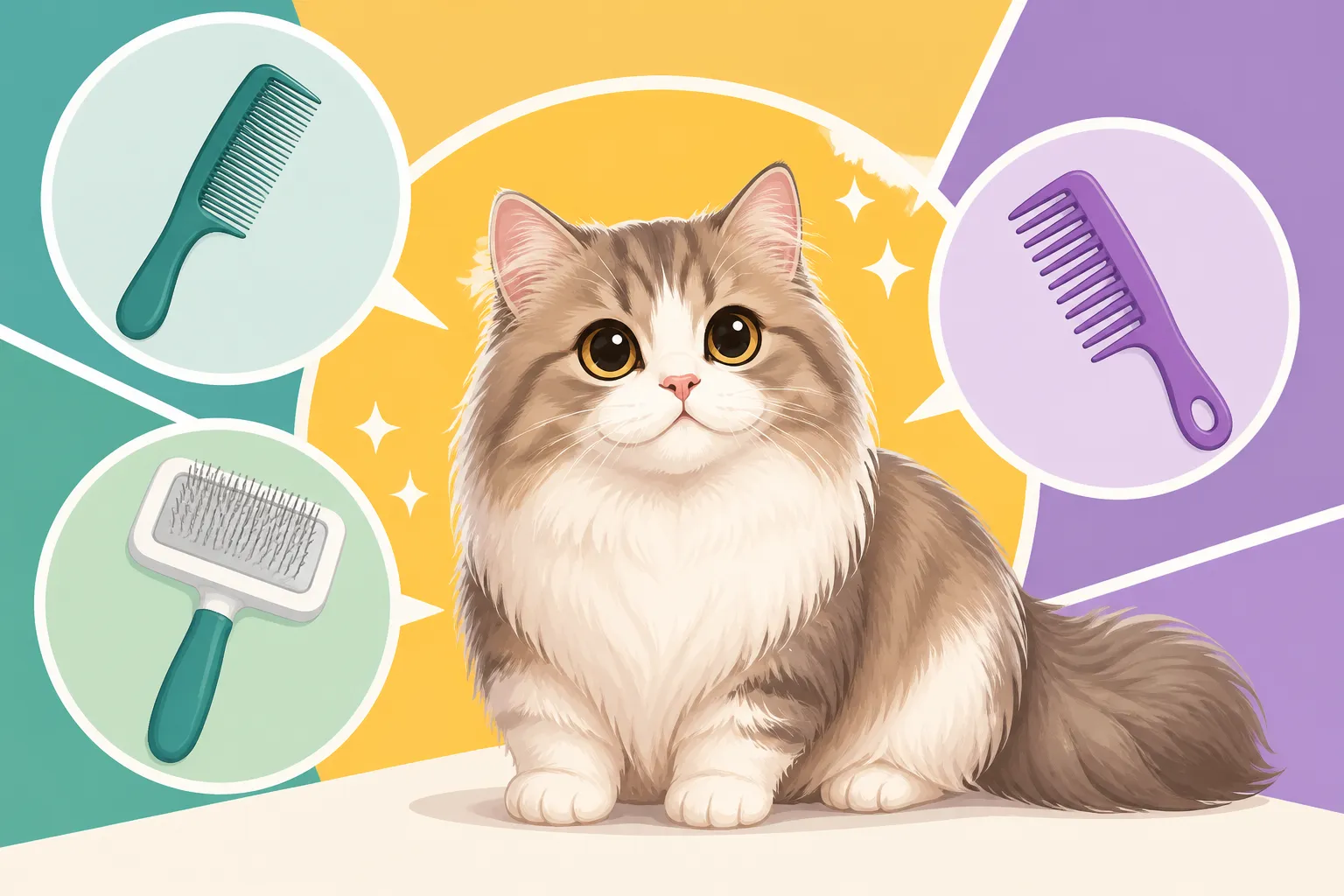
If you only buy one grooming tool for your longhaired Munchkin, make it a sturdy, double-sided metal comb. This is truly the hero of the longhaired cat grooming arsenal. One side will have wider teeth, perfect for those initial passes through the fur, gently loosening superficial tangles and checking for hidden knots. The other side will feature finer, more closely spaced teeth, ideal for smoothing the coat, catching smaller loose hairs, and tackling those more delicate areas like behind the ears or on their ruff.
The metal construction means it won't generate static electricity as much as plastic, which can make a longhaired cat's fur fly everywhere and even attract more dirt. It also allows for a more thorough, deep comb through their dense undercoat, which is where many mats begin. Remember to be methodical: start with the wide-toothed side, work in small sections, and always comb with the direction of hair growth. This approach helps you address any emerging issues before they become full-blown problems. You can find these versatile combs on popular online pet stores like Chewy.
Considering a Fine-Toothed Flea Comb
While primarily designed for identifying and removing fleas and flea dirt, a fine-toothed flea comb can be surprisingly useful for a longhaired Munchkin, especially for detailed work. Its super-fine teeth are excellent for catching tiny knots or even just loose hair that a wider comb might miss.
For your longhaired Munchkin, a flea comb is fantastic for tidying up delicate areas like the face, around the eyes, and even carefully around the sanitary area if you're doing a quick spot check. It can also be very effective for detecting small mats when they are just starting to form, allowing you to intervene early. Just be incredibly gentle, as the fine teeth can pull if they catch a significant tangle. It's a great complementary tool to your primary metal comb.
The Debate on Undercoat Rakes
Undercoat rakes are tools with long, widely spaced teeth, often designed to penetrate deep into a double coat to remove loose undercoat without cutting the guard hairs. For some longhaired breeds, they are invaluable. However, for Munchkins, you need to be cautious.
While a longhaired Munchkin does have a dense undercoat, the specific architecture of their spine and the way their short legs affect their posture mean that pressure on their back should be applied judiciously. An undercoat rake, if used too aggressively or incorrectly, could cause discomfort. If you choose to use one, select a rake with rounded teeth to prevent scratching the skin and use it with very light pressure, focusing on areas with dense undercoat that your main comb isn't reaching effectively. Always observe your cat's reaction and stop if they show any signs of discomfort. It's often safer to rely on your double-sided metal comb and a slicker brush for most undercoat management in a Munchkin.
Here's a quick comparison of comb types for your longhaired Munchkin:
| Comb Type | Best For | Pros | Cons | Munchkin-Specific Notes |
|---|---|---|---|---|
| Double-Sided Metal Comb | All-purpose detangling, knot removal, smoothing | Versatile, durable, static-reducing, gets deep | Can pull if not used gently, requires patience | ESSENTIAL for reaching hindquarters, belly, and other difficult areas where mats form. |
| Slicker Brush | Removing loose fur, surface detangling | Great for daily maintenance, coat smoothing | Wire bristles can be harsh if too much pressure, surface-level only | Good for daily topcoat maintenance, less effective for deep Munchkin mats. |
| Fine-Toothed Flea Comb | Small knots, face, sanitary areas, parasite checks | Catches tiny particles, precise for delicate areas | Can pull easily on larger tangles | Excellent for detailed work around face, ears, and inspecting sensitive regions a Munchkin can't reach. |
| Dematting Tool | Cutting through stubborn mats | Effectively breaks down dense mats | Sharp blades, high risk of injury if misused, not for daily use | Use with extreme caution on deep mats in unreachable areas. Consult vet/groomer if unsure. |
| Rubber Brush / Mitt | Loose fur removal, massage, bonding | Gentle, enjoyable for cat, good for circulation | No detangling power, only removes surface fur | Good for initial bonding and daily loose fur, especially for sensitive Munchkins. |
Essential Grooming Techniques for Longhaired Munchkins
Having the right tools is only half the battle; knowing how to use them effectively, especially with a Munchkin's unique physique, is crucial.
Establishing a Routine and Positive Association
Consistency is key, especially with a longhaired breed. Aim for short, regular grooming sessions, ideally daily or every other day, to prevent mats from forming. This is particularly important for your Munchkin, as How Often a Longhaired Munchkin's Back Half Needs Brushing is often more frequent than for other cats. Start grooming your Munchkin kitten early to get them accustomed to the process. Make it a positive experience with treats, praise, and gentle handling. Choose a quiet time when your cat is relaxed, perhaps after a nap or a meal.
Begin by gently stroking your cat, then introduce the comb for very short periods. Don't try to tackle everything at once. Focus on one small area, reward them, and end the session before they get agitated. Over time, you can gradually increase the duration and coverage. This positive reinforcement will make grooming a much less stressful event for both of you.
Sectional Grooming: The Art of the Divide and Conquer
Because Munchkins can't reach certain areas, and those areas are often dense with fur, a sectional approach is highly effective. Instead of trying to comb your entire cat at once, divide their body into manageable zones.
- Start with accessible areas: Begin with the back, sides, and chest – areas where your Munchkin is likely more tolerant and where the fur might be less tangled. This builds confidence.
- Move to the hindquarters: This is often where longhaired Munchkins get the most matted. Gently lift their tail and work through the fur around their "pants" and under their tail. This is also where Grooming the Half of a Munchkin It Cannot Reach really comes into play.
- Tackle the belly and armpits: These are tricky! Carefully roll your Munchkin onto their back (if they tolerate it) or gently support them on their side. These spots are highly prone to matting because they rub against surfaces, and your cat simply cannot reach them. Use a comb with rounded teeth and be extremely gentle. How to Reach Under a Munchkin's Legs is a vital skill.
- Finish with the head and delicate areas: Use your fine-toothed comb here. Be very careful around the eyes, ears, and whiskers.
Always work slowly, combing small sections at a time. If you hit a snag, don't yank! Gently tease it apart with your fingers first, then use the wide-toothed side of your metal comb.
The Gentle Approach to Detangling Mats
Finding a mat is inevitable with a longhaired Munchkin. The key is to address it as soon as possible, before it gets tighter and larger.
- Assess the mat: Is it small and loose, or large and tight against the skin?
- Isolate the mat: Gently separate the matted section from the surrounding fur to avoid pulling on healthy hair.
- Support the skin: Place your fingers between the mat and your cat's skin. This is crucial as it prevents pulling on the skin, which is painful.
- Work from the outside in: Using the wide-toothed side of your metal comb (or a detangling spray designed for cats, if you have one), gently pick at the very edge of the mat, working small sections loose. Think of it like trying to untangle a knot in string – you don't pull the whole thing, you pick at the edges.
- Patience, patience, patience: This is not a race. If your Munchkin gets fed up, take a break and come back to it later. A few short, gentle sessions are much better than one long, stressful one. If a mat is too tight or too painful, do not hesitate to contact a professional groomer or your vet. They have specialized tools and techniques to remove mats safely, sometimes under sedation if necessary. Getting a Mat Out of the Part a Munchkin Cannot Reach often requires this level of care.
Beyond the Comb: Additional Grooming Considerations
While the comb is central, a holistic approach to grooming your longhaired Munchkin involves a few other important practices to ensure their comfort and health.
The Importance of Regular Sanitary Trims
Because of their short stature and long fur, longhaired Munchkins can easily get litter, feces, or urine clinging to the fur around their hindquarters. This isn't just unpleasant; it's a hygiene and health issue that can lead to skin irritation, infections, and discomfort.
Regular sanitary trims, often called a "hygiene clip" or "butt trim," are essential. This involves carefully trimming the fur around their anus and genitals to keep the area clean and clear. You can do this at home with a small, quiet pair of pet clippers or blunt-nosed scissors, but if you're uncomfortable, a professional groomer can do it quickly and safely. It makes a huge difference in their cleanliness and can prevent mats from forming in this sensitive zone. Your Munchkin's Why a Munchkin's Belly Fur Needs Checking for cleanliness also applies to their rear.
Bathing a Longhaired Munchkin: When and How
Generally, cats are masters of self-cleaning, but for a longhaired Munchkin who struggles with their back half, baths might become a necessity, especially if they get particularly dirty or develop skin issues.
Bathing a cat is often a two-person job. Use a cat-specific shampoo (never human shampoo) and lukewarm water. Gently wet them, apply shampoo, and rinse thoroughly to ensure no residue is left behind, which can irritate the skin and attract dirt. Pay special attention to their belly and hindquarters. Towel dry them as much as possible, and if they tolerate it, you can use a pet-specific low-heat blow dryer from a distance. Ensure they are completely dry to prevent matting and chilling. For more detailed instructions, you might want to look into How to Bathe a Munchkin Without Straining Its Back.
Nail Trimming and Ear Cleaning
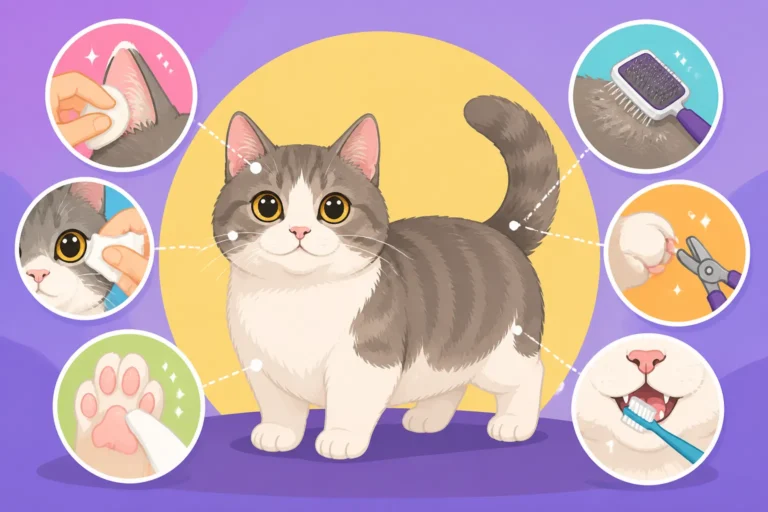
Don't forget the extremities! Regular nail trimming is important for all cats, and Munchkins are no exception. Their shorter legs might mean they don't wear down their claws as effectively as a high-jumping cat. Trim just the tip of the claw, avoiding the quick, which is the pink part containing blood vessels and nerves. If you're unsure, ask your vet or groomer to show you how.
Ear cleaning should only be done if necessary and with caution. Use a vet-approved ear cleaner and cotton balls (never cotton swabs, which can push debris deeper). Gently wipe the visible parts of the ear. If you notice any redness, foul odor, or excessive discharge, consult your vet, as this could indicate an infection. Keeping up with these small but significant grooming tasks will contribute greatly to your longhaired Munchkin's overall health and happiness.
Ultimately, grooming your longhaired Munchkin is a unique blend of love, patience, and the right tools. With consistent effort and the correct combs, you can keep their magnificent coat healthy, comfortable, and tangle-free, ensuring they can trot around happily, living their best short-legged life.
Disclaimer
This article is for general informational purposes only and does not constitute professional advice. Laws, prices and regulations vary by location and change over time. Consult a qualified professional for guidance on your specific situation.