Whether a Munchkin Kitten Should Use Stairs
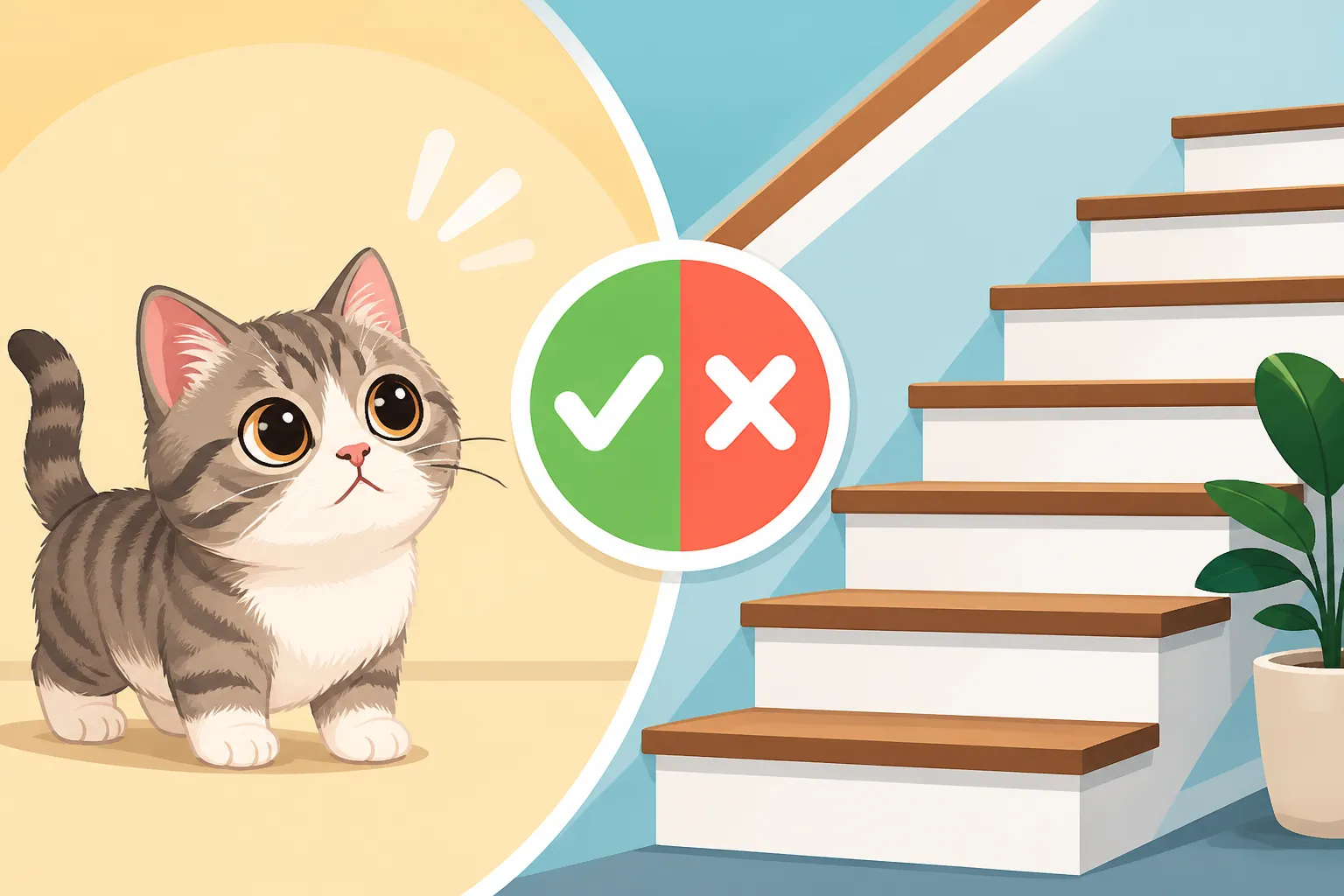
It's an age-old question for anyone bringing home a delightful Munchkin kitten: just how much trouble can these tiny-legged bundles of joy get into, and more importantly, what should we not let them do? One of the biggest worries often revolves around stairs. Many new owners wonder, quite rightly, whether their little Munchkin kitten should be allowed to use stairs, fearing for their unique anatomy. This guide aims to clear up those concerns, helping you understand the risks and how to create the safest, happiest home for your growing short-legged companion.
Understanding a Munchkin Kitten's Developing Physical Limitations
Bringing a Munchkin kitten home is an absolute joy, but it also comes with a unique set of considerations due to their distinctive short legs. Unlike other cats, their dwarfism means their limbs are disproportionately shorter, while their spine and body are typically of normal length. This isn't just a cute aesthetic; it impacts their movement, balance, and the stress placed on their developing skeletal system, especially during their formative kitten months.
The Developing Skeletal System
A kitten's bones and joints are still growing and solidifying, undergoing rapid development in their first year. For a Munchkin kitten, this phase is particularly crucial. Their short legs are a result of a genetic mutation called pseudoachondroplasia, which affects the long bones. While their bodies themselves are robust, the shorter levers of their legs mean that any impact or strain is distributed differently across their joints and spine compared to a long-legged cat. Imagine trying to lift a heavy box with very short arms versus long arms; the strain on your back and shoulders would be significantly different. It's similar for a Munchkin. Their spine and joints, particularly in the shoulders and elbows, can experience increased stress from activities that involve jumping or repeated jarring movements. This is why understanding their limitations before problems arise is so important.
Impact of Short Legs on Mobility
The most obvious impact of a Munchkin's short legs is on their mobility. They can run surprisingly fast on flat surfaces and corner with incredible agility thanks to their low center of gravity, but vertical movement is a different story. Why a Munchkin's Legs Are Short but Its Body Is Not is key to understanding this. They can't spring upwards with the same power as a long-legged cat. While a normal cat might effortlessly leap onto a kitchen counter in one fluid motion, a Munchkin will often rely on a series of smaller jumps, or "stair-stepping" up furniture, to reach even modest heights. This method of climbing, while resourceful, can put undue stress on their developing joints and spine, especially when they're still growing. They might look like little ferrets scooting around, but those short legs aren't built for high jumps or scaling obstacles without consequence.
The Risks of Stair Climbing for Young Munchkins
When you watch a Munchkin kitten navigate the world, it's clear they are intelligent and determined. They'll find a way to get where they want to go, even if it means trying repeatedly. But letting them tackle a full flight of stairs, especially as kittens, comes with a significant list of potential hazards, both immediate and long-term.
Acute Injury Risks
Imagine a tiny, energetic kitten, full of youthful exuberance, trying to scale or descend a set of human-sized stairs. The treads are deep, the risers are high, and the kitten's legs are, well, short. It's a recipe for disaster. Acute injuries are a major concern. A Munchkin kitten can easily misjudge a step, slip, or lose its balance, leading to a tumble down the stairs. The impact from such a fall, even from a short distance, can result in sprains, fractures, or even more serious internal injuries. Their little bodies are still delicate, and a fall can have lasting consequences. Unlike a long-legged cat that might recover quickly from a clumsy descent, a Munchkin's shorter limbs offer less leverage and less ability to brace itself effectively during a fall, increasing the risk of injury. Furthermore, if they try to jump down multiple steps at once, the cumulative shock on their front legs and spine is substantial. What a Munchkin Kitten Should Not Be Allowed to Jump covers this in more detail.
Long-Term Joint and Spinal Concerns
Beyond the immediate risk of injury, there are serious long-term implications for a Munchkin kitten repeatedly using stairs. Their unique conformation means their joints and spine are already under a different kind of load. The continuous jarring motion of going up and down stairs, especially if they are jumping between steps or repeatedly launching themselves upwards, can contribute to premature wear and tear on their cartilage and bones. This is particularly true for their shoulders and elbows, which take the brunt of impact during landings and ascents.
Over time, this repeated stress can exacerbate or contribute to conditions like osteoarthritis, which, while common in older cats, can potentially manifest earlier or more severely in Munchkins. Why a Munchkin's Spine Carries a Load a Normal Cat's Does Not explains the biomechanical challenges they face. While many Munchkins live long, healthy lives, careful management of their environment, especially during kittenhood, is vital to prevent unnecessary strain. Think of it like a human with a pre-existing knee condition; you wouldn't encourage them to run marathons without careful conditioning and support. For our Munchkin companions, preventing excessive stair use is a preventative measure for their long-term joint health.
Creating a Safe Environment: Alternatives to Stairs
The good news is that preventing stair-related issues for your Munchkin kitten isn't difficult once you understand their needs. It's all about thoughtful environmental adaptation. Instead of expecting them to adapt to a human-designed multi-level home, we adapt the home to them. This might sound like a big undertaking, but it's really about being proactive and making smart choices that support their unique body structure.
Ramps and Steps as Safe Solutions
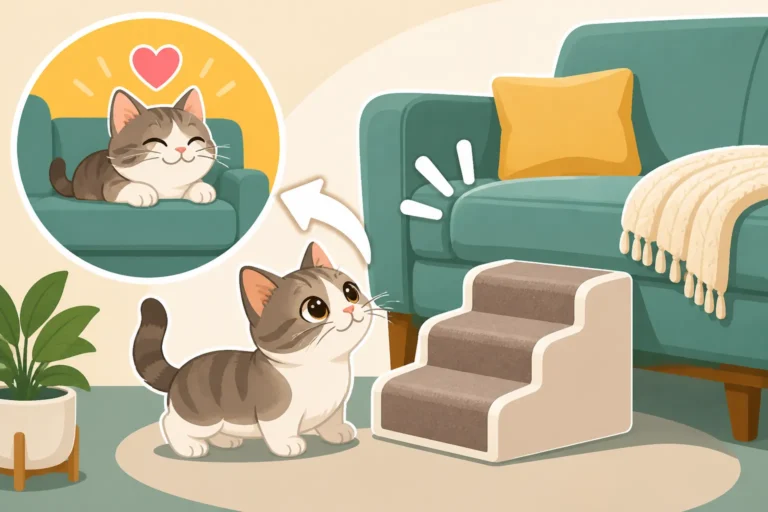
The absolute best way to help your Munchkin kitten navigate different heights is by providing safe, gentle alternatives to stairs. This means ramps and pet-specific steps. These are game-changers! Instead of forcing a jump or a risky climb, ramps and steps allow them to ascend and descend furniture, beds, and even window sills with minimal impact. When choosing ramps, look for ones with a gentle incline and a non-slip surface. Carpeted ramps or those with a ribbed texture work wonderfully, providing grip for their little paws. For steps, make sure the risers are low and the treads are wide enough for them to confidently place all four paws. Brands like Chewy and Amazon offer a wide variety of pet ramps and steps designed with small animals in mind. You'll find options from simple foam steps to more robust wooden ramps, perfect for integrating into your home decor.
| Feature | Standard Human Stairs | Pet Ramps | Pet Steps (Low Riser) |
|---|---|---|---|
| Incline/Riser | Steep, high risers | Gentle, continuous incline | Low risers, wide treads |
| Impact on Joints | High, jarring | Low, smooth | Low to moderate |
| Risk of Falling | High | Low (if proper surface) | Low |
| Spinal Stress | High, especially during descent | Minimal | Minimal to moderate |
| Kitten Suitability | Not recommended | Excellent | Excellent |
| Ease of Use | Difficult, requires jumping/stretching | Easy, natural walking motion | Easy, small climbing steps |
Remember, How to Set Up Ramps Around a Munchkin's House isn't just about getting them up somewhere; it's about providing a safe way down too. Every piece of furniture they might want to reach, like your sofa, your bed, or a favorite sunbathing spot on a window perch, should have a ramp or a series of steps leading to it. This proactive approach saves their joints a lifetime of wear and tear.
Designing a Single-Level Play Area
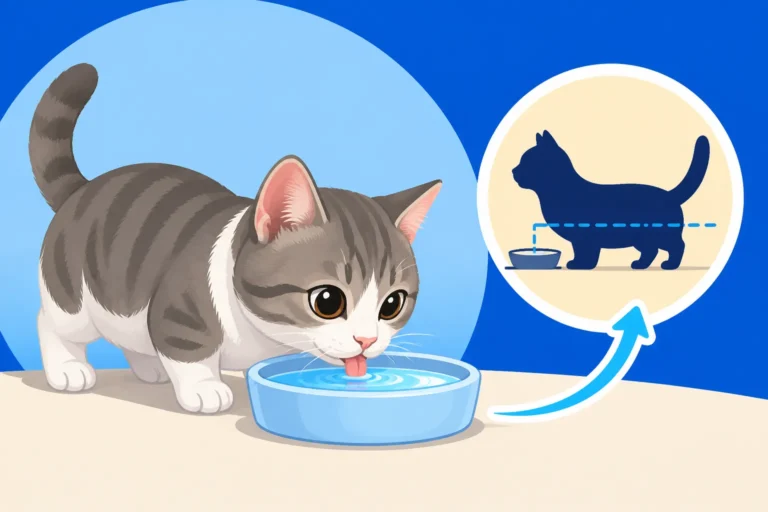
While ramps and steps are fantastic for reaching specific heights, consider dedicating a primary living or play area where everything is on a single, accessible level. This is particularly important for kittens who are still discovering their abilities and limits. A "Munchkin-friendly" room might feature floor-level beds, food and water bowls that don't require stretching, and scratching posts that are horizontal or short enough for them to use comfortably without standing on their hind legs.
Even if your house has multiple floors, you can designate a safe zone on the main level where your kitten spends most of its time, reducing the need for stair navigation. This could involve using a pet gate to block access to staircases if necessary, or simply arranging furniture in a way that creates a rich, stimulating environment all within their easy reach. Think about their perspective: a world of floor-level toys, cozy low beds, and easily accessible food and water will make them feel secure and prevent them from constantly attempting challenging climbs. This type of environment minimizes physical strain and maximizes their feeling of independence, which is super important for a happy cat.
Teaching Safe Movement and Avoiding Stairs
It’s one thing to equip your home with ramps and steps, and another to teach your curious Munchkin kitten to actually use them. Kittens are naturally adventurous, so guiding their behavior from an early age is key to ensuring their safety and long-term health. Consistency and positive reinforcement are your best friends here.
Early Introduction to Safe Mobility Aids
The sooner you introduce your Munchkin kitten to ramps and steps, the better. When your kitten first comes home, usually around 12 weeks, their mobility habits are just beginning to form. This is the perfect window to start. Place small, sturdy pet steps next to the sofa, or a gentle ramp leading up to their favorite napping spot. Encourage them to explore these aids with treats and praise. Gently place them on the ramp or steps and let them navigate it themselves. Don't force them; make it a positive experience. You can even dab a tiny bit of enticing wet food or a favorite catnip treat at the top to lure them up.
Observe how they use them. Some kittens take to ramps like naturals, while others might prefer a series of low steps. It’s all about finding what works best for your individual cat. The goal is for them to associate these mobility aids with easy access to their favorite places. How Early to Introduce a Munchkin Kitten to a Ramp will give you more tips on making this a smooth transition. Consistent use from a young age helps build muscle memory and reinforces that these are the "right" ways to get around.
Consistent Reinforcement for Floor-Level Play
While encouraging safe climbing is important, equally vital is promoting floor-level play and discouraging jumping or stair use. Munchkin kittens are full of energy and love to play. Invest in a variety of toys that engage them at their natural height. Wand toys, laser pointers, rolling balls, and puzzle feeders placed on the floor are excellent choices. They'll burn off energy and satisfy their hunting instincts without needing to scale great heights.
If you see your kitten attempting to jump onto a piece of furniture or eyeing the stairs, gently redirect their attention with a favorite floor toy. Positive reinforcement – verbal praise, gentle pets, or a small treat – when they choose a ramp, steps, or engage in floor-level play, will go a long way. It teaches them that these behaviors are rewarded. Avoid scolding or harsh punishments if they try to jump, as this can create fear and anxiety. Instead, focus on making the desirable behavior (using ramps, playing low) more rewarding and accessible. Remember, Whether a Munchkin Should Be Discouraged From Jumping applies from kittenhood right through adulthood, ensuring their long-term well-being. By consistently providing safe alternatives and rewarding appropriate behavior, you’ll help your Munchkin kitten grow into a confident, happy cat that navigates its world safely.
Disclaimer
This article is for general informational purposes only and does not constitute professional advice. Laws, prices and regulations vary by location and change over time. Consult a qualified professional for guidance on your specific situation.