Whether Munchkin Lordosis Is Treatable
Learning that your cherished Munchkin cat has lordosis can be incredibly distressing, leaving you with urgent questions about their pain and long-term well-being. It's natural to feel overwhelmed, wondering if this spinal condition is truly treatable or if you're facing a lifetime of challenges. This guide offers a deep dive into Munchkin lordosis, outlining its causes, symptoms, and the crucial treatment and management strategies available to help your cat thrive.
Understanding Lordosis in Your Munchkin
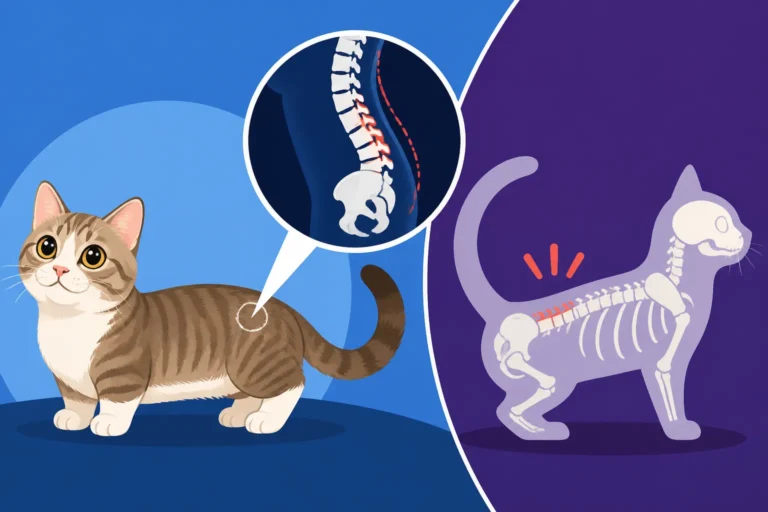
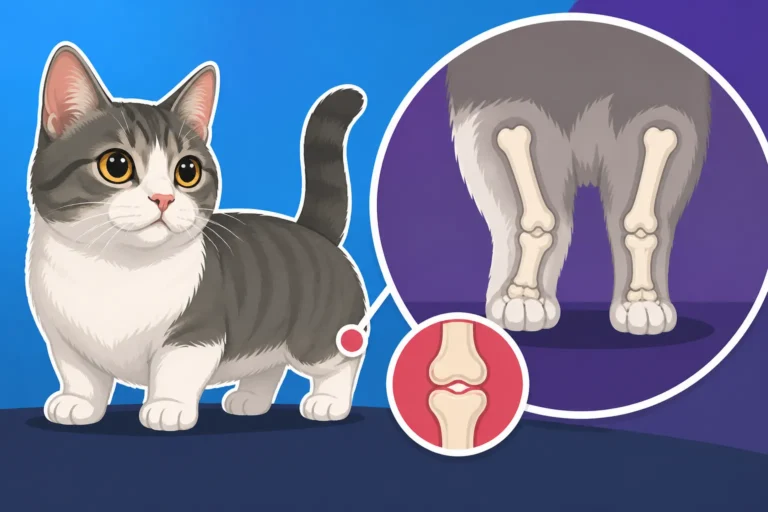
Lordosis, often referred to as a "swayback" or "saddleback," is a condition where there's an exaggerated inward curvature of the spine, specifically in the lumbar region (lower back). While it can occur in any cat breed, it's disproportionately seen in Munchkin cats due to their unique genetic makeup. Their characteristic short legs are a result of a dominant gene causing a form of dwarfism known as pseudoachondroplasia, which affects bone growth, particularly in the long bones of the limbs. Unfortunately, this genetic predisposition can sometimes extend to spinal development, leading to conditions like lordosis and pectus excavatum.
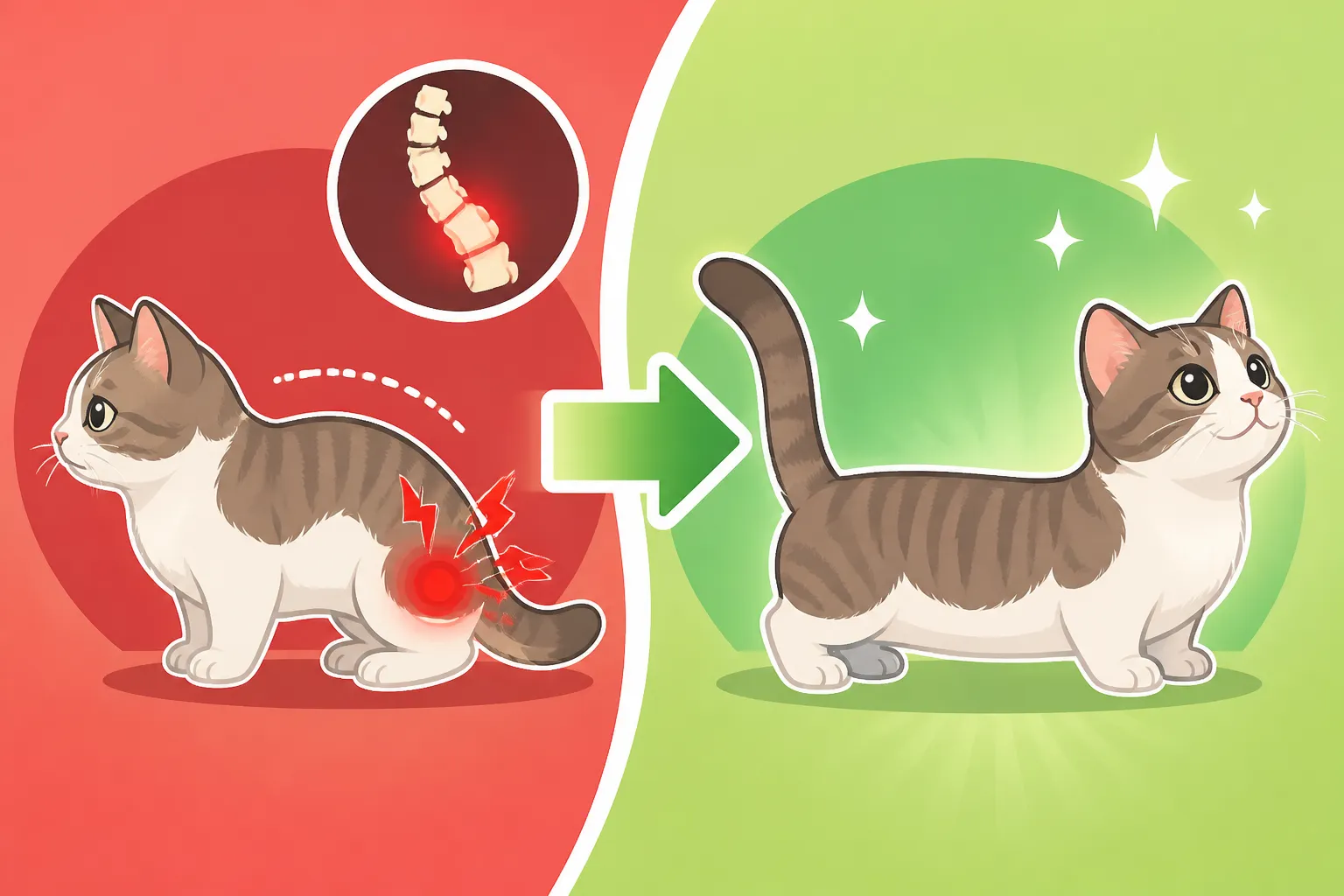
It's a common misconception that all short-legged cats are destined for severe spinal issues, but the reality is more nuanced. The underlying issue is that while their legs are short, a Munchkin's spine is normal length, meaning it still has to support a body of typical feline proportions. This can place additional strain on the vertebrae and surrounding musculature, making them more susceptible to problems if proper care isn't taken. You might observe a pronounced dip in their back, making their belly appear to hang lower than usual. This isn't just a cosmetic issue; it can genuinely impact their internal organs and overall comfort.
For many owners, the initial diagnosis of lordosis can be a moment of profound guilt or fear, especially given the ethical debates surrounding the breed itself. It's important to remember that if you have a Munchkin, you've likely already fallen head over heels for their unique charm. The focus now shifts to understanding the condition and providing the best possible care. While the Munchkin gene has not been identified for pseudoachondroplasia, the connection between their dwarfism and spinal issues is well-documented, leading to a lot of discussion about Why a Munchkin's Spine Carries a Load a Normal Cat's Does Not.
The Genetic Link and Breed Predisposition
The short legs that define the Munchkin breed are a result of an autosomal dominant gene. This means that if a cat inherits even one copy of this gene, they will have short legs. However, the same genetic anomaly that causes shortened limbs can also influence other aspects of skeletal development, including the spine. While not every Munchkin will develop lordosis, they are inherently at a higher risk compared to cats without this specific genetic mutation. This isn't a fault of individual breeders who follow ethical guidelines (always breeding a Munchkin to a normal-legged cat), but rather an inherent characteristic tied to the very trait that defines the breed. Understanding How Munchkin Dwarfism Is Inherited can help owners grasp the complexities.
The degree of lordosis can vary significantly. Some Munchkins might have a very mild curve that causes no noticeable symptoms throughout their life, while others can develop a severe curvature that profoundly impacts their health and mobility. The age at which lordosis appears (At What Age Munchkin Lordosis Appears) can also vary, with some kittens showing signs early on and others developing it later in life as their spine matures or if other factors, like obesity, come into play. It's a spectrum, and each cat's experience will be unique, underscoring the need for individualized care and vigilant monitoring from their dedicated owners and veterinary team.
How Lordosis Affects Your Munchkin's Body
When the spine curves excessively inward, it can create a range of physical challenges for a Munchkin. In milder cases, the impact might be minimal, perhaps just a slightly awkward gait or reduced flexibility. However, as How Severe Munchkin Lordosis Can Get indicates, severe lordosis can be quite debilitating. The compressed abdominal space can put pressure on internal organs, potentially affecting their function. This might manifest as digestive issues, breathing difficulties, or even discomfort when lying down or using the litter box. The abnormal spinal alignment also places increased stress on the vertebrae and surrounding muscles, leading to chronic pain and inflammation.
This pain can significantly limit their mobility, making everyday activities like jumping onto furniture (which they already struggle with due to their short legs), running, or even grooming themselves a painful ordeal. The constant strain can accelerate the development of osteoarthritis in the affected spinal joints, further exacerbating their discomfort. Owners might notice changes in their cat's behavior, such as reluctance to play, decreased appetite, or increased irritability, all of which can be indicators of underlying pain. It's a cruel reality that the very trait making them unique can contribute to these hidden battles.
Diagnosing and Assessing Spinal Lordosis
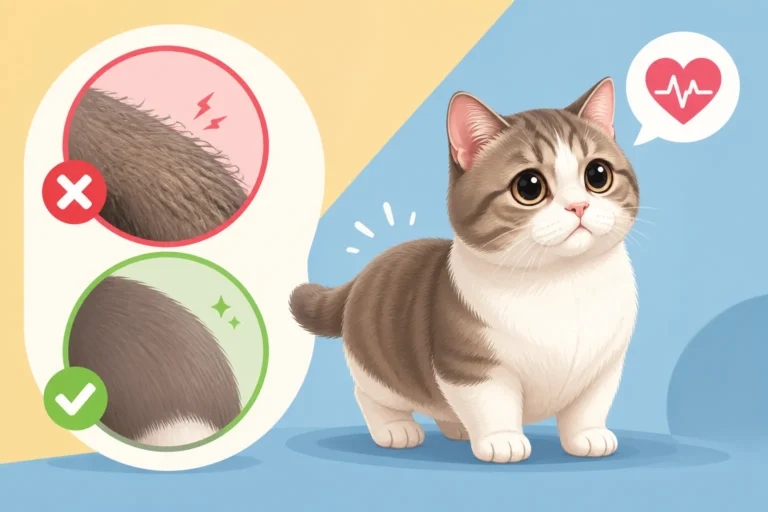
Detecting lordosis early is absolutely critical for effective management and improving your Munchkin's quality of life. Often, owners are the first to notice subtle changes, perhaps a slight dip in the back that wasn't there before, or a shift in how their cat moves. Regular veterinary check-ups are paramount, and your vet will perform a thorough physical examination, observing your cat's posture, gait, and palpating their spine for any irregularities or signs of discomfort. They'll be looking for that characteristic inward curve, but also assessing muscle tone and range of motion.
For a definitive diagnosis and to understand the severity of the condition, imaging techniques are essential. X-rays are the primary tool, providing clear images of the spinal column and allowing the vet to measure the degree of curvature and identify any concurrent issues like vertebral abnormalities or early signs of arthritis. In more complex cases, or if neurological symptoms are present, a CT scan or MRI might be recommended to get a more detailed view of the soft tissues, nerves, and spinal cord. This comprehensive assessment helps the veterinary team formulate the most appropriate treatment plan tailored to your Munchkin's specific needs.
Clinical Signs and Early Detection
As a pet parent, you are your Munchkin's most attentive observer. Look out for any subtle changes in their behavior or physical appearance. A slight sway in the back might be your first clue. Other signs could include a reluctance to jump, even onto low surfaces they previously managed, or difficulty in standing up after resting. They might seem stiff after periods of inactivity or move more slowly than usual. Changes in their litter box habits, such as accidents outside the box, could indicate discomfort when squatting or entering a high-sided box.
Sometimes, the signs are more subtle, like an increased tendency to "Prairie Dog Sit" more often, not just for observation but perhaps to alleviate pressure on their spine. They might also show signs of pain, such as hissing when touched in certain areas, becoming withdrawn, or having a decreased appetite. If you notice any of these symptoms, it's crucial to schedule a vet appointment promptly. Early intervention can make a significant difference in managing the progression of lordosis and ensuring your cat's comfort. Don't dismiss subtle changes; they're often your cat's only way of telling you something is wrong.
Veterinary Examination and Imaging
When you bring your Munchkin in, your veterinarian will not only perform a visual and manual examination but will also likely want to see your cat walk and move freely. This gait analysis provides valuable insights into how their spine and limbs are functioning together. They'll gently palpate the entire length of the spine, noting any areas of tenderness, muscle spasms, or abnormal alignment. They might also check their reflexes to rule out any neurological involvement.
Once a physical examination suggests lordosis, X-rays are usually the next step. These images allow the vet to visualize the curvature of the spine, assess the spacing between vertebrae, and check for any bony changes indicative of arthritis or other structural issues. Different grading systems exist to classify the severity of lordosis, ranging from mild to severe, which helps guide treatment decisions. For instance, a Grade 1 might require only conservative management, while a Grade 3 could involve more intensive care. This thorough diagnostic process is essential for understanding the full scope of your Munchkin's condition.
Navigating Treatment Options: From Management to Surgery
The big question on every owner's mind is, "Is Munchkin lordosis treatable?" The answer is complex, but generally, yes, it can be managed, and in some cases, certain aspects can be treated, though a complete "cure" for a structural spinal deformity isn't always possible. The goal of treatment is always to minimize pain, improve mobility, and maintain a good quality of life for your cat. The approach will depend heavily on the severity of the lordosis, your cat's age, overall health, and the presence of any secondary complications. For many, a multi-modal approach combining several strategies yields the best results.
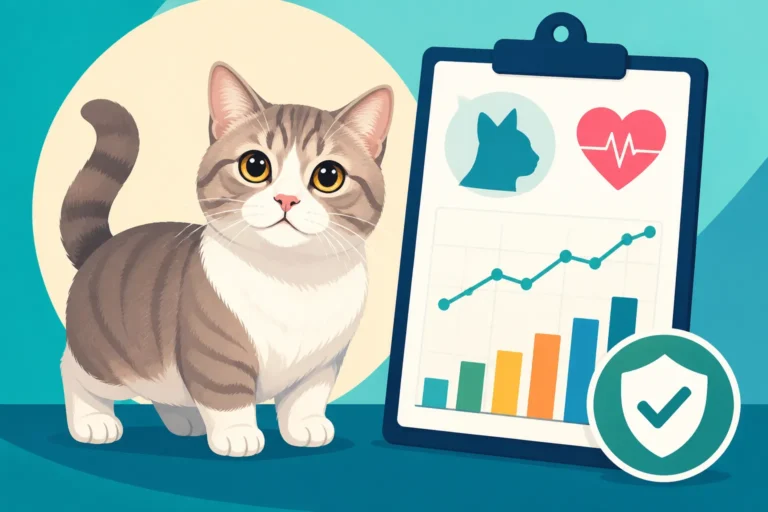
Pet insurance, such as through providers like Healthy Paws, can be an absolute lifesaver when dealing with chronic conditions like lordosis. The costs associated with diagnostics, ongoing pain medication, physical therapy, and potentially surgery can add up quickly, and having a policy that helps cover these expenses provides immense peace of mind. Without the financial strain, you can focus purely on providing the best care for your beloved feline companion. It's definitely worth checking if Pet Insurance Covers a Munchkin's Spine before a diagnosis is made.
Conservative Management and Pain Relief
For Munchkins with mild to moderate lordosis, conservative management is often the first line of defense. This primarily focuses on pain relief, anti-inflammatory measures, and supportive care. Non-steroidal anti-inflammatory drugs (NSAIDs) prescribed by your vet can help reduce pain and inflammation. Other pain medications, like gabapentin, might be used in conjunction for chronic pain. These medications are not a cure, but they can significantly improve your cat's comfort and allow them to move more freely.
Beyond medication, lifestyle adjustments are paramount. Weight management is critically important; even a few extra pounds can put immense strain on an already compromised spine. As discussed in Why an Overweight Munchkin Is in Real Trouble, maintaining a lean body condition is one of the most effective ways to support their spinal health. Nutritional supplements like glucosamine and chondroitin can support joint health, while omega-3 fatty acids have anti-inflammatory properties. Physical therapy, including gentle massage, passive range of motion exercises, and even hydrotherapy, can help maintain muscle strength and flexibility, and What Physiotherapy for a Stiff Munchkin Costs is an important consideration.
| Lordosis Grade | Description | Typical Symptoms | Management Approach |
|---|---|---|---|
| Mild (Grade 1) | Slight inward spinal curve | Asymptomatic or occasional stiffness | Weight management, joint supplements, environmental adaptations |
| Moderate (Grade 2) | Noticeable spinal curve | Mild discomfort, altered gait, reduced jumping | NSAIDs, pain relief, physical therapy, ramps, soft bedding |
| Severe (Grade 3) | Pronounced "swayback" with organ compression | Chronic pain, breathing/digestive issues, significant mobility loss | Aggressive pain management, specialized diet, surgery (if applicable), palliative care |
Surgical Considerations
Surgery for lordosis in Munchkin cats is rare and typically reserved for very severe cases where conservative management has failed, or when the spinal curvature is causing significant compression of internal organs or neurological deficits. The complexity of spinal surgery is high, and it carries considerable risks. Veterinary surgeons specializing in orthopedics or neurology would evaluate each case individually.
Surgical intervention might involve procedures to stabilize the spine or decompress affected areas. However, unlike some other spinal conditions, correcting the inherent curvature of lordosis is often not feasible or comes with a very guarded prognosis. The decision to pursue surgery is a serious one, requiring careful discussion with your vet about the potential benefits, risks, recovery period, and associated costs. For many Munchkins with lordosis, especially if Severe Lordosis Compresses a Munchkin's Organs, the focus remains on comfort and supportive care, with surgery as a last resort in very specific, life-threatening situations.
Living with a Munchkin with Lordosis
Living with a Munchkin cat diagnosed with lordosis requires dedication, understanding, and proactive care. While the diagnosis can be daunting, many cats with this condition, especially those with mild to moderate forms, can lead full and happy lives with the right support system in place. The key is to create an environment that minimizes strain on their spine and facilitates their natural behaviors without causing pain or discomfort. It's a journey of adaptation and continuous monitoring, but the bond you share with your feline friend will make every effort worthwhile.
One of the biggest concerns for owners is whether a Munchkin with Lordosis Can Live Normally. The answer largely depends on the severity and how diligently you manage their environment and health. While they might not be able to leap onto tall bookcases, they can absolutely enjoy playing, cuddling, and exploring their world at a lower level. Your role as their advocate is to ensure their world is adapted to their unique needs.
Environmental Adaptations for Comfort
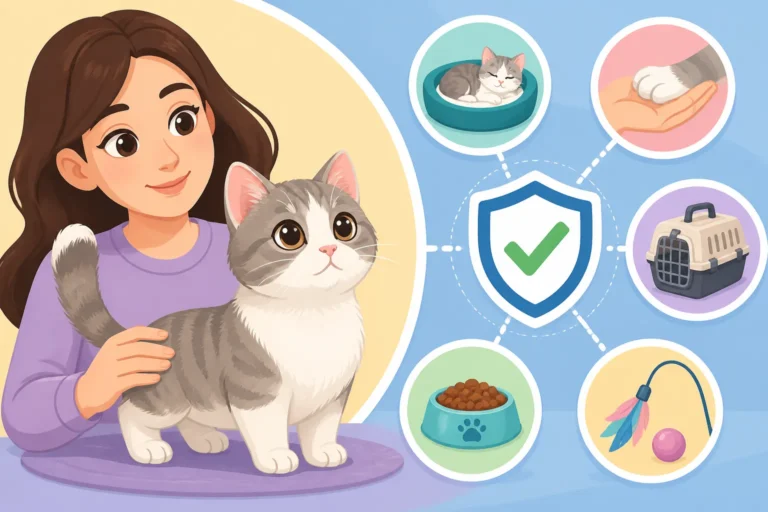
Adapting your home environment is fundamental for a Munchkin with lordosis. Their inability to jump high, already a characteristic of the breed, becomes even more pronounced and potentially painful with a spinal condition. Provide ramps or pet steps to allow easy access to their favorite elevated spots, like sofas, beds, or sunny windowsills. Ensure these ramps are not too steep and have a non-slip surface to prevent accidents that could further injure their spine. Consider a low-entry litter box to make going to the bathroom less strenuous, as straining or awkward positions can exacerbate spinal discomfort.
Furthermore, make sure their food and water bowls are raised to a comfortable height, so they don't have to bend their neck or strain their spine to eat and drink. Soft, orthopedic bedding can also provide pressure relief and support for their aching joints and spine. Think about your home from your Munchkin's perspective, literally at floor level, and identify any barriers or challenges. Creating a safe, accessible, and comfortable living space is one of the most impactful things you can do. Consider mapping out their routes to ensure everything is easily reachable, as discussed in How to Arrange a Munchkin's Room in One Plane.
Long-Term Care and Monitoring
Lordosis is often a lifelong condition, meaning long-term care and diligent monitoring are essential. Regular veterinary check-ups, typically every six months or annually, are crucial to assess the progression of the condition, adjust pain management, and catch any new issues early. Your vet will monitor their weight, gait, and spinal health, potentially recommending follow-up X-rays to track changes in the curvature or joint health. Maintaining a close relationship with your vet and a reliable pet insurance provider like Healthy Paws will ensure continuity of care and support.
Beyond vet visits, you'll become an expert in observing your cat's comfort levels. Pay attention to how they move, how they react to touch, and any subtle changes in their appetite or energy. Keep them on their prescribed medications and supplements consistently. Gentle, consistent exercise tailored to their abilities, such as short play sessions with wand toys at floor level, can help maintain muscle tone without overstressing their spine. Your commitment to their ongoing care will directly impact their happiness and comfort for years to come. Remember, every little bit you do adds to their quality of life, which is ultimately What the Short Legs Actually Cost a Munchkin over time.
Disclaimer
This article is for general informational purposes only and does not constitute professional advice. Laws, prices and regulations vary by location and change over time. Consult a qualified professional for guidance on your specific situation.