Why a Munchkin’s Hindquarters Get Matted
One of the most common and frustrating grooming challenges Munchkin cat parents face is dealing with matted fur, especially around their hindquarters. It’s not just an aesthetic issue; these mats can quickly become painful and lead to serious health problems for your beloved "low rider." This guide will delve deep into why Munchkin cats are particularly prone to matting in this delicate area and provide comprehensive strategies to prevent and manage it, ensuring your furry friend stays comfortable and healthy.
The Unique Anatomy of a Munchkin Cat and Grooming
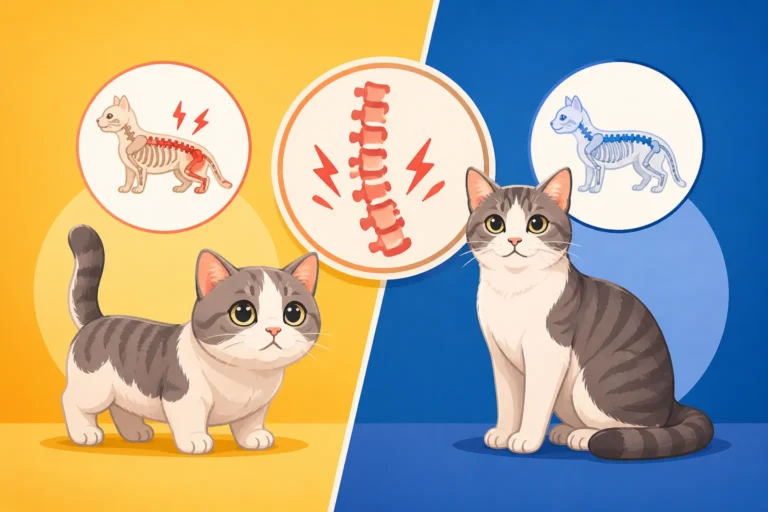
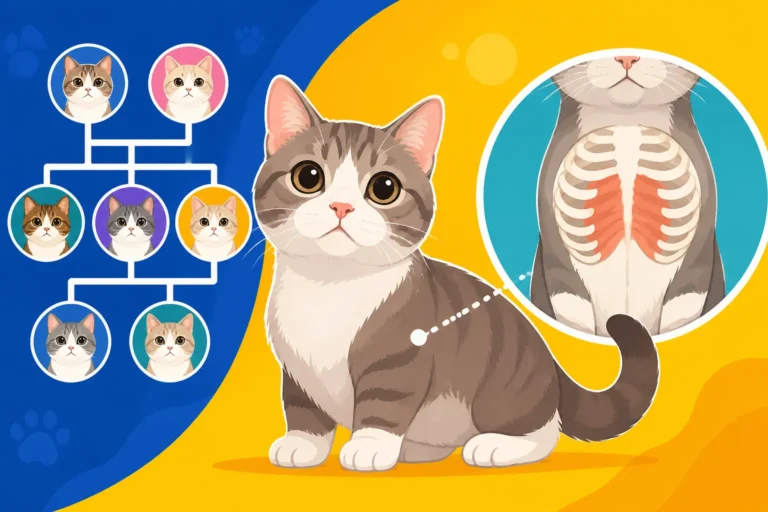
Munchkin cats are famous for their endearing short legs, but this characteristic brings with it a whole host of unique considerations, especially when it comes to self-grooming. Unlike typical felines, their physical structure directly impacts their ability to maintain a pristine coat, particularly around their back half.
The "Low Rider" Stance
Imagine trying to keep yourself perfectly clean when your entire underside is consistently closer to the ground than most. That’s essentially the daily reality for a Munchkin cat. Their short legs mean their belly, flanks, and hindquarters sit much lower to surfaces, making them veritable "low riders." This isn't just cute; it means these areas are in constant contact with the floor, carpets, and litter, picking up more debris, dust, and moisture than a long-legged cat ever would. It's a fundamental aspect of their physiology, directly linked to why a Munchkin's legs are short but its body is not. This constant low-level contact significantly increases the chances of fur getting dirty, tangled, and eventually matted.
Limited Flexibility and Reach
Cats are renowned for their flexibility and meticulous self-grooming habits. They can twist and contort into impressive positions to reach every inch of their bodies. For a Munchkin, however, this natural ability is severely curtailed. Their short legs create a physical barrier, limiting the range of motion they can achieve when trying to clean their hindquarters. They simply cannot bend, stretch, and contort as effectively as a normal-legged cat to reach their lower back, tail base, and the delicate areas around their anus and genitals. This reduced reach means that many of these crucial areas often go untouched during their regular grooming sessions, leaving them vulnerable to accumulating dirt, fecal matter, and urine, which are prime catalysts for mat formation. Essentially, there are significant parts of themselves that a Munchkin cannot reach to groom, making owner intervention absolutely essential.
Common Causes of Matting in Munchkin Hindquarters
Understanding the "why" behind the matting issues your Munchkin faces is the first step toward effective prevention. It's usually a combination of their unique build and environmental factors that leads to these stubborn tangles.
Post-Litter Box Hygiene Challenges
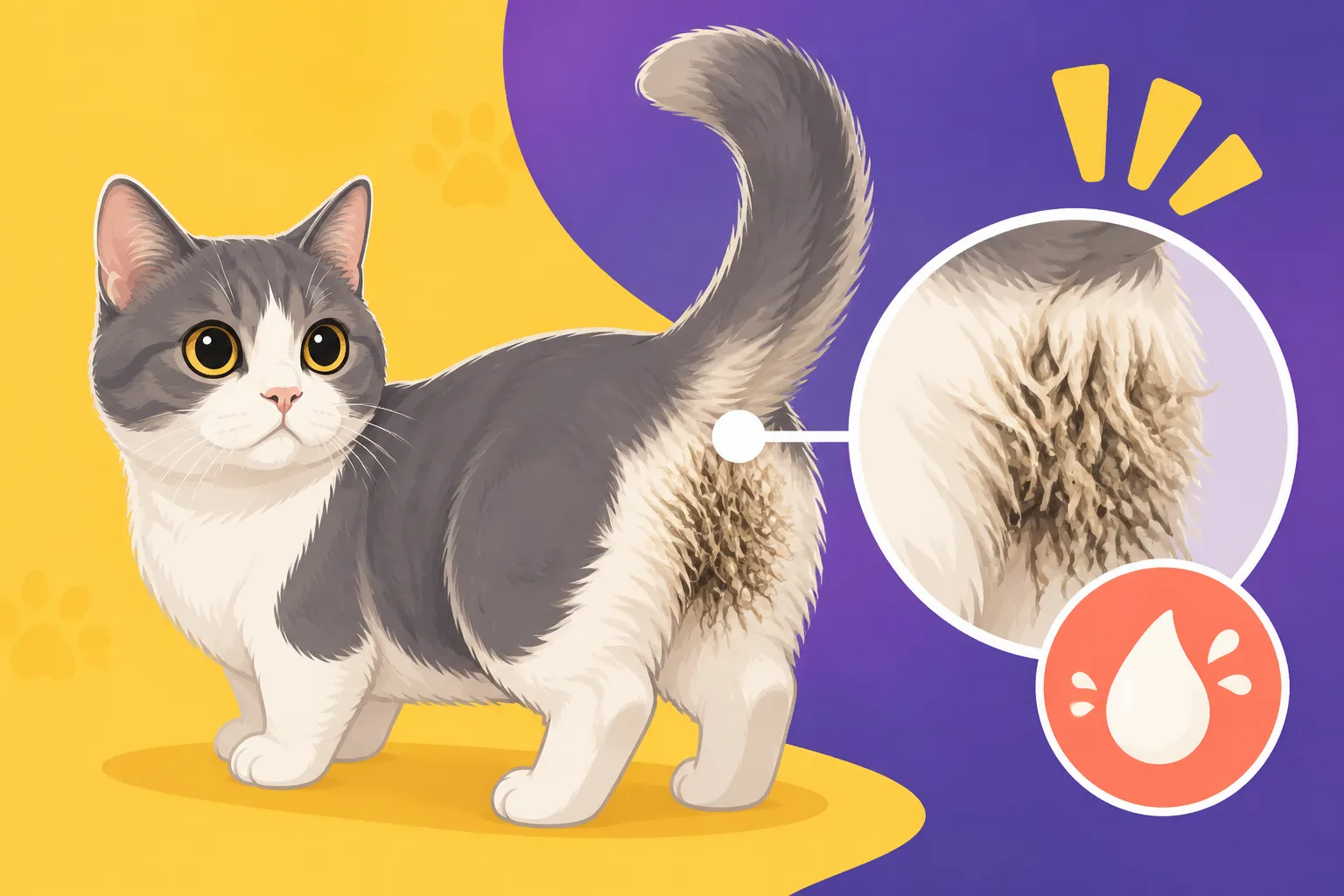
This is arguably the most significant factor contributing to matted hindquarters in Munchkins. After using the litter box, most cats meticulously clean themselves to remove any lingering traces of waste or litter. However, due to their limited reach and low-slung bodies, Munchkins often struggle immensely with this vital task. Fecal matter can easily cling to the fur around their anus and hind legs, and urine can dampen the fur on their belly and inner thighs. When these substances dry, they act like glue, sticking fur strands together. Combine this with loose litter particles, and you have a perfect storm for mats to form. It’s a messy reality that many Munchkin owners know all too well, and it's why you might notice their hindquarters get matted more frequently and severely than other areas. Without proper cleaning, these small clumps quickly escalate into large, uncomfortable mats.
Increased Contact with Floor and Surfaces
As we touched upon earlier, a Munchkin's low stature means their fur, particularly around their belly and hindquarters, is in constant contact with the floor, carpets, and even furniture. Every time they walk, play, or lie down, their fur brushes against surfaces, picking up dust, debris, stray hairs, and even food crumbs. This friction and accumulation of foreign particles contribute significantly to tangles. Think about how a long-haired rug collects dust – a Munchkin's low-hanging fur acts similarly. This constant exposure to environmental elements, combined with their inability to adequately clean the area, makes it a hotspot for matting. It's a stark reminder of why a Munchkin's belly nearly touches the floor and what that means for daily hygiene.
Long Hair and Undercoat Density
While short-haired Munchkins can still experience matting, those with longer coats or denser undercoats face an even greater battle. Breeds like the Scottish Fold and Persian are often used as outcrosses in Munchkin breeding programs, which can introduce genes for longer, thicker fur. This beautiful, flowing coat, while aesthetically pleasing, is a double-edged sword for a Munchkin. The longer the hair, the more easily it tangles, especially when it’s fine and soft. A dense undercoat can exacerbate this, creating more opportunities for hair to knot and felt together. This is why a long-haired Munchkin's back half often needs even more diligent attention than its short-haired counterparts. Mats form when individual hairs get intertwined and tighten, often incorporating dirt, dead skin, and even external debris.
The Health Risks of Matted Fur
It's crucial to understand that matted fur is far more than just an unsightly nuisance. Left unchecked, it can lead to a cascade of serious health issues, causing significant pain and discomfort for your Munchkin. Recognizing these risks underscores the importance of proactive grooming.
Skin Irritation and Infections
One of the most immediate dangers of matted fur is the severe strain it puts on a cat's skin. Mats pull tightly on the skin, causing constant irritation, pain, and sensitivity. Imagine having your hair constantly pulled – that's what a mat feels like, but often much worse, as they can pull skin taut across large areas. This constant tension can lead to painful sores and lesions. Furthermore, mats create a damp, warm, and dark environment close to the skin – an ideal breeding ground for bacteria and yeast. Trapped moisture, dirt, and even parasites beneath a mat can quickly lead to painful skin infections (dermatitis). These infections can cause intense itching, redness, swelling, and even oozing, requiring veterinary intervention with antibiotics or antifungal medications. This is a clear example of how skin problems start under a Munchkin's mats.
Pain and Restricted Movement
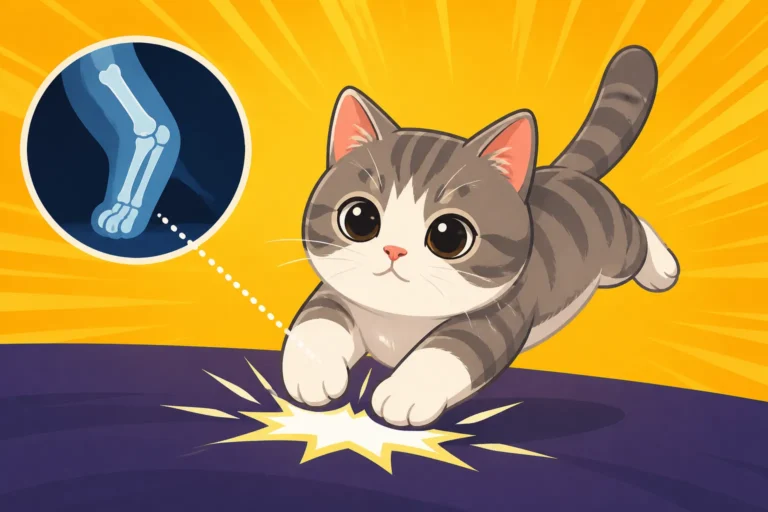
Severe matting can severely restrict your Munchkin's natural movement. Mats can form tight bands around joints, like the hips and knees, making it difficult for the cat to walk, run, or even lie down comfortably. The constant pulling and tugging on their skin can make any movement painful, leading to a reluctance to engage in play or even basic activities like stretching or using the litter box. A cat that avoids movement due to pain might become lethargic, lose muscle mass, and even develop secondary issues like constipation if they avoid the litter box. Imagine trying to walk with a tight rope tied around your knee – it's debilitating. This restricted movement also prevents them from attempting to groom themselves, creating a vicious cycle where mats only get worse.
Hidden Parasites and Sores
Mats are fantastic hiding places for all sorts of unwelcome guests. Fleas, ticks, and other external parasites can easily conceal themselves within dense mats, making them difficult to detect and treat. Once nestled in, these parasites can cause further skin irritation, allergic reactions, and even transmit diseases. Beyond parasites, mats can also conceal underlying sores, wounds, or skin masses that would otherwise be visible. A small cut or abrasion, if hidden under a mat, can become infected and grow much larger before an owner notices it. Regular grooming is essential not only for preventing mats but also for performing a thorough "health check" of your cat's skin and body, allowing you to catch problems early. This is why whether matting becomes a health problem in a Munchkin is not a question of "if," but "when." For peace of mind regarding unexpected veterinary costs, many Munchkin owners consider pet insurance. Providers like Healthy Paws often cover unexpected illnesses and accidents, which could include the treatment of severe skin infections or other issues stemming from matting.
Practical Strategies to Prevent Hindquarter Matting
Preventing matting in your Munchkin's hindquarters is an ongoing commitment, but it’s absolutely worth the effort for your cat’s health and comfort. It involves a combination of consistent grooming and thoughtful environmental adjustments.
Regular Grooming Routine
A consistent grooming routine is your best defense against matting. This isn't just about brushing; it’s a holistic approach to keeping your Munchkin clean and comfortable.
- Daily Brushing: For most Munchkins, especially those with longer fur or dense undercoats, daily brushing is non-negotiable. Use a slicker brush or a fine-toothed comb specifically designed for cats. Focus on their hindquarters, tail, and the area around their "britches." Start gently, working through small sections of fur at a time. If you encounter a small tangle, try to gently tease it apart with your fingers or the wide teeth of a comb, rather than pulling. Remember, you're trying to prevent mats, not remove existing ones with a brush. Getting a mat out of the part a Munchkin cannot reach often requires more specialized tools or professional help.
- Sanitary Trims: This is a game-changer for many Munchkin owners. A sanitary trim involves carefully clipping the fur short around your cat's anus and genitals. This prevents fecal matter and urine from clinging to the fur, dramatically reducing the risk of mats forming in this critical area. You can do this yourself with small, blunt-nosed scissors or a quiet pet trimmer, but if you’re unsure, a professional groomer can do it safely. Many owners find that a hygiene trim is a crucial part of preventing their Munchkin's rear from getting matted.
- Bathing (When Necessary): While cats are generally self-cleaning, a Munchkin's limited reach means occasional bathing, particularly of the hindquarters, might be necessary, especially if they have a bowel accident or get excessively dirty. Use a cat-specific shampoo and ensure you rinse thoroughly to avoid skin irritation. Always dry your Munchkin completely afterwards, as damp fur is more prone to matting.
Adapting the Litter Box and Environment
Since the litter box is a primary source of contamination for a Munchkin's hindquarters, making it more accessible and hygienic is paramount.
- Low-Entry Litter Boxes: Standard litter boxes with high sides can be challenging for Munchkins to enter and exit gracefully, leading to them dragging their hindquarters over the edge or stumbling, increasing the chance of contact with soiled litter. Opt for a litter box with a very low entry point. Many senior cat litter boxes are ideal for Munchkins for this reason. This allows them to walk in and out with minimal effort, reducing the risk of contact with waste and promoting better hygiene. Understanding which litter box a Munchkin can actually enter is key to mitigating these issues.
- Appropriate Litter Type: The type of litter you use can also make a difference. Fine-grained, dust-free litters tend to cling less to fur than coarser, clay-based litters. Experiment with different types, like silica gel or specific dust-free clumping litters, to see what works best for your Munchkin and helps prevent litter from adhering to their fur.
- Cleanliness is Key: No matter the litter box or litter type, keeping the box scrupulously clean is non-negotiable. Scoop at least twice daily, and deep clean the box regularly. A clean litter box means less opportunity for your Munchkin’s hindquarters to pick up waste or litter.
- Ramps and Steps: While not directly related to hindquarter matting, providing ramps and steps to furniture like sofas and beds can reduce the impact on their joints and prevent them from dragging themselves up onto surfaces, further minimizing the chances of them collecting debris. This also helps with overall mobility and comfort.
Dietary Considerations and Weight Management
Diet and weight play an indirect yet significant role in a Munchkin’s ability to groom itself effectively.
- Maintaining a Healthy Weight: An overweight Munchkin will find it even harder to reach and clean its hindquarters. Excess weight puts additional strain on their short legs and spine, further restricting their flexibility. Keeping your Munchkin at a healthy weight is crucial for their overall mobility and ability to self-groom. Every extra pound matters more on a Munchkin, as it directly impacts their joints and ability to move freely. Work with your vet to determine the ideal weight for your Munchkin and implement a controlled diet if needed.
- Joint Supplements: While not directly preventing matting, supporting your Munchkin’s joint health can improve their flexibility and comfort, allowing them to groom more effectively. Consult your veterinarian about appropriate joint supplements containing ingredients like glucosamine and chondroitin. A healthy, flexible Munchkin is better equipped to reach those tricky spots.
- Dietary Fiber: A diet rich in fiber can help ensure firm, well-formed stools, which are less likely to cling to fur. If your Munchkin frequently has soft stools or diarrhea, consult your vet, as this will significantly increase the risk of hindquarter matting and could indicate an underlying health issue.
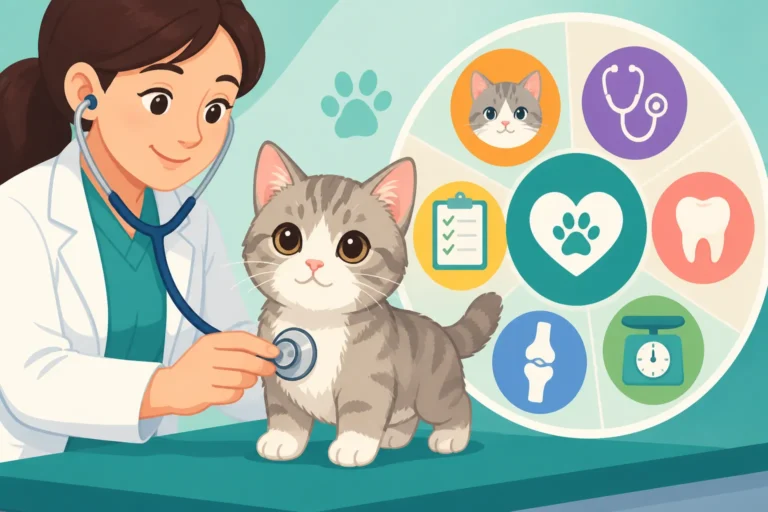
Remember, patience and consistency are key. If you find yourself struggling to keep up with grooming, don't hesitate to seek professional help. Many cat groomers are experienced with Munchkins and can provide sanitary clips or full grooms. For unexpected grooming emergencies or veterinary care related to matting, having pet insurance like Healthy Paws can provide financial relief, ensuring your Munchkin gets the care they need without you worrying about the bill.
| Coat Type | Recommended Brushing Frequency | Common Matting Hotspots | Grooming Tool Recommendations |
|---|---|---|---|
| Short-haired | 2-3 times per week | Hindquarters, tail base | Soft slicker brush, fine-toothed comb |
| Long-haired | Daily | Hindquarters, 'britches', belly | Pin brush, wide-toothed comb, slicker brush |
It's also worth noting that many Munchkin owners choose to book a groomer for the hindquarters every few months, especially for long-haired varieties, as a preventative measure. This allows for professional-level sanitary trims and mat checks that might be difficult for owners to perform at home.
Disclaimer
As a lifestyle blogger, I aim to provide helpful and empathetic information based on my experience and research. However, this content is not a substitute for professional veterinary advice. Always consult with a qualified veterinarian regarding your Munchkin cat's health and specific care needs.