Which Blood Panel a Munchkin Should Have Yearly
It’s a common worry among Munchkin cat parents: how do you truly know your unique little furball is doing well on the inside, especially when their physical quirks can sometimes mask subtle health changes? Keeping on top of their health can feel like a guessing game, but regular, targeted veterinary check-ups, including a yearly blood panel, are your most powerful tools. This guide will walk you through exactly what those crucial blood tests reveal and why they're so indispensable for your short-legged companion.
Understanding Routine Veterinary Care for Munchkins
Bringing a Munchkin into your life means embracing a special kind of cat with distinct needs. While they might zoom around your home with surprising agility, their unique physical structure, particularly those adorable short legs, means that routine veterinary care takes on an even more critical role in their overall well-being. It’s not just about treating problems when they arise; it’s about proactive monitoring and early detection.
Why Regular Check-ups Are Even More Crucial for Short-Legged Cats
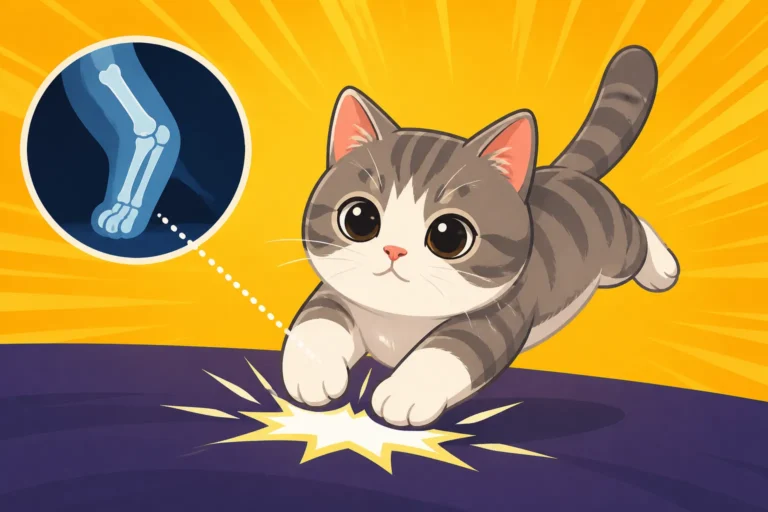
For any cat, annual vet visits are essential, but for Munchkins, they hold an amplified importance. Their dwarfism, caused by a dominant gene affecting limb development, isn't just an aesthetic trait; it brings with it certain considerations for their skeletal health and how they interact with their environment. Their spine, while usually a normal length, carries a load that a typical cat's spine does not, and their joints experience different stresses. This makes them potentially more prone to certain orthopedic issues, even if they show no outward signs of pain in their youth.
Think of it this way: a cat with normal leg length has a certain way of moving, jumping, and absorbing impact. A Munchkin, with its lower center of gravity and shorter levers, maneuvers differently. This constant, slightly altered biomechanical stress can put a different kind of wear and tear on their joints, especially their shoulders and elbows. Detecting issues early – before they become visibly debilitating – is paramount. A skilled veterinarian can assess their gait, palpate their spine, and check their overall conformation during a routine visit, giving you a clearer picture of their musculoskeletal health. It’s about building a long-term health history that helps identify trends, not just acute problems.
The General Scope of an Annual Feline Health Exam
So, what does a standard annual check-up look like for your Munchkin? It’s much like what a long-legged cat would receive, but with a few extra points of focus. Your vet will typically start with a thorough physical examination, looking at everything from the tip of their nose to the end of their tail. This includes checking their eyes, ears, and teeth – dental health is often overlooked but hugely important. They'll listen to their heart and lungs, palpate their abdomen to check internal organs, and assess their coat and skin condition.
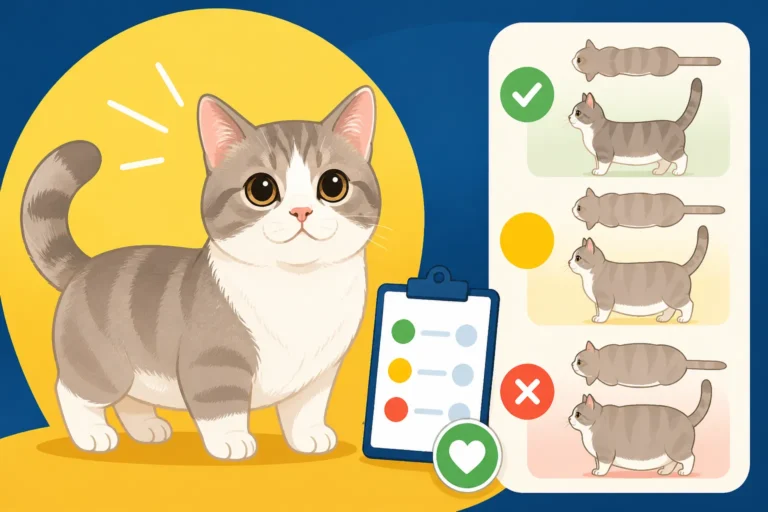
Weight and body condition scoring are especially important for Munchkins. Because their legs are short, any extra weight they carry places increased strain on their joints and spine, which are already working harder. Your vet will discuss your cat's diet and exercise, which for a Munchkin, might involve a little more thought about how to keep them active without putting undue stress on their body. They'll also typically administer any necessary vaccinations.
Beyond the physical, your vet will ask you about your Munchkin’s behavior at home. Have you noticed any changes in their litter box habits, appetite, or activity levels? Are they still using their ramps or steps effectively? Why an Old Munchkin Stops Using Its Ramp is an important indicator of comfort and mobility. These seemingly small details can be crucial clues to underlying health issues that a blood panel can then help to confirm or rule out. This comprehensive approach ensures that both their unique anatomy and their general feline health are being monitored effectively.
Decoding the Annual Blood Panel for Your Munchkin
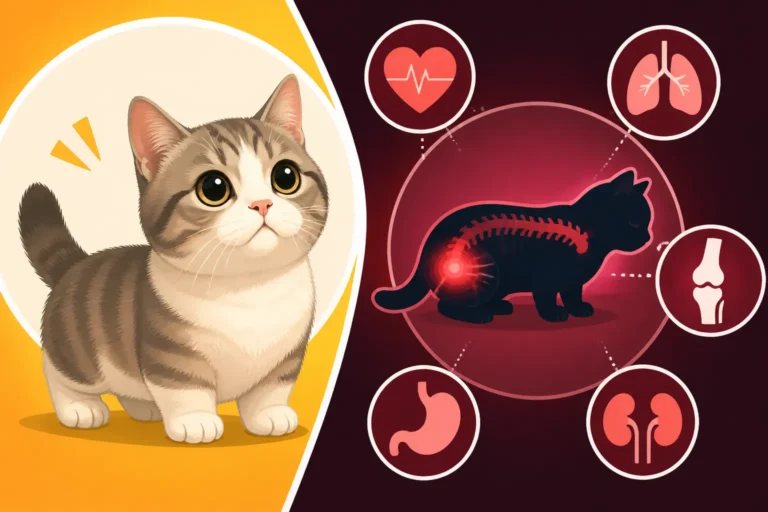
When your vet recommends an annual blood panel for your Munchkin, they're not just throwing out medical jargon. These tests are incredibly powerful diagnostic tools that give an "inside look" at what's happening within your cat's body, often long before outward symptoms appear. For Munchkins, with their specific considerations, understanding these panels can bring immense peace of mind.
Complete Blood Count (CBC): What It Reveals
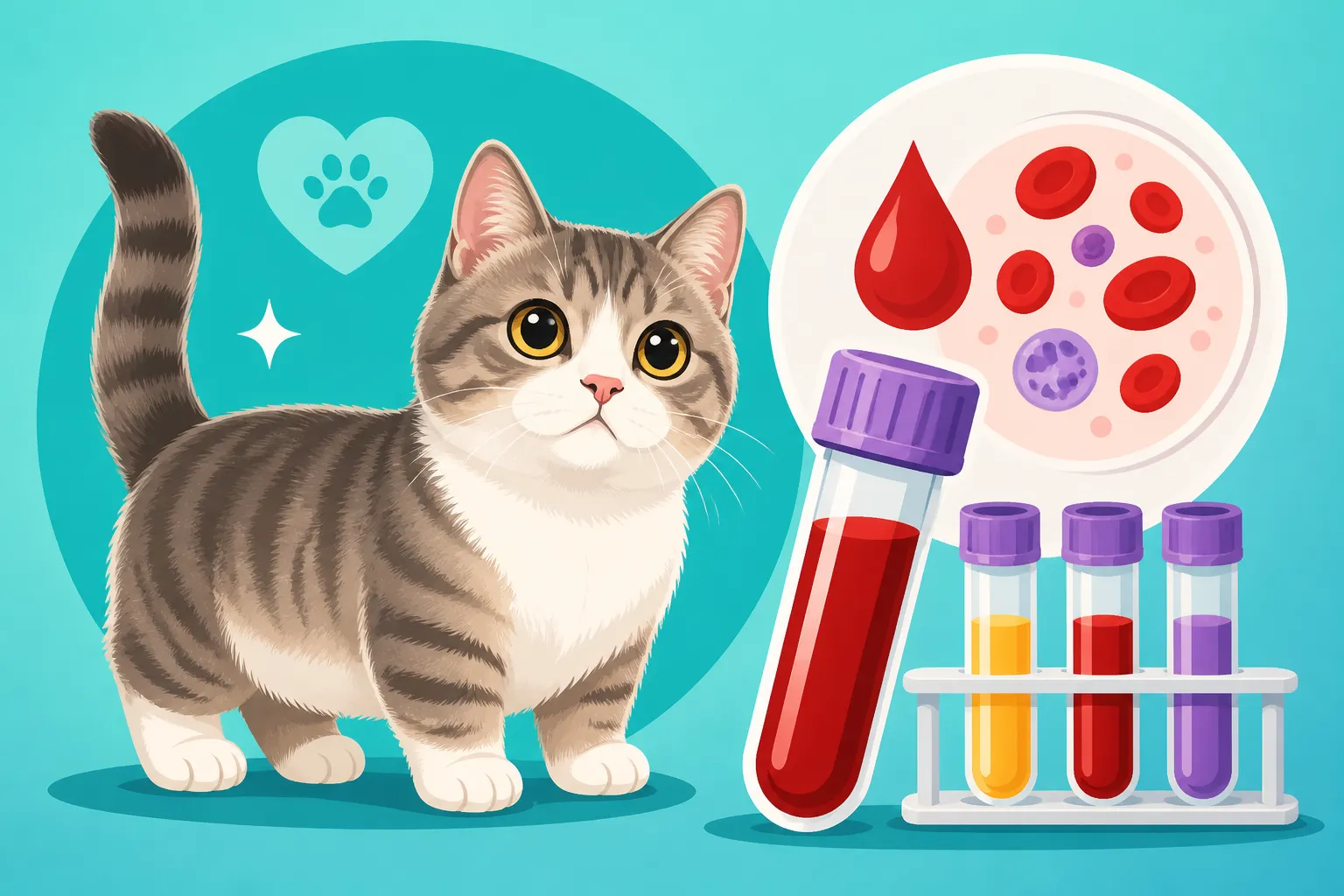
The Complete Blood Count, or CBC, is a foundational test that provides a snapshot of your Munchkin's overall health by evaluating the different types of cells circulating in their blood. It’s a bit like a census of their cellular population, and it can tell us a lot.
- Red Blood Cells (RBCs): These are responsible for carrying oxygen throughout the body. Abnormalities here can indicate anemia (too few red cells, leading to lethargy and weakness) or polycythemia (too many red cells). Anemia, for instance, could be a sign of chronic disease, internal bleeding, or nutritional deficiencies, all of which could impact a Munchkin's energy levels and put stress on their system.
- White Blood Cells (WBCs): These are the immune system's soldiers. A high count often points to infection or inflammation somewhere in the body, while a low count can indicate an immunosuppressed state. Given the potential for subtle inflammation from joint stress in Munchkins, monitoring WBCs can be particularly insightful. For example, persistent, low-grade inflammation might show up as elevated neutrophils or other specific white cell types, prompting further investigation into joint health or other systemic issues.
- Platelets: These tiny cells are vital for blood clotting. Low platelet counts (thrombocytopenia) can lead to bruising or abnormal bleeding, which is a serious concern. Conversely, high counts can sometimes indicate inflammation or an underlying disease process.
The CBC offers an invaluable overview of your Munchkin's immune response, oxygen-carrying capacity, and clotting ability. It helps detect a wide array of conditions, from parasitic infections to certain types of cancer, making it a cornerstone of their yearly health assessment.
Chemistry Panel (Biochemistry Profile): Key Organ Function Markers
The chemistry panel, also known as a biochemistry profile, is where we delve into the functionality of your Munchkin's internal organs and metabolic processes. This panel measures various chemicals, enzymes, and proteins in the blood, providing crucial insights into how well organs like the kidneys, liver, and pancreas are performing.
- Kidney Function (BUN, Creatinine, SDMA): These markers are incredibly important. Blood Urea Nitrogen (BUN) and Creatinine are waste products filtered by the kidneys. Elevated levels can indicate that the kidneys aren't functioning optimally. Even more sensitive is SDMA (Symmetric Dimethylarginine), which can detect kidney disease much earlier than BUN and creatinine, sometimes months or even years before other signs appear. Given that kidney disease is a common ailment in aging cats, early detection is crucial, especially for Caring for a Munchkin Past Ten. Knowing about impending kidney issues allows for dietary and medical interventions that can significantly slow progression and improve your Munchkin's quality of life.
- Liver Function (ALT, ALP, Bilirubin): The liver is a powerhouse organ involved in detoxification, digestion, and metabolism. Elevated Alanine Aminotransferase (ALT) and Alkaline Phosphatase (ALP) can signal liver damage or disease, while high Bilirubin might indicate issues with bile flow or red blood cell breakdown. Monitoring these values helps ensure your Munchkin's liver is performing its many vital functions without strain.
- Pancreatic Function (Amylase, Lipase, fPLI): Amylase and Lipase are enzymes that aid in digestion. Elevated levels can suggest pancreatitis, an inflammation of the pancreas, which can be quite painful. For more specific pancreatic concerns, feline Pancreatic Lipase Immunoreactivity (fPLI) is a more accurate test. While not a breed-specific issue, keeping an eye on these helps manage your Munchkin's digestive health.
- Glucose: This measures blood sugar levels. Persistently high glucose can be a red flag for diabetes, a condition that can affect cats of any breed, including Munchkins. Early detection and management are key to preventing serious complications.
- Electrolytes (Sodium, Potassium, Chloride): These minerals are essential for hydration, nerve function, and muscle contraction. Imbalances can be indicative of dehydration, kidney disease, Addison’s disease, or other metabolic disturbances. Ensuring these are in balance helps confirm overall systemic stability.
This comprehensive chemistry panel helps paint a detailed picture of your Munchkin's metabolic health and organ function, enabling your vet to identify subtle issues before they become full-blown problems. If a concern is flagged, pet insurance providers like Healthy Paws can be a real lifeline, helping to cover the costs of further diagnostics and necessary treatments.
Thyroid Hormone (T4) Screening: Catching Hyperthyroidism Early
For middle-aged and senior Munchkins, adding a thyroid hormone (T4) screening to their annual blood panel is absolutely vital. Hyperthyroidism, a condition where the thyroid gland produces too much hormone, is incredibly common in older cats. It speeds up their metabolism, leading to a host of symptoms that can sometimes be mistaken for normal aging.
Symptoms might include weight loss despite a ravenous appetite, increased thirst and urination, restlessness, a poor coat, and sometimes even vomiting or diarrhea. For a Munchkin, whose mobility might already be a consideration, the muscle weakness associated with hyperthyroidism could further impact their ability to navigate their home comfortably.
By including a T4 test, your vet can detect hyperthyroidism early. Treatment options are available and often very effective, ranging from medication to radioactive iodine therapy. Catching it early means your Munchkin can receive treatment promptly, slowing the progression of the disease and significantly improving their comfort and longevity. This proactive step ensures that their body isn't unnecessarily taxed by an overactive thyroid, which can also put strain on their heart. Considering Which Blood Values Matter Most in a Munchkin, T4 is certainly high on that list for older cats.
Tailoring the Blood Panel to Your Munchkin's Age and Lifestyle
Just like humans, cats’ health needs evolve as they age. A young, spry Munchkin kitten will have different diagnostic requirements than a graceful senior. Tailoring their annual blood panel to their stage of life and individual circumstances is a smart, personalized approach to veterinary care.
Kitten and Young Adult Munchkins: Baseline and Early Detection
For Munchkin kittens and young adults, a baseline blood panel is invaluable. Even if they appear to be bouncing off the walls with energy and show no outward signs of illness, this initial comprehensive panel provides a snapshot of their health when they are presumably in their prime. This baseline becomes a critical reference point for future blood work, allowing your vet to detect subtle shifts and trends over time that might indicate an emerging health issue. It’s about establishing their "normal."
Additionally, a kitten's early vet check-up might include screening for certain congenital conditions, though many of these are identified through physical exams. A blood panel at this stage can catch things like early signs of immune system quirks or metabolic imbalances that might not yet be causing noticeable symptoms. Knowing their baseline also means that if they do fall ill later, comparing current results to their healthy baseline allows for a much more accurate diagnosis of what has changed. This early investment in diagnostics truly sets the stage for a lifetime of informed care. Why a Munchkin Kitten Needs an Early Vet Check cannot be overstated, and a baseline blood panel is a crucial part of that initial comprehensive assessment.
Senior Munchkins: Expanded Screening for Age-Related Ailments
As your Munchkin enters their golden years – typically around 7-10 years of age – their annual blood panel should become more comprehensive. This is the period when age-related conditions like kidney disease, hyperthyroidism, and diabetes become much more prevalent. These conditions can progress silently for a long time before overt symptoms appear, and by then, the disease might be more advanced and harder to manage.
For senior Munchkins, specific attention should be paid to:
- SDMA: As mentioned, this kidney marker is particularly sensitive and can detect early kidney decline. Catching kidney disease in its earliest stages allows for dietary changes (like prescription kidney diets from brands like Royal Canin or Purina Pro Plan Veterinary Diets) and supportive care that can significantly slow its progression and improve quality of life.
- Thyroid (T4): Regular screening for hyperthyroidism is a must. If left untreated, it can lead to severe weight loss, heart problems, and other systemic issues that compound the normal challenges of aging.
- Expanded Chemistry Panel: A more detailed chemistry panel might include measurements of phosphorus, calcium, and protein levels, which can further indicate kidney function, bone health, and overall nutritional status.
- Urinalysis: While not a blood test, a urinalysis is often done in conjunction with senior blood work and provides crucial information about kidney function, hydration, and the presence of urinary tract infections, which can often go unnoticed in older cats.
The goal for senior Munchkins is early intervention. By routinely screening for these common age-related ailments, you and your vet can stay ahead of the curve, making timely adjustments to their care plan to ensure their comfort and extend their healthy years. When considering What an Old Munchkin Stops Being Able to Do, addressing underlying health issues with proactive screening can keep them active and engaged for longer. This is also where investing in pet insurance like Healthy Paws becomes really valuable, as diagnostics and ongoing management for chronic conditions can add up.
Additional Tests to Consider for Specific Concerns
Beyond the standard annual blood panel, your vet might recommend additional tests based on your Munchkin's individual health, lifestyle, or any symptoms you might be observing.
One common add-on is a urinalysis. This simple test, collected from your cat's urine, gives incredible insight into kidney function, hydration status, and can detect urinary tract infections, crystals, or even early signs of diabetes. Since many cats are prone to urinary issues, especially as they age, pairing a urinalysis with blood work provides a more complete picture of their renal and bladder health.
For Munchkins with specific outcross breeds in their lineage, or if there's any suspicion of genetic predispositions, your vet might discuss genetic testing. While there isn't a specific DNA test for the Munchkin dwarfism gene itself yet that directly predicts health outcomes beyond the short legs, breeders will often screen the outcross parent for known genetic diseases common to that breed (e.g., PKD for Persians, HCM for Maine Coons). Understanding these inherited risks can help guide future diagnostic efforts.
If your Munchkin spends any time outdoors, or if you live in a region where certain parasites are prevalent, a heartworm test and regular fecal exams to check for intestinal parasites might also be recommended. Even indoor cats can sometimes be exposed to parasites, so these are important considerations that go beyond the typical blood panel but contribute to a full understanding of their health. Remember, a comprehensive approach means looking at the whole cat and their environment.
What to Discuss with Your Veterinarian
Navigating your Munchkin's health can feel overwhelming, but your veterinarian is your strongest ally. Open and honest communication is absolutely key to ensuring your short-legged friend receives the best possible care. Don't be afraid to speak up and ask questions.
Communicating Your Munchkin's Unique Needs
When you bring your Munchkin in for their annual check-up, it’s not just about the vet examining them. It's also your opportunity to share what you've observed at home. Since Munchkins can have unique ways of moving and interacting with their environment, subtle changes in their behavior might be more significant than they appear.
Think about these points before your visit:
- Mobility Changes: Have you noticed them hesitating before jumping onto a low chair or using their ramp less frequently? Are they moving slower or less gracefully? These could be early signs of joint discomfort or stiffness. How Arthritis Shows in a Munchkin's Front Legs can sometimes start subtly, making your observations crucial.
- Appetite and Thirst: Any changes in how much they're eating or drinking? Are they suddenly hungrier or thirstier than usual? These are common indicators of underlying metabolic issues.
- Litter Box Habits: Are there any changes in urination or defecation frequency, volume, or consistency? Are they having accidents outside the box? For a Munchkin, a low-entry litter box is a necessity, but sudden changes can still signal problems.
- Grooming: Is your Munchkin struggling to groom their back or hindquarters, leading to mats or dirty patches? This can be an early sign of discomfort or reduced flexibility. What a Munchkin Cannot Reach to Groom is a known challenge, but a sudden increase in ungroomed areas is concerning.
- Energy Levels: Are they playing less, sleeping more, or generally less engaged than usual?
- Weight Fluctuations: Have they gained or lost weight unexpectedly? Even a slight change can put more strain on their body.
Don't assume your vet will automatically know these subtle shifts. You live with your Munchkin every day, and your observations are incredibly valuable. Communicating these details helps your vet tailor their examination and interpret the blood panel results more accurately. It allows them to truly assess How to Judge a Munchkin's Quality of Life from a holistic perspective.
Understanding the Results and Next Steps
Once the blood panel results are in, your veterinarian will interpret them in the context of your Munchkin’s physical exam findings, your observations, and their medical history. It's important to remember that a blood panel is just one piece of the diagnostic puzzle. No single test tells the whole story.
Your vet will explain what each abnormal value might mean and whether it’s a cause for concern. Sometimes, a slightly elevated value might be clinically insignificant, or it might point to a need for further investigation, such as additional blood tests, X-rays, or ultrasound. Don't hesitate to ask questions:
- What do these numbers mean for my Munchkin?
- Are any of these results concerning?
- What are the next steps? Do we need more tests, dietary changes, or medication?
- How often should we recheck these values?
- Are there any lifestyle adjustments I should make at home?
Understanding the results empowers you to make informed decisions about your Munchkin's care. If follow-up treatments or diagnostics are recommended, having pet insurance like Healthy Paws can significantly ease the financial burden, allowing you to prioritize your cat's health without added stress. Always ask for a copy of your Munchkin's blood work results to keep in your own records, helping you track their health journey over the years.
Key Components of a Munchkin's Annual Blood Panel
Here's a quick overview of what typically comprises an annual blood panel for your Munchkin cat, and what each component helps your vet understand:
| Blood Panel Component | What It Measures | What It Can Indicate for Your Munchkin |
|---|---|---|
| Complete Blood Count (CBC) | Red blood cells, white blood cells, platelets | Anemia, infection, inflammation (e.g., joint stress), bleeding disorders |
| Chemistry Panel | ||
| – BUN, Creatinine, SDMA | Kidney function | Early kidney disease, dehydration, urinary blockages |
| – ALT, ALP, Bilirubin | Liver function | Liver damage, bile duct issues, other systemic diseases |
| – Glucose | Blood sugar levels | Diabetes, stress-induced hyperglycemia |
| – Amylase, Lipase, fPLI | Pancreatic function | Pancreatitis (inflammation of the pancreas) |
| – Electrolytes | Sodium, Potassium, Chloride balance | Dehydration, kidney disease, endocrine imbalances |
| Thyroid Hormone (T4) | Level of thyroid hormone | Hyperthyroidism (especially in senior cats) |
This table provides a simplified look; your vet will offer a much more nuanced explanation of your Munchkin's specific results.
Disclaimer
The information provided in this article is for general informational purposes only and is not intended as a substitute for professional veterinary advice, diagnosis, or treatment. Always seek the advice of your qualified veterinarian with any questions you may have regarding a medical condition or health concerns for your Munchkin cat. Never disregard professional veterinary advice or delay in seeking it because of something you have read in this article.