What a Standard Munchkin Is
Many prospective Munchkin owners find themselves wading through a confusing sea of terms like "standard," "rug hugger," "teacup," and "non-standard" when trying to understand this unique breed. It's easy to get lost in the jargon and wonder what you're truly getting, and perhaps more importantly, what it means for the cat's health and daily life. This comprehensive guide aims to cut through the confusion and explain exactly what constitutes a "Standard Munchkin," clarifying their defining characteristics, breeding specifics, and what you can expect when welcoming one into your home.
Unpacking the Term "Standard Munchkin"
When you hear "standard" associated with a Munchkin cat, it can refer to a couple of different things, both important for understanding the breed. Primarily, it often relates to the official breed standard set by cat registries, but it also commonly describes a specific range of leg length that falls within acceptable parameters. Without a clear understanding, it’s easy for confusion to creep in, especially when breeders use varying terminology.
The Official Breed Standard from TICA
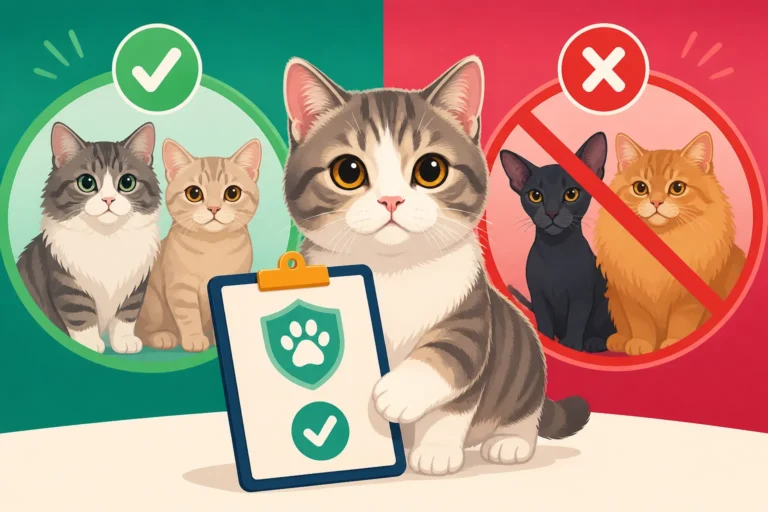
The International Cat Association (TICA) is the primary registry that fully recognizes the Munchkin cat and allows it to compete for championship status. When TICA talks about a "Standard Munchkin," they are referring to a cat that meets all the criteria outlined in their official breed standard. This standard isn't just about leg length; it encompasses everything from head shape, eye placement, ear size, body conformation, and even temperament. The term "standard" here signifies adherence to these guidelines, ensuring a consistent and recognizable breed type.
For a Munchkin to be considered a true "Standard" in the show ring, it must embody the balance and characteristics TICA has laid out. This recognition by TICA means that the breed has a defined blueprint that breeders strive to achieve, providing a framework for healthy and aesthetically pleasing cats. It's worth remembering that TICA Judges the Munchkin and CFA Will Not Register It, which highlights the unique position of this breed within the wider cat fancy.
"Standard" as a Descriptor for Leg Length
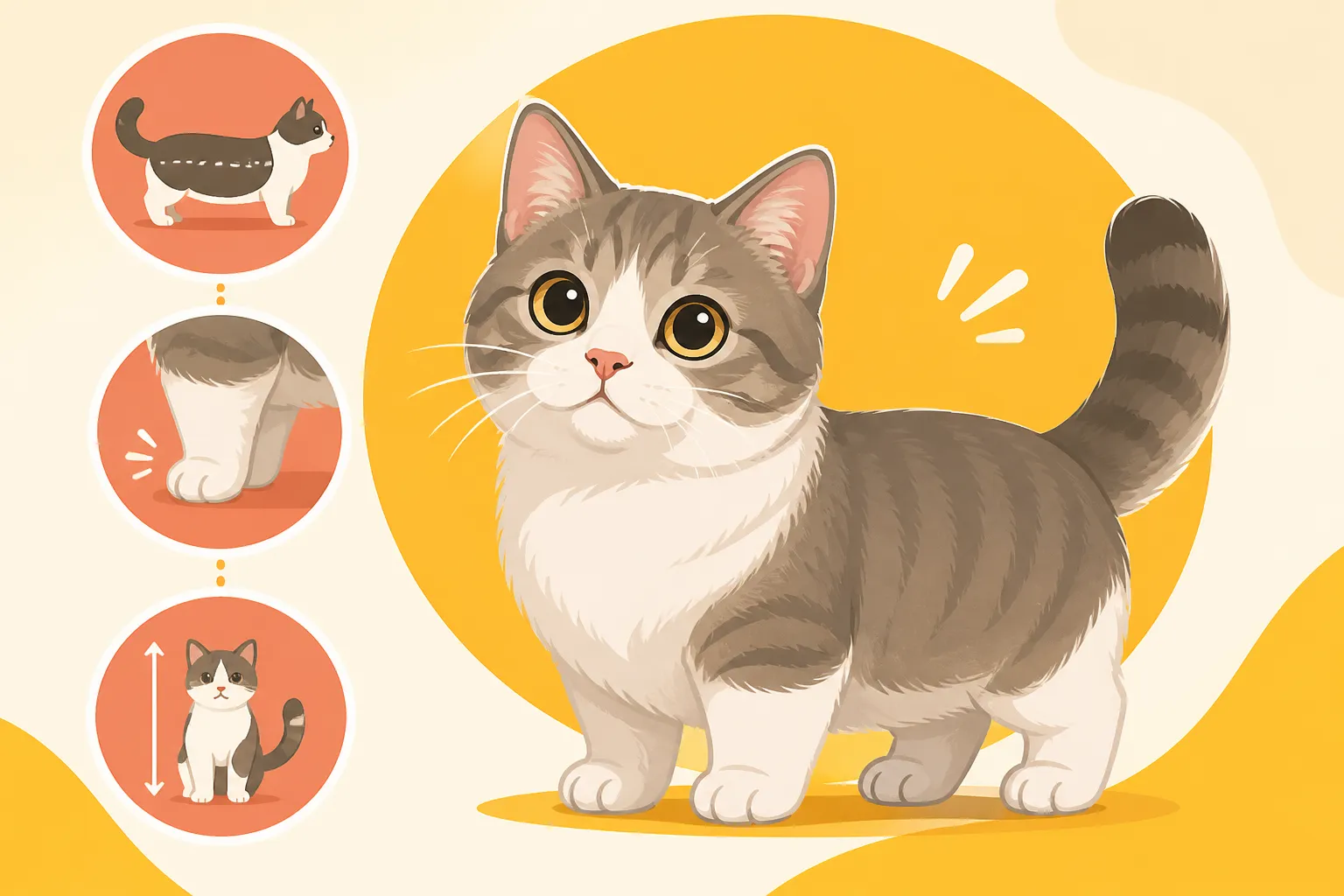
Beyond the overall breed standard, "Standard Munchkin" is very frequently used to describe a cat whose short legs fall within a particular, moderate range. The Munchkin breed is defined by its characteristic short legs, a form of dwarfism called pseudoachondroplasia. However, not all short legs are created equal! There's a spectrum. A "Standard Munchkin" typically has legs that are noticeably shorter than a domestic cat's, but not so severely shortened that they significantly impede movement beyond the breed's typical limitations. These cats move with a distinctive ferret-like gait but can still run, play, and navigate their environment with relative ease, especially if their home is adapted.
Think of it as the middle ground of leg length for the breed. They can still achieve some verticality, might manage smaller jumps, and generally exhibit good mobility on the flat. This contrasts with more extreme presentations, which we'll discuss later. Breeders often gauge leg length in kittens to predict how well they'll fit this "standard" definition.
Why Clarity in Terminology Matters
The proliferation of terms in the Munchkin world can be incredibly misleading for prospective owners. When a breeder advertises a "Standard Munchkin," they should ideally be referring to a cat that meets TICA's physical standards and possesses a moderate, healthy leg length. However, without a universal, legally enforced definition for every single term, some unscrupulous breeders might use "standard" loosely or even misleadingly. It's crucial for buyers to ask precise questions about leg length, expected adult size, and to review the kitten's parentage and health guarantees.
Clear communication helps set expectations, ensuring you understand the unique needs and capabilities of your future feline companion. Terms like "teacup" or "mini" are often marketing ploys and do not refer to a recognized size within the breed, which is why Why a Teacup Munchkin Listing Is a Scam is such an important read for potential owners. Understanding the correct terminology empowers you to make an informed and ethical decision.
The Defining Physical Traits of a Standard Munchkin
A Munchkin cat's most striking feature is, of course, its short legs, but there's much more to their appearance that makes them unique and endearing. A "Standard Munchkin" encompasses a specific set of physical attributes that contribute to their charm and, crucially, their overall health and functionality. It's about proportion and balance, not just shortness.
The Characteristic Short Legs
The legs of a Standard Munchkin are proportionally shorter than those of a typical domestic cat. This is due to an autosomal dominant gene that affects the long bones of the legs. While their legs are short, their body length remains normal, which creates a unique silhouette where their body appears long and low to the ground. Typically, their front legs may appear slightly shorter than their hind legs, or have a slight bowing. However, the key characteristic of a Standard Munchkin is that these shortened limbs do not severely compromise their mobility or cause constant discomfort.
They can still run at surprising speeds on level ground, play vigorously, and even manage small jumps onto low furniture. The shortened legs are what make them distinct, but in a well-bred Standard Munchkin, they are functional, allowing for a relatively normal cat life, albeit one that requires environmental adaptations. It’s worth exploring Why a Munchkin's Legs Are Short but Its Body Is Not for a deeper dive into this fascinating genetic trait.
Balanced Body and Build
Despite the short legs, a Standard Munchkin's body should be of normal length and muscularity, well-proportioned, and balanced. They are not miniature cats; they are cats with short legs. Their chest should be broad and well-developed, and their spine should be flexible and free from severe curvature like lordosis or pectus excavatum. The TICA standard emphasizes a strong, moderate body, not overly dainty or heavily built. This balance is critical for their long-term health, as their spine and joints will bear the brunt of any excess weight or structural anomalies.
A robust, well-muscled body helps support their unique frame, enabling them to move fluidly. Imagine a furry, low-slung loaf of bread moving swiftly across the floor—that’s the essence of a well-built Standard Munchkin. Their normal body length also means they can stretch and groom most of themselves, though some areas, particularly the hindquarters, might require a little human assistance, which we'll discuss later.
Head, Ears, and Coat Variations
Beyond their legs and body, Standard Munchkins possess a head and facial features typical of a domestic shorthair cat. Their head is usually a modified wedge, with medium-sized ears set high and wide. Their eyes are large, walnut-shaped, and expressive, and can come in any color. The breed standard allows for a wide array of coat colors and patterns, and both short-haired and long-haired varieties are recognized. This means you can find Standard Munchkins in every imaginable feline hue, from sleek black to shimmering silver tabby, and with plush short fur or flowing, silky long locks.
The versatility in coat and color means that while their legs are their defining feature, their overall appearance can be incredibly diverse. This broad genetic palette also stems from the necessary practice of outcrossing, which helps maintain genetic diversity within the breed. Regardless of their coat length or color, the underlying structure of a Standard Munchkin remains consistent according to the breed standard: a cat with healthy, functional short legs and a well-proportioned body.
The Genetics and Breeding of a Standard Munchkin
Understanding the genetics behind the Munchkin cat is paramount, not just for breeders but for anyone considering bringing one into their home. It explains why they look the way they do and why specific breeding practices are so crucial for their health and the future of the breed.
Understanding the Autosomal Dominant Gene
The short legs of a Munchkin cat are caused by a spontaneous genetic mutation, specifically an autosomal dominant gene. This means that only one copy of the gene is needed for a cat to display the short-legged trait. If a cat inherits even one copy of this gene, it will have short legs. This mode of inheritance is critical to understanding Munchkin breeding. Unlike some recessive traits that can hide for generations, the short-leg gene always expresses itself.
However, it's also important to understand that inheriting two copies of this gene (homozygous) is lethal. Kittens that inherit two copies of the Munchkin gene will not develop and are reabsorbed in the womb, meaning they are never born. This is why you will never see a breeder deliberately mating two short-legged Munchkins together; it would result in fewer viable kittens and is considered unethical. For a deeper dive, consider reading How Munchkin Dwarfism Is Inherited.
The Role of Outcrossing in Breeding
Because two copies of the Munchkin gene are lethal, and to maintain genetic diversity, Munchkins are always bred to normal-legged domestic cats. These normal-legged cats are often referred to as "Munchkin outcrosses." The outcross can be a domestic shorthair or longhair, or even another recognized breed, provided it adheres to TICA's approved outcross list. This practice ensures that only one parent carries the short-leg gene, preventing the lethal homozygous condition and widening the gene pool.
When a short-legged Munchkin is bred with a normal-legged cat, each kitten in the litter has a 50/50 chance of inheriting the short-leg gene. This means that every Munchkin litter will contain a mix of short-legged and normal-legged kittens. This deliberate breeding strategy is foundational to the ethical continuation of the breed and is precisely Why a Munchkin Is Always Bred to a Normal Legged Cat.
What About Long-Legged Munchkin Kittens?
In every litter born from a Munchkin-to-outcross breeding, approximately half of the kittens will inherit the short-leg gene and grow up to be short-legged Munchkins. The other half will not inherit the gene and will have normal-length legs, just like their non-Munchkin parent. These normal-legged siblings are often called "non-standard Munchkins" or simply "Munchkin variants." They are genetically indistinguishable from any other domestic cat once they mature, carrying no copies of the short-leg gene.
These normal-legged kittens are perfectly healthy and make wonderful pets, often sold at a lower price than their short-legged siblings. They play a vital role in the breeding program if they are used as future outcrosses, ensuring the continued health and genetic diversity of the Munchkin lines. For interested owners, knowing How Many Kittens in a Munchkin Litter Are Short Legged can give you a clear expectation of what to expect from a well-planned breeding.
Life with a Standard Munchkin: Adaptations and Care
Welcoming a Standard Munchkin into your home means embracing their unique physical characteristics and making thoughtful adjustments to ensure their comfort, safety, and well-being. They are cats, through and through, but their short legs do present certain limitations that a responsible owner must address.
Navigating the Home Environment
A Standard Munchkin, despite its short legs, is an active and curious cat. They love to explore, play, and observe their surroundings from elevated spots, just like any other feline. However, their ability to jump and climb is significantly reduced. They might struggle to reach a high windowsill, a tall bed, or even a kitchen counter that a normal-legged cat would effortlessly scale. This isn't a sign of weakness or pain; it's simply a physical limitation.
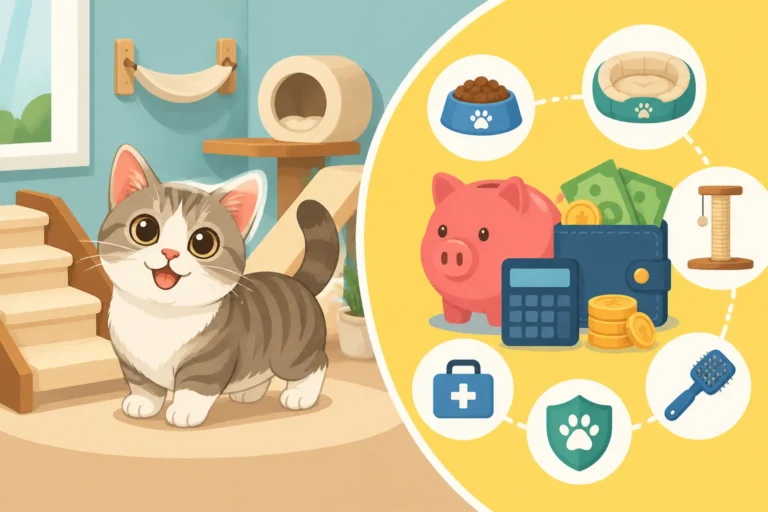
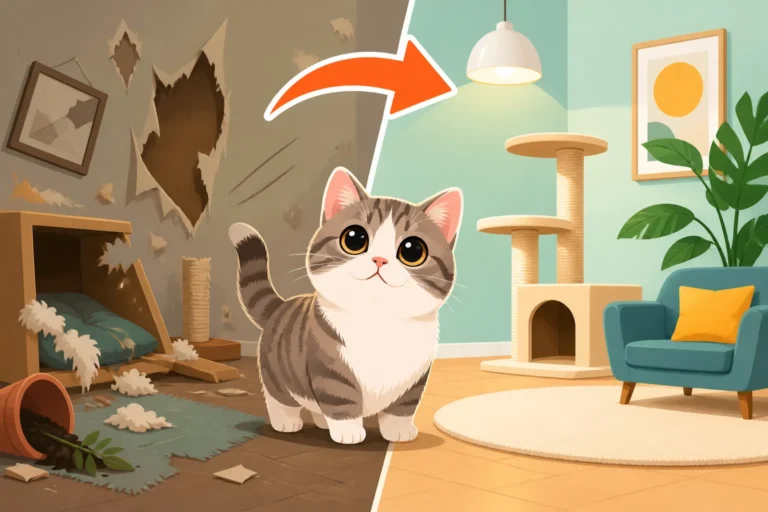
Therefore, your home environment needs to be adapted. This means providing ramps or sturdy steps for access to favorite sleeping spots, sofas, and windowsills. Low-entry litter boxes are a must to prevent strain on their backs when entering and exiting. Cat trees need to have closely spaced platforms, or you might opt for horizontally oriented scratchers and play areas. Many owners find themselves rearranging furniture to create "staircases" that allow their Munchkin to ascend and descend safely. For a deep dive into adapting your space, consider reading With a Munchkin the House Changes, Not the Cat. You can find a vast array of pet supplies, including adapted litter boxes and ramps, on sites like Chewy.
Essential Grooming and Hygiene
While a Standard Munchkin has a normal-length body, their short legs mean that some areas of their body can be tricky for them to reach for self-grooming. This is particularly true for their hindquarters and the underside of their belly. Over time, these areas can become matted, especially in long-haired Munchkins, or accumulate litter and debris from the litter box. Regular owner intervention is crucial to prevent these issues from becoming health problems like skin irritation or infections.
Daily brushing, especially for long-haired varieties, is essential. Pay close attention to the rear, undercarriage, and behind the ears. For some Munchkins, particularly those with a very low-slung belly or long hair around their sanitary area, a regular sanitary trim by an owner or a professional groomer may be necessary. This helps keep them clean and comfortable. Learning Grooming the Half of a Munchkin It Cannot Reach will empower you to provide the best care.
Health Considerations and Lifespan
Standard Munchkins are generally robust and healthy cats, and their lifespan is comparable to that of other domestic felines, often living 12-15 years or more. However, their unique physical structure does mean there are specific health considerations to be aware of. The most discussed concerns relate to their spine and joints, particularly conditions like lordosis (an inward curvature of the spine) and pectus excavatum (a sunken chest). While these conditions are not exclusive to Munchkins, their prevalence and impact are often debated within the breed.
Maintaining a healthy weight is paramount for a Standard Munchkin, as any extra pounds put undue strain on their short legs and spine. Regular vet check-ups, including discussions about joint health and weight management, are important. Joint supplements might be recommended as they age. Quality nutrition plays a significant role in overall health, supporting healthy weight and joint function. Pet insurance, such as through Healthy Paws, can also provide peace of mind for unexpected health issues, though it's important to understand what their policies cover regarding breed-specific conditions. For a comprehensive overview, read about Which Health Problems the Munchkin Actually Has.
Differentiating the Standard Munchkin from Other Types
The world of Munchkin cats is not uniform. Beyond the "Standard Munchkin" definition, you'll encounter other terms and types, some legitimate and some designed to mislead. It's vital to know the difference to avoid confusion and ensure you're making an informed choice.
"Rug Huggers" and "Super Shorts"
These terms, while not part of the official TICA breed standard, are commonly used by breeders and enthusiasts to describe Munchkins with more extremely shortened legs than a "Standard."
- Rug Hugger: A "Rug Hugger" Munchkin has legs that are notably shorter than a "Standard" Munchkin. Their belly often seems to nearly touch the floor, and their mobility might be more limited. They excel at running along the ground but may struggle even more with vertical movement. Some argue that this extreme shortness can lead to increased health challenges or mobility restrictions, making their care requirements more intensive. If you're encountering this term, you might want to look at What a Rug Hugger Munchkin Is and Why It Costs More.
- Super Short: This term usually implies an even greater degree of leg shortness than a "Rug Hugger." These cats are the extreme end of the spectrum and their welfare is a more significant concern for many critics of the breed.
While some find these extremely short-legged cats adorable, it's crucial to evaluate their quality of life. The increased shortness of legs can put additional strain on their spine and joints, and may lead to difficulties with self-grooming and even using a regular litter box. Always prioritize health and mobility over extreme aesthetics.
Hybrid Breeds: Stacking Mutations
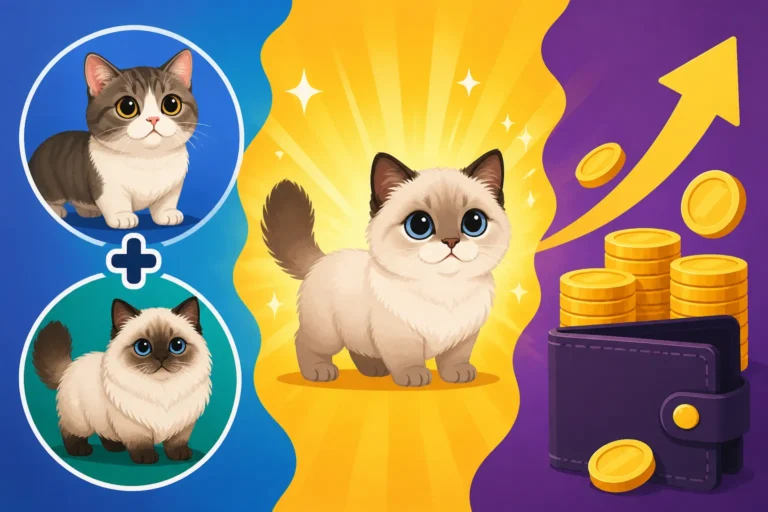
The Munchkin gene has been used to create several "hybrid" or "designer" breeds by crossing Munchkins with other established breeds. Examples include the Minuet (Munchkin x Persian/Himalayan), the Bambino (Munchkin x Sphynx), and the Kinkalow (Munchkin x American Curl). While these breeds are often recognized by TICA as separate, developing breeds, they are distinct from a purebred Munchkin.
The primary concern with these hybrids, particularly those that involve other breeds with known genetic health issues, is the "stacking" of mutations. For instance, crossing a Munchkin with a Scottish Fold can combine two skeletal mutations (the short legs of the Munchkin and the cartilage defect of the Scottish Fold), potentially leading to severe musculoskeletal problems. This is a practice that many veterinarians and animal welfare organizations strongly object to, and it's important to understand Why Munchkin Hybrids Stack Two Mutations. Always research any hybrid breed thoroughly to understand the full spectrum of potential health issues.
The Problem with Marketing Terms Like "Teacup" or "Dwarf"
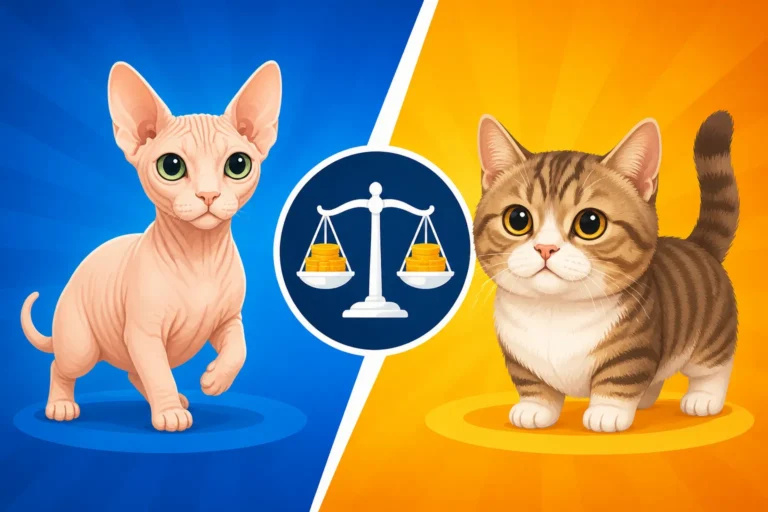
Beyond the established "Standard," "Rug Hugger," and hybrid terms, you'll sometimes encounter breeders using marketing terms like "Teacup Munchkin," "Miniature Munchkin," or simply "Dwarf Cat." It's imperative to understand that these terms are not recognized breed descriptors within any reputable cat association. They are often used to create a perception of extreme smallness or uniqueness, which can command higher prices.
Often, a "teacup" cat is simply a smaller-than-average cat, or worse, a cat that is malnourished or suffering from a genetic anomaly not associated with the Munchkin gene. The term "dwarf" is medically accurate for the Munchkin's chondrodysplasia, but when used as a specific breed type, it can be vague and confusing. Always be wary of breeders using such unregulated terminology. A responsible breeder will always refer to their cats by TICA-recognized terms or clearly explain the leg length variations without resorting to marketing hype. Focus on a cat's health, temperament, and adherence to established breed standards rather than misleading buzzwords.
| Munchkin Term | Leg Length Description | TICA Recognition | Primary Concern for Owners |
|---|---|---|---|
| Standard | Noticeably short, but with good mobility | Yes (Breed Std) | Environmental adaptation; joint health |
| Rug Hugger | Extremely short, belly often very close to floor | No (Informal) | Increased mobility challenges; spinal strain |
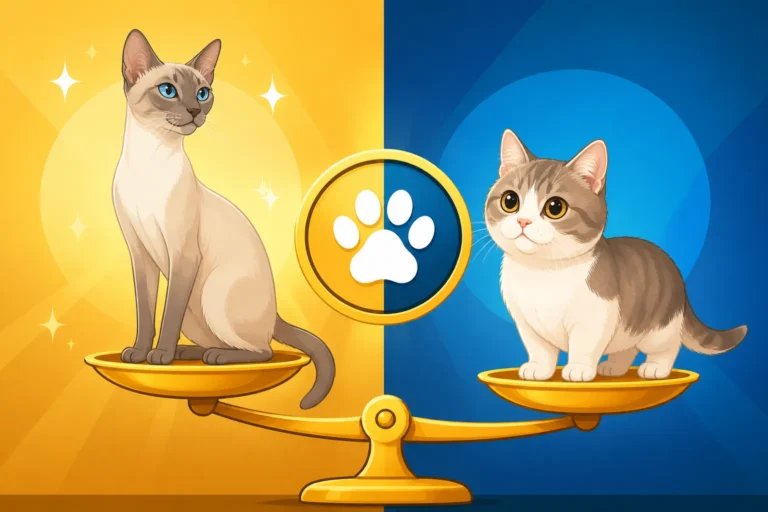
| Non-Standard | Normal length legs (from a Munchkin litter) | Yes (Variant) | No short-leg issues; may still carry outcross traits |
| Teacup/Mini | Marketing term; not a recognized size/type | No | Often unhealthy, malnourished, or mislabeled |
| Hybrid | Munchkin crossed with another breed (e.g., Minuet) | Yes (Developing) | Stacking of genetic mutations; complex care |
Disclaimer
This article is for general informational purposes only and does not constitute professional advice. Laws, prices and regulations vary by location and change over time. Consult a qualified professional for guidance on your specific situation.