Why a Munchkin’s First Year Includes Rebuilding a Room
Bringing a Munchkin cat into your home is an incredibly exciting time, full of anticipation for cuddles and playful antics. However, many new Munchkin owners quickly discover that their seemingly cat-friendly home isn't quite ready for a short-legged feline. The reality is that the first year with a Munchkin often involves a substantial investment in adapting your living space, going far beyond typical pet supplies. This guide will walk you through why your home will need a "remodel" for your new compact companion and what those adaptations entail.
Understanding the Munchkin's Unique Needs from Day One
It's easy to fall in love with the adorable, distinctive appearance of a Munchkin cat, but it's crucial to understand that their short legs aren't just a cute aesthetic. They fundamentally alter how these cats interact with their environment, requiring a thoughtful approach to home setup. Neglecting these differences can lead to frustration for your cat and potential health issues down the line.
The Physical Reality of Short Legs
Imagine trying to navigate your daily life if everything was suddenly just a little bit out of reach, or every step up was a significant leap. That's often the reality for a Munchkin cat in a home designed for average-sized felines. Their shortened limbs mean that jumps that are effortless for a standard cat become challenging, dangerous, or simply impossible for a Munchkin. They can't launch themselves with the same power or absorb landings with the same grace. This isn't a temporary kitten phase they'll grow out of; it's a permanent physical characteristic.
This limitation means that surfaces like kitchen counters, high windowsills, beds, and even some sofas can become inaccessible or dangerous. While a Munchkin might be surprisingly agile on flat ground, their vertical limitations are very real. They might attempt jumps repeatedly, leading to strain on their spine and joints, or they might simply give up and remain confined to the floor, missing out on important vertical territory that cats instinctively seek. Understanding these physical realities is the first step in creating a truly inclusive home. For more on this, consider Why a Munchkin's Spine Carries a Load a Normal Cat's Does Not.
The Psychological Impact of Inaccessibility
Beyond the physical challenges, the inability to reach desired spots can have a significant psychological impact on a Munchkin. Cats are naturally curious and territorial, and they often feel safest and most content when they have access to high vantage points from which to observe their surroundings. When a Munchkin can't reach a sunny windowsill, a cozy spot on the bed, or the top of a cat tree, they can become frustrated, stressed, or even withdrawn. They might feel vulnerable if they can't escape to a higher perch when feeling threatened by a child or another pet.
This constant feeling of being "left out" or unable to participate fully in the household can lead to behavioral issues. A cat that cannot reach its favorite spots might seek attention in less desirable ways, or it might become reclusive. It's not fair to expect a cat to simply adapt to an environment that constantly reminds it of its physical limitations. Creating accessible routes to all the places a cat enjoys isn't just about comfort; it's about fostering a sense of security and belonging for your Munchkin.
Initial Investments: Making Every Level Accessible
Once you understand the physical and psychological needs of a Munchkin, the next step is practical adaptation. This often involves a significant upfront investment in ramps, steps, and modified furniture to ensure your cat can navigate its world safely and happily.
Ramps and Steps for Essential Furniture
Think about how many times a day you or your family members use a sofa, a bed, or a favorite armchair. These are often prime real estate for cats, offering comfort and a sense of belonging. For a Munchkin, however, these everyday items can become insurmountable obstacles. A standard sofa height, typically around 18-20 inches, is a serious challenge for a cat whose legs are only a few inches long. Repeatedly jumping up and down can put undue stress on their spine and front legs, potentially leading to long-term joint issues. Whether a Munchkin Should Be Discouraged From Jumping is a crucial question to ask yourself.
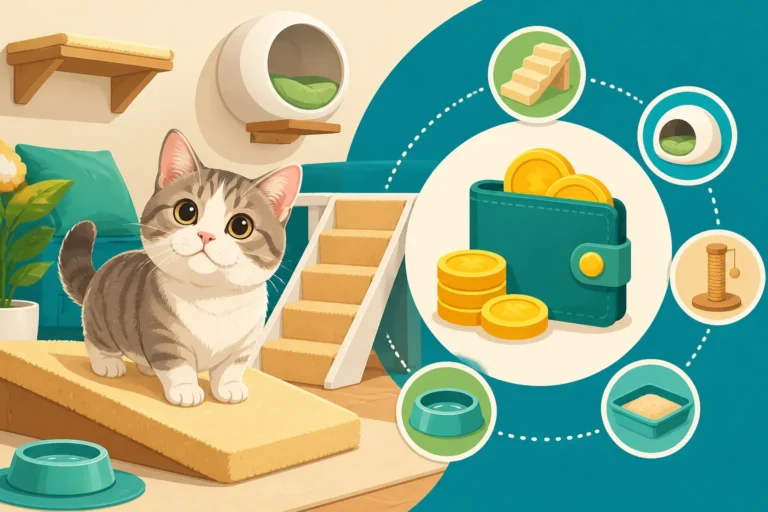
This is where ramps and steps become indispensable. You'll likely need multiple sets, strategically placed around your home. Look for sturdy, carpeted ramps or steps with a gentle incline and a non-slip surface to give your Munchkin confidence. They need to be wide enough to feel secure and placed close to the furniture so there’s no gap to jump over. You might find yourself investing in a set of steps for the living room sofa, another for your bed, and perhaps a smaller ramp to a favorite windowsill perch. These aren't luxuries; they're essential tools for your Munchkin's mobility and quality of life. Consider browsing a wide selection on pet supply sites like Chewy, which often have various styles and sizes.
Cat Trees and Vertical Space Reimagined
Cats, by nature, are climbers. They love to survey their domain from on high, feeling safe and secure. A standard cat tree, with its tall, widely spaced platforms, is unfortunately almost entirely useless to a Munchkin. The gaps between levels are simply too large for their short legs to bridge safely, and the height makes the initial leap impossible. Trying to use such a tree can be a source of frustration, or worse, a fall hazard.
Instead, you'll need to reimagine vertical space. This might involve purchasing specialized Munchkin-friendly cat trees that feature very close-set platforms, a series of low-gradient ramps between levels, or even custom-built structures. Alternatively, you can adapt existing furniture by creating "staircases" out of low bookcases, sturdy ottomans, or custom-built steps leading to a safe, elevated cat bed or perch. The goal is to provide multiple accessible routes up and down, ensuring your Munchkin can reach those desired high spots without strenuous jumping. When shopping, look for terms like "senior cat tree" or "cat steps" for ideas. Which Cat Tree Layout Suits a Munchkin can give you further guidance on this.
Rethinking Basic Amenities: Food, Water, and Litter
Even the most basic necessities like eating, drinking, and using the litter box need a fresh perspective when you share your home with a Munchkin. What works for a regular cat can be a source of discomfort or even health problems for your short-legged friend.
Low-Entry Litter Boxes: A Non-Negotiable
A standard litter box, with its typical 5-7 inch high entrance, can be a major challenge for a Munchkin. Imagine trying to step over a barrier that comes up to your chest several times a day – it's awkward, uncomfortable, and potentially painful. For a Munchkin, constantly trying to hoist themselves over a high lip can cause unnecessary strain on their back and hips, especially as they get older. Over time, this discomfort might even lead to litter box aversion, causing accidents outside the box.
For this reason, low-entry litter boxes are an absolute non-negotiable. These boxes feature a cutout or a ramped entrance that allows your Munchkin to simply walk in and out with ease. You can find excellent options on sites like Chewy, specifically designed for kittens, senior cats, or those with mobility issues. Some owners even modify existing litter boxes by cutting a U-shape into one side. The key is to ensure the entrance is no more than 2-3 inches high, allowing for effortless access. How Low a Munchkin Litter Box Entry Should Be is a critical measurement to keep in mind, and Why a Munchkin Needs a Litter Box It Can Walk Into highlights the importance of this change.
Accessible Food and Water Stations
Just like navigating a high litter box, bending down repeatedly to eat and drink from floor-level bowls can be uncomfortable for a Munchkin. Their short stature means they have to crouch significantly, putting strain on their neck, shoulders, and spine. While it might seem like a minor detail, over the course of years, this can contribute to stiffness and discomfort, particularly in their front joints.
To alleviate this, consider investing in raised food and water bowls. These bowls sit in a stand that elevates them a few inches off the ground, allowing your Munchkin to eat and drink in a more natural, upright posture without having to crane their neck or hunch their back. Look for bowls that are wide and shallow to prevent whisker fatigue and are made from easy-to-clean materials like ceramic or stainless steel. Some cats prefer a gentle slope to their water, so a low-profile fountain might also be an option, but always ensure it's easily reachable. Why a Munchkin's Food and Water Belong at Floor Level explains this in more detail, even if the "floor level" here refers to the level of their mouth, not literally on the floor.
Beyond Furniture: Adapting the Entire Environment
Adapting a home for a Munchkin isn't just about big pieces of furniture; it's about considering the entire living environment and ensuring that every aspect supports their unique physical capabilities.
Floor-Level Enrichment and Play
Cats need mental and physical stimulation, and a significant part of that comes from play. For a Munchkin, most of this play will happen at floor level. Toys that require high jumps or extensive climbing might go unused, leading to boredom and potentially destructive behaviors. Instead, focus on enriching their ground-level experience. This means investing in a variety of toys that can be chased, pounced on, and batted across the floor. Wand toys with long handles are excellent for engaging them without requiring you to bend too much, allowing them to "hunt" effectively.
Puzzle feeders that require them to manipulate objects to get treats are also fantastic for mental stimulation at their height. Cat tunnels, crinkle balls, interactive laser pointers (used responsibly), and small plush toys are all excellent choices. Create designated play zones on the floor with soft rugs for traction and comfort. Remember, a stimulated Munchkin is a happy Munchkin, and ensuring their environment supports their natural playful instincts, within their physical limits, is key.
Safety Considerations: Preventing Falls and Injury
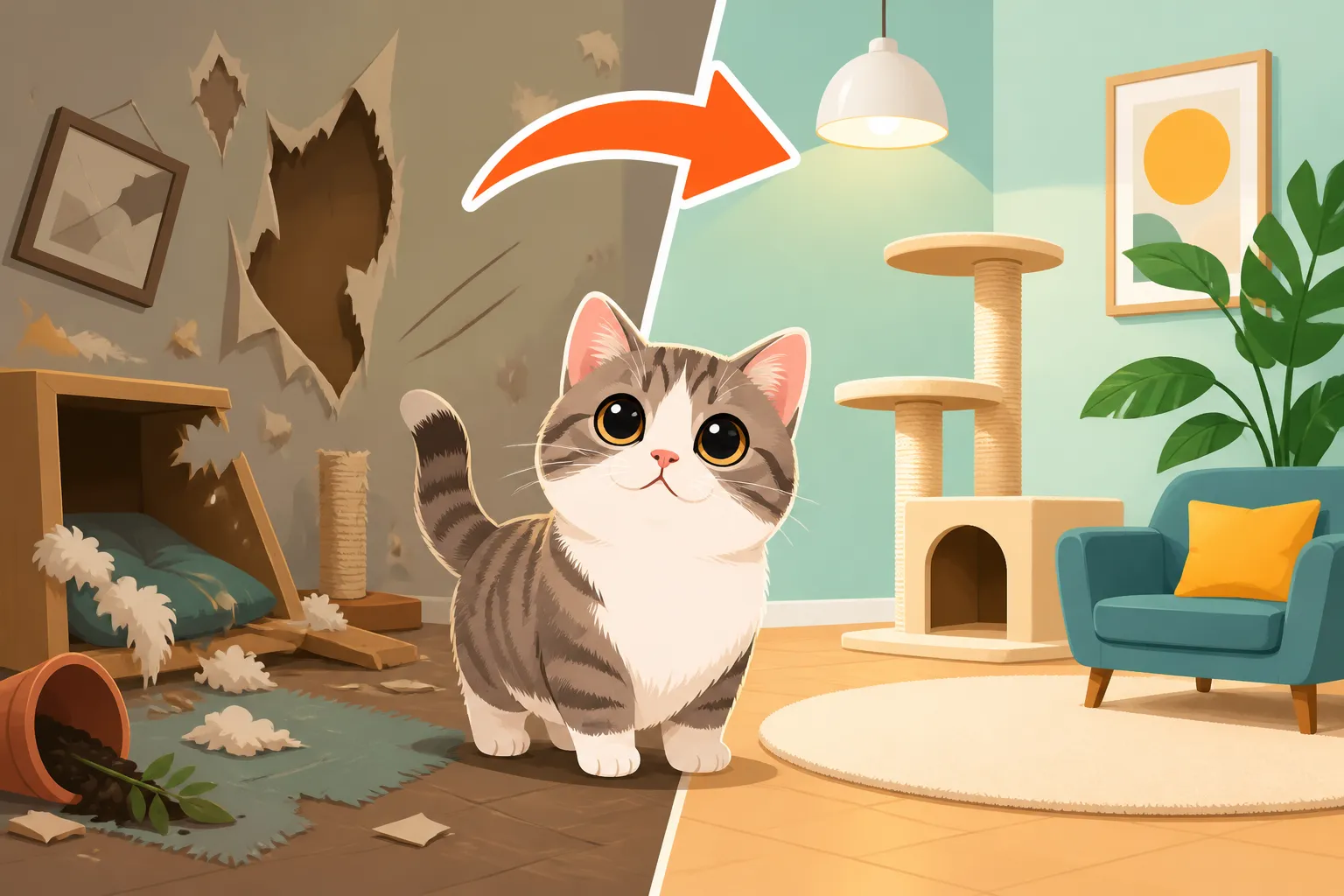
Perhaps the most critical reason to "rebuild a room" for your Munchkin is safety. An unadapted home is full of potential hazards for a short-legged cat. A risky jump off a tall bed or a desperate attempt to scale a slippery shelf can lead to sprains, fractures, or worse, serious spinal injuries. Unlike long-legged cats that can often recover from an awkward landing, the unique biomechanics of a Munchkin's spine and joints mean they are less forgiving of impact.
Consider placing soft rugs or pet mats at the base of any furniture they might attempt to jump from, providing a cushioned landing. Block off areas that are too high and inaccessible, preventing them from trying. If you have stairs, consider whether your Munchkin can safely navigate them, especially when descending, which can be harder than going up. If not, baby gates might be necessary to restrict access, protecting them from falls and repeated strain. Thinking proactively about potential risks can save you emotionally and financially from emergency vet visits down the road.
Long-Term Financial Implications and Proactive Planning
The initial investment in adapting your home is just the beginning. The decision to bring a Munchkin into your life carries ongoing financial considerations, many of which stem directly from their unique physical structure and the care required to keep them healthy and happy. What the Short Legs Actually Cost a Munchkin can provide even more perspective.
Ongoing Maintenance and Replacements
Ramps, steps, and specialized cat trees aren't a one-time purchase. Like any household items, they will experience wear and tear over time. Carpeting on ramps can fray, steps can become wobbly, and even the best-made items eventually need replacing or repairing. This means you'll need to budget for periodic replacements to ensure your Munchkin always has safe and reliable access to their favorite spots. Think of it like replacing tires on a car; it's an expected part of ownership.
Additionally, you might find yourself discovering new areas that need adaptation as your Munchkin ages or as your household dynamics change. Perhaps a favorite napping spot on a new piece of furniture becomes popular, requiring a new set of steps. Or, as your Munchkin enters their senior years, they might need even lower inclines and more cushioned surfaces. Planning for these ongoing maintenance and adaptation costs will ensure your home remains a safe haven for your furry friend throughout their life.
The Cost of "Not Adapting": Health and Behavioral Issues
While the upfront cost of adapting your home might seem significant, it pales in comparison to the potential expenses and heartbreak of not adapting it. An unadapted home can lead directly to expensive vet bills. Repeated strenuous jumps can result in joint pain, early-onset arthritis, or even spinal issues such as lordosis, which is a common concern in Munchkins. How Osteoarthritis Shows in a Munchkin's Shoulders is a good read on a specific example. Falls from height can cause fractures or soft tissue injuries requiring emergency care, X-rays, medication, or even surgery.
| Item Category | Standard Cat Home Use | Munchkin Adapted Home Use | Purpose |
|---|---|---|---|
| Furniture Access | Jumping onto sofa/bed | Ramps/steps to sofa/bed/windowsill | Prevents joint strain, ensures access to comfort. |
| Vertical Space | Tall cat tree with wide platforms | Low-platform cat tree, furniture steps | Provides safe vantage points, reduces fall risk. |
| Litter Box | Standard high-sided box | Low-entry or cut-out box | Prevents back/hip strain, avoids litter aversion. |
| Food/Water Bowls | Floor-level bowls | Raised bowls | Eases neck/shoulder strain, promotes comfortable posture. |
| Play & Enrichment | Toys requiring jumps/climbs | Floor-level toys, tunnels, puzzle feeders | Provides safe mental and physical stimulation. |
| Floor Surfaces | Hardwood/tile everywhere | Rugs/mats near landing zones | Improves traction, cushions accidental falls. |
Beyond physical health, chronic frustration from an inaccessible environment can lead to behavioral problems like inappropriate urination, anxiety, or aggression. Addressing these issues often requires professional behavioral consultation, which also comes with a cost. Investing proactively in home adaptations is truly an investment in your Munchkin's long-term health, happiness, and your peace of mind. Consider looking into pet insurance providers like Healthy Paws early on. While it won't cover pre-existing conditions or preventative items like ramps, it can be invaluable for unexpected injuries or illnesses that might arise, especially if certain predispositions become active later in life, proving that What a Munchkin Costs Over Thirteen Years is a significant consideration. Sadly, Why a Munchkin in an Unadapted House Ends Up Rehomed is a too-common consequence when owners don't realize the full extent of the commitment.
Disclaimer
This article is for general informational purposes only and does not constitute professional advice. Laws, prices and regulations vary by location and change over time. Consult a qualified professional for guidance on your specific situation.