Why a Munchkin Advertised as Dwarf Is a Warning
It’s a heart-sinking moment when you’re eagerly searching for a Munchkin kitten and you stumble upon an ad proudly proclaiming "Dwarf Munchkin for Sale!" Your first thought might be, "Oh, how cute, even smaller!" But let me tell you, as someone who’s been around the block in the world of unique cat breeds, that particular phrase is almost always a huge warning sign that you need to approach with extreme caution. This guide is here to unravel why seeing "dwarf" in a Munchkin advertisement should make you pause and do some serious digging.
Understanding the Munchkin's Unique Dwarfism
First things first, let's clear up some terminology. The Munchkin breed does have a form of dwarfism. It's what gives them their adorable, short legs! But the way breeders and pet sellers use the word "dwarf" can be incredibly misleading and often points to practices that aren't focused on the health and welfare of these special cats.
Achondroplasia vs. Pseudoachondroplasia
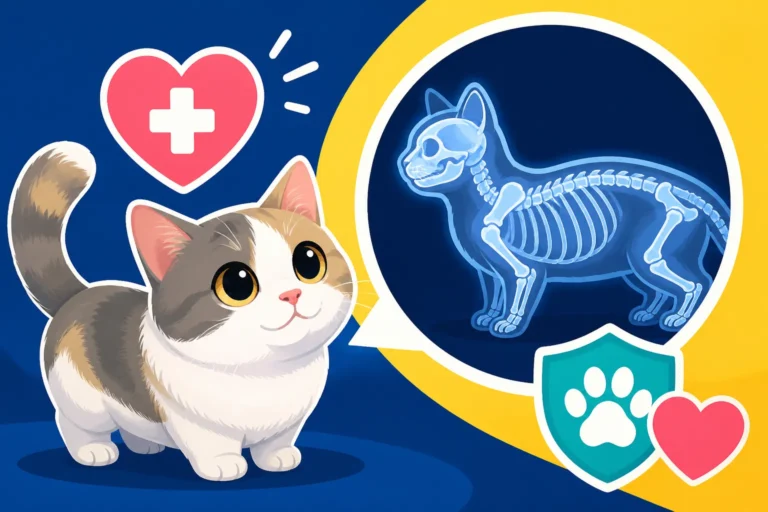
The specific genetic condition responsible for a Munchkin's short legs is called pseudoachondroplasia. This is crucial because it primarily affects the long bones of the limbs, making them shorter than usual, but it generally spares the growth of the skull, spine, and other internal organs. A typical, well-bred Munchkin has a body length and size that is otherwise proportionate to a regular cat, just with shorter legs. Think of it this way: their legs are short, but their backbone, skull, and internal organs are still developing to a normal feline size. This is why you'll often hear that Why a Munchkin's Legs Are Short but Its Body Is Not – their spine, in particular, should be the length you'd expect in a cat of their build.
True achondroplasia, on the other hand, is a more severe form of dwarfism that affects bone growth more broadly, often leading to a disproportionately large head, shortened muzzle, and more significant spinal issues. While both are forms of dwarfism, the Munchkin's specific type (pseudoachondroplasia) is generally considered less impactful on overall skeletal health when properly managed and bred responsibly. The issue arises when sellers use the general term "dwarf" to obscure the important distinctions and potentially hide more severe, unacknowledged health problems.
Why "Dwarf" is Technically Correct but Problematic in Marketing
So, if Munchkins are technically a dwarf breed, why is the term "dwarf Munchkin" in an ad such a red flag? It's all about context and intent. A reputable breeder who is transparent about the breed's genetics will explain pseudoachondroplasia and focus on the health standards for Munchkins. They won't need to sensationalize it with an overly broad or evocative term.
When you see "dwarf" thrown around casually in an advertisement, especially alongside terms like "teacup" or "mini," it often signals someone trying to sell an extreme version of a cat. It preys on the desire for something "extra unique" or "extra small," which, in the world of animal breeding, can often lead to prioritizing aesthetics over health. It's a marketing tactic that can mislead buyers into thinking they're getting a rarer or more special cat, when in reality, they might be getting a cat with compounded health risks.
The Red Flags of "Dwarf" Advertising
Let's dive deeper into why this particular phrasing is so concerning and what it might be trying to cover up.
Marketing Gimmicks and Misinformation
The phrase "dwarf Munchkin" can be a deliberate marketing gimmick. In the pet world, uniqueness often translates to higher prices. By adding "dwarf" to an already unique breed name like "Munchkin," a seller might be attempting to create a perception of an even rarer or more exclusive animal. This can lead to inflated prices for cats that might not actually be any different from a standard Munchkin, or worse, cats that have additional health issues.
Imagine seeing an ad that says "Super Dwarf Munchkin! Even smaller!" It sounds intriguing, right? But what does "super dwarf" actually mean in a healthy, breed-standard context? Usually, nothing good. It's similar to how some breeders might use Why a Munchkin Advertised as Teacup Is a Scam – these terms are not recognized by breed standards and are often used to mislead buyers. They exploit a lack of knowledge about what constitutes a healthy, well-bred Munchkin, focusing on novelty rather than welfare.
Hiding Other Conditions
Perhaps the most alarming reason for using "dwarf" in an advertisement is to potentially hide other, more severe health conditions. While Munchkins have short legs, their spines should be normal in length and conformation, and their chests should be well-formed. However, some forms of dwarfism can lead to serious skeletal abnormalities beyond just short limbs.
For instance, severe forms of lordosis (an inward curvature of the spine) or pectus excavatum (a sunken chest) can be present in cats with more generalized skeletal dwarfism, or they can be more prevalent in poorly bred Munchkin lines. An ad that broadly calls a cat "dwarf" might be trying to divert attention from specific, debilitating conditions that affect the spine or internal organs. For example, What Lordosis Actually Is in a Munchkin can range from mild to severe, and severe cases can compress organs. Similarly, What Pectus Excavatum Does to a Munchkin's Chest can impact lung and heart function. A responsible breeder will discuss these risks openly and show clear health clearances, not hide them behind a catchy but vague label.
The Ethical Breeder's Language
Ethical, reputable Munchkin breeders are transparent and precise in their language. They will describe their cats using terms that align with the breed standard and focus on health and temperament. You'll typically hear them use terms like:
- Standard Legged Munchkin: This describes a Munchkin with legs that are noticeably short but still allow for agile movement. What a Standard Munchkin Is
- Rug-Hugger Munchkin: This refers to Munchkins with particularly short legs, where their belly is very close to the ground. While often highly sought after, responsible breeders still prioritize their ability to move comfortably. What a Rug Hugger Munchkin Is and Why It Costs More
- Long-Legged Munchkin: These are kittens from a Munchkin litter that inherit the normal-length leg gene from their outcross parent. They are still genetically Munchkins but do not express the short-leg trait.
Notice what's missing? The generic, sensationalized term "dwarf." Reputable breeders understand the nuances of the breed's genetics and the potential for misinterpretation. They prefer to educate buyers, not mislead them with vague, potentially alarming labels.
What to Look For Instead
So, if "dwarf" is a warning, what should you be looking for when searching for a healthy, well-adjusted Munchkin? It all comes down to transparency, health, and a breeder who prioritizes welfare.
Focus on Health Screenings and Breeder Transparency
The single most important thing is to find a breeder who is completely open about their cats' health and breeding practices. A good breeder should be eager to share:
- Veterinary records: Proof of health checks for the kitten and parents, including any screening for genetic conditions.
- Parental health information: Ask to see the parents, or at least photos and information about them. A breeder should be able to show you that the parents are healthy, well-tempered, and free from known hereditary issues. What a Munchkin Breeder Should Be Able to Show You goes into detail about what you should expect to see.
- Breeding philosophy: They should explain their reasons for specific pairings and how they ensure the health of their lines. They should never breed two short-legged Munchkins together, for example, as this can result in homozygous embryos that do not survive.
- Contract and guarantee: A clear contract outlining health guarantees, return policies, and neuter/spay agreements.
A transparent breeder will answer all your questions patiently and provide evidence, not just assurances.
Understanding Leg Length Descriptors
Familiarize yourself with the accepted terms for Munchkin leg lengths. As mentioned, "standard," "super short," and "rug hugger" describe the varying degrees of short legs within the breed, as opposed to different types of dwarfism.
- Standard: Legs are distinctly short, but the cat is agile and mobile.
- Super Short: Even shorter legs, with the cat's body very close to the ground. How Short a Munchkin's Legs Actually Are can vary, but these are at the extreme end.
- Rug Hugger: The most extreme expression of short legs, where the cat's belly almost touches the floor when standing.
It's important to remember that even a "rug hugger" should still be an active, happy cat without mobility impairments or spinal issues. The focus should always be on the cat's overall health and quality of life, not just how low it sits to the ground.
Observational Cues
When you visit a breeder or view videos of kittens, pay close attention to how they move and behave. This is often the best indicator of overall health and well-being.
- Movement and Gait: Observe the kitten walking, running, and playing. Does it move fluidly and without apparent pain or stiffness? Its gait should be unique but not appear clumsy or labored. Why to Watch a Munchkin Kitten Walk in Person – it’s a non-negotiable step.
- Spinal Conformation: While you're not a vet, you can look for obvious signs. Does the kitten's back appear straight and strong, or does it have a pronounced dip (lordosis) or hump? A healthy Munchkin's spine should appear largely normal. Why a Munchkin's Spine Is Normal Length despite its short legs.
- Chest Shape: Gently observe the chest area. Does it look well-rounded and full, or is there a noticeable indentation (pectus excavatum)?
- Overall Demeanor: Is the kitten playful, alert, and interactive? A healthy kitten, regardless of breed, will be curious and engaged with its surroundings.
If anything seems off, or if the breeder discourages you from observing the kittens freely, consider it a significant red flag.
The Potential Consequences of Ignoring the Warning
Falling for a "dwarf Munchkin" advertisement without proper due diligence can lead to significant heartbreak and financial strain down the line.
Increased Health Risks and Vet Bills
Cats marketed as "dwarf Munchkins" often imply an exaggeration of the short-legged trait, which can inadvertently select for more severe skeletal issues. These can include:
- Severe spinal deformities: Beyond mild lordosis, more extreme spinal curvatures can lead to nerve compression, pain, and mobility loss.
- Exacerbated pectus excavatum: A severely sunken chest can restrict lung and heart function, leading to chronic respiratory or cardiac problems.
- Joint problems: While all Munchkins need mindful joint care, those with more extreme bone deformities might suffer from earlier and more severe arthritis, especially in their shoulders and elbows, which take the brunt of their movements.
- Organ compression: In extreme dwarfism, skeletal malformations can actually compress internal organs, leading to a host of health problems.
These conditions require ongoing veterinary care, which can be incredibly expensive. From specialized diagnostics like X-rays to pain management, physical therapy, or even surgery, the costs can quickly spiral. It’s a sobering thought, but What the Short Legs Actually Cost a Munchkin can be far more than just the initial purchase price, especially if you end up with a cat whose health was compromised from the start. Pet insurance providers like Healthy Paws can be a lifesaver, but they typically won't cover pre-existing conditions, so ensuring your kitten is healthy before purchase is paramount.
Emotional and Financial Strain
Bringing a new pet into your home is supposed to be a joy. However, facing a future of constant vet visits, managing chronic pain, and potentially dealing with a severely limited quality of life for your cat can be emotionally devastating. The financial burden can also be immense, impacting your ability to provide for other needs or even other pets. It's a heavy responsibility that many people aren't prepared for, especially when they were misled about the cat's health status.
Specialized diets and mobility aids can help, but no amount of premium food or comfortable beds can truly compensate for severe, underlying skeletal issues that could have been avoided with responsible breeding.
Supporting Unethical Breeding Practices
Finally, purchasing a cat advertised with misleading or sensationalized terms like "dwarf Munchkin" inadvertently supports unethical breeding practices. Breeders who use such language are often prioritizing profit and novelty over animal welfare. They may not be conducting proper health screenings, understanding genetic inheritance, or providing adequate care for their breeding animals or kittens. By creating a demand for these ambiguously labeled cats, buyers unknowingly perpetuate a cycle of potentially unhealthy animals being bred and sold.
It's essential to be an informed and discerning buyer. Your choices have a direct impact on the welfare of animals and the future of responsible breeding. Always choose a breeder who is transparent, knowledgeable, and genuinely cares about the health and happiness of their cats.
Disclaimer
This article is for general informational purposes only and does not constitute professional advice. Laws, prices and regulations vary by location and change over time. Consult a qualified professional for guidance on your specific situation.