Why a Long Legged Munchkin Is Sold as a Pet
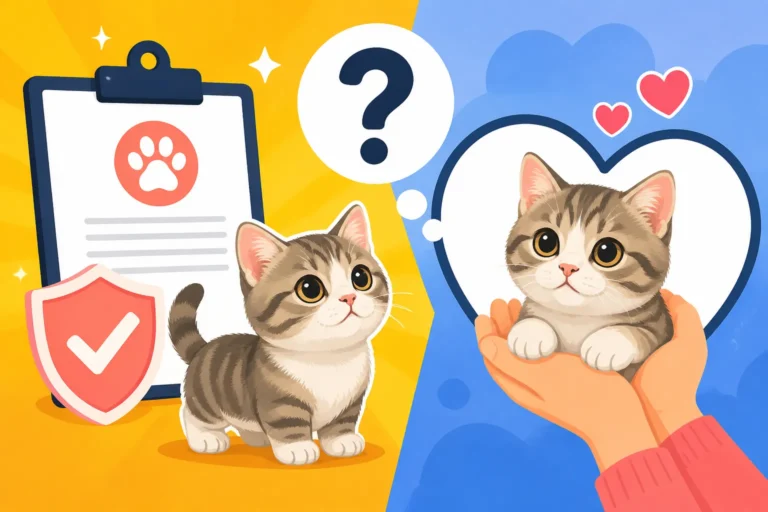
It can be quite confusing for prospective cat owners who are dreaming of a tiny-legged Munchkin kitten to learn that not every kitten in a Munchkin litter will have those adorable short legs. Many people arrive at a breeder’s door expecting every cat to fit the unique short-legged profile, and then they're surprised to hear that some kittens will have standard-length legs and are usually sold strictly as pets. This guide will walk you through the genetic realities of Munchkin breeding, explain why these long-legged siblings exist, and detail why they are an excellent, often more affordable, choice for a family pet.
The Genetics Behind Munchkin Leg Length
The very existence of Munchkin cats is rooted in a fascinating, yet sometimes controversial, genetic mutation. Understanding this inheritance pattern is key to comprehending why some kittens, even from two short-legged Munchkin parents (though this is not a recommended breeding practice), or more commonly, a short-legged Munchkin and a normal-legged cat, will develop standard-length legs. It's not a flaw; it's just how the genetics work.
The Autosomal Dominant Trait
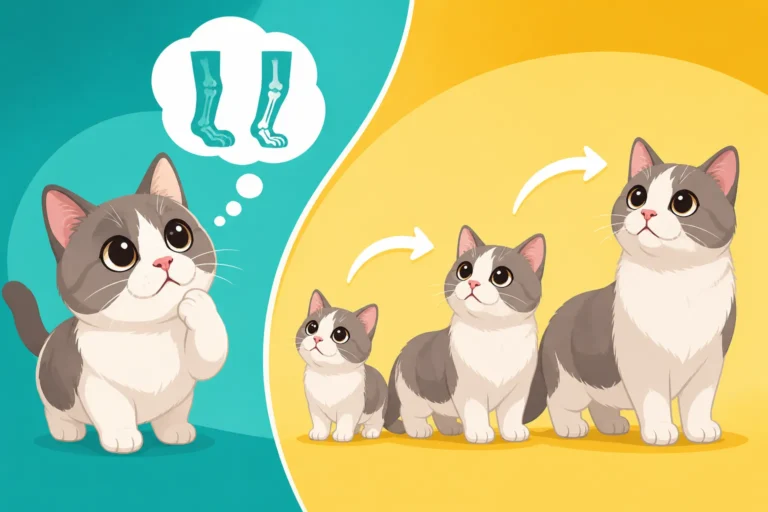
The gene responsible for the Munchkin's short legs is known as an autosomal dominant trait. What does "autosomal dominant" really mean for our feline friends? Well, "autosomal" means the gene isn't linked to sex chromosomes, so it affects both male and female cats equally. "Dominant" means that a cat only needs to inherit one copy of this gene from either parent to display the short-legged characteristic. If a kitten gets one copy of the Munchkin gene (M) and one copy of the normal leg gene (m), it will have short legs (Mm). If it gets two copies of the normal gene (mm), it will have normal-length legs. This is a fundamental aspect of How Munchkin Dwarfism Is Inherited. This single gene essentially dictates the length of their long bones, leading to the distinctive appearance that Munchkin lovers adore.
The implications of this dominant gene are vast for breeders. It means that you can't just breed two normal-legged cats and expect a Munchkin kitten to pop out; one parent must carry the dominant gene. This genetic reality also means that even when a short-legged Munchkin is part of the pairing, there's always a chance for normal-legged kittens to appear in the litter. It's a roll of the genetic dice, ensuring diversity in every litter, which is healthy for the breed's genetic pool overall.
Homozygous Lethality and Responsible Breeding
Now, here's where responsible breeding practices come in, and it’s a critical point that often gets misunderstood. If a kitten were to inherit two copies of the dominant Munchkin gene (MM), this genetic combination is considered homozygous lethal. This means that an embryo with two copies of the short-leg gene will not survive and will be reabsorbed early in the pregnancy. This is why you will never see a breeder intentionally attempt Why Two Short Legged Munchkins Are Never Bred Together. It's simply not ethical or productive.
Instead, responsible breeders always ensure that a short-legged Munchkin (which carries one short-leg gene and one normal-leg gene, Mm) is bred with a normal-legged cat (which carries two normal-leg genes, mm). This pairing guarantees that no kitten will ever inherit two copies of the lethal gene. This is Why a Munchkin Is Always Bred to a Normal Legged Cat. It’s a testament to the dedication of ethical breeders to prioritize the health and well-being of their cats above all else, including achieving a specific look. They understand the science and adhere to best practices to prevent any suffering.
The Expected Litter Distribution
Given the "Mm x mm" breeding strategy, the outcome for each kitten in a litter is statistically predictable. Roughly half of the kittens will inherit the dominant short-leg gene (Mm) and will develop the characteristic short legs. The other half will inherit two copies of the normal-leg gene (mm) and will, therefore, have standard-length legs, just like any other domestic cat. This explains How Many Kittens in a Munchkin Litter Are Short Legged.
So, when you visit a reputable breeder, don't be surprised to see a mix of leg lengths in a single litter. These long-legged siblings are not "defective" or "failed" Munchkins; they are a perfectly natural and expected part of the breeding process, and frankly, a sign that the breeder is following proper genetic protocols. They are just as much a part of the Munchkin family, sharing the same parentage and delightful personality traits, only without the characteristic leg length.
Understanding the "Standard" vs. "Non-Standard" Munchkin
The world of purebred cats, with its registries and show standards, can sometimes feel a bit like a maze. When it comes to Munchkins, the terms "standard" and "non-standard" are often used, and it's crucial to understand what these labels actually mean, especially concerning leg length. It’s not about quality but about conformation to a specific breed characteristic for showing purposes.
What Defines a "Standard" Munchkin
A "standard" Munchkin, in the context of cat registries like The International Cat Association (TICA), is a cat that possesses the characteristic short legs. This is the physical trait that defines the breed and allows it to be shown in championship classes. The degree of shortness can vary, leading to terms like "rug hugger" for the shortest-legged individuals, but the core requirement is the presence of the dwarfism gene manifested in shortened limbs. This standard is what judges look for in the show ring, and it's what many people envision when they think of a Munchkin cat.
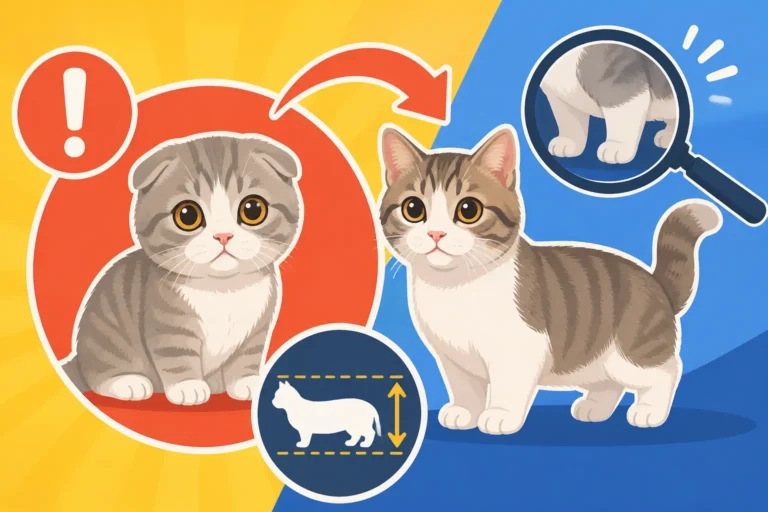
However, it's important to remember that this "standard" refers only to the leg length. It doesn't imply that the cat is superior in health, temperament, or overall quality. It simply means it meets the specific physical criteria for the breed's distinctive feature. Beyond the legs, a standard Munchkin is expected to have a normal body length, a well-proportioned head, and the myriad coat types and colors found in domestic cats.
The Role of Registries in Leg Length Classification
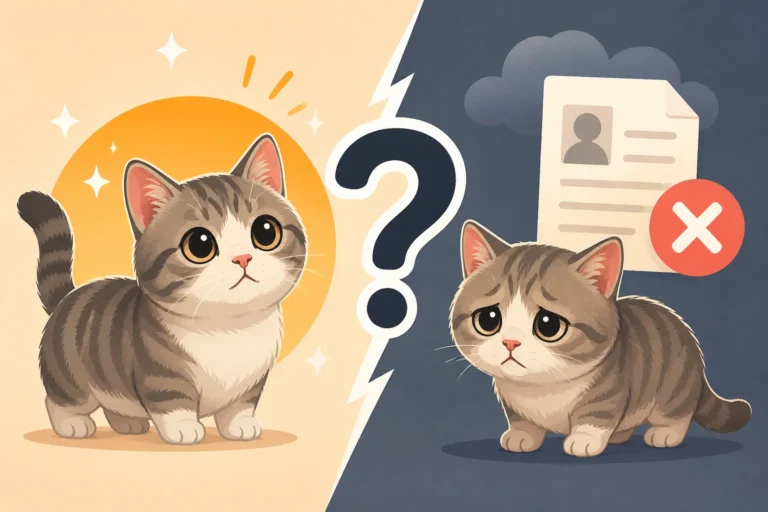
Cat registries play a vital role in defining and maintaining breed standards. For the Munchkin, TICA is the primary registry that recognizes the breed for championship status. They have clear guidelines on what constitutes a show-quality Munchkin, and, as you might guess, short legs are at the top of that list. This is also why Whether a Long Legged Munchkin Can Be Registered is a common question. While TICA will register long-legged Munchkin offspring, they are registered as "non-standard" and cannot compete in championship categories.
Other major registries, such as the Cat Fanciers' Association (CFA), do not recognize the Munchkin breed at all, largely due to concerns about the health implications of the short-legged mutation. This disagreement within the cat fancy means that the "standard" definition for a Munchkin is primarily driven by TICA's criteria, which is important for breeders aiming for show quality but less relevant for those simply seeking a beloved pet. The classification system exists to guide breeders and judges, not to devalue individual cats.
"Non-Standard" Doesn't Mean "Less"
The term "non-standard" can sometimes carry a negative connotation, implying that these cats are somehow inferior. This couldn't be further from the truth! A long-legged Munchkin kitten, sometimes referred to as a "non-standard Munchkin" or even a "Munchkin variant," is genetically still a Munchkin. It shares the same lineage, temperament, and health predispositions as its short-legged siblings, except for the leg length itself. What Happens to the Long Legged Munchkin Kittens is that they become wonderful, active, and perfectly mobile housecats.
These cats often have all the charming personality traits associated with Munchkins—playfulness, curiosity, and a loving nature—but with the added benefit of being able to jump, run, and maneuver like any other domestic cat. They don't require the same level of environmental adaptation that short-legged Munchkins sometimes do, making their care arguably simpler in some aspects. Think of them as receiving all the good genes for personality, but skipping the leg-shortening mutation.
| Feature | Short-Legged Munchkin (Standard) | Long-Legged Munchkin (Non-Standard) |
|---|---|---|
| Genetic Code | Mm (one short-leg, one normal-leg gene) | mm (two normal-leg genes) |
| Appearance | Characteristic short legs, normal body length | Standard leg length, otherwise Munchkin-like |
| Show Eligibility | Yes, TICA Championship status | No, registered as "non-standard" pets only |
| Breeding Potential | Yes, when bred to normal-legged cats | Usually not, to maintain breed integrity |
| Mobility | Unique gait, limited jumping/climbing ability | Normal cat mobility, can jump/climb freely |
| Typical Price | Higher | Lower |
| Environmental Needs | Ramps, low-entry litter boxes, adapted furniture | Standard cat environment |
| Temperament | Playful, affectionate, social | Playful, affectionate, social |
Why Long-Legged Munchkins Are Primarily Sold as Pets
The decision to sell long-legged Munchkin kittens as pets, rather than for breeding or show, is a deliberate and responsible one for ethical breeders. It ties back directly to the genetics we've discussed and the commitment to the health and welfare of the breed. It’s not about these cats being "lesser," but about them filling a different, equally important, role.
Upholding Ethical Breeding Practices
For serious Munchkin breeders, ethical practices are paramount. This means ensuring the long-term health and genetic diversity of the breed. By only using short-legged Munchkins in breeding programs (and only ever pairing them with normal-legged cats), they prevent the lethal homozygous (MM) gene combination. Therefore, Whether a Long Legged Munchkin Should Be Bred From is generally answered with a firm "no" by reputable breeders.
Allowing long-legged Munchkins (mm) to enter breeding programs for short-legged Munchkins could complicate tracking lineages and dilute the gene pool for the short-legged trait, though they theoretically could be used as outcrosses if they possess desirable non-Munchkin traits. However, breeders typically prefer to use known outcross breeds for that purpose. Their primary purpose as "non-standard" offspring is to be cherished companions, ensuring the integrity of the distinct Munchkin breed while providing wonderful pets. This commitment to ethical breeding is a hallmark of a responsible cattery.
Preventing Undesirable Genetic Outcomes
Beyond the lethal homozygous gene, there’s a broader genetic responsibility. Long-legged Munchkins, while genetically still related to the short-legged line, don't carry the dominant gene that defines the breed's unique characteristic. Introducing them into a breeding program for "standard" Munchkins wouldn't contribute the desired short-leg gene, and it could make genetic tracking more complex. The focus is on ensuring that future generations consistently display the defining traits responsibly.
Furthermore, selling long-legged Munchkins as pets helps to prevent "backyard breeding" where individuals might not understand the complex genetics involved. An inexperienced breeder might mistakenly try to breed two long-legged Munchkins together, or breed a long-legged Munchkin to a short-legged one, without full comprehension of the genetic outcomes. By selling them strictly as pets, breeders are taking a proactive step to protect the health of the breed and prevent inadvertent risky pairings.
Focus on Companion Homes
Ultimately, long-legged Munchkins are ideally suited for companion homes. They have all the lovable personality traits that make Munchkins so popular – their playful spirit, affectionate nature, and curious disposition – but without the unique mobility considerations that their short-legged siblings may have. They are full of life, able to jump onto sofas, scale cat trees, and generally navigate a home with ease, much like any other domestic shorthair or longhair cat.
Breeders strive to find loving homes for all their kittens, regardless of leg length. The long-legged kittens represent an opportunity for families who adore the Munchkin personality but might prefer a cat with full mobility or who are simply looking for a wonderful, healthy pet without the higher price tag often associated with the short-legged variants. These cats bring immense joy and are a testament to the overall positive attributes of the Munchkin breed itself, beyond just their unique stature.
The Value and Appeal of a Long-Legged Munchkin
So, if a long-legged Munchkin isn't considered "standard" for showing or breeding, what is their value? The answer is simple: they make absolutely fantastic pets. They retain all the wonderful personality traits that make Munchkins so beloved, often with fewer specialized care considerations, and they come with a significant advantage in terms of cost.
Full Munchkin Personality, Normal Mobility
One of the most appealing aspects of a long-legged Munchkin is that you get the full Munchkin personality package wrapped in a more conventionally mobile body. Munchkins are renowned for their playful, outgoing, and highly affectionate nature. They love to interact with their families, often following their humans from room to room, engaging in games, and snuggling up for cuddles. These personality traits are not tied to leg length; they are inherent to the breed's temperament.
A long-legged Munchkin will exhibit that same curious ferret-like energy and social disposition. They’re often very intelligent and can be trained to walk on a leash or play fetch. The key difference is their mobility: they can jump to higher surfaces like countertops (much to your chagrin, perhaps!) and gracefully leap onto beds and cat trees without needing ramps or steps. This means they navigate a standard home environment with ease, enjoying the vertical space that comes naturally to most felines. This normalcy in movement can be a huge draw for families who want a playful, interactive cat without needing to modify their living space extensively.
Health and Longevity Expectations
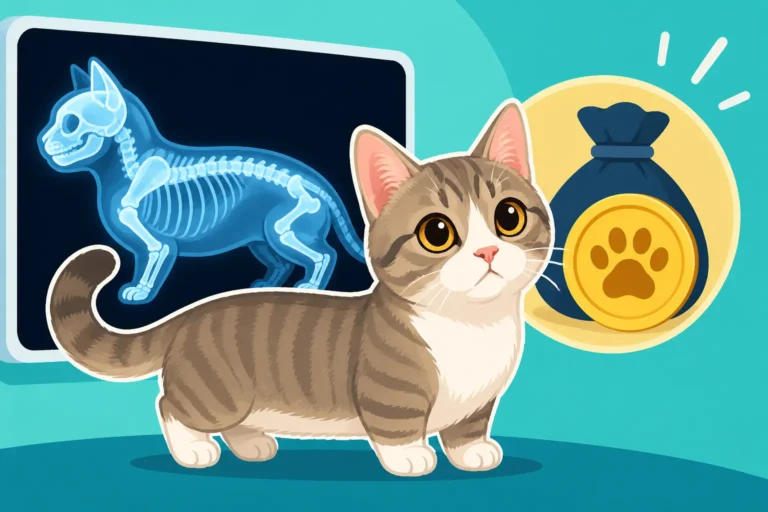
One of the common concerns surrounding Munchkin cats often revolves around potential health issues related to their shortened legs, particularly spinal issues like lordosis or pectus excavatum. While reputable breeders screen for these conditions, a long-legged Munchkin inherently carries fewer of these specific risks because they do not have the physical manifestation of the dwarfism gene. Their skeletal structure, particularly their spine and limbs, is anatomically comparable to that of any other domestic cat.
This often means that a long-legged Munchkin can live The Twelve to Fifteen Years a Munchkin Usually Gets or even longer, with health expectations similar to a standard domestic cat. They typically don't face the same concerns about joint strain from jumping down or the need for specific joint supplements as early in life. Of course, all cats need good veterinary care, nutritious food, and a loving home, but a long-legged Munchkin usually sidesteps the breed-specific skeletal concerns. This can provide peace of mind for owners worried about potential long-term health complications associated with dwarfism.
Lower Purchase Price Advantage
Let's be realistic: purebred cats can be a significant investment, and Munchkin cats, particularly those with the sought-after short legs, are often at the higher end of the price spectrum. What a shorter-legged Munchkin sells for (Why Shorter Legs Raise a Munchkin's Price) can be considerably more than their long-legged siblings. This is largely due to supply and demand, the cost of ethical breeding practices, and the desirability of the unique short-legged trait for showing.
A long-legged Munchkin kitten, precisely because it cannot be shown or used to produce more short-legged kittens, typically comes with a significantly lower purchase price. What a Long Legged Munchkin Kitten Is Worth is often a fraction of the cost of a "standard" Munchkin. This makes them an excellent option for individuals and families who adore the Munchkin personality and charm but have a more modest budget. You get all the genetic benefits of a well-bred Munchkin, the delightful temperament, and a healthy companion, without paying the premium for the short-leg characteristic. It's a fantastic value proposition for a loving pet.
Caring for a Long-Legged Munchkin
Caring for a long-legged Munchkin is, in many ways, just like caring for any other domestic cat. They are not "problem cats" and don't require highly specialized interventions directly related to their leg length. However, understanding their general needs as a well-bred feline is always important.
Standard Feline Care Needs
Because long-legged Munchkins possess a skeletal structure identical to that of a typical domestic cat, their fundamental care requirements align perfectly with standard feline care guidelines. This means focusing on a high-quality, balanced diet to support their overall health and energy levels. You'll want to ensure they have access to fresh water, a clean litter box that they can easily step into (no special low-entry boxes needed here!), and regular veterinary check-ups. Finding good quality food can make a real difference to their long-term health.
Just like any other cat, they thrive on mental and physical enrichment. This includes interactive toys, scratching posts they can stretch fully on, and plenty of opportunities for play. Their normal mobility means they'll enjoy scaling cat trees and exploring vertical spaces, so make sure they have safe outlets for these natural feline behaviors. Routine grooming, appropriate for their coat length, dental care, and parasite prevention are also crucial components of their general care regimen.
No Special Adaptations Required
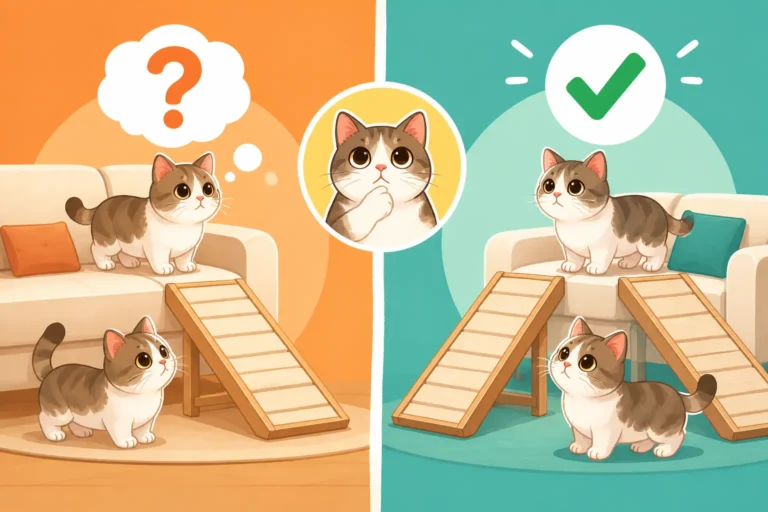
This is one of the biggest advantages of choosing a long-legged Munchkin: your home doesn't need to undergo significant modifications. Unlike their short-legged siblings who might benefit from ramps, steps, and low-entry litter boxes to prevent strain or enable access, a long-legged Munchkin will navigate your home with ease. They can jump onto your sofa, climb up to a sunny windowsill, and generally reach all the places a standard cat would.
This can be a huge relief for owners, especially those living in multi-story homes or apartments, or those with existing furniture layouts they don't wish to alter. There's no need to worry about providing special access or preventing falls from heights. Their normal mobility translates into a straightforward and uncomplicated living arrangement, allowing them to integrate seamlessly into virtually any cat-friendly household. This makes owning a long-legged Munchkin a much less logistically challenging experience than some might anticipate for a breed associated with dwarfism.
Embracing Their Natural Abilities
Instead of focusing on what a Munchkin cannot do, a long-legged Munchkin owner gets to celebrate everything their cat can do. These cats will run, jump, and play with the agility and grace of any other feline. They'll scale cat trees with confidence, leap onto your lap for cuddles, and explore every nook and cranny of their environment without limitation. This often results in a very active and engaged companion who brings endless entertainment and joy to the home.
Embracing their natural abilities also means encouraging their athleticism and ensuring they have plenty of safe outlets for their energy. They might be excellent candidates for harness training and supervised outdoor adventures in a catio, or simply for vigorous indoor play sessions. Many pet insurance providers, like Healthy Paws, offer comprehensive coverage plans that can help manage the costs of routine care and any unexpected health issues, ensuring your long-legged Munchkin can live a full, happy, and active life. Their robust health and normal mobility are truly a gift, making them a delightful and easy-to-care-for member of the family.
Disclaimer
This article is for general informational purposes only and does not constitute professional advice. Laws, prices and regulations vary by location and change over time. Consult a qualified professional for guidance on your specific situation.