How to Spot a Scottish Fold Munchkin Being Sold as a Munchkin
It’s a sad reality in the world of designer cats that some breeders, intentionally or not, can misrepresent what they’re selling. One particularly concerning trend we've seen is the sale of Scottish Fold Munchkin crosses being presented simply as Munchkins. This can lead to heartbreak and significant health issues for unsuspecting owners down the line. This guide is here to help you understand the crucial differences, spot the tell-tale signs, and protect yourself when searching for your new furry family member.
Understanding the Core Breeds: Munchkin vs. Scottish Fold
Before we can even begin to spot a hybrid, we need to have a crystal-clear understanding of what each individual breed is supposed to be. Both Munchkins and Scottish Folds carry unique genetic traits that, while charming to some, also come with their own set of considerations. When these traits are combined, the potential for complications increases significantly.
The Defining Trait of a Munchkin Cat
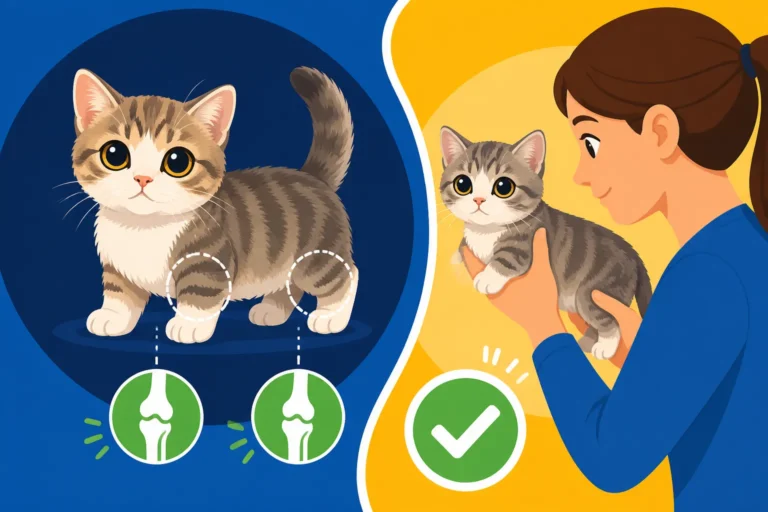
The Munchkin cat, at its heart, is defined by one primary genetic characteristic: its distinctly short legs. This is due to a natural, autosomal dominant genetic mutation that causes chondrodysplasia, a condition affecting cartilage and bone development. However, it's crucial to understand that this mutation specifically impacts the length of the long bones in the legs, while the rest of the cat's skeleton, including its spine, typically develops normally. Think of it this way: a Munchkin is a regular housecat with miniature legs.
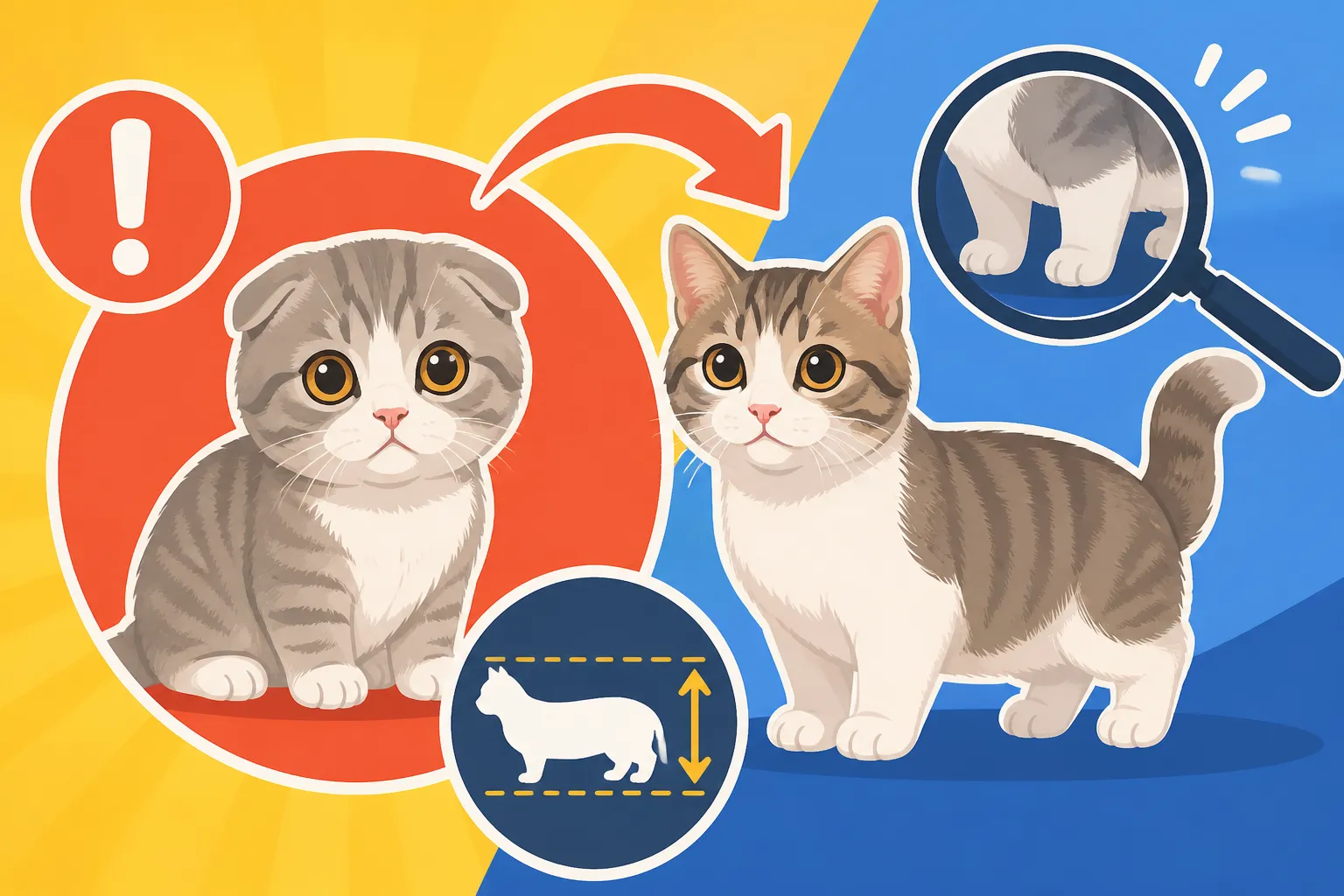
Their body type, head shape, and facial features should otherwise be consistent with a domestic cat – often sleek and athletic despite their short stature. They don't have a squashed face, a specific eye set, or a unique body shape beyond the leg length. Their spine is a normal length, not shortened, which is why they are often described as looking like ferrets when they run. The key here is that Why a Munchkin's Legs Are Short but Its Body Is Not is an important piece of understanding. Without the folded ears, a Munchkin is essentially a domestic shorthair or longhair cat on short legs.
The Defining Trait of a Scottish Fold Cat
Now, let's talk about the Scottish Fold. This breed is known and loved for its adorable, forward-folding ears, which give them an almost owl-like appearance. This unique ear fold is also the result of a dominant genetic mutation, but it’s a much more complex one. The gene responsible is called osteochondrodysplasia (OCD), and it affects all cartilage development throughout the cat’s body, not just the ears.
While the folded ears are the most visible sign, this condition can, and often does, lead to severe health problems. This includes painful arthritis, fused vertebrae, and skeletal deformities that can cause significant mobility issues, even in cats with seemingly mild ear folds. The ear fold itself is just an outward manifestation of a systemic issue. This is why ethical breeders of Scottish Folds will always outcross to straight-eared cats (like British Shorthairs or American Shorthairs) to try and mitigate the severity of the skeletal disease. The idea is to avoid breeding two Folds together, which significantly increases the chances of severe and debilitating disease in the offspring.
Key Visual Indicators: What to Look For
When you're looking at a kitten, especially online or in a potentially rushed environment, it can be hard to pick up on subtle cues. However, a Scottish Fold Munchkin cross will often display characteristics from both parent breeds, and knowing what to look for can make all the difference.
The Ears Are the Biggest Giveaway
This is by far the most obvious and critical visual cue. A purebred Munchkin will have completely normal, upright ears, just like any other domestic cat. They might be small, medium, or large, but they will stand erect, pointing upwards and slightly outwards, and be flexible.
A Scottish Fold Munchkin, however, will exhibit the folded ears of the Scottish Fold parent. These folds can range in severity from a single, loose fold that makes the ear appear slightly creased, to a tight triple fold where the ear lies almost completely flat against the head, giving the cat a very round-headed, cap-wearing appearance. Sometimes, the folds aren't fully apparent until a few weeks after birth, so if you're looking at a very young kitten, a breeder might claim the ears "haven't folded yet." While some folds develop more slowly, any sign of folding, creasing, or stiffness in the ear cartilage is a huge red flag that you're looking at a Scottish Fold hybrid. Remember, a Munchkin’s ears should be utterly standard.
Facial Structure and Head Shape Clues
Beyond the ears, the facial structure can offer strong hints. Scottish Folds are often known for their very round faces, large, wide-set eyes, and a generally "sweet" or "owl-like" expression. This roundness extends to their cheeks and the overall shape of their head.
A purebred Munchkin, while also adorable, typically has a more conventional cat head shape. It might be slightly rounded, but not to the exaggerated degree of a Scottish Fold. Their eyes are usually proportionate to their face and don't necessarily have that wide-set, round appearance that is characteristic of a Fold. If a short-legged kitten has a noticeably round head, a pronounced muzzle, and widely spaced, very round eyes, especially in combination with any hint of ear folding, you should proceed with extreme caution. These are traits inherited directly from the Scottish Fold side.
Body and Tail Characteristics
While the legs are the defining feature of a Munchkin and the ears of a Scottish Fold, the rest of the body can also provide clues, particularly concerning underlying health issues. A healthy Munchkin should have a body that is otherwise agile and flexible. Its tail should be of normal length, thick at the base, and taper to a rounded tip, and crucially, it should be flexible all the way along. When you handle it, there should be no stiffness or rigidity. How a Vet Assesses a Munchkin's Leg Conformation often involves checking overall body structure too.
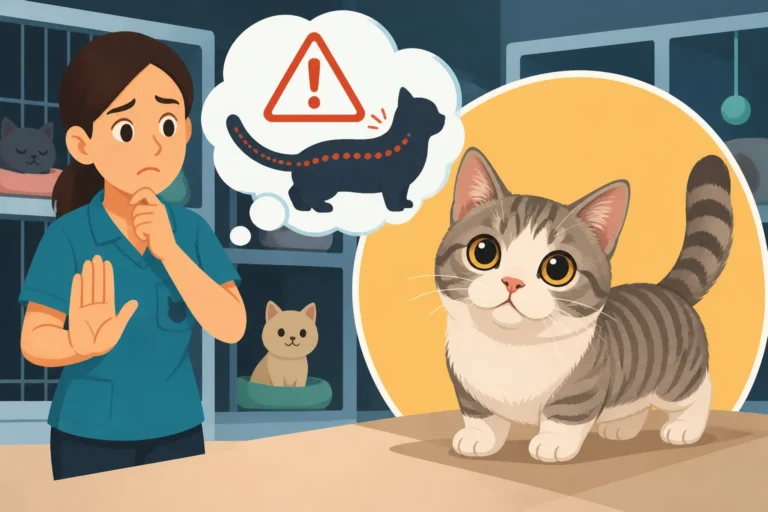
In a Scottish Fold Munchkin cross, or even just a pure Scottish Fold with severe OCD, you might notice issues with the tail. Due to the cartilage deformities, the tail can become stiff, thick, and inflexible, sometimes even appearing shortened or misshapen. A cat with a stiff tail might struggle to move it freely, which can impact balance and communication. When inspecting a kitten, gently palpate the tail along its length. It should be supple and move easily. Any stiffness, especially towards the base, is a strong indicator of osteochondrodysplasia. Also, observe their gait; while a Munchkin has a unique, low-slung walk, it should still be fluid and pain-free. Whether bowing is a fault or a defect (Whether a Munchkin's Bowing Is a Fault or a Defect) is about leg conformation, not a general skeletal disease that affects the entire cat.
Behavioral and Health Red Flags
Beyond the visible physical traits, a Scottish Fold Munchkin can exhibit behavioral patterns or health issues that hint at their mixed heritage, particularly the more concerning aspects of the Scottish Fold gene. Understanding these can help you identify a problematic cross, even if the physical signs are subtle.
Gait and Movement Differences
A purebred Munchkin, despite its short legs, is surprisingly agile and playful. They have a distinctive "ferret-like" run, darting quickly across flat surfaces, and are perfectly capable of navigating their environment, albeit with modified jumping techniques. They might "stand up" on their hind legs like a meerkat to get a better view, a behavior sometimes called the "prairie dog sit," but their overall movement should be fluid and appear effortless. Whether a Munchkin Is in Pain From Its Legs is a question that usually gets answered with a 'no' for a healthy Munchkin.
A Scottish Fold Munchkin, especially one severely affected by osteochondrodysplasia, might show a very different picture. You could observe a stiff or bunny-hopping gait, reluctance to jump or play, or even limping. They might avoid certain movements or vocalize when touched in particular areas, indicating pain. The stiffness associated with OCD can make their spine or limbs less flexible. They might seem less active than a typical kitten, or struggle with movements that a healthy Munchkin would perform easily. This stiffness isn't related to lordosis, which is a spinal curve. What Lordosis Actually Is in a Munchkin is a different concern, specific to the spine, whereas OCD affects cartilage everywhere.
Health Concerns Associated with Scottish Fold Munchkins
This is where the real ethical dilemma and potential for suffering lie. When you combine the short-legged gene of a Munchkin with the osteochondrodysplasia gene of a Scottish Fold, you are quite literally stacking two skeletal mutations on one poor cat. Why Munchkin Hybrids Stack Two Mutations is a crucial topic to grasp. The Munchkin's short legs mean increased stress on joints and spine simply due to their conformation and the way they move. Add to that the debilitating, progressive arthritis and skeletal deformities caused by the Scottish Fold gene, and you have a recipe for significant, lifelong pain and medical expenses.
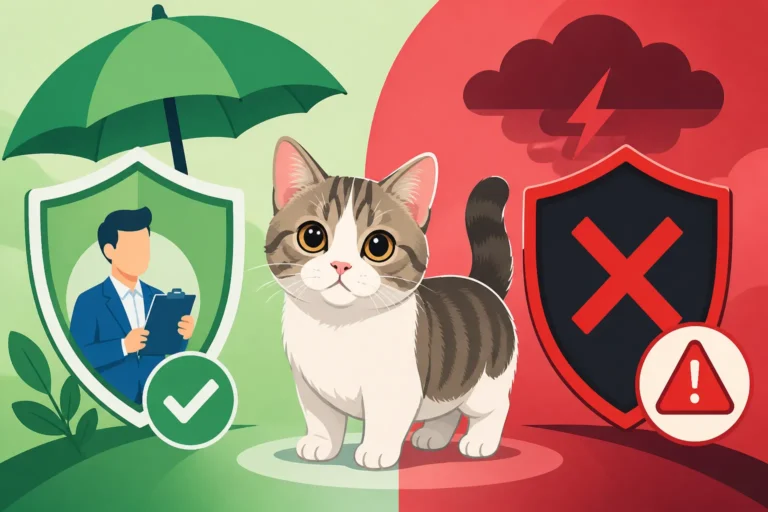
These cats often develop severe arthritis at a very young age, leading to chronic pain, reduced mobility, and a diminished quality of life. They might require ongoing pain management, specialized diets, and even costly surgeries. This combination of genes is what makes What Two Skeletal Mutations Do to One Munchkin such a serious welfare concern for veterinarians and animal welfare organizations. Such crosses are often referred to as “double-mutant” cats, and many vets Which Munchkin Crosses Vets Object To Most. If you are considering such a cross, you would be looking at substantial ongoing veterinary care costs. You'd want robust pet insurance like that offered by Healthy Paws, but be very aware that many skeletal issues arising from congenital conditions like OCD might be excluded or considered pre-existing conditions if not properly disclosed and documented from kittenhood. Specialized diets for joint health are often expensive and need vet guidance.
Due Diligence When Purchasing a Kitten
The best defense against unknowingly purchasing a Scottish Fold Munchkin sold as a pure Munchkin is thorough research and asking pointed questions. A responsible, ethical breeder will be transparent, knowledgeable, and more than willing to provide you with all the information you need.
Asking the Right Questions to a Breeder
When speaking with a breeder, don't be shy about asking direct and detailed questions. First and foremost, inquire about the parentage of the kitten. Ask to see both the mother and the father. A reputable Munchkin breeder will always breed a short-legged Munchkin to a normal-legged domestic cat (often called a "Munchkin outcross" or "non-standard Munchkin") to avoid lethal homozygous genes and to keep the gene pool wide. They will never breed a Munchkin to another Munchkin, nor will they breed a Munchkin to a Scottish Fold. If a breeder shows you a parent with folded ears, or claims the kitten is a "Munchkin-Fold mix," you know exactly what you're dealing with.
Ask about the health screening practices for their breeding cats. A good breeder should be able to provide clear documentation of health checks, even if it's for the outcross parent. They should also be able to explain the pedigree and lineage of the kitten, showing how far back the Munchkin line goes and who the outcrosses were. What a Munchkin Breeder Should Be Able to Show You goes beyond just photos; it includes transparency about their breeding practices. Be wary of breeders who are vague about parentage, don't want you to see the parents, or use terms like "teacup" or "miniature" – these are marketing ploys, not breed standards. Also, ask about what happens to any kittens who develop health issues; What a Munchkin Breeder Does With an Affected Kitten should be a clear, humane policy, not just quietly selling them off.
Essential Vet Checks and Documentation
Once you've narrowed down your search, it's absolutely crucial to have any potential kitten thoroughly examined by a veterinarian who is familiar with Munchkin cats and, ideally, with skeletal conditions in felines. This vet visit should happen as early as possible, ideally before finalising the purchase, if the breeder allows. Why a Munchkin Kitten Needs an Early Vet Check is paramount. The vet can assess the kitten's general health, and importantly, check its skeletal structure, tail flexibility, and ear cartilage. They can palpate the spine and joints, and listen for any clicks or signs of discomfort.
Request all available veterinary records for the kitten, including vaccination history, deworming records, and any initial health checks. For a purebred Munchkin, you should also receive registration papers, most commonly from The International Cat Association (TICA), which is the primary registry that recognizes the Munchkin breed. These papers should clearly state the breed as Munchkin and list the parents, ensuring no Scottish Fold lineage is present. If the breeder provides no papers, or papers from an unknown registry, it’s a significant red flag. Without official documentation, verifying the cat's true breed or parentage becomes impossible, leaving you vulnerable to misrepresentation.
Munchkin vs. Scottish Fold vs. Scottish Fold Munchkin: A Quick Comparison
To help you distinguish, here's a table summarizing the key characteristics:
| Feature | Pure Munchkin Cat | Pure Scottish Fold Cat | Scottish Fold Munchkin Cross |
|---|---|---|---|
| Legs | Distinctly short, due to dominant gene. Body length normal. | Normal length, proportionate to body. | Distinctly short (from Munchkin parent). |
| Ears | Normal, upright, flexible, typical cat ears. | Folded forward and downward (single, double, or triple fold). | Folded forward and downward (from Scottish Fold parent). |
| Head Shape | Typical domestic cat head, can be slightly rounded. | Very round, often described as "owl-like." | Typically very round, inherited from Fold parent. |
| Eyes | Proportionate, can be various shapes. | Large, wide-set, round. | Often large, wide-set, and round. |
| Tail | Normal length, flexible, tapers to a tip. | Can be normal, but often stiff or shortened due to OCD. | High risk of stiffness, inflexibility, or shortening due to OCD. |
| Movement/Gait | Agile, ferret-like, low to the ground. Appears pain-free. | Can be normal, but may show stiffness or reluctance to jump if affected by OCD. | High risk of stiff gait, reluctance to move, early arthritis, pain. |
| Health Risks | Generally healthy, specific concerns around spine and joints from leg conformation if overweight. | Osteochondrodysplasia, leading to severe, lifelong arthritis, spinal deformities. | Inherits both Munchkin leg conformation challenges and severe, early-onset osteochondrodysplasia. |
| Ethical Breeding | Bred to normal-legged outcrosses only. | Bred to straight-eared outcrosses only (never Fold to Fold). | Widely considered unethical due to stacking two skeletal mutations. |
Disclaimer
This article is for general informational purposes only and does not constitute professional advice. Laws, prices and regulations vary by location and change over time. Consult a qualified professional for guidance on your specific situation.