Whether a Munchkin Guarantee Mentions the Spine at All
It's a common, incredibly stressful worry when you're welcoming a new Munchkin cat into your home: what happens if health problems arise, especially those related to their unique physique? Many prospective owners pore over breeder guarantees, hoping for clear language, but often find themselves asking: does a Munchkin guarantee even mention the spine, and what protection does it truly offer? This guide is here to shed light on breeder contracts, spinal health concerns, and how to safeguard your adorable, short-legged companion.
Understanding Breeder Guarantees for Munchkin Cats
Bringing a new kitten home is a huge emotional and financial investment, and a breeder's guarantee is supposed to offer some peace of mind. However, these documents can often feel like a maze of legal jargon, leaving you more confused than confident. For Munchkin cats, with their distinctive short stature, the questions around health guarantees often become even more complex and urgent.
The Standard Health Guarantee Landscape
Typically, when you get a kitten from a reputable breeder, you'll receive some form of health guarantee. These usually cover things like the kitten being free from infectious diseases (like feline leukemia or panleukopenia) at the time of sale, often for a period of a few days or weeks after you bring them home. Beyond that initial period, many guarantees will offer some coverage for congenital or hereditary conditions. This means if your kitten develops a serious, life-altering genetic illness that was present from birth, the breeder might offer a replacement kitten or a partial refund, often with conditions attached, like requiring a veterinary diagnosis from an approved specialist.
The critical thing to remember is that these standard guarantees are often quite broad. They're designed to cover general cat health, not necessarily the specific nuances of a breed that has unique physical traits. It's up to you, the buyer, to really dig into these terms and understand what's implicitly not covered, as much as what is. Don't assume anything is included unless it's written down clearly.
Why the Spine is a Unique Concern for Munchkins
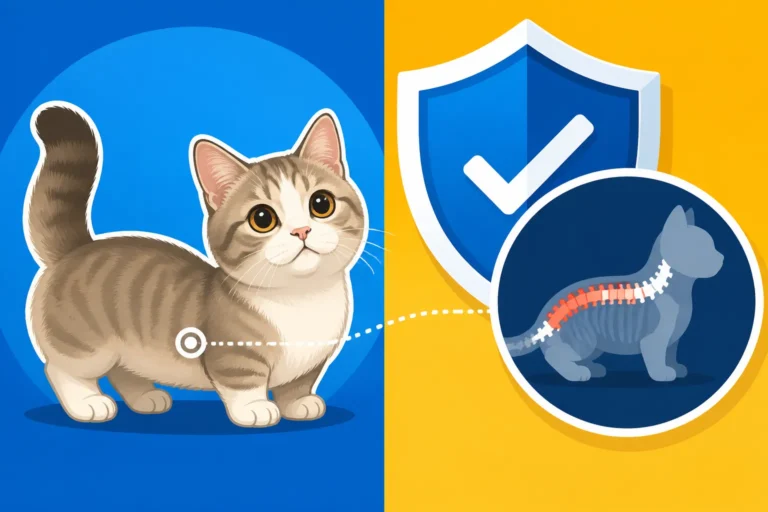
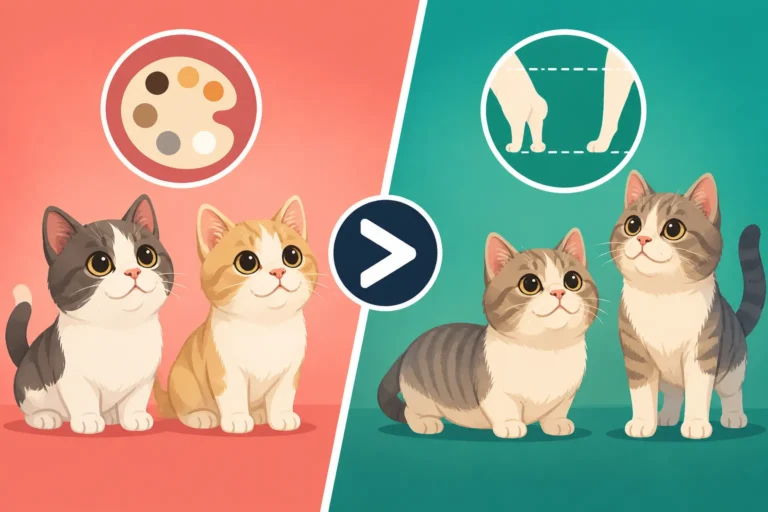
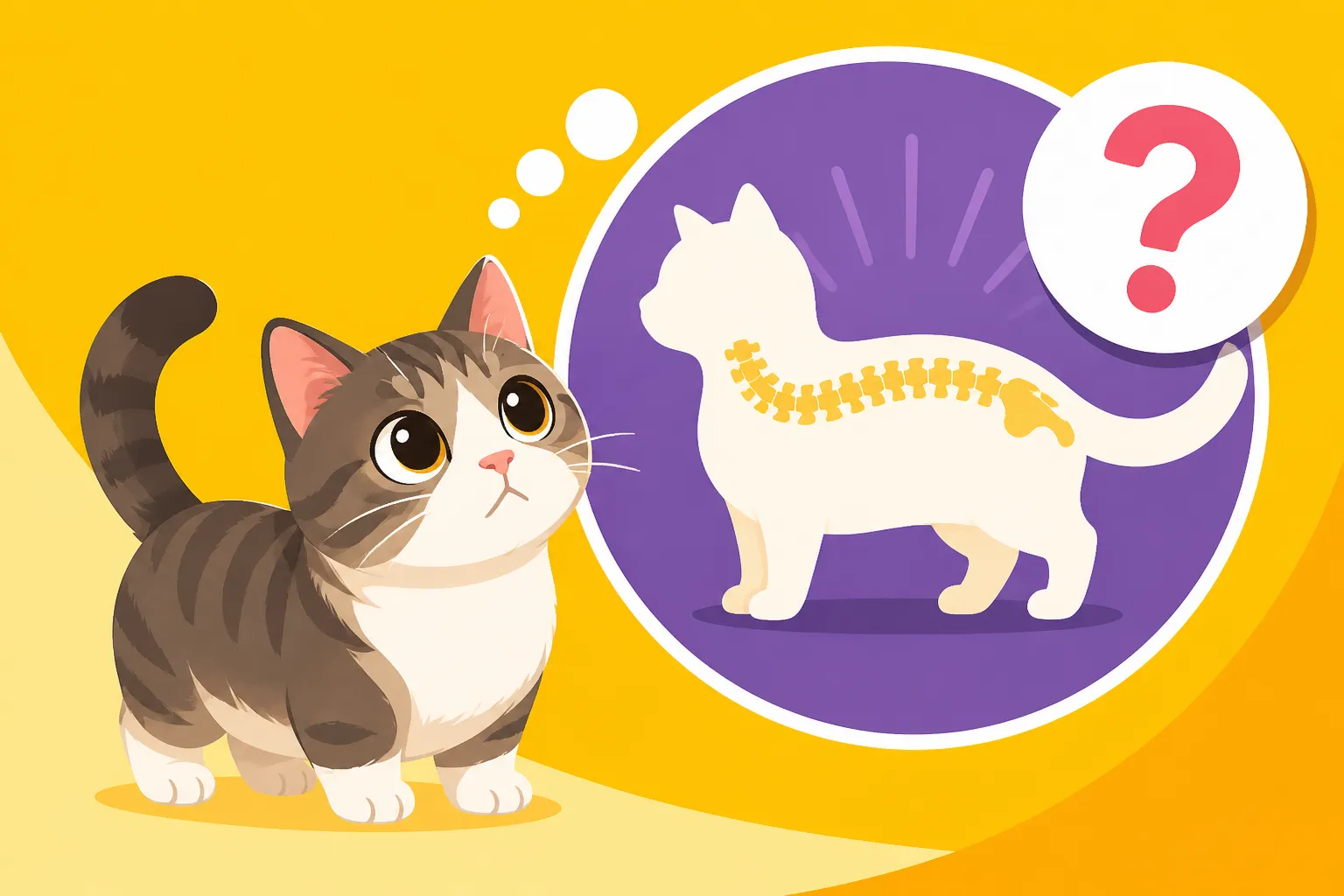
For Munchkin cats, the spine is often at the forefront of health discussions, and for good reason. Their defining characteristic – those adorable short legs – comes from a genetic mutation that causes chondrodysplasia, a form of dwarfism. While their legs are short, their spine typically remains a normal length, which means it carries a load that a normal cat's spine does not. This is why many people are concerned about Why a Munchkin's Spine Carries a Load a Normal Cat's Does Not.
Conditions like lordosis, a severe inward curvature of the spine, or pectus excavatum, a sunken chest, are sometimes associated with the Munchkin breed, though the frequency and direct causation are often debated within the veterinary community and among breeders. Given these potential concerns, it's completely natural for prospective owners to wonder if their breeder's guarantee explicitly addresses these spinal issues. Unfortunately, because these conditions can be complex, sometimes appearing later in life, or being mild in some cats, they might not be universally or explicitly covered in a standard guarantee. This lack of explicit mention is often where the frustration and anxiety begin for new Munchkin parents.
Common Exclusions and Limitations in Munchkin Guarantees
Navigating breeder guarantees can feel like walking through a minefield, especially when you're looking for specifics on sensitive topics like spinal health in a Munchkin. It’s not uncommon to encounter guarantees that are either vague or, more pointedly, include clauses that effectively limit a breeder's liability for certain conditions.
The 'As-Is' Clause and Its Implications
You might come across breeders who offer kittens with an "as-is" clause, or a guarantee that is extremely limited in scope, sometimes only covering infectious diseases for a few days. While this might seem straightforward on the surface, it's a huge red flag when it comes to long-term health, particularly for a breed with specific conformational considerations. An "as-is" sale essentially means you're taking the kitten with all its existing and potential health issues, known or unknown, and the breeder is absolved of any responsibility once the initial return period passes.
The risks associated with such contracts are enormous. Imagine bringing home your sweet Munchkin kitten, falling head over heels, only to discover a few months down the line that they have a significant spinal issue like What Lordosis Does to a Munchkin, and your guarantee offers no recourse. You're left with the full emotional and financial burden of managing that condition, which can be substantial over the cat's lifetime. This is why reading every single word of the contract, and asking for clarification on anything you don't understand, is not just recommended – it's absolutely crucial. Never commit to a kitten without thoroughly scrutinizing the guarantee first.
Conditions That Might Be Explicitly Excluded
Some breeders, particularly those who are less ethical or simply trying to mitigate their own risk, might explicitly exclude coverage for certain breed-specific conditions. For Munchkins, this could mean language that specifically states the guarantee does not cover skeletal issues, spinal curvatures, or conditions believed to be related to their dwarfism gene. While some breeders might argue that these conditions are rare or not directly linked to the breed's short legs, such exclusions can leave you in a vulnerable position.
The reasons for these exclusions can vary. It could be due to the high cost of diagnosing and treating these conditions, or perhaps a breeder's stance that the issues are not truly hereditary or inherent to their lines. However, from a buyer's perspective, it feels like a way to avoid responsibility. Vague language is another common tactic; a guarantee might talk about "general good health" but avoid any mention of specific orthopedic or spinal problems. This ambiguity can be incredibly frustrating. Without clear, explicit language, you're essentially left to interpret what "general good health" means when a condition like lordosis eventually manifests. It becomes a dispute over semantics, rather than a clear path to resolution.
What to Look For in a Comprehensive Munchkin Health Guarantee
When you're dealing with a breed as unique as the Munchkin, a truly comprehensive health guarantee goes beyond the typical boilerplate. It shows a breeder's commitment to the well-being of their cats and provides you with genuine peace of mind regarding the potential health challenges associated with the breed.
Explicit Spinal Health Coverage
The gold standard for a Munchkin health guarantee would be one that explicitly mentions and covers spinal conditions, such as lordosis or pectus excavatum. This isn't always easy to find, but it's what you should strive for. Look for specific language that guarantees against congenital spinal defects, severe lordosis, or other skeletal abnormalities that could impact the cat's quality of life. For instance, a strong guarantee might state something like, "This kitten is guaranteed free from severe congenital spinal lordosis and pectus excavatum that would necessitate surgical intervention or significantly impair quality of life, for a period of [X] years."
This kind of specific wording demonstrates that the breeder acknowledges these potential issues and stands behind the health of their lines. It shows they've done their due diligence in breeding healthy cats and are willing to take responsibility if a serious problem arises. You might even find breeders who provide a preliminary vet check that specifically palpates the spine and chest, or includes an X-ray, before the kitten goes home. This level of transparency is invaluable. If you're unsure about the implications of any clause, always ask the breeder for clarification in writing, and consider having a vet or legal professional review the contract. What Lordosis Actually Is in a Munchkin is a condition that warrants explicit mention due to its potential severity. Similarly, Pectus Excavatum and the Munchkin's Sunken Chest should ideally be addressed.
Longevity and General Health Clauses
Beyond specific spinal issues, a comprehensive guarantee should also include robust clauses for longevity and general health. While no one can guarantee a cat will live a certain number of years, a breeder who stands behind the overall health of their kittens for a reasonable period beyond the initial few weeks is a good sign. This might cover serious, life-threatening genetic conditions that manifest in the first one or two years of life. It’s often these broader genetic health clauses that could indirectly apply to severe spinal issues if they are definitively diagnosed as congenital and life-limiting, even if not explicitly named.
For example, a guarantee that covers "any life-threatening congenital disease" might encompass a severe case of lordosis that profoundly impacts internal organs. The Twelve to Fifteen Years a Munchkin Usually Gets indicates a good lifespan for a Munchkin, and a guarantee that supports this long-term health is a sign of a responsible breeder. Always differentiate between a health guarantee, which covers physical well-being, and a temperament guarantee, which speaks to behavior. Both are important, but for physical ailments, you need clear health-focused language. It’s also important to understand the procedures for making a claim – what documentation is required, what veterinarians need to be consulted, and what the resolution process entails.
The Breeder's Perspective on Spinal Guarantees
Understanding why a breeder might be hesitant to offer explicit spinal guarantees isn't about excusing them, but rather illuminating the complexities from their side. Responsible breeders want healthy kittens, but they also operate within certain financial and practical realities.
Why Breeders May Be Hesitant or Refuse
The primary reason many breeders might shy away from very specific, long-term spinal guarantees for Munchkins often boils down to several factors:
- Cost of Testing and Diagnosis: Diagnosing subtle spinal issues like mild lordosis can be complex and expensive. It might require specialized veterinary expertise, X-rays, or even more advanced imaging like MRIs, which aren't typically performed on every kitten. These costs, if absorbed by the breeder, would dramatically increase the price of every kitten.
- Rarity or Disputation of Conditions: While lordosis and pectus excavatum are known to occur, the actual Why the Frequency of Munchkin Spinal Problems Is Disputed among Munchkins compared to the general cat population is a point of contention. Some breeders and even vets argue that these conditions are not statistically more prevalent in Munchkins or are often mild and non-impacting. If a breeder believes a condition is rare, they might see explicit guarantees as unnecessary or overly burdensome.
- Ethical Debate Surrounding the Breed: The Munchkin breed itself is controversial, with some veterinary associations and animal welfare groups expressing concerns about breeding cats with a genetic mutation that causes dwarfism. This ongoing debate means that breeders are often under scrutiny, and some may avoid guarantees that highlight potential health issues, fearing it could fuel opposition to the breed.
- Manifestation Over Time: Some spinal issues might not be apparent at 8-12 weeks when a kitten goes home. A very mild curvature might worsen with age, weight, or activity. Holding a breeder responsible for a condition that only becomes problematic years later, potentially due to environmental factors or owner care, adds a layer of complexity to any guarantee.
A breeder might genuinely care for their animals but also needs to manage the practicalities of their program. This doesn't mean you should accept a vague guarantee, but understanding their likely concerns can help you phrase your questions more effectively and identify potential areas for negotiation.
Responsible Breeder Practices and Transparency
A responsible Munchkin breeder might not have a guarantee that explicitly lists every possible spinal condition, but their practices will speak volumes about their commitment to health. This is where transparency becomes paramount. What a good breeder should be doing, even if their contract isn't exhaustive, includes:
- Providing comprehensive vet checks: They should ensure their kittens receive a thorough veterinary examination, including palpation of the spine and chest, before leaving for their new homes. They should be able to provide records of these checks.
- Openly discussing potential issues: A good breeder will talk candidly about the known health concerns of the Munchkin breed, including the debate around spinal conditions. They won't shy away from your questions about lordosis or pectus excavatum.
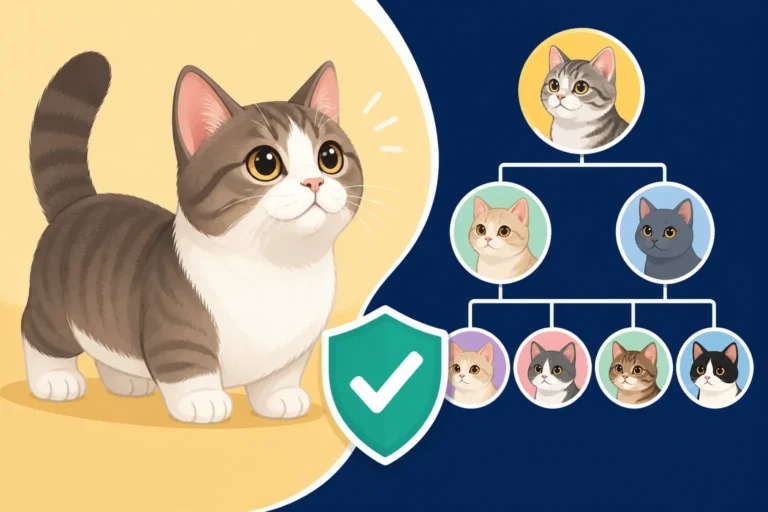
- Showcasing healthy parents: You should be able to meet the parents and observe their movement. If the parents are healthy, agile, and free from visible mobility issues, it's a good indicator. What a Munchkin Breeder Should Be Able to Show You goes beyond just paperwork; it's about seeing the living, breathing evidence of their breeding program.
- Providing lineage information: Knowing the health history of the kitten's ancestors can offer insights into potential genetic predispositions.
- Educating buyers: A responsible breeder will guide you on how to care for your Munchkin to support their spinal health, including advice on appropriate diet, exercise, and avoiding high jumps.
Ultimately, transparency and open communication are the hallmarks of an ethical breeder. Even if the contract is somewhat limited, a breeder who is honest, knowledgeable, and proactive about health is often a better choice than one with an expansive guarantee but a secretive or defensive attitude. If they are willing to provide vet records and discuss their practices, that builds trust.
Protecting Yourself Beyond the Breeder's Guarantee
Even with the best breeder and a solid guarantee, it's vital to remember that a written contract is just one layer of protection. True peace of mind comes from proactive measures you take as a pet parent. This means independent verification and having a robust plan for long-term care.
Independent Vet Checks and Second Opinions
This is, without exaggeration, the single most important step you can take. As soon as you bring your new Munchkin kitten home, schedule a comprehensive veterinary examination with your own trusted veterinarian, ideally within the first few days. This vet should be independent of the breeder and will provide an objective assessment of your kitten's health. It's often a clause in the breeder's contract itself, requiring you to get this check-up to validate the guarantee.
During this initial exam, be explicit with your vet about your concerns regarding the Munchkin breed's potential spinal issues. Ask them to pay particular attention to:
- Gait and mobility: Observe how the kitten walks, runs, and plays. Is there any stiffness, limping, or unusual movement?
- Spinal palpation: Your vet should gently feel along the kitten's spine for any abnormalities, curvatures, or discomfort. What a Munchkin Kitten's First Exam Should Cover definitely needs to include a thorough spinal check.
- Chest conformation: Check for any signs of pectus excavatum (sunken chest), which can sometimes affect breathing or organ development.
- Overall skeletal structure: Assess leg alignment and joint health.
An independent vet's assessment serves multiple purposes: it provides a baseline health record, identifies any immediate concerns, and gives you crucial documentation if you need to activate your breeder's guarantee. If your vet identifies an issue, they can provide a second opinion or recommend further diagnostics, giving you leverage to discuss remedies with your breeder.
Pet Insurance and Ongoing Care Planning
No matter how thorough your breeder's guarantee, it's not a substitute for comprehensive pet insurance. Pet insurance acts as a financial safety net, helping to cover unexpected veterinary costs, including those arising from accidents or illnesses that might not be covered by a breeder's guarantee, or that develop years after purchase. For a Munchkin, where skeletal and joint health can be a concern, this is particularly valuable.
When choosing pet insurance, read the policy documents carefully. Some policies might have waiting periods for certain conditions or exclusions for pre-existing conditions. However, a good policy can cover diagnostic tests, treatments, and even surgeries related to spinal or joint issues that develop during your cat's life. Providers like Healthy Paws offer comprehensive accident and illness plans that could be a lifesaver for conditions requiring extensive veterinary care. Always compare different providers and policy types to find one that best fits your needs and budget.
Beyond insurance, proactive ongoing care planning is essential. This includes:
- Regular vet check-ups: Even a healthy Munchkin needs yearly check-ups, and as they age, these become even more critical. Caring for a Munchkin Past Ten will involve more frequent vet visits to monitor joint health and mobility.
- Weight management: Keeping your Munchkin at a healthy weight is paramount to protecting their joints and spine. Every extra pound puts additional stress on their unique skeletal structure.
- Joint supplements: Discuss with your vet whether joint supplements are appropriate for your Munchkin, especially as they get older.
- Environmental adaptations: Investing in ramps and steps, and ensuring floor-level access to everything, helps minimize jumping and strain on their body. Joint-supportive food and nutritional plans can help manage their weight and support joint health, though these are typically ongoing expenses not covered by insurance.
Budgeting for these ongoing costs is a responsible part of Munchkin ownership. Think about How Much a Munchkin Costs Over Thirteen Years and factor in potential medical expenses, even if you hope to never need them.
Navigating Disagreements and Seeking Recourse
Even with the best intentions and careful planning, sometimes things go wrong. If your Munchkin develops a spinal issue and you believe it should be covered by your breeder's guarantee, navigating the disagreement can be stressful and challenging.
Documenting Everything
In any dispute, documentation is your strongest ally. Without clear records, it becomes a "he said, she said" situation, which is incredibly hard to resolve. From the moment you begin communicating with a breeder, to the day you bring your kitten home, and through every vet visit, you need to keep meticulous records:
- The purchase contract: This is your primary legal document. Ensure you have a signed copy, and that you understand every clause. Highlight the parts relating to health guarantees and spinal conditions.
- All communications: Keep copies of emails, texts, or messages with the breeder. If you have phone conversations, summarize them in writing and send them to the breeder for confirmation. This creates a paper trail.
- Veterinary records: Obtain detailed reports from every vet visit, including initial check-ups, diagnostic tests (X-rays, MRIs), diagnoses, and treatment plans. Make sure these records explicitly state the findings related to the spinal issue.
- Receipts: Keep track of all expenses related to the kitten's care, especially those incurred due to the suspected condition.
This comprehensive paper trail strengthens your position significantly. If the breeder's guarantee is ambiguous, having clear documentation from your vet confirming a congenital or hereditary spinal issue, for example, can help you argue your case. A well-written contract, even if not perfect, is your first line of defense, outlining the steps for recourse and what the breeder is responsible for.
When the Guarantee Falls Short
If a spinal issue arises and the breeder's guarantee seems ambiguous, unhelpful, or the breeder is unwilling to honor it, you have several avenues to explore:
- Direct Negotiation: Start by formally presenting your documentation to the breeder. Clearly state your claim, provide the evidence, and propose a solution (e.g., reimbursement for vet bills, a partial refund, or a replacement kitten as per the contract). Maintain a calm, professional tone, even if you're feeling frustrated.
- Mediation: If direct negotiation fails, consider suggesting a third-party mediator. This could be someone reputable within the cat fancy community, an impartial veterinarian, or a professional mediator. Mediation aims for a mutually agreeable solution without going to court.
- Reporting to Registries: If the breeder is registered with an organization like TICA (The International Cat Association), you can inquire about their ethics complaint process. While TICA might not directly resolve monetary disputes, repeated complaints against a breeder can impact their standing and reputation within the fancy. Remember, TICA Judges the Munchkin and CFA Will Not Register It, so TICA is usually the relevant body.
- Legal Advice: As a last resort, you might need to consult with a lawyer specializing in companion animal law. They can advise you on your legal rights, assess the strength of your case, and help you pursue small claims court or other legal action if necessary. Be aware that legal action can be time-consuming and expensive, and the outcome is never guaranteed.
Dealing with a health issue in your beloved Munchkin, coupled with a dispute over a guarantee, is incredibly challenging. It takes an emotional and financial toll. However, by being prepared, documenting everything, and knowing your options, you can better advocate for your cat and potentially achieve a fair resolution. The goal, always, is the well-being of your little companion.
Disclaimer
This article is for general informational purposes only and does not constitute professional advice. Laws, prices and regulations vary by location and change over time. Consult a qualified professional for guidance on your specific situation.