Why to Ask a Munchkin Breeder for Video, Not Photos
When you're looking to welcome a Munchkin cat into your home, the excitement is palpable! You browse countless pictures, falling in love with those adorable short legs and expressive faces. But here's the thing: photos, as sweet as they are, can be incredibly misleading when it comes to truly understanding a Munchkin's physical conformation and potential health. This guide will explain precisely why asking a breeder for comprehensive videos is not just a preference, but an absolute necessity to ensure you're making an informed and responsible decision.
The Limitations of Still Photographs
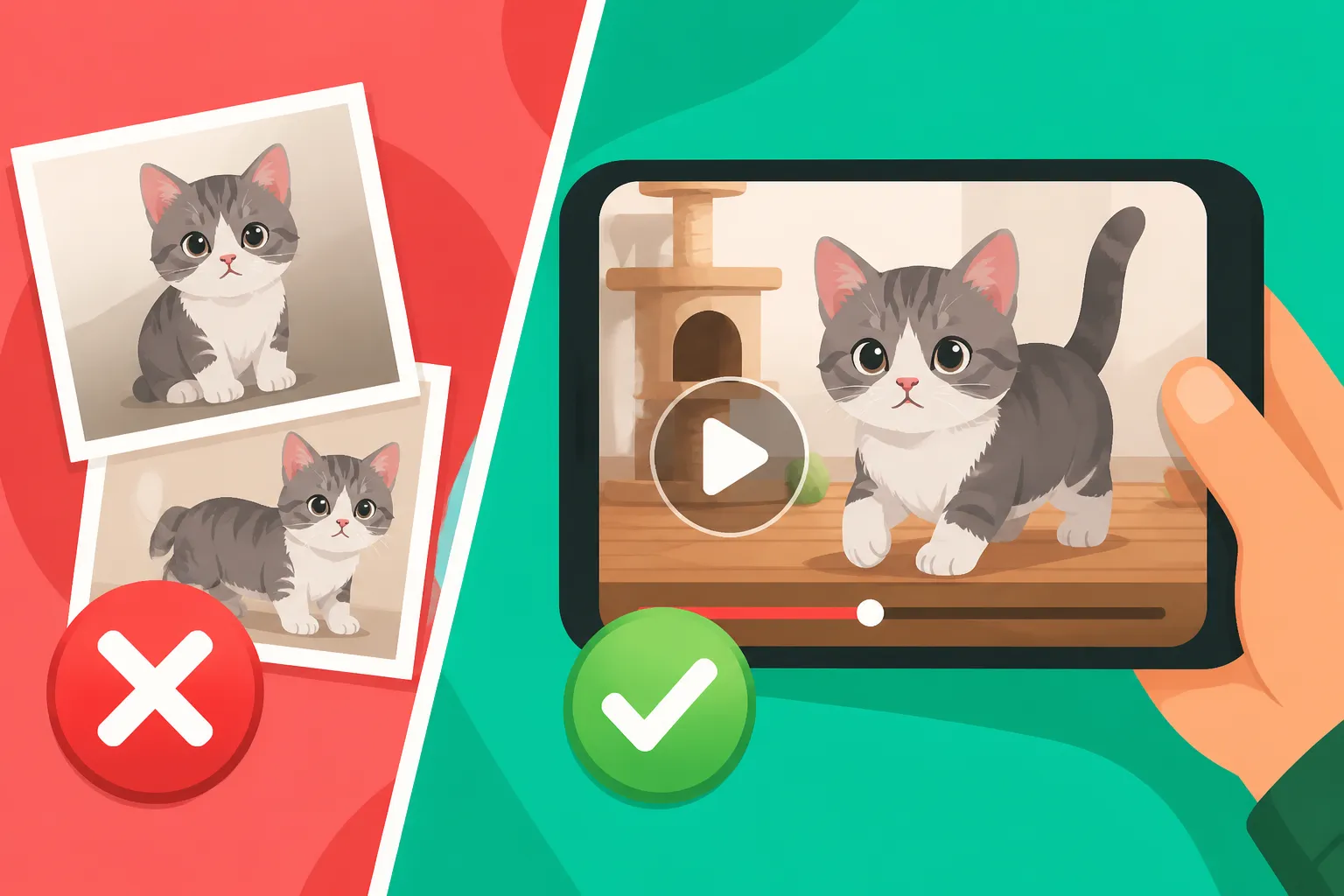
It’s an age-old trick in photography: the right angle, the perfect pose, and suddenly, anything can look flawless. Unfortunately, this applies just as readily to photos of kittens, and particularly Munchkin kittens, where specific physical attributes are so central to their breed and potential care needs. Still photographs are a snapshot in time, easily manipulated to present a certain image, and they simply can't capture the dynamic realities of a living, moving animal.
Hiding Leg Length and Conformation
Think about how many selfies you've taken to get just the right angle! Breeders, whether intentionally or not, can do the same with kitten photos. A clever camera angle can make a Munchkin's legs appear longer than they are, or hide the subtle bowing that can be present in their forelegs. A kitten might be photographed sitting or lying down, completely obscuring its true leg length or how its weight is distributed when standing. You might see a photo of a kitten stretched out, making its body appear long and graceful, but that doesn't tell you how it moves when it's just walking across a room. How Short a Munchkin's Legs Actually Are is something that needs dynamic viewing, not just a static image. You need to see the cat in motion, from various perspectives, to truly understand its unique structure. Are all four legs equally short, or is there an unevenness that might suggest a different gait? These nuances are invisible in a still picture.
Masking Spinal Issues Like Lordosis and Pectus Excavatum
This is perhaps one of the most critical reasons why videos are paramount. Conditions like What Lordosis Actually Is in a Munchkin and What Pectus Excavatum Does to a Munchkin's Chest are serious health concerns that can be incredibly difficult, if not impossible, to detect from a still photo. Lordosis, a curvature of the spine, might manifest as a dip in the back, but a kitten can be posed to hide this. Similarly, pectus excavatum, a sunken chest, might not be visible depending on the angle and lighting of a photo, especially if the kitten is fluffy or lying down. A photo will never show you the subtle breathing difficulties or restricted movement that a significant pectus excavatum can cause. You need to see the kitten moving freely, from above, from the side, and even from the front, to get any sense of its spinal and chest conformation. Any ethical breeder should be willing to provide this transparency.
Inability to Gauge Gait and Mobility
A photo freezes a moment. It can show a kitten in a playful pounce or a cute "prairie dog sit" – but it tells you nothing about the journey to that moment, or how easily the cat recovers from it. How does the Munchkin kitten walk, exactly? Is its gait fluid, or does it seem stiff or wobbly? Does it struggle to push off or land when attempting a small hop? These are vital questions for a Munchkin, whose unique leg structure can impact their mobility. Photos simply cannot convey the effort involved in movement. You won't know if a kitten is dragging its belly slightly, or if its front legs seem to bear an undue amount of weight. Whether a Munchkin Is in Pain From Its Legs is a question that can only truly begin to be assessed by observing movement, not a static image.
What a Video Reveals About a Munchkin Kitten
A video, on the other hand, offers a window into the true, unedited reality of a Munchkin kitten's physical capabilities and overall well-being. It allows you to become a virtual observer, scrutinizing details that photos could never provide. This dynamic view is invaluable for anyone considering bringing a short-legged cat into their life.
Observing Natural Movement and Gait
When you request videos, you're looking for footage of the kitten in its natural environment – playing, exploring, walking, and interacting. Pay close attention to its gait. Does it move with a smooth, ferret-like trot, or does it appear hesitant or unbalanced? Look at how its legs flex and extend. Are there any signs of stiffness or awkwardness, particularly in its shoulders and elbows, which are critical weight-bearing joints for a Munchkin? Why a Munchkin's Gait Looks Different is something you need to see in action. Does it struggle to turn corners, or does its low center of gravity help it navigate quickly? Observe how it approaches a low toy or a small step. Does it attempt to jump, and if so, how does it land? A healthy Munchkin, even with short legs, should display a good degree of agility and uninhibited movement, within its physical limits.
Assessing Overall Conformation and Body Proportions
A video provides a crucial 360-degree view. Ask for footage of the kitten standing, walking towards and away from the camera, and from the side. This perspective helps you truly gauge the length of its legs in proportion to its body. You can observe if its spine appears level or if there's any dip or curve indicative of lordosis. You can also get a better look at its chest, noting any concavity that might point to pectus excavatum. Furthermore, a video allows you to assess the kitten's general body condition. Is it lean and muscular, or does it appear overweight for its frame? How to Score a Munchkin's Body Condition is easier when you see the whole picture in motion, rather than a perfectly posed, flattering still. You’re looking for a normal-length body, just with shorter legs – not a compressed or stunted appearance overall.
Spotting Early Signs of Potential Health Concerns
While a video is not a substitute for a vet check, it can certainly highlight red flags that warrant further investigation. Watch for any signs of discomfort during movement, such as a reluctance to bear weight on a particular leg, or a hunched posture. Observe if the kitten "prairie dog sits" frequently. While charming, if this pose is held for prolonged periods or seems to be a compensatory behavior, it could potentially indicate spinal discomfort, as discussed in Whether the Prairie Dog Sit Strains a Munchkin's Spine. Look at how it uses its litter box – does it struggle to enter or exit, which might suggest joint pain or an ill-suited box? Observe its breathing patterns; is it labored or shallow? These visual cues can prompt important questions for the breeder and your veterinarian, allowing for proactive care.
Practical Tips for Requesting and Evaluating Breeder Videos
Getting useful video footage requires clear communication with the breeder and knowing what to look for when you receive it. Don't be afraid to be specific – a reputable breeder will understand your diligence and be happy to provide the information you need.
Specific Video Requests to Make
When you contact a breeder, don't just ask for "some videos." Be explicit about what you want to see. Here's a helpful list of requests:
- Natural Play: Ask for several minutes of the kitten playing freely with toys, interacting with its littermates, or exploring its environment. This allows you to see its energy levels and typical movement patterns.
- Walking/Running Footage: Request videos of the kitten walking and running on a flat, non-slippery surface (like carpet, not laminate). Ask for footage from the front, side, and rear so you can observe its gait from all angles.
- Eating and Drinking: A short clip of the kitten eating from its bowl and drinking water can show how it positions itself and if it struggles to reach. Why a Munchkin's Food and Water Belong at Floor Level or in raised bowls can become apparent here.
- Litter Box Use: Watch the kitten enter and exit its litter box. Does it struggle with the height of the entrance? Does it move comfortably inside? This can give you insights into its joint health and potential future needs for a low-entry box from a brand like Chewy.
- Interaction with Siblings/Parents: Observing how the kitten plays with other cats in the litter or with its mother can show its social skills and how it moves in a group setting. It can also indicate if it's being bullied or if it holds its own.
- Specific Poses: Ask for a video of the kitten standing naturally, not posed, from a few angles. You might even ask for a quick pan of its back to check for obvious spinal dips.
What to Watch For in the Footage
Once you have the videos, become an astute observer. Here’s a checklist of what to pay close attention to:
- Energy Levels: Is the kitten active and curious, or lethargic and withdrawn? A healthy kitten should be playful.
- Coordination: Does it move smoothly or stumble frequently? Is its balance good?
- Flexibility: Watch how it stretches, grooms itself, and bends. Is there any visible stiffness or restricted range of motion?
- Jumping Ability: Observe if it attempts to jump onto low objects (like a small pillow) and how it lands. Does it hesitate, or does it land with grace (for a Munchkin, of course)? How High a Munchkin Can Actually Jump is always quite limited, but you want to see if it jumps comfortably within those limits.
- Breathing: While not always clear in home videos, try to observe if its breathing appears normal and unlabored.
- Overall Demeanor: Is the kitten alert, friendly, and social? Or does it seem shy, fearful, or irritable?
- Environmental Context: Does the breeder's environment seem adapted for Munchkins (e.g., ramps, low-level access)? A breeder who provides Why a Munchkin Cattery Should Have Ramps in Every Pen demonstrates an understanding of the breed's unique needs.
Red Flags in Video Content (or Lack Thereof)
Just as important as what you see, is what you don't see, or what seems off about the videos provided.
- Reluctance to Provide Videos: This is a major red flag. If a breeder is unwilling to send videos, or only provides very short, heavily edited clips, it's a strong indication they might be hiding something.
- Only Posed Videos: If every "video" looks like a slideshow of static poses, it defeats the purpose. You need movement.
- Poor Quality/Distance: Videos that are blurry, too far away, or taken in poor lighting make it impossible to assess details. Request clearer footage.
- Lack of Specific Requests Met: If you ask for a video of the kitten walking from the side, and you get a video of it only playing face-on, it shows a lack of attention or an unwillingness to be transparent.
- Kitten Appears Sedated or Overly Shy: While some kittens are naturally calmer, an overly subdued or fearful kitten that hides in videos could be a sign of illness, poor socialization, or an attempt to mask issues.
- No Interaction with Others: A healthy kitten should interact with its littermates and mother. A kitten isolated in all videos might raise questions about socialization.
Why This Diligence Matters for a Munchkin's Lifelong Care
Choosing a Munchkin isn't just about finding a cute kitten; it's about committing to a pet with specific needs that require thoughtful consideration and proactive care throughout its life. Your diligence in evaluating videos sets the foundation for a happy, healthy relationship.
Proactive Health Management
Understanding a Munchkin's physical conformation from the outset allows you to prepare for potential health considerations. If you observe a slight spinal dip or a hint of a sunken chest in a video, it doesn't necessarily mean the kitten is unhealthy, but it means you're aware and can discuss it with your vet immediately during the first check-up. This proactive approach allows you to implement preventative measures or monitor conditions from an early age. Knowing what to watch for can inform decisions about diet, exercise, and environmental enrichment. Which Health Problems the Munchkin Actually Has are real, and being informed helps you mitigate them. Should chronic issues arise, knowing your cat's history and having early baseline observations can be incredibly helpful for veterinary diagnosis and treatment. This also informs your pet insurance decisions; providers like Healthy Paws may cover conditions that are not pre-existing.
Ensuring a Good Fit for Your Home
Munchkins navigate the world differently. They can't jump as high as other cats, and they rely more on clever routes and ramps. By watching videos, you can get a realistic sense of a particular kitten's mobility. If your home has many stairs, high furniture, or slick floors, you'll need to make significant adaptations. Seeing the kitten in action can help you visualize how it will cope in your home. For instance, if you see a kitten struggling with even a small step, you know you’ll need to invest in a full set of ramps or pet stairs for your sofa, bed, and windowsills, perhaps found on Chewy. Why a Munchkin's House Costs More Than the Cat is often due to these necessary adaptations, and understanding a kitten's specific mobility helps you budget and plan effectively. This avoids situations where a Munchkin ends up rehomed because its owner didn't understand its physical limitations.
The Ethical Breeder's Transparency
Ultimately, a breeder who is confident in the health and well-being of their kittens will have no issue providing comprehensive, unedited video footage. This transparency is a hallmark of an ethical and responsible breeder. They understand that you, as a prospective owner, are doing your due diligence and want to ensure a good match. They are proud of their kittens and want you to see them thrive naturally. Conversely, a breeder who is evasive, provides only short, highly edited clips, or refuses video requests, is sending a strong signal that they might have something to conceal. Choosing a kitten from such a breeder can lead to heartbreaking health issues and significant financial strain down the line. What a Munchkin Breeder Should Be Able to Show You extends beyond paper pedigrees and charming photos to dynamic, real-world observations.
In conclusion, while still photos capture the adorable essence of a Munchkin kitten, only video can truly reveal the crucial details about its movement, conformation, and potential health indicators. Make videos a non-negotiable part of your kitten search; your future Munchkin's well-being depends on it.
| Feature | Still Photo Assessment | Video Assessment |
|---|---|---|
| Leg Length | Easily manipulated by angle/pose; hard to judge true length. | Reveals actual leg length in proportion to body; shows bowing/straightness. |
| Spinal Health | Can hide lordosis (spinal curve) with posing. | Shows natural spinal posture, dips, or curves during movement. |
| Chest Conformation | Obscures pectus excavatum (sunken chest) depending on angle. | Allows observation of chest shape and breathing patterns from multiple angles. |
| Gait & Mobility | Cannot show how the cat walks, runs, or jumps. | Displays natural movement, coordination, agility, and any stiffness or struggle. |
| Energy Levels | Suggests energy in posed action shots; not always accurate. | Shows sustained play, interaction, and overall vitality. |
| Litter Box Use | Impossible to assess. | Reveals ease of entry/exit and comfort during use. |
| Social Interaction | Shows static interaction; not dynamic. | Demonstrates real-time play with siblings/parents and general demeanor. |
| Red Flags | Easy to hide issues with flattering angles. | Harder to hide consistent movement issues or discomfort. |
Disclaimer
This article is for general informational purposes only and does not constitute professional advice. Laws, prices and regulations vary by location and change over time. Consult a qualified professional for guidance on your specific situation.