How Much a Groomer Charges to Clip a Munchkin’s Rear
If you're a Munchkin cat parent, you know the adorable struggle of those short legs. While they melt our hearts, they also make certain daily tasks, like keeping their rear end clean and mat-free, a monumental challenge for our feline friends. This guide is dedicated to shedding light on a practical solution many of us turn to: professional grooming for your Munchkin's hindquarters, and what you can expect in terms of services and, yes, the costs involved.
Why Your Munchkin's Rear Needs Professional Attention
Let's be honest, our Munchkins are adorable, but their unique anatomy comes with unique responsibilities. The very thing that makes them so charming – those wonderfully short legs – also poses significant hurdles for their personal hygiene. It’s not just about looking neat; it’s about their health and comfort.
The Unique Grooming Challenges of Short Legs
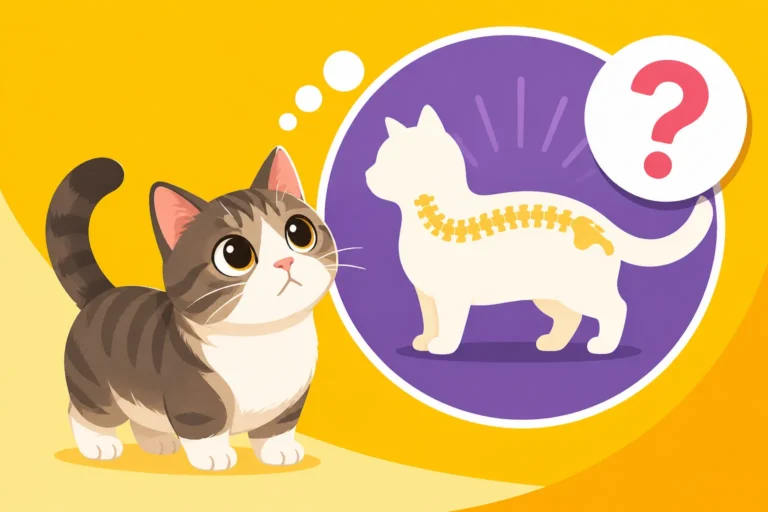
Imagine trying to reach your lower back or hindquarters when your arms are significantly shorter than your torso. That's essentially the daily reality for a Munchkin cat. Their short limbs mean they simply cannot perform the intricate stretches and contortions necessary to thoroughly clean their own hindquarters. It’s not for lack of trying, bless their hearts! We've all seen them twist and turn, often giving up with an exasperated flick of the tail.
Because their bodies sit lower to the ground, a Munchkin's belly and rear are in much closer contact with surfaces, including the litter box. This means they're more prone to picking up stray litter, dust, or even fecal matter in their fur. Over time, this constant contact and inability to self-groom effectively leads to a build-up of grime and, more seriously, matting. Mats aren't just unsightly; they pull on the skin, causing pain and discomfort, and can quickly become a breeding ground for bacteria. For a deeper dive into this specific problem, you might want to read What a Munchkin Cannot Reach to Groom and Why a Munchkin's Belly Fur Needs Checking.
Health Risks Associated with Poor Rear-End Hygiene
Neglecting your Munchkin’s rear-end grooming isn't just a cosmetic issue; it's a direct route to potential health problems. When mats form, particularly around the anus and inner thighs, they can become tightly packed with fecal matter. This creates a painful, dirty barrier that can hinder your cat's ability to defecate comfortably, leading to further soiling and discomfort.
Moreover, the constant dampness and trapped debris under matted fur can cause severe skin irritation, redness, and even open sores. These areas are then highly susceptible to bacterial or yeast infections, which can be incredibly itchy and painful. If left untreated, these infections can spread and require veterinary intervention, often involving antibiotics, anti-inflammatories, and even sedated grooming, adding significant cost and stress. A persistent issue in this area can easily escalate into a full-blown dermatological nightmare. Learn more about how quickly things can go wrong by checking out How Skin Problems Start Under a Munchkin's Mats and Whether Matting Becomes a Health Problem in a Munchkin.
Understanding Grooming Services for a Munchkin's Rear
When you decide to seek professional help for your Munchkin's hygiene, it's helpful to know what services are typically offered and what each entails. A good groomer understands the unique needs of a short-legged cat and will tailor their approach accordingly.
The "Sanitary Clip" and What It Entails
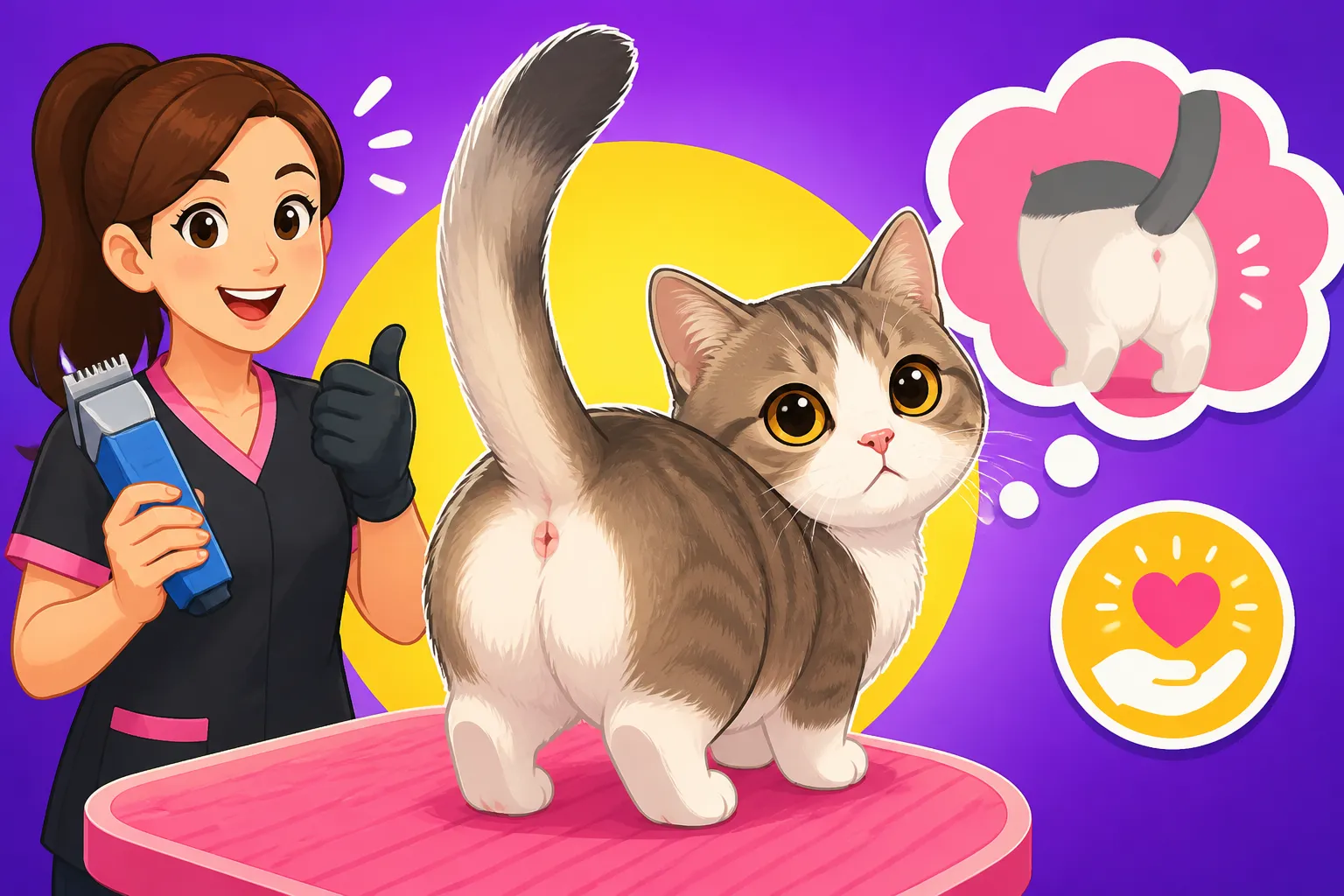
The most common service for a Munchkin's rear is often called a "sanitary clip" or "hygiene trim." This isn't a full-body shave, but rather a targeted trim of the fur around the cat's rear end. The groomer will carefully use clippers to shorten the fur around the anus, vulva or penis, and sometimes the inner thighs, creating a tidy, easy-to-maintain area.
The goal here is purely practical: to remove the fur that is most likely to become soiled or matted, thereby preventing future problems. It allows for better airflow, reduces the chance of fecal matter sticking, and makes it easier for you to perform light spot-cleaning at home between professional visits. This thoughtful trim significantly improves your Munchkin's comfort and hygiene, reducing the stress they experience trying to clean themselves. This specific service is often explored in Whether a Munchkin Needs a Sanitary Clip.
Full Rear Shave vs. Hygiene Trim
While a sanitary clip is typically a preventative measure or a solution for mild soiling, sometimes a more extensive "full rear shave" is necessary. This usually comes into play when a Munchkin's hindquarters are severely matted, tangled, or heavily soiled with dried fecal matter that cannot be brushed out or easily trimmed. In such cases, the groomer will need to shave a larger area to completely remove the problematic fur, often going quite short to get under the mats.
The choice between a hygiene trim and a full shave often depends on the severity of the situation. A hygiene trim is ideal for regular maintenance and less severe cases, keeping some natural length while ensuring cleanliness. A full shave is a more aggressive solution for a cat already in distress, providing a clean slate for regrowth. Your groomer will assess your cat's condition and recommend the best course of action, always prioritizing the cat's comfort and health. For ongoing care, remember to refer to resources like How Often to Brush a Munchkin's Back for at-home maintenance.
Additional Services Often Bundled
It's rare for a professional grooming appointment to be just for a sanitary clip. Many groomers will offer a package that includes other essential services, especially beneficial for a Munchkin. These might include a full brush-out to remove loose fur and prevent mats elsewhere on the body, a nail trim to keep claws from becoming too long and painful, and an ear cleaning to prevent wax build-up and infections.
These bundled services are often more cost-effective than requesting each service individually. For a Munchkin, a thorough brush-out is crucial, as their low-slung bodies can still develop mats on their belly and sides, especially if they have longer fur. Nail trims are also important, as their restricted movement might mean less natural wear on their claws. When discussing pricing, ask about these packages to get a comprehensive care plan for your little friend.
What Influences the Cost of Professional Rear-End Grooming for a Munchkin
Understanding what goes into the pricing of a professional rear-end groom for your Munchkin can help you budget and make informed decisions. It's not a one-size-fits-all situation, and several factors play a significant role.
Geographic Location and Groomer Experience
Just like any service, the cost of cat grooming can vary wildly based on where you live. Groomers in bustling metropolitan areas or high-cost-of-living regions will naturally charge more than those in more rural or suburban settings. For instance, a groomer in New York City or San Francisco will likely have higher rates than one in a small town in the Midwest.
Beyond location, the groomer's experience and reputation are key. A highly experienced cat groomer, particularly one who specializes in working with unique breeds like Munchkins or cats with specific needs, will command a higher fee. They bring a level of expertise, patience, and specialized handling techniques that are invaluable for ensuring your cat has a safe, positive experience. Don't underestimate the value of a groomer who knows how to handle a cat that might be stressed or has anatomical quirks; this expertise often justifies a higher price point. If you're looking for what to ask a potential groomer, consider questions raised in What a Munchkin Breeder Should Be Able to Show You.
Cat's Temperament and Coat Condition
Your Munchkin's personality and the state of their fur will have a big impact on the final cost. A calm, cooperative cat who tolerates handling makes a groomer's job much easier and quicker. On the other hand, a stressed, fearful, or aggressive cat requires more time, patience, and potentially an extra pair of hands, all of which translate to increased cost. Groomers often have "temperament fees" for cats that require significant behavioral management.
The condition of your cat's coat is another major factor. If your Munchkin arrives with a few small mats, a standard sanitary clip will likely suffice. However, if their hindquarters are severely matted, felted, or caked with dried waste, the groomer will need to spend much more time carefully and safely removing these. Dematting is a painstaking process that can be uncomfortable for the cat and time-consuming for the groomer, so expect additional charges for severe matting or significant cleanup. This is why regular at-home grooming and timely professional visits are so crucial, preventing expensive and unpleasant situations. Check out How to Groom a Munchkin's Hindquarters for tips on managing this yourself between visits.
Type of Facility (Mobile, Salon, Vet Office)
Where you get your Munchkin groomed also influences the price. Each option offers different benefits and cost structures:
- Grooming Salons: These are typically the most common option. They often have dedicated cat-friendly spaces and a range of services. Prices here usually fall into a mid-range bracket. Many salons have tiered pricing based on breed, size, and coat condition.
- Mobile Groomers: For convenience, mobile groomers come directly to your home. This can be fantastic for cats who get stressed by car rides or new environments. However, this personalized, on-demand service often comes with a premium price tag due to travel time, fuel, and the convenience factor.
- Veterinary Clinics: Sometimes, if your Munchkin has severe matting, skin infections, or a particularly anxious temperament, your vet might recommend grooming under sedation. This is typically the most expensive option, as it involves a veterinary exam, anesthesia, and medical staff. While not for routine hygiene, it’s a vital option for extreme cases where a traditional groomer cannot safely do the job. In such cases, your pet insurance provider, like Healthy Paws, might offer some coverage, especially if the grooming is deemed medically necessary due to skin issues or infections.
Budgeting for Your Munchkin's Grooming Needs
As a responsible Munchkin owner, factoring professional grooming into your budget is essential. It's an ongoing need, not a one-time expense, and planning for it can save you stress and unexpected bills down the line.
Typical Price Ranges for Rear-End Clips
Given the "no specific prices" rule, I can't give you exact dollar figures, but I can describe the shape of the cost. A basic sanitary clip for a cooperative, non-matted Munchkin will typically fall into the lower end of the specialized cat grooming price spectrum. This might be a standard "add-on" fee to a full brush-out or a standalone service at a reasonable rate.
However, if your Munchkin is matted, difficult to handle, or requires more extensive shaving, the price will naturally move into a higher tier. If sedation is needed at a vet clinic, expect costs to be significantly higher, reflecting the medical nature of the service. Think of it as investing in your cat's well-being. It's always best to call a few local groomers and get quotes based on your Munchkin's specific needs and temperament before booking.
Here's a general idea of how factors might influence the price:
| Factor | Impact on Cost (Relative) | Notes |
|---|---|---|
| Cat's Temperament | Low to High | Calm cats are less expensive; anxious/aggressive cats cost more. |
| Coat Condition | Low to High | Minor trims are cheaper; severe matting requires extensive work. |
| Geographic Location | Variable | Urban areas typically have higher prices than rural ones. |
| Groomer Experience | Moderate to High | Highly skilled, specialized groomers command higher fees. |
| Type of Service | Low to Moderate | Basic sanitary clip is lower; full rear shave for mats is higher. |
| Additional Services | Moderate | Bundled services (nails, ears, brush-out) add to the base cost. |
| Facility Type | Variable | Salon < Mobile < Vet (especially with sedation). |
Frequency of Grooming and Long-Term Costs
How often your Munchkin needs a rear-end trim depends on a few things: their coat type (longhaired Munchkins will likely need more frequent attention than shorthaired ones), their individual hygiene habits, and how diligent you are with at-home spot cleaning and brushing. Generally, a professional sanitary clip might be needed every 4 to 8 weeks to keep things consistently tidy.
When you factor in this frequency, the annual cost of grooming can add up. It’s not just the one-off fee, but the cumulative expense over a year or even your Munchkin's entire lifespan. Think of it as a recurring utility bill for your cat’s health and comfort. Budgeting a monthly amount for this service, even if you only go every other month, ensures you're prepared.
Ways to Manage Grooming Expenses
While professional grooming is an essential service for many Munchkins, there are ways to manage the costs:
- Home Maintenance: The more you do at home, the less often you might need professional help, or at least the less severe the issues will be. Regular brushing, especially around the hindquarters, can prevent mats from forming. Gentle wiping after litter box visits, particularly for cats with longer fur or those who are less fastidious, can make a huge difference. Resources like How to Clean a Munchkin's Rear can guide you. Products available through retailers like Chewy can help you stock up on appropriate grooming tools.
- Preventative Diet: A high-quality diet that supports healthy skin and coat can indirectly help. Healthy skin produces a healthier coat that might be less prone to matting. Fresh, nutritious meals contribute to overall feline well-being, including coat health.
- Grooming Packages: Ask your local groomers if they offer loyalty programs or discounted packages for regular clients. Booking several appointments in advance or opting for a full grooming package rather than just a single service might save you money in the long run.
- Pet Insurance: While routine grooming is typically not covered, if a serious skin infection or severe matting leads to a vet visit and requires medical intervention or sedated grooming, some comprehensive pet insurance plans might offer coverage for the medical portion of the treatment. It's always worth checking your policy details.
Taking care of your Munchkin's unique grooming needs is a critical part of ensuring they live a happy, healthy, and comfortable life. With the right approach and a little budgeting, their adorable short legs won't stand in the way of impeccable hygiene.
Disclaimer
This article is for general informational purposes only and does not constitute professional advice. Laws, prices and regulations vary by location and change over time. Consult a qualified professional for guidance on your specific situation.