Why to Insure a Munchkin Before Its Spine Is Imaged
It’s a common worry for any pet parent: wanting to do the absolute best for your furry family member, but also dreading the financial hit of unexpected vet bills. For Munchkin cat owners, this concern often comes with an added layer of anxiety, particularly around spinal health. The dilemma hits hard when you're trying to be responsible by considering pet insurance, but also know your unique little cat might have predispositions that could complicate coverage if not handled correctly. This guide is here to walk you through exactly why securing pet insurance for your Munchkin before any spinal imaging is incredibly important, protecting both your cat's well-being and your peace of mind.
The Catch-22 of Pre-Existing Conditions and Your Munchkin's Spine
Navigating pet insurance can feel like trying to solve a puzzle, especially when you’re thinking about a breed with known anatomical quirks like the Munchkin. The biggest hurdle often comes down to one phrase: "pre-existing conditions." This term is the reason why the timing of your insurance application, particularly concerning any diagnostic imaging of your Munchkin's spine, is absolutely critical.
What Constitutes a Pre-Existing Condition in Pet Insurance?
In the world of pet insurance, a "pre-existing condition" generally refers to any illness or injury that your pet showed symptoms of, or was diagnosed with, before your insurance policy's effective date or during its waiting period. And here's the kicker: it doesn't even have to be a formal diagnosis. If your vet simply notes a potential issue, observes a symptom, or even just palpates an area of concern in your cat's medical record before your policy is active, an insurer can classify any future treatment for that issue as pre-existing. This can lead to a heartbreaking situation where you've paid premiums, but your most pressing veterinary expenses aren't covered.
For a Munchkin, this can be particularly tricky because their defining characteristic—short legs—means their anatomy is inherently different. A vet doing a routine physical exam might note their gait or carefully check their spine, which is a perfectly normal part of a thorough examination. However, that simple notation in the record, even if it's just an observation without a specific diagnosis of disease, could potentially be used by an insurer to deny future claims related to spinal issues. It's a deeply frustrating scenario many loving pet parents discover too late.
Why Spinal Issues Are a Concern for Munchkins
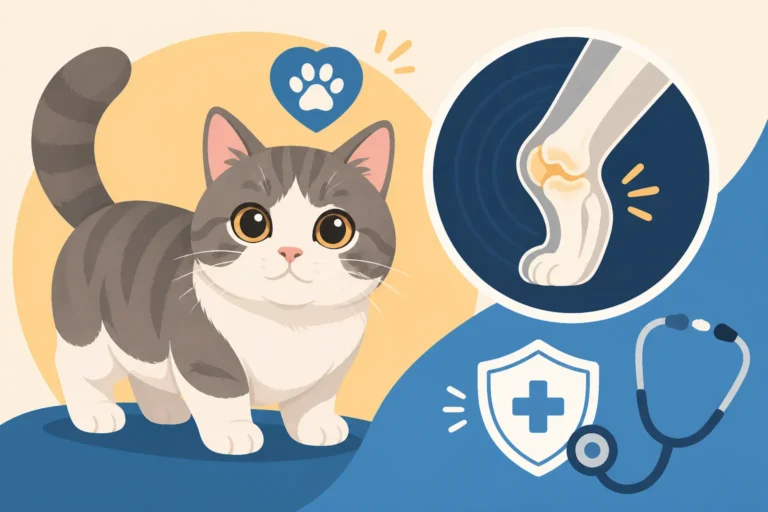
The Munchkin breed's defining characteristic, those adorable short legs, stems from a genetic mutation called pseudoachondroplasia. While this gives them their unique look, it also means their skeletal structure, particularly their spine, can be under different stresses compared to a long-legged cat. It's not that every Munchkin will have spinal problems, but the potential for certain conditions is certainly higher and merits attention.
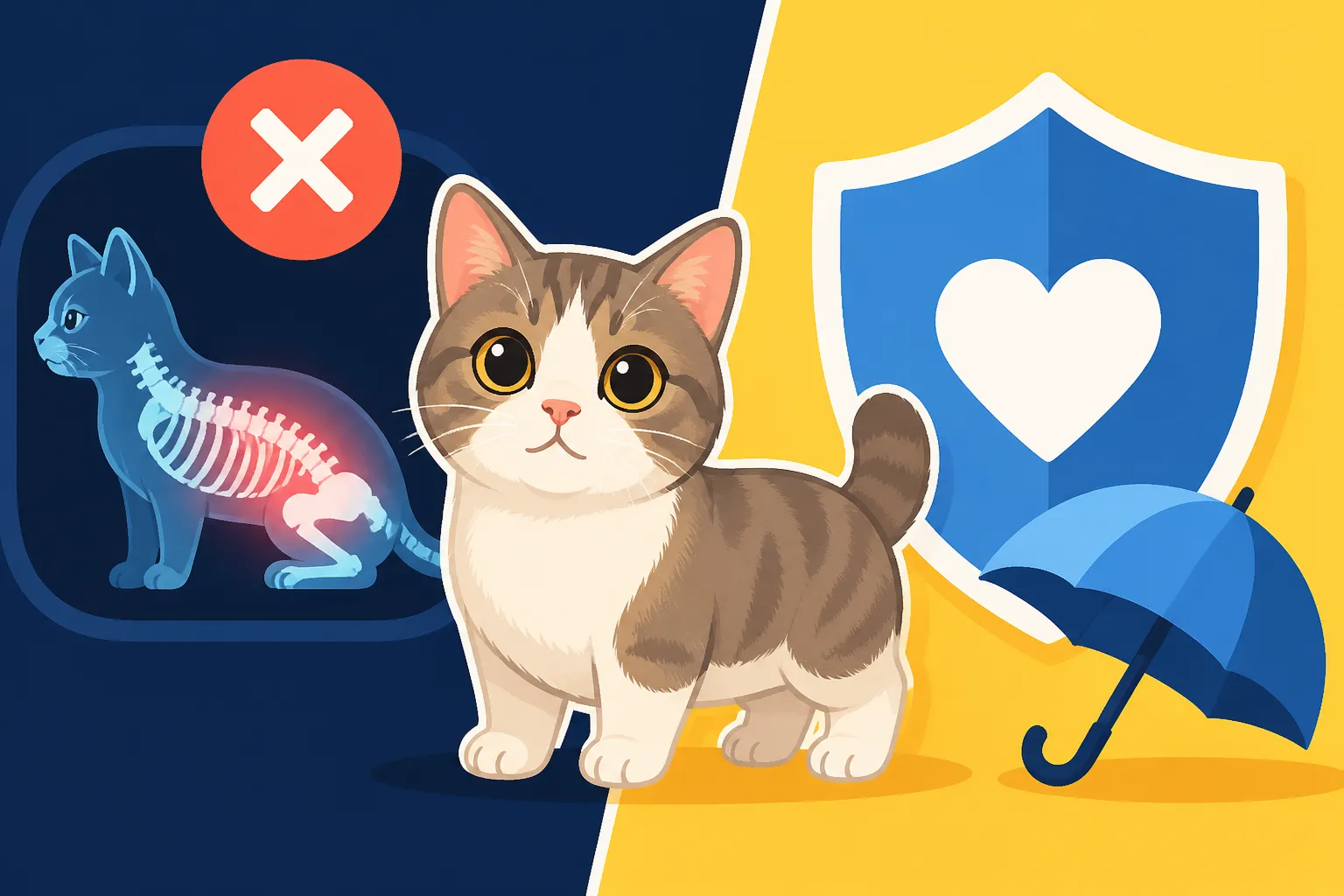
One of the most frequently discussed conditions in Munchkins is lordosis, which is an excessive inward curvature of the spine. Lordosis Is the Spinal Curve the Munchkin Argument Is About. Another is pectus excavatum, sometimes called "funnel chest," where the breastbone grows inward, potentially compressing the heart and lungs. Pectus Excavatum and the Munchkin's Sunken Chest. These conditions, whether mild or severe, often require veterinary monitoring and sometimes intervention. The problem is, these are exactly the types of conditions a vet might look for or note during an early life exam. If your vet performs a physical and simply makes a note about the shape of your Munchkin's chest or a careful palpation of the spine, even without diagnosing a problem, it could create a paper trail that flags the issue as "pre-existing" should a problem develop later.
Consider that a Munchkin's spine carries a load differently because of their shortened limbs. Why a Munchkin's Spine Carries a Load a Normal Cat's Does Not. This altered biomechanics means even normal activities can put unique stress on their back. Vets are often acutely aware of these breed-specific considerations and will often pay close attention to the spine during a routine check-up for a Munchkin. It's this proactive, responsible veterinary care that, ironically, can sometimes create the "pre-existing" hurdle for insurance.
The Waiting Game: Why Timing Your Insurance Matters
Once you decide to get pet insurance, you enter what's known as a "waiting period." This is the time between when your policy becomes active and when coverage for certain conditions actually begins. Most insurance policies have different waiting periods for accidents (often shorter, like a few days) and illnesses (usually longer, anywhere from 14 to 30 days). Some even have extended waiting periods for orthopedic conditions, which would certainly include spinal issues, sometimes up to six months or a year.
If your Munchkin is diagnosed with a spinal issue, or even shows symptoms of one, during this waiting period, it will almost certainly be considered a pre-existing condition, and treatments related to it won't be covered. This is why timing is so crucial. The best strategy is to enroll your Munchkin in a pet insurance policy as a young, healthy kitten, ideally before that first comprehensive vet visit where a thorough physical exam might involve detailed spinal palpation or imaging.
Many breeders will recommend an early vet check for a Munchkin kitten. Why a Munchkin Kitten Needs an Early Vet Check. This is great for your cat's health, but if you don't have insurance in place first, any findings from that check could potentially put you in a tough spot for future coverage. You want to make sure your policy is active and all waiting periods have passed before any potential issues could be noted in their medical history.
The Financial Risk of Delayed Coverage for Spinal Care
Delaying pet insurance until after your Munchkin has had any spinal imaging or even a detailed physical exam could expose you to significant financial strain. Spinal problems, when they do occur, are often complex and expensive to diagnose and manage, sometimes requiring lifelong care.
The Cost of Diagnosing Spinal Problems
If your Munchkin starts showing signs of discomfort or mobility issues that point to a spinal problem, your vet will likely recommend a series of diagnostic tests. These aren't just simple blood tests; they often involve advanced imaging that can quickly add up.
Initially, X-rays might be taken to get a general overview of the skeletal structure, looking for obvious deformities or abnormalities. However, X-rays don't always show soft tissue damage or subtle nerve compression effectively. For a more detailed look, your vet might recommend an MRI (Magnetic Resonance Imaging) or a CT (Computed Tomography) scan. These advanced imaging techniques are often performed by specialists and require your cat to be under general anesthesia, which adds another layer of cost and risk. Each of these procedures, from the initial consultation and X-rays to the specialist referral and advanced imaging, can run into significant figures, potentially thousands of dollars, depending on your location and the specific clinic. If you don't have insurance, these are all expenses you'd be covering out-of-pocket, right at a time when you're already worried about your beloved pet.
Managing Spinal Conditions: Long-Term Expenses
The diagnostic phase is just the beginning. Once a spinal condition is diagnosed, the long-term management can involve ongoing expenses. Depending on the severity and specific issue, treatments can range from medications to physical therapy, and even surgery.
Mild cases of lordosis or other spinal discomfort might be managed with pain relief medication and anti-inflammatory drugs, which are daily or weekly costs that add up over months and years. Physical therapy, such as hydrotherapy, laser therapy, or therapeutic exercises, can significantly improve a Munchkin's quality of life but requires regular sessions with trained professionals. For instance, you might look into supplements to support joint health, easily found on sites like Chewy, but these are ongoing purchases. Some specialized cat foods are formulated for overall health and might offer some joint benefits, but again, these are recurring dietary choices.
In more severe cases, particularly for conditions like pronounced pectus excavatum or severe lordosis causing organ compression, surgical intervention might be necessary. These are major surgeries that involve specialist veterinary surgeons, extensive post-operative care, and prolonged recovery periods, all contributing to a bill that can easily soar into the tens of thousands. Imagine facing such a decision without the safety net of pet insurance. The financial burden could force you to make incredibly difficult choices, which no pet parent should ever have to do.
How Insurance Helps Mitigate These Costs
This is where pet insurance truly shines, acting as a crucial safety net for your family's finances. If your Munchkin's spinal condition is not deemed pre-existing, a good pet insurance policy will reimburse you for a significant portion of these high-cost diagnostic tests and treatments.
Most policies work on a reimbursement model: you pay the vet bill upfront, then submit a claim to your insurer, who will reimburse you a percentage (often 70-90%) after your deductible is met. This means that while you still have some out-of-pocket expense, the vast majority of those crippling bills for MRIs, surgeries, medications, and physical therapy could be covered. Think about a severe lordosis case requiring extensive diagnostics and possibly surgery – a few thousand dollars out-of-pocket is far more manageable than tens of thousands.
Companies like Healthy Paws are well-known for their comprehensive illness and accident plans, which, if activated before any issues arise, could be invaluable for managing complex conditions. Having this coverage in place means you can focus on getting your Munchkin the best possible care without the added stress of financial ruin. It truly empowers you to make medical decisions based on what’s best for your cat, not just what you can afford at that exact moment.
Practical Steps to Insure Your Munchkin Smartly
Making an informed decision about pet insurance for your Munchkin involves a bit of homework, but it's time well spent to ensure you get the best coverage possible. The goal is to secure a policy that understands the unique needs of a Munchkin and protects against the most common health concerns.
Researching Pet Insurance Providers and Policy Details
Not all pet insurance policies are created equal, and it's essential to compare providers carefully. Look into reputable companies that offer comprehensive accident and illness plans. When comparing, pay close attention to:
- Deductibles: This is the amount you pay first before your insurance starts to reimburse you. Options often range from a few hundred dollars to over a thousand.
- Reimbursement Percentage: This is the percentage of the vet bill (after the deductible) that the insurance company will pay. Common percentages are 70%, 80%, or 90%.
- Annual Limits: Some policies have a maximum amount they will pay out in a year. Unlimited plans offer the most comprehensive financial protection.
- Waiting Periods: Understand the specific waiting periods for accidents, illnesses, and especially orthopedic conditions, as these are critical for a Munchkin.
- Exclusions: Read the fine print! Look for any breed-specific exclusions, or clauses related to hereditary or congenital conditions. While most good policies cover hereditary conditions if not pre-existing, it's vital to confirm.
- Customer Service and Claims Process: Check reviews for how easy it is to file claims and how responsive their customer service is.
Don't be afraid to get quotes from several providers and really dig into their policy documents. You want a plan that gives you confidence that the specific concerns for a Munchkin, especially regarding their spine and joints, would be covered if they were to develop.
Getting Coverage Early: The Golden Rule for Munchkin Owners
This cannot be stressed enough: the single most effective way to protect your Munchkin from spinal conditions being deemed pre-existing is to get pet insurance coverage as early as possible. Ideally, you should enroll your Munchkin kitten before their first wellness vet visit.
Think about it this way: when you bring home a new kitten, one of the first things you do is take them to the vet for a thorough check-up, vaccinations, and deworming. This is excellent and responsible care. However, during that comprehensive exam, the vet will perform a full physical assessment, which will undoubtedly include palpating your Munchkin's spine, checking their gait, and noting any observations about their conformation, chest shape, or movement. Even if these observations are perfectly normal, and even if no specific diagnosis is made, the mere documentation of these checks in their medical record before your policy is active could potentially be used to deny a claim down the line if a spinal issue later develops.
The sweet spot for enrollment is usually between 8 and 12 weeks of age, right around the time they're ready to come home and before those initial comprehensive vet visits. This allows the policy's waiting periods to pass while your kitten is still in seemingly perfect health, ensuring that anything noted after that period isn't flagged as pre-existing. This proactive approach applies to many breeds with known predispositions, but it's especially pertinent for a Munchkin given the discussions around their unique skeletal structure.
Understanding the Limitations and Exclusions
While pet insurance is a fantastic investment, it's also important to have realistic expectations. No insurance policy covers absolutely everything, and understanding the common limitations and exclusions will prevent surprises.
Common exclusions often include:
- Routine wellness and preventative care: Most accident and illness policies do not cover routine exams, vaccinations, flea/tick prevention, or spaying/neutering. Some providers offer optional wellness add-ons for these, but they are separate from the core illness/accident coverage.
- Cosmetic procedures: Things like ear cropping or tail docking (though not relevant for Munchkins) are generally not covered.
- Behavioral issues: While some policies are starting to offer limited coverage for behavioral therapy, it's not universally included.
Even with comprehensive insurance, you will always have some out-of-pocket costs due to the deductible and the reimbursement percentage. The goal isn't to eliminate all vet costs, but to make the unpredictable and expensive ones manageable. The true value of insuring your Munchkin before spinal imaging lies in protecting against those high-cost diagnoses and treatments for conditions that, while potentially linked to their breed, would be covered as long as they aren't marked as pre-existing. This strategic timing ensures that the unique anatomical considerations of your Munchkin are covered, letting you breathe a little easier knowing you're prepared for whatever life throws your way.
Here’s a simplified look at the financial difference proactive insurance can make for a hypothetical spinal issue:
| Scenario | Pre-Insurance Vet Visit (Spinal Issue Noted) | Post-Insurance Vet Visit (Policy Active & Waiting Periods Passed) |
|---|---|---|
| Initial Vet Exam & X-rays | Paid out-of-pocket | Paid out-of-pocket, contributes to deductible |
| Advanced Imaging (MRI/CT) | 100% Paid out-of-pocket | Covered by insurance (after deductible), you pay reimbursement % |
| Specialist Consultation | 100% Paid out-of-pocket | Covered by insurance (after deductible), you pay reimbursement % |
| Medication (ongoing) | 100% Paid out-of-pocket | Covered by insurance (after deductible), you pay reimbursement % |
| Physical Therapy | 100% Paid out-of-pocket | Covered by insurance (after deductible), you pay reimbursement % |
| Potential Surgery | 100% Paid out-of-pocket (thousands) | Covered by insurance (after deductible), you pay reimbursement % |
| Total Financial Impact | Potentially crippling | Significantly reduced and manageable |
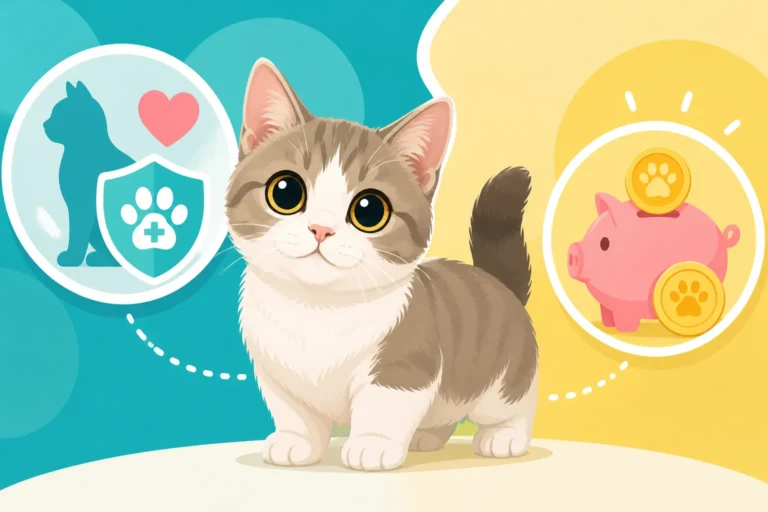
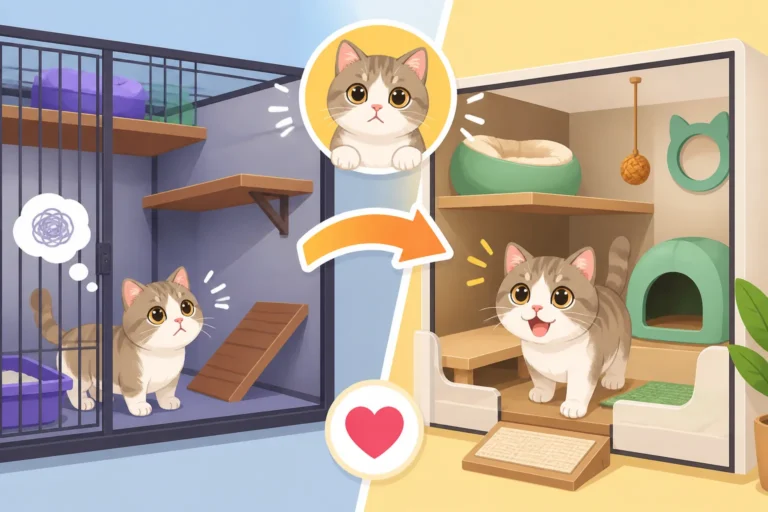
When you factor in how much a Munchkin can cost over thirteen years, What a Munchkin Costs Over Thirteen Years, or even just in its first year when you're adapting your home, Why a Munchkin's First Year Includes Rebuilding a Room, adding insurance early makes absolute sense. It's about protecting that investment in love and companionship, not just the financial one.
Ultimately, caring for a Munchkin means understanding their unique needs, and that includes being proactive about their health and the financial tools available to support it. Getting pet insurance for your Munchkin before any spinal imaging means you're not just being a responsible pet parent; you're safeguarding your ability to provide the best possible care for your cherished companion for years to come, without the crushing weight of unexpected medical bills.
Disclaimer
This article is for general informational purposes only and does not constitute professional advice. Laws, prices and regulations vary by location and change over time. Consult a qualified professional for guidance on your specific situation.