A Munchkin Kitten’s First Year of Learning Its Limits
Bringing a new Munchkin kitten into your home is an incredibly exciting time, full of adorable antics and tiny purrs. But as much as we adore their distinctive short legs, many new Munchkin parents quickly realize that their little bundles of joy have a unique way of experiencing the world, especially when it comes to figuring out what their bodies can and can't do. This guide is here to walk you through that fascinating first year, helping you understand how your Munchkin kitten learns its physical limits and how you can best support them in navigating their environment safely and happily.
The Unique Starting Line: How a Munchkin Kitten Begins Life
From the moment they're born, Munchkin kittens are a little different, and it's those differences that shape their entire approach to mobility and exploration during their crucial first year. While their hearts and minds are just as curious and active as any other kitten, their physical form requires a different kind of understanding from their human companions.
First Wobbly Steps and Leg Differences
When a typical kitten starts to take its first wobbly steps, usually around two to three weeks old, it's all about coordinating those long, gangly limbs. For a Munchkin kitten, this stage is equally endearing but distinctly unique. Their legs, already shorter due to the genetic mutation, mean that their center of gravity is lower, and their gait develops with a characteristic waddle or a kind of ferret-like scurry. You'll notice almost immediately that their early movements are more about propelling themselves forward close to the ground rather than pushing up.
Unlike their normal-legged littermates, who might be attempting to push themselves higher or scale small obstacles, Munchkin kittens prioritize efficiency on the horizontal plane. They'll scuttle, belly-low, with an incredible sense of determination. It’s not a struggle, per se, but an innate adaptation. They aren't trying to achieve the same verticality as a long-legged cat; they're mastering their own form of ground-level agility. This early pattern of movement is vital, as it lays the foundation for how they'll explore and interact with their world for the rest of their lives. Observing this in a tiny kitten helps you appreciate just how quickly they adapt to their unique physique.
Understanding the Physical Blueprint
The defining characteristic of a Munchkin cat is their short legs, a trait that stems from an autosomal dominant genetic mutation. What's crucial to understand is that while their legs are short, their body length and spinal column are typically of normal feline proportions. This isn't like some forms of dwarfism that affect overall bone structure; it's specific to the long bones of the legs. This particular genetic makeup means that How Munchkin Dwarfism Is Inherited is a significant factor in their physical development.
Because their spine and torso are a standard length, they have a normal range of motion in their back, but their leverage for jumping is severely limited by those short limbs. Think of it like trying to jump high with very short springs – you just don't get the same propulsion. This physical blueprint means that right from the beginning, a Munchkin kitten's understanding of "up" is inherently different from a standard cat's. Their brain is processing a world that they navigate horizontally, with vertical access requiring more strategic planning and assistance. It’s not a defect that causes pain; it’s simply a different way of being, and it informs every aspect of their physical learning.
The Early Exploration Instinct
Despite their unique physiology, Munchkin kittens are driven by the same boundless curiosity that all kittens possess. They are explorers by nature, eager to investigate every nook and cranny of their environment. However, their short legs dictate the way they explore. While a long-legged kitten might attempt to scramble up a chair leg or leap onto a low shelf, a Munchkin kitten will likely stick to floor-level exploration initially. They'll dart under furniture, squeeze into tight spaces, and meticulously examine everything within their immediate reach.
This early exploratory phase is critical for owners to observe. You'll notice them "mapping" their territory, identifying pathways and boundaries that work for their body. They might try to scale a blanket draped on the floor, using it like a tiny mountain, or carefully navigate around a tall water bowl. This drive to explore means they will always push their limits, and it's our job as their guardians to ensure those limits are safe and well-supported. Watching them in these early weeks provides invaluable insight into their natural ingenuity and teaches us how best to set up their world.
Navigating the World: Early Mobility and Adaptation
As Munchkin kittens grow, their unique physical attributes lead to some truly fascinating adaptations in how they move and interact with their surroundings. These aren't just cute quirks; they're ingenious solutions to navigating a world designed for taller felines.
The Low-Slung Advantage: Speed and Agility on the Flat
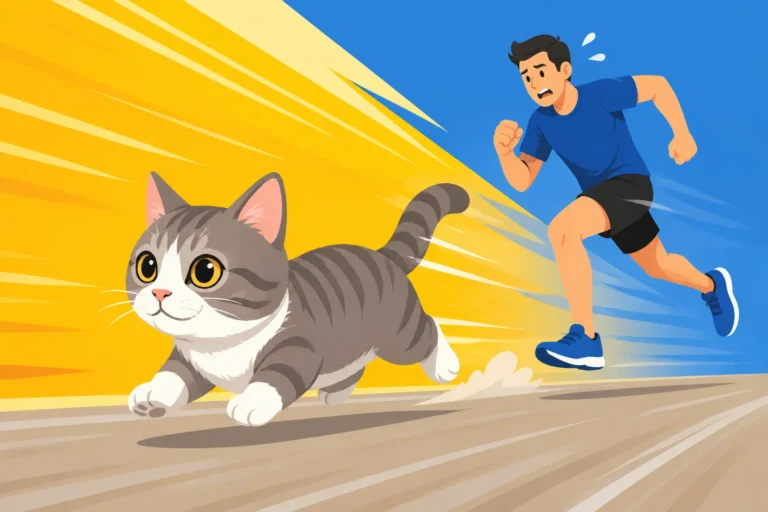
You might imagine a short-legged cat would be slow, but you'd be delightfully mistaken! Munchkin kittens, once they've found their footing, can be incredibly fast and agile on flat surfaces. Their low center of gravity isn't a hindrance; it's an advantage. They can hug the ground, darting through rooms with surprising speed, weaving around obstacles with precision that a taller cat might struggle to match. Think of a race car versus an SUV – one is built for speed and tight turns, the other for height.
This means that while they might not be scaling your bookshelves, they can certainly keep up with, and often outmaneuver, other pets during a game of chase across the living room floor. Their ability to turn corners sharply and accelerate quickly is a marvel to watch. It's a key part of their "learning their limits" – they quickly discover that what they lack in vertical reach, they make up for in ground-level dynamism. How Fast a Munchkin Runs on Level Ground is often a surprising revelation to new owners! This early mastery of horizontal speed is a testament to their adaptable nature and ensures they can fully participate in floor-level play and exploration.
The "Prairie Dog" Sit: A Signature Adaptation
One of the most endearing and well-known behaviors of a Munchkin cat is their "prairie dog" sit. From a young age, you'll notice your kitten occasionally sitting bolt upright on their hind legs, paws dangling, looking around with intense curiosity. It's a posture almost unique to the breed, reminiscent of a meerkat or, indeed, a prairie dog. This isn't just for cuteness; it's a brilliant adaptation.
Because their short legs restrict their ability to gain height by jumping, sitting up on their haunches gives them those precious extra few inches of perspective. They might do it to get a better view of something interesting on the coffee table, to scan the room for their favorite toy, or even to get your attention. Kittens will start to experiment with this posture early on, testing how long they can balance and how much more they can see. Why a Munchkin Sits Up on Its Hind Legs is rooted in their need to compensate for their shorter stature. Observing your kitten perfect this balancing act is a wonderful insight into their continuous problem-solving and determination to interact with their environment on their own terms.
Overcoming Obstacles: Creative Climbing and Scrambling
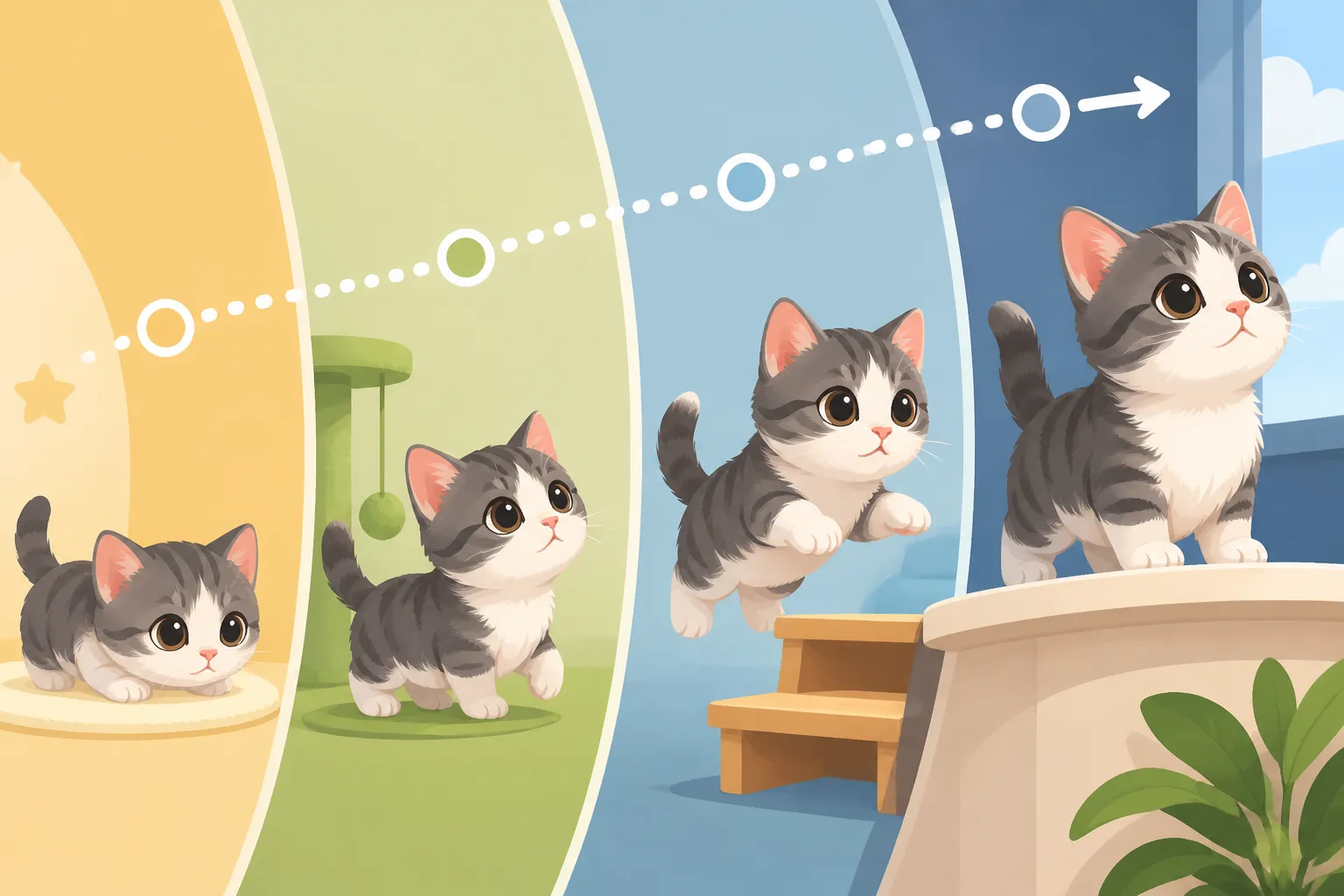
While jumping is a significant challenge for a Munchkin, that doesn't mean they shy away from all verticality. Instead, they become master strategists of the gradual ascent. Rather than leaping straight onto a sofa, a Munchkin kitten will often eye nearby objects for a stepwise approach. They might use a stack of magazines as a first step, then a sturdy cushion, before finally scrambling onto the couch. You'll see them leveraging every available surface, turning ordinary furniture into their personal climbing frames.
They're incredibly resourceful, using textured fabrics to grip, finding small ledges, and pushing off with surprising strength from their hindquarters to gain momentum for a "scramble-jump." Blankets draped from a bed to the floor become inviting ramps, and low shelves are seen as accessible perches. This resourcefulness is a key part of their learning process. They quickly understand which textures provide grip, which heights are achievable with a multi-step approach, and which objects are stable enough to support their climb. This innovative problem-solving showcases their intelligence and determination to reach desired destinations, even if it means a little extra effort.
The Art of the Jump: Understanding Vertical Challenges
For most cats, jumping is second nature – a graceful, effortless leap. For a Munchkin, it's a calculated decision, a true art form requiring maximum effort for often modest gains. Learning their jumping limits is a significant part of their first year.
Learning the Limits of the Leap
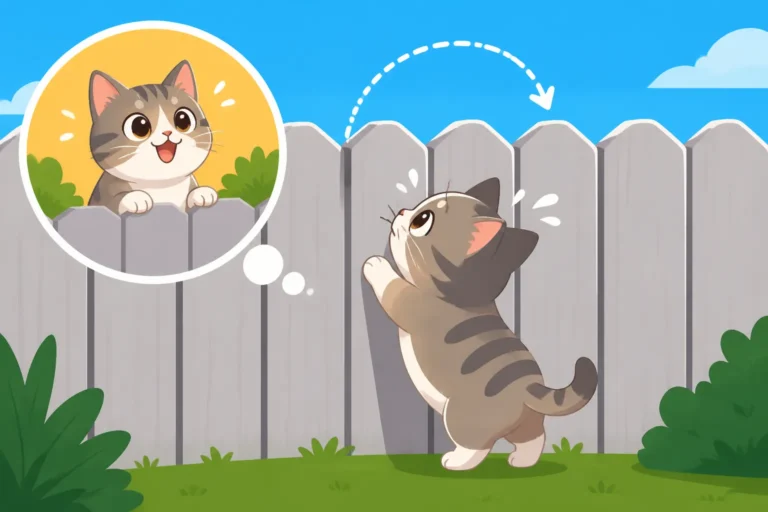
A Munchkin kitten will undoubtedly try to jump. They have the instinct, the desire to reach that tantalizing toy or that sunny windowsill, but their short legs dramatically alter the physics of their leap. They launch themselves with incredible power, but the limited length of their limbs means they can't achieve the same height as a standard cat. Instead of a soaring arc, you'll see a powerful, explosive upward thrust that gains a few inches, maybe a foot at best, from a standstill.
These initial attempts are critical learning experiences. They quickly discover that some heights are simply impossible, no matter how much effort they put in. How Many Inches a Munchkin Can Jump is a question many new owners ask, and the answer is usually much less than you'd expect from a feline. They'll test boundaries, sometimes misjudging, landing a little short, but rarely injuring themselves due to their low-impact landings. This trial-and-error process is how they internalize their vertical limitations, deciding which jumps are worth the effort and which require a different strategy.
The Repeated Attempt: Persistence in the Face of Gravity
One thing you'll quickly learn about a Munchkin kitten is their unwavering persistence. If they want to get to a particular spot, and they believe it's just out of reach, they will try, and try again. It's not uncommon to see a little Munchkin kitten launch itself repeatedly at the edge of a bed or sofa, sometimes for several minutes, determined to make the ascent. This isn't just play; it's intense problem-solving. Why a Munchkin Tries the Same Jump Repeatedly comes from their natural drive and their learning curve.
As owners, it's important to observe this behavior carefully. While their persistence is admirable, constant, high-impact jumping can potentially put strain on their joints over time. It's a delicate balance: you want to allow them to explore and learn, but also provide assistance to prevent unnecessary stress. If you see them repeatedly struggling with a height, it's a clear signal that it's time to introduce a ramp, steps, or simply lift them gently to their desired perch. Early intervention with supportive structures can save them a lot of frustration and protect their bodies.
Safe Ascent and Descent Strategies
Because traditional jumping is so challenging, providing safe alternatives for ascent and descent is paramount. Ramps and steps become not just accessories but essential parts of your Munchkin kitten's furniture. Teaching them to use these aids early in their first year is incredibly beneficial. They learn that there are easier, safer ways to reach their favorite spots. A well-placed ramp to a sunny windowsill or a set of pet stairs leading to your bed can dramatically improve their quality of life and reduce potential strain.
Introducing these aids should be positive and gradual. Place treats on the steps, or gently guide your kitten up and down. Most Munchkins, being intelligent and pragmatic, quickly grasp the concept once they realize it makes their lives easier. It's often coming down that can be harder than going up, especially if they've managed a scramble-jump onto something high without a clear descent path. They may yowl for help or attempt a somewhat clumsy, belly-first slide. How to Teach a Munchkin to Use Steps should focus on positive reinforcement and making the process fun. By their first birthday, with the right encouragement, they should be confidently using their dedicated pathways around the home.
Socializing with the World: Interactions with Others
A Munchkin kitten's short legs don't just affect how they move; they also profoundly influence how they interact with other animals and people. Their unique perspective from ground level shapes their social dynamics from their earliest months.
Playing with Littermates and Other Cats
In a litter of mixed-leg-length kittens, a Munchkin kitten will quickly learn to adapt its play style. While their long-legged siblings might pounce from a height or scale a kitten tree, the Munchkin will master the art of the ambush from under a blanket, or a lightning-fast pursuit across the floor. They are often incredibly quick and agile on the ground, making them formidable playmates in their own right. However, during rough-and-tumble play, they can sometimes be at a disadvantage. They can't easily jump out of the way of a playful pounce from above or escape to a higher perch if a game gets too intense.
This means that owners need to be observant of inter-cat dynamics, especially if you have other, taller cats. Most cats adapt well, but a particularly boisterous or territorial cat might inadvertently bully a Munchkin who can't easily escape. Whether a Munchkin Is Bullied by a Normal Legged Cat is a common concern for new owners. Early socialization, careful introductions, and providing safe, accessible retreat spaces are crucial for ensuring your Munchkin kitten builds confidence and enjoys harmonious relationships with its feline companions.
Navigating Children and Other Pets
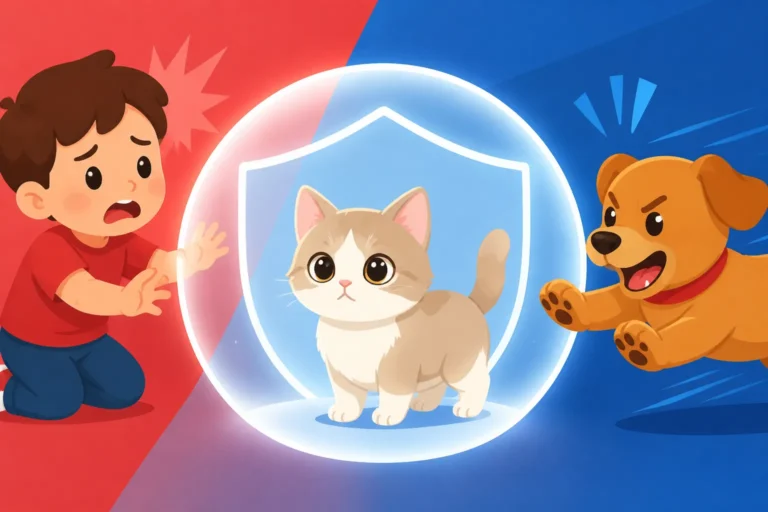
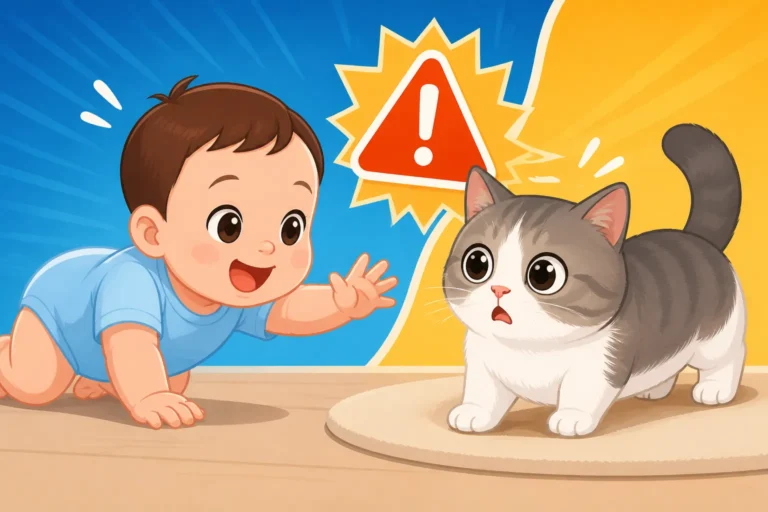
Bringing a Munchkin kitten into a home with young children or dogs requires extra vigilance. From a Munchkin's perspective, a toddler can seem like a giant, clumsy, unpredictable force, and a large dog, even a friendly one, can be an overwhelming presence. Because Munchkins can't easily jump onto furniture or climb a tall cat tree to escape, they are more vulnerable to accidental trampling or overzealous play. They simply lack the quick escape routes that long-legged cats take for granted.
This isn't to say Munchkins can't thrive in such households, but it requires careful management and teaching. Children must be taught how to interact gently, to avoid chasing, and to understand that the kitten cannot easily run away. Dogs need to be well-trained, supervised closely, and given clear boundaries. Dedicated "safe zones" on the floor, like open carriers or playpens, can offer a crucial refuge. Why a Munchkin Cannot Get Away From a Dog highlights this core vulnerability. The first year is about teaching the kitten safe coping mechanisms and teaching the household how to protect its smallest member.
Communicating Needs and Asking for Help
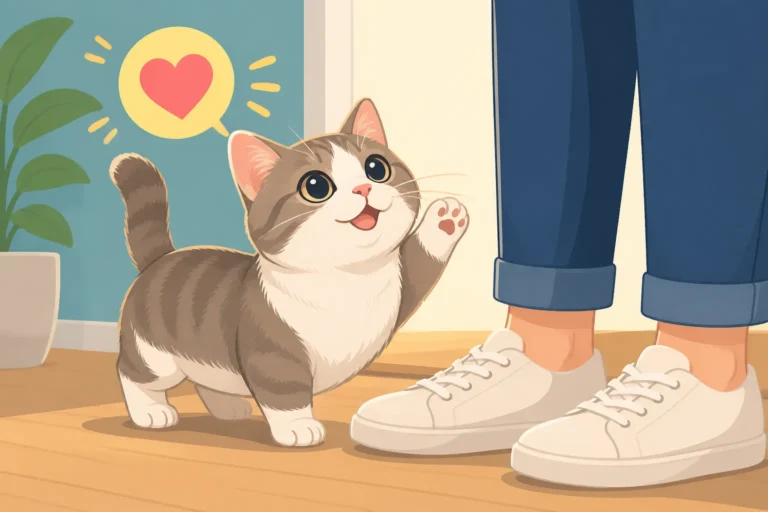
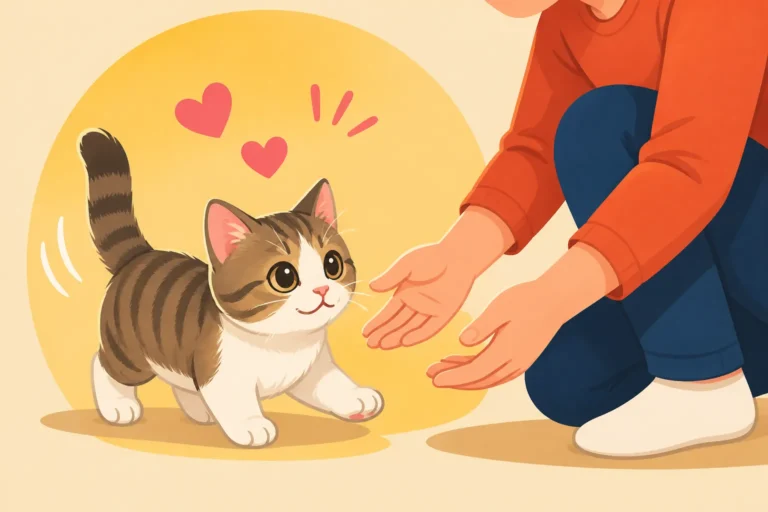
Munchkin kittens are incredibly intelligent and quickly learn how to communicate their needs, especially when they can't physically reach something or someone. They develop a unique repertoire of vocalizations and body language to ask for assistance. You might find them sitting at your feet, looking up with wide, pleading eyes, perhaps letting out a soft "mew." Some will gently tap your leg with a paw, while others will pace back and forth, making eye contact until you understand their request.
This communication is often about wanting to be lifted onto a lap, a bed, or a favorite windowsill. They learn early that their humans are their personal "elevators" to higher places. How Much a Munchkin Talks When It Wants Lifting can vary from cat to cat, but many Munchkins become quite vocal and expressive when they need a lift. Responding consistently and gently to these requests builds a strong bond of trust and reassures them that their physical limitations won't prevent them from enjoying all the comforts of home and the company of their people. This mutual understanding forms a significant part of their social learning during their first year.
Building a Safe Haven: Adapting the Home Environment
For a Munchkin kitten to truly flourish and learn without constant frustration or risk, their living environment needs to be thoughtfully adapted. This isn't about coddling; it's about providing an inclusive, safe, and stimulating space that respects their unique physical capabilities.
Essential Floor-Level Access
The most fundamental adaptation for a Munchkin kitten is ensuring all their daily necessities are easily accessible at floor level. This includes food and water bowls, and critically, their litter boxes. Imagine trying to step over a high lip with very short legs – it's not just difficult, it can be uncomfortable or even painful, leading to accidents outside the box. Look for litter boxes with extremely low entry points, or consider DIY options by cutting down one side of a standard box.
Water and food bowls should also be easily reached without having to stretch or stand on hind legs. While some owners opt for slightly raised food bowls to ease neck strain, the entry to the bowl should never be a barrier. Ensure their favorite sleeping spots are also on the floor or on low, easily accessible platforms. Why a Munchkin Needs a Litter Box It Can Walk Into cannot be overstated. By ensuring these basics are effortlessly available, you remove daily stressors and allow your kitten to focus its energy on play and exploration, rather than navigating unnecessary obstacles.
The Ramp and Step Revolution
Ramps and steps are game-changers for a Munchkin cat. They transform vertical challenges into manageable inclines and staircases, providing your kitten with independence and confidence. During their first year, introducing these aids for beds, sofas, and even favorite window perches is crucial. Look for sturdy, carpeted ramps with a gentle incline, or pet steps that have shallow rises and wide treads. Ramps and Steps Are Munchkin Equipment, Not Luxuries – they are fundamental tools for their mobility.
You can find a wide variety of pet ramps and steps on platforms like Amazon, ranging from carpeted wooden structures to foldable foam options. The key is stability and appropriate dimensions. A ramp that's too steep will be difficult to use, and one that wobbles will make your kitten hesitant. Place these aids strategically wherever your Munchkin might want to go. For instance, a ramp next to the bed allows them to join you for cuddles without relying on you to lift them, fostering a greater sense of autonomy. Consistency in placement helps them quickly learn and trust these new pathways.
Creating Vertical Pathways and Safe Perches
Even with short legs, Munchkins still possess that innate feline desire for elevation. They love to observe their kingdom from a vantage point, and they crave safe, cozy perches. The trick is to create these vertical opportunities in a way that is accessible. Think about transforming your furniture into a natural staircase or investing in specialized cat furniture. Modular shelving units or sturdy, low bookcases can be arranged to create a series of steps up to a higher platform.
Traditional tall cat trees are often useless for a Munchkin because the platforms are spaced too far apart. Instead, look for cat trees specifically designed for senior cats or those with disabilities, which feature much closer-set platforms and ramps. Alternatively, you can modify a standard cat tree by adding extra shelves or ramps between levels. The goal is to provide multiple intermediate steps so your Munchkin can ascend gradually. Which Cat Tree Layout Suits a Munchkin will always prioritize horizontal expansion over pure vertical height. Creating these accessible "high" places enriches their environment, satisfies their climbing instincts, and gives them safe retreat options without the physical strain of jumping.
Playtime and Enrichment: Keeping a Short-Legged Kitten Engaged
Just like any other kitten, Munchkins need plenty of playtime and mental stimulation to be happy and healthy. The type of enrichment, however, needs to be thoughtfully chosen to suit their unique physical capabilities. Their first year is about discovering what games they love and excel at, and how they can best engage with the world of toys.
Floor-Level Fun: Toys and Games
The vast majority of a Munchkin kitten's play will naturally occur at floor level, and they are absolute masters of it! They excel at games that involve chasing, darting, and pouncing from a low vantage point. Wand toys are a fantastic choice, allowing you to drag feathers or soft toys along the ground, mimicking prey movements that trigger their strong hunting instincts. They'll perform incredible maneuvers, skittering and weaving as they pursue their target.
Small, lightweight rolling toys like crinkle balls, ping-pong balls, or even a simple crumpled piece of paper are also huge hits. These allow them to bat and chase, burning off energy and honing their coordination. They'll often bring these toys back to you, ready for another round of fetch on the flat. Avoid toys that require significant jumping or reaching overhead, as these will only lead to frustration. Which Toys Work at a Munchkin's Height are always those that can be manipulated or pursued without a vertical challenge, ensuring maximum enjoyment and physical activity.
Mental Stimulation and Puzzle Play
Beyond physical play, Munchkin kittens need mental enrichment to keep their sharp minds engaged. Puzzle feeders are an excellent way to combine mealtime with a brain workout. Look for feeders that require batting, nudging, or rolling to release treats, rather than those that involve reaching down into deep compartments or scaling structures. Shallow puzzle trays or those with removable covers work best, allowing them to use their paws and noses effectively without straining.
Interactive laser pointers (used responsibly and always ending with a tangible toy) can also provide great mental and physical stimulation, encouraging them to chase and strategize. Hide-and-seek with treats or small toys around the room encourages their natural scent-tracking abilities and provides a sense of accomplishment. You can even set up simple obstacle courses using household items, challenging them to navigate around and through objects at floor level. Which Puzzle Feeders a Munchkin Can Reach Into are those designed with their low stature in mind, making them accessible and rewarding.
Encouraging Safe Physical Activity
While ensuring their environment is adapted, it's also important to actively encourage your Munchkin kitten to stay physically active. Regular, controlled play sessions help maintain muscle tone, support joint health, and prevent unhealthy weight gain, which can be particularly detrimental for their unique frame. Short, frequent bursts of play are often more beneficial than one long, exhausting session. Encourage games that involve running and darting, which utilize their natural agility.
It's important to differentiate between playful jumps and strenuous, repeated attempts to reach an impossible height. Guide their play towards horizontal movements and accessible vertical challenges, like using a ramp. Avoid games that encourage them to launch themselves off high surfaces, as repeated high-impact landings can be stressful on their joints over time. Think about how you can incorporate movement into their daily routine, perhaps by making them "hunt" for their meals by moving their food bowl to different, easily accessible spots. Consistent, safe physical activity throughout their first year is paramount for their long-term health and mobility.
Navigating the First Few Months: Key Milestones
A Munchkin kitten's first year is a period of rapid development and learning, albeit with its own unique timeline influenced by their short legs. Understanding these milestones helps owners appreciate their kitten's progress and anticipate their evolving needs.
Weeks 1-4: The Foundation of Movement
The very first weeks of a Munchkin kitten's life are all about establishing the foundational movements. Newborns will be entirely dependent, but by week two, you'll start to see tentative crawling and attempts to push themselves up. Around weeks three to four, those distinctive short legs will begin to propel them with more coordination. This is when the characteristic "waddle" or "ferret-like" scurry truly emerges. They're still very wobbly, but their instincts to explore and move are strong.
During this period, their world is primarily horizontal. They learn to navigate the immediate vicinity of their nest or den, bumping into littermates and exploring scent trails. Their early reflexes are developing, and they're building muscle strength in their short limbs. Owners and breeders will be closely observing their gait, ensuring smooth, unhindered movement, and noting the early signs of their individual mobility style. This is the crucial stage where their unique physical path begins to solidify, setting the stage for all future explorations.
Months 2-6: Exploration and Skill Development
As a Munchkin kitten enters the 2 to 6-month age range, they become incredibly active and curious. This is the prime time for them to truly explore their environment and develop their signature movement skills. They'll be gaining confidence with their speed on the flat, mastering those sharp turns, and perfecting their prairie dog sit. They'll start to experiment with jumping, quickly learning their vertical limitations and figuring out which low-lying objects they can actually scale.
This is also the ideal time to introduce ramps and steps to their environment. Their minds are sponges, eager to learn new pathways to their favorite spots. You'll see them using objects as stepping stones, and their problem-solving skills will be on full display as they work out how to reach a desired perch. Early veterinary checks are vital during this period to monitor their overall health and development. Why a Munchkin Kitten Needs an Early Vet Check can ensure they are thriving and address any concerns early. Their playful energy is at its peak, and they are constantly learning, growing, and refining their unique way of navigating the world.
Months 7-12: Maturing and Solidifying Habits
By the time a Munchkin kitten reaches 7 to 12 months, they are well on their way to adulthood. Most of their physical growth is complete, and their movement patterns and environmental adaptations are largely solidified. They will have a firm understanding of what they can and cannot reach, and they'll be confidently utilizing any ramps, steps, or accessible climbing structures you've provided. Their play will remain energetic, but they will likely have settled into their preferred modes of activity, leaning into their ground-level agility.
At this stage, their personality is fully developed, and their communication style regarding their needs will be well-established. They'll expect assistance for higher perches and will be adept at asking for it. Monitoring their weight becomes increasingly important as they mature, ensuring they maintain a healthy body condition that doesn't put undue strain on their joints. What a Munchkin Should Weigh at Its Frame is a key factor in their long-term health. By their first birthday, your Munchkin will have transitioned from a curious, experimenting kitten to a confident, adaptable young adult who has fully embraced its unique place in your home.
From Kitten to Adult: Solidifying Habits and Limits
The journey from a playful Munchkin kitten to a confident adult cat is continuous throughout their first year. By the time they reach their first birthday, most of their fundamental learning about their physical limits and how to navigate their world will be firmly established. This transition phase is all about reinforcing good habits and ensuring their long-term well-being.
Reinforcing Good Habits and Safe Practices
As your Munchkin matures, it's crucial to continue reinforcing the safe practices and environmental adaptations you've introduced during their kittenhood. Consistently using ramps and steps, rather than attempting risky jumps, should be a well-ingrained habit. Make sure these aids remain in good repair and are always accessible. Continue with regular floor-level play, encouraging their natural agility and preventing them from becoming sedentary.
Another important habit to reinforce is regular grooming, especially for their hindquarters and belly, areas they may struggle to reach themselves due to their short legs. Long-haired Munchkins, in particular, will benefit from daily brushing to prevent mats, which can quickly become uncomfortable and lead to skin issues. By maintaining these routines, you ensure that the positive habits formed in their first year continue to support their health and happiness throughout their adult life.
Monitoring for Long-Term Health
The first year is a foundation for lifelong health. As your Munchkin transitions into adulthood, ongoing monitoring for any signs of discomfort or changes in mobility is essential. Even with the best care, some Munchkins may be prone to joint issues later in life, particularly in their shoulders and elbows, due to the biomechanics of their short legs and how they bear weight. Pay attention to any reluctance to play, changes in gait, or signs of stiffness, especially after rest.
Regular veterinary check-ups should include a thorough assessment of their skeletal health. Your vet might suggest specific joint supplements or dietary considerations to support their mobility as they age. Why a Munchkin's Vet Year Includes Its Joints is a crucial point for proactive care. Catching any potential issues early and implementing appropriate management strategies can significantly improve their quality of life and help them remain active and comfortable for many years.
The Evolving Relationship with the Home
Your Munchkin's relationship with its home environment will continue to evolve as it ages. What was perfectly acceptable for a tiny kitten might need slight adjustments for a fully grown adult. For example, if you introduce new furniture or rearrange rooms, always consider how these changes impact your Munchkin's accessible pathways. Ensure that preferred sleeping spots remain reachable and that their litter boxes and feeding stations are still conveniently located.
As they grow older, their agility might naturally decrease, making previously manageable steps or ramps feel steeper. Being proactive and making small adjustments, such as adding an extra step or lowering a perch, can prevent frustration and maintain their independence. The goal is for your home to remain a fully navigable and comfortable sanctuary throughout their entire lifespan. What Keeping a Munchkin's House Adapted Costs Yearly is a consideration that highlights the ongoing commitment to creating a perfectly tailored living space for these special cats. This continuous attention to their needs ensures that your Munchkin will always feel safe, secure, and cherished in their adapted environment.
| Household Item | Standard Cat Approach | Munchkin Cat Adaptation Needed |
|---|---|---|
| Bed | Jumps on/off with ease. | Use pet ramps or steps (gentle incline) to allow independent access. Consider a floor-level bed or a sturdy ottoman as a first step. |
| Sofa | Leaps effortlessly onto cushions. | Provide a set of pet stairs or a ramp. Place a sturdy footstool or low side table next to the sofa for a gradual ascent. |
| Litter Box | Steps over moderate-height sides. | Requires a low-entry litter box (senior cat boxes are excellent) or one with a ramp. The front lip should be very shallow. |
| Cat Tree | Climbs tall posts and leaps between widely spaced platforms. | Choose cat trees with close-set platforms (10-12 inches apart), integrated ramps, or modify a standard tree by adding extra shelves. |
| Food/Water Bowls | Eats/drinks from floor level or slightly raised stands. | Use raised food and water bowls to prevent neck strain while eating, but ensure the bowls themselves are easy to reach without stretching. |
| Windowsill | Jumps up directly to observe outside. | Place a stable chair, ottoman, or a ramp leading up to the windowsill so they can get a view without jumping. |
Disclaimer
This article is for general informational purposes only and does not constitute professional advice. Laws, prices and regulations vary by location and change over time. Consult a qualified professional for guidance on your specific situation.