Why a Munchkin Should Never Be Let Outdoors
The idea of a cat happily exploring the great outdoors is a romantic one for many pet parents. We picture our feline friends chasing butterflies, basking in the sun, and living out their natural instincts. But when you have a Munchkin cat, that idyllic vision needs a serious reality check. Their unique physical structure, with those adorably short legs, actually puts them at a profound disadvantage in the unsupervised outdoor world. This comprehensive guide will walk you through exactly why letting a Munchkin roam free outside is an unnecessary and often dangerous risk, and how you can provide them with a rich, safe life indoors.
The Munchkin's Physical Limitations in the Wild
It’s easy to look at a Munchkin and see a smaller version of a typical cat, but their shortened limbs fundamentally alter how they interact with their environment, especially one as unpredictable as the outdoors. These aren't just cosmetic differences; they dictate survival capabilities.
Short Legs and Predation Risk
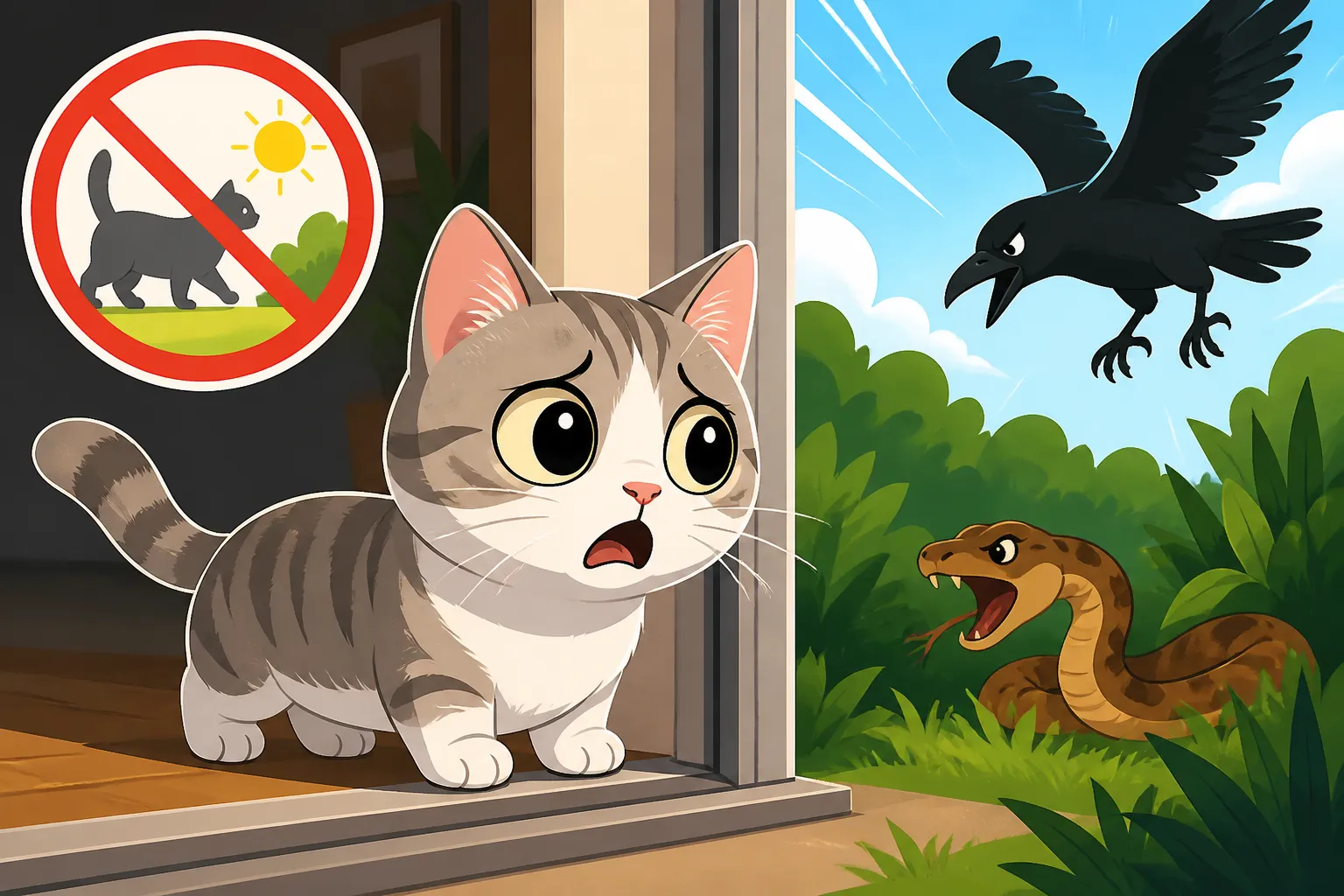
Imagine a typical house cat encountering a threat. Their first instinct is often to bolt, utilizing their powerful hind legs for speed and agility to outrun or, failing that, to scale a fence or tree for safety. A Munchkin, however, operates on an entirely different playing field. Their short legs, while surprisingly quick on a flat, even surface, simply cannot deliver the sustained speed or the necessary leverage to escape a determined predator like a dog, a coyote, or even an aggressive large bird of prey. They might be able to dart away quickly for a few feet, but their stamina and top speed are inherently limited compared to a cat with full-length limbs.
Furthermore, their lack of significant climbing ability, which we’ll delve into shortly, means they lose a primary line of defense. A normal cat can often scramble up a tree or onto a high wall to escape a pursuing dog. A Munchkin cannot. They are effectively trapped on the ground, vulnerable to whatever approaches them. Picture your little Munchkin, low to the ground, trying to outmaneuver a German Shepherd or even a determined terrier. It’s a terrifying thought, and unfortunately, a very real risk in many suburban and rural areas. Their adorable low profile becomes a critical vulnerability.
Difficulty with Obstacles and Uneven Terrain
The world outside is rarely a perfectly smooth, level playing field. It's full of challenges that a normal-legged cat navigates with ease but can become insurmountable barriers for a Munchkin. Think about the everyday landscape: curbs that become small walls, fences that are impossible to scale, thick undergrowth that tangles around their short legs, or even just a field of taller grass that turns into a dense jungle for them. Each step requires more effort, more energy, and more careful consideration.
A normal cat might effortlessly hop over a small log or dart through a patch of weeds. For a Munchkin, that same log could be an arduous climb, and thick grass can hide unseen dangers or simply slow them down dramatically. Imagine the energy expenditure needed to traverse a typical garden for a Munchkin compared to a long-legged cat. They tire more quickly, leaving them more exposed and less able to react if a sudden threat arises. Even something as simple as a muddy patch or a shallow puddle can become a frustrating, energy-sapping ordeal, clinging to their low belly and making movement even harder. Their unique gait, often described as ferret-like, is efficient on flat ground but not designed for navigating complex, uneven natural terrain.
Limited Jumping and Climbing for Safety
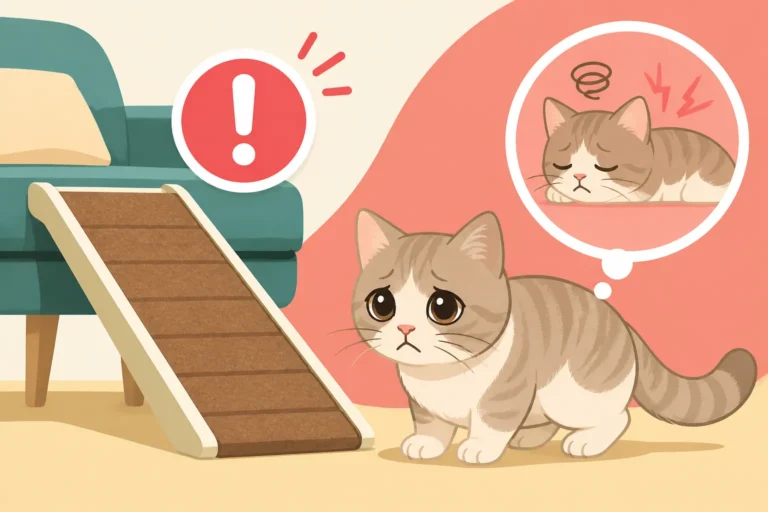
Perhaps the most significant disadvantage a Munchkin faces outdoors is their severely compromised ability to jump and climb to safety. Cats are arboreal by nature; climbing is hardwired into their DNA as a survival mechanism. It allows them to escape predators, survey their territory, and find safe spots to rest. For a Munchkin, this instinct clashes harshly with physical reality. While they can perform surprising little vertical hops, their maximum jump height is drastically limited. How High a Munchkin Can Actually Jump
They simply cannot reach the low branches of a tree, the top of a standard fence, or even the roof of a shed that a normal cat would easily use as an escape route or lookout. This means when danger approaches, or when they need to navigate an unfamiliar area, their most instinctive and effective defense mechanism is unavailable. They might attempt to jump onto something, only to fall short, wasting precious seconds and energy. This isn't just about escaping predators; it's about being able to get off the cold ground, away from hidden dangers, or simply to a quiet, elevated spot for a nap. Their inability to access higher ground leaves them perpetually vulnerable at ground level, a precarious position in the vast, untamed outdoors. Why a Munchkin Cannot Make the Kitchen Counter
Road Safety: A Disproportionate Threat
Cars are one of the leading causes of death for outdoor cats, but for Munchkins, the risk is amplified to a terrifying degree due to their unique physical characteristics.
Low Visibility for Drivers
This is a critical, often overlooked danger. A Munchkin cat, by definition, sits much lower to the ground than an average cat. When a driver is in a car, especially a larger vehicle, their line of sight often doesn't extend to the ground directly in front of their wheels or even a few feet out. A normal-sized cat might be visible as a distinct shape darting across the road, giving a driver a precious second or two to react. A Munchkin, however, is far more likely to disappear entirely into a driver's blind spot or simply be too low to register in their peripheral vision, especially if there's any vegetation or road debris around.
Think about pulling out of a driveway, backing up in a parking lot, or driving on a busy street at dusk or dawn. In these scenarios, the few inches difference in height can mean the difference between being seen and being tragically invisible. This risk isn't just confined to busy roads; even quiet residential streets, where cars might travel slower, pose a significant threat because drivers aren't expecting such a low-profile animal. The smaller a target, the harder it is to see and react to, and a Munchkin is, unfortunately, one of the smallest targets on the road.
Slower Reaction Time and Mobility
While Munchkins can surprise you with their speed on a level surface, their overall mobility in a crisis situation, particularly when navigating traffic, isn't on par with a long-legged cat. How Fast a Munchkin Runs on Level Ground When faced with an approaching vehicle, a cat needs to make split-second decisions and execute rapid, agile movements to avoid impact. They need to accelerate quickly, change direction abruptly, and potentially leap clear of danger.
A Munchkin's short legs, despite their enthusiasm, can't provide the same explosive power or the same wide turning radius necessary for evading a fast-moving car. They might be quick in a straight line, but darting and weaving to avoid a vehicle is a different challenge. If startled, a Munchkin might freeze, or its attempt to quickly change direction might be slower and less effective than a cat with a higher center of gravity and longer levers. The critical seconds gained by a normal cat's agility are simply not there for a Munchkin, placing them at a severe disadvantage in any encounter with vehicular traffic. This combination of low visibility and comparatively slower, less agile evasive maneuvers makes roads an extremely dangerous place for them.
Environmental Hazards and Exposure
Beyond direct threats from predators and vehicles, the outdoor environment itself presents a myriad of dangers that are particularly insidious for a ground-level cat like the Munchkin.
Toxins and Poisons in the Neighborhood
The average residential garden or outdoor space is often a minefield of unseen chemical dangers. Antifreeze leaks from cars, rat and mouse poisons laid out by neighbors, weed killers sprayed on lawns, snail bait, fertilizers, and even certain common plants can be highly toxic or lethal to cats. A normal cat might brush past these, but a Munchkin, with its low-slung body, is literally closer to the ground, increasing the likelihood of contact. Why a Munchkin's Belly Nearly Touches the Floor
Imagine a Munchkin walking through a patch of grass treated with pesticides. Their belly fur, legs, and paws are far more likely to pick up residues than a higher-bodied cat. When they groom themselves later, they'll ingest these harmful chemicals. The same goes for puddles of spilled liquids – a normal cat might avoid a suspicious-looking puddle, but a thirsty Munchkin might be more likely to drink from a low-lying source, inadvertently ingesting toxic substances like antifreeze, which is tragically attractive to cats due to its sweet taste. The consequences of such exposure can range from severe gastrointestinal distress to kidney failure and death, often with little warning until it's too late. It’s a silent, ever-present threat in any developed outdoor area.
Weather Extremes and Exposure
Cats are remarkably adaptable, but continuous exposure to the elements can still be dangerous. For a Munchkin, their low stature exacerbates these risks. In cold weather, being closer to the frozen ground means they lose body heat more rapidly and are more susceptible to hypothermia. They struggle to find high, sheltered spots to escape the wind, rain, or snow that a normal cat could access with ease. Their short legs might get them through snow drifts, but it takes more effort and leaves them more vulnerable to the cold.
Conversely, in hot weather, their low profile means they are closer to heat radiating from asphalt, concrete, and sun-baked ground. This increases their risk of heatstroke, especially if they can't find cool, elevated perches or shaded areas. Dehydration is also a greater risk if they can't easily find safe, clean water sources. The inability to effectively shelter themselves from rain, snow, or extreme temperatures means a Munchkin out in the elements is almost always in a more vulnerable position, expending precious energy just to stay comfortable or safe from the weather, rather than focusing on other survival needs.
Parasites and Diseases
Outdoor life dramatically increases a cat's exposure to a host of parasites and infectious diseases. Fleas, ticks, and various types of internal worms are common nuisances that outdoor cats regularly pick up. While treatable, these infestations can lead to discomfort, skin issues, anemia, and other health problems. For a Munchkin, whose low belly might drag through more vegetation, the risk of picking up parasites could even be marginally higher. Which Vaccines an Indoor Munchkin Needs
More concerning are infectious diseases. Outdoor cats are at a much higher risk of contracting serious viral diseases like Feline Immunodeficiency Virus (FIV) and Feline Leukemia Virus (FeLV), which are often transmitted through bites from infected cats during fights. Rabies, while less common in many developed areas, remains a deadly risk, particularly if a cat encounters wildlife like raccoons or bats. Even seemingly innocuous interactions with other cats can transmit upper respiratory infections or parasites. The constant exposure to unknown animals and their pathogens puts your Munchkin at an elevated risk for illnesses that are largely preventable when kept safely indoors. The financial and emotional toll of treating these conditions, or worse, losing your beloved pet to them, is a heavy burden to bear.
Interactions with Other Animals and Humans
The outdoor world is not just about environmental threats; it's also a complex social environment where a Munchkin's unique traits can lead to dangerous encounters.
Danger from Dogs and Other Cats
In any neighborhood, dogs and other cats are common fixtures, and not all of them are friendly. A Munchkin, with its limited ability to escape or defend itself, is particularly vulnerable. An off-leash dog, even one that is usually gentle, could see a small, low-slung cat as prey or a toy, and a playful nip could turn serious very quickly for a Munchkin. Unlike a normal cat that can scale a fence or dart into a tree, a Munchkin's short legs mean it has nowhere to go but to try and outrun a dog on the ground. This is a losing battle. Why a Munchkin Cannot Get Away From a Dog
Similarly, other free-roaming cats can pose a threat. Outdoor cat colonies often have established hierarchies, and a small, unfamiliar Munchkin could be seen as an intruder. Fights between cats are common, leading to painful bite wounds, scratches, and the potential transmission of diseases like FIV. A Munchkin's physical limitations mean it's less likely to win a fight and less able to retreat safely, making it an easy target for more dominant felines. The stress of constant vigilance against these threats can also take a toll on a cat’s mental well-being, leading to anxiety and fear, even if physical harm is avoided. Introducing a Long Legged Cat to a Munchkin
Human-Related Dangers
Sadly, the dangers humans pose to outdoor cats are often overlooked. A distinctive breed like the Munchkin, with its unique appearance, can be a target for theft. Pet theft is a real and growing concern, with unscrupulous individuals often targeting specific breeds for resale or breeding purposes. An outdoor Munchkin is a much easier target than one securely contained indoors.
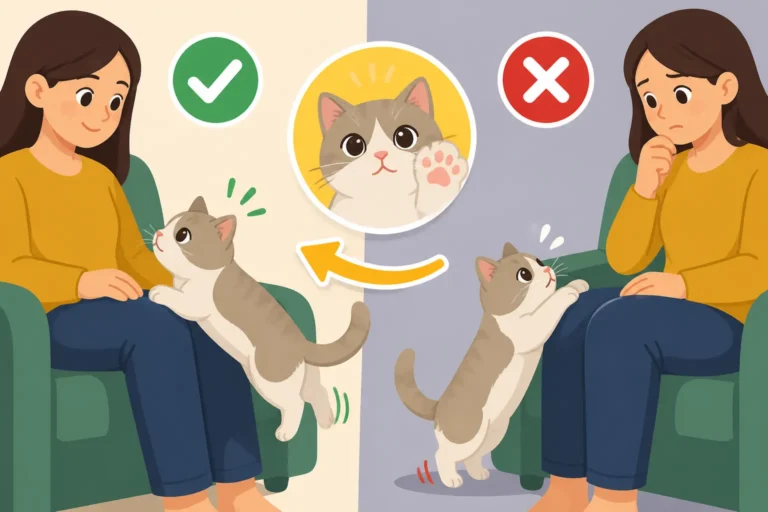
Beyond theft, there's the heartbreaking reality of deliberate harm or cruelty. While we hope for the best in our communities, there are individuals who harbor ill will towards animals, and an unsupervised cat can become a target. Furthermore, even well-meaning humans can pose a risk. A curious Munchkin could wander into an open garage, shed, or even a vehicle, become trapped, and suffer from heat, cold, starvation, or injury before being discovered. They might also encounter children who, though not malicious, might not understand how to safely interact with a cat, especially one that cannot easily escape their grasp or climb out of reach. Why a Munchkin Cannot Climb Out of a Child's Reach A Munchkin cannot escape a confrontation, making it particularly reliant on its human caregivers for protection. Why a Munchkin Cannot Escape a Confrontation
The Challenge of Roaming and Disorientation
Even if a Munchkin miraculously avoids direct harm from predators, cars, or people, the simple act of navigating the outdoor world presents its own unique set of challenges that can lead to being lost or suffering from exposure.
Getting Lost and Finding the Way Home
While cats possess an impressive homing instinct, their ability to navigate back to familiar territory relies heavily on their mobility and their capacity to overcome obstacles. For a Munchkin, getting lost becomes a significantly more perilous situation. A typical cat might be able to scale a tall fence, cross a busy street by finding an opportune moment, or climb to a vantage point to survey its surroundings if disoriented. A Munchkin is stripped of these advantages.
Imagine your Munchkin, perhaps chasing a butterfly or exploring a new scent, wanders further than intended. A sudden noise could spook them, sending them scrambling in the wrong direction. Now, faced with a tall hedge, a busy road, or a large, intimidating dog, their usual escape routes are non-existent. They are forced to stay at ground level, which can make it incredibly difficult to orient themselves, recognize landmarks, or avoid further danger. The energy expended in simply trying to traverse unfamiliar territory at their height can quickly lead to exhaustion, making them even more vulnerable. Without the ability to gain height or quickly traverse challenging landscapes, a lost Munchkin's chances of safely returning home are significantly reduced.
Inability to Access Food and Water Safely
Once lost or disoriented, an outdoor cat's immediate concern shifts to finding food and water. For a normal cat, hunting small prey, scavenging from bins, or finding puddles and streams might be viable, albeit risky, options. For a Munchkin, these tasks become considerably harder. Their short legs and unique gait, while allowing for bursts of speed, don't necessarily make them efficient hunters of nimble outdoor prey. Small rodents or birds might be more difficult to corner or catch.
Scavenging from bins often requires the ability to jump onto or into containers, which is impossible for a Munchkin. And when it comes to finding water, they are limited to ground-level sources, which are often stagnant, contaminated, or hidden. The risk of dehydration or starvation is therefore much higher for a lost Munchkin. They might struggle to compete with other larger, more agile outdoor cats for resources, leading to prolonged periods without adequate nutrition or hydration. This weakens them further, making them even more susceptible to illness, extreme weather, and predation, creating a vicious cycle of vulnerability.
The Ethical Considerations of Outdoor Munchkins
Beyond the immediate safety concerns, there are broader ethical considerations when discussing whether a Munchkin cat should be allowed outdoors, touching on both animal welfare and environmental impact.
Welfare Concerns and Breed Vulnerability
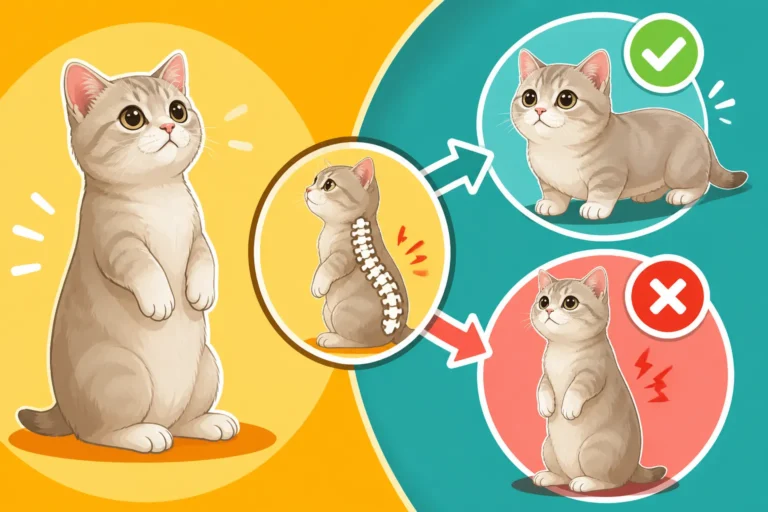
The Munchkin breed itself is a topic of ethical debate within the cat fancy, primarily due to its defining characteristic – the shortened limbs caused by a genetic mutation. Many veterinary associations and welfare bodies express concern that breeding for this trait can lead to potential health issues, particularly related to the spine and joints, even if the cat appears outwardly healthy. What Welfare Bodies Say About the Munchkin Introducing these inherent vulnerabilities to the unpredictable and often harsh conditions of an outdoor environment significantly amplifies the ethical concerns.
As responsible pet owners, we have a duty of care to provide an environment where our pets can thrive without undue risk. For a Munchkin, whose body is already carrying a specific genetic "burden," exposing them to the physical demands and dangers of outdoor life—where they cannot climb to escape, where their low profile increases exposure to toxins, and where their joints endure constant jarring from uneven terrain—can be seen as a direct contravention of that duty. It’s a choice that places an already vulnerable animal in a position where its unique physical traits become profound disadvantages, potentially leading to pain, injury, or premature death. The ethical argument strongly leans towards providing a controlled, safe indoor environment that mitigates these risks.
Contributing to Environmental Impact
While the focus is often on the cat's safety, it's also important to acknowledge the environmental impact of free-roaming domestic cats. Outdoor cats, even well-fed ones, are natural predators and contribute to the decline of local wildlife populations, particularly birds and small mammals. While a Munchkin's hunting prowess might be somewhat hampered by its short legs, they are still capable of catching small creatures, especially on the ground.
Allowing any domestic cat, including a Munchkin, to roam freely contributes to this ecological challenge. Many conservation organizations advocate for keeping all cats indoors to protect local ecosystems. For a Munchkin, this argument has added weight because keeping them indoors is also paramount for their own safety. By providing a safe and stimulating indoor environment, you're not only protecting your beloved pet but also acting as a responsible environmental steward, helping to preserve the delicate balance of local wildlife. It's a win-win scenario for both your cat and your community's ecosystem.
Safe Alternatives for Outdoor Enrichment
Just because your Munchkin shouldn't roam free doesn't mean they can't experience the joys of the outdoors safely. There are fantastic ways to enrich their lives with fresh air, sunshine, and new scents, all while keeping them protected.
Secure Catios and Enclosures
One of the best solutions for a Munchkin craving a taste of the outside world is a catio, or a secure outdoor cat enclosure. These fantastic structures allow your cat to experience the sights, sounds, and smells of nature without any of the inherent dangers. Catios can range from small, window-mounted boxes to elaborate, multi-level structures with ramps and tunnels that connect to your home. You can find pre-made kits on platforms like Amazon that are relatively easy to assemble, or you can get creative and build one yourself.
When designing or choosing a catio for a Munchkin, it’s crucial to remember their unique needs. Ensure that all levels are accessible via gentle ramps or closely spaced steps, as they cannot jump high. What a Munchkin Sized Catio Needs The bottom level should be entirely secure, preventing any escape attempts from their low position. Provide plenty of shade, shelter from rain, and fresh water bowls. Incorporate things like scratching posts (horizontal ones work great), sturdy, low-level platforms for napping, and perhaps even some cat-safe plants in pots. This allows them to bask in the sun, watch birds, and enjoy the breeze in a completely safe, controlled environment, giving them the best of both worlds.
Supervised Leash Training
Another wonderful option for supervised outdoor time is leash training. While it might sound unusual for a cat, many felines, including Munchkins, can learn to walk comfortably on a harness and leash. The key is to start slow and be patient. Begin by introducing the harness indoors, letting your Munchkin wear it for short periods, always supervised, until they are completely comfortable. Choose a harness specifically designed for cats, ideally a vest-style one that distributes pressure evenly and is escape-proof, as a Munchkin's body shape might differ slightly from a standard cat. Which Harness Fits a Munchkin's Body
Once they're accustomed to the harness, attach a lightweight leash and allow them to drag it around indoors. Gradually, you can introduce short walks in a very quiet, contained outdoor space, like your own fenced yard, far from roads or strange dogs. Always supervise them closely, allowing them to explore at their own pace. Never pull on the leash or force them to go somewhere they don't want to. This isn't about walking them like a dog; it's about letting them safely explore a small patch of the outdoors under your watchful eye. It offers a fantastic opportunity for new sensory input and bonding time.
Indoor Enrichment and Stimulation
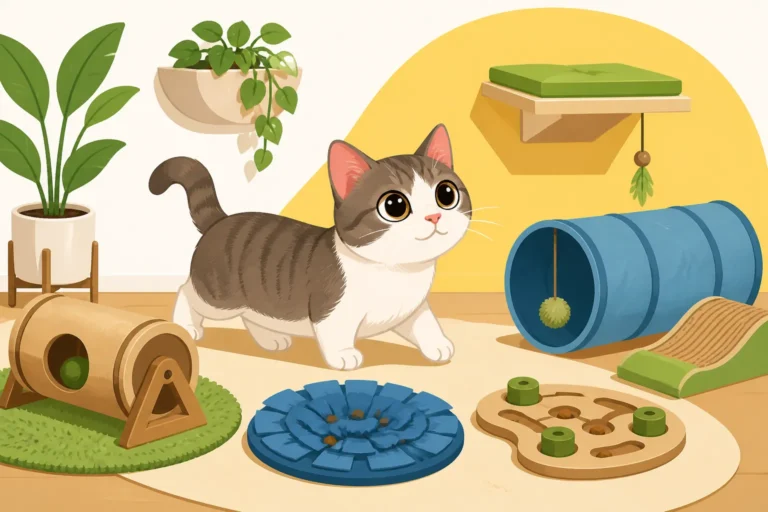
Ultimately, the most reliable and safest environment for a Munchkin is a stimulating indoor home. This means being proactive about creating an engaging space that caters to their specific needs. Think about vertical space: while they can't jump high, you can provide ramps and steps to allow them to access higher perches, cat trees, or window sills. Look for cat trees with platforms that are close together, or add custom ramps to existing furniture. How to Set Up Floor Level Enrichment for a Munchkin
Regular play sessions with wand toys that mimic prey on the floor are crucial, as Munchkins excel at ground-level play. Puzzle feeders can provide mental stimulation and help manage their weight. Rotate toys regularly to keep things fresh, and provide multiple scratching surfaces, including horizontal scratchers, which are often easier for Munchkins to use. Window perches with ramps allow them to enjoy bird watching without any danger. The goal is to make your home an enriching, dynamic environment where your Munchkin can express their natural behaviors, stay physically active, and feel completely secure, proving that an indoor life is not a deprived one for these special cats.
In conclusion, while the allure of an outdoor life for any cat can be strong, for the delightful and unique Munchkin, the risks far outweigh any perceived benefits. Their short legs, while endearing, are a profound disadvantage in a world filled with predators, vehicles, environmental hazards, and complex social interactions. Choosing to keep your Munchkin strictly indoors, or providing them with carefully supervised and adapted outdoor access through catios or leash training, isn't about limiting their life; it's about loving them fiercely enough to protect them from preventable dangers. With a thoughtfully enriched indoor environment, your Munchkin can lead a long, happy, and fulfilling life, safely nestled in the heart of your home.
Disclaimer
This article is for general informational purposes only and does not constitute professional advice. Laws, prices and regulations vary by location and change over time. Consult a qualified professional for guidance on your specific situation.