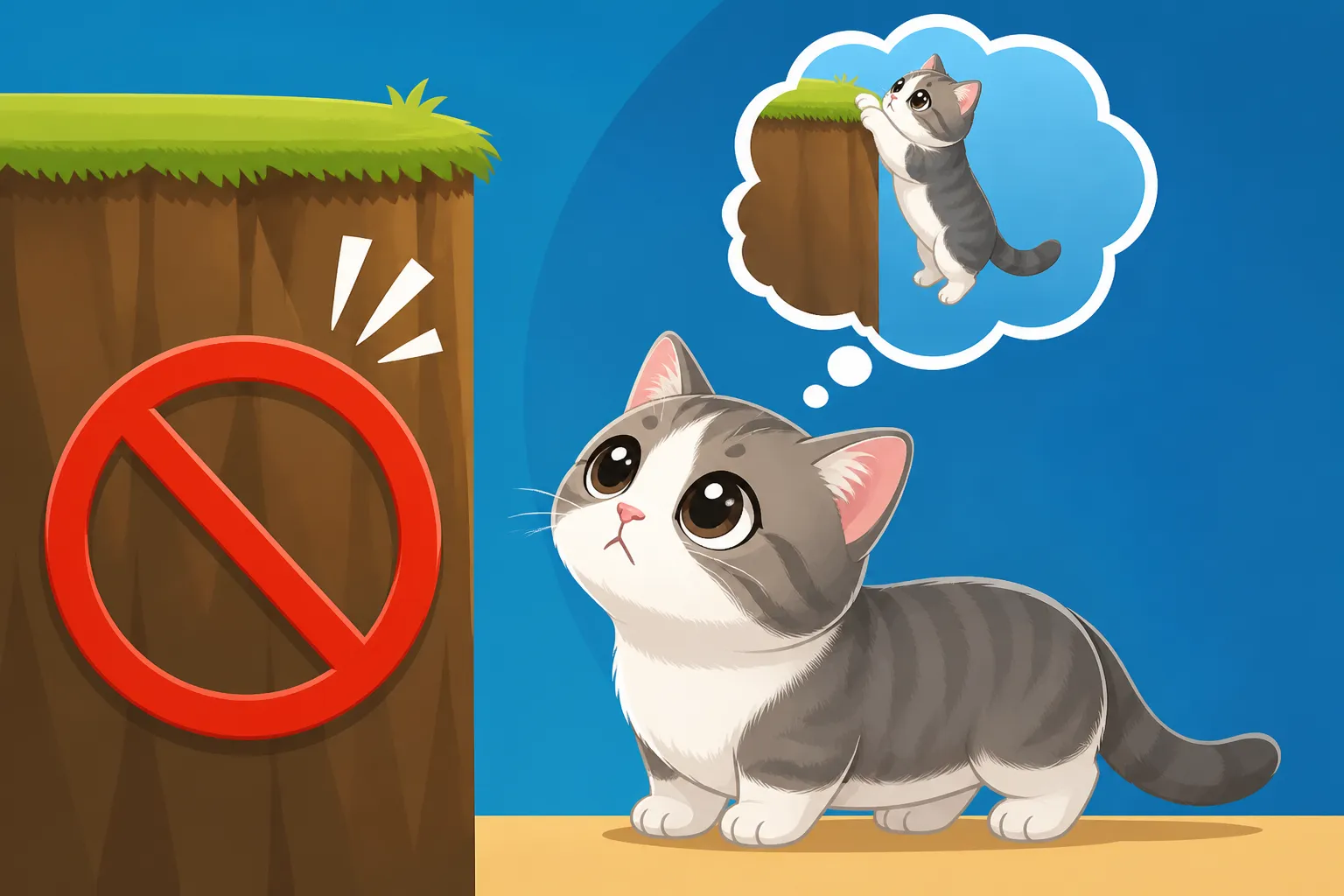
Why a Munchkin Cannot Climb Away From Anything
One of the most profound realities of living with a Munchkin cat is coming to terms with their unique physical limitations, particularly their inability to climb away from danger or reach high places with the same ease as a long-legged cat. Many new owners initially underestimate just how much this impacts their cat's daily life and safety, leading to frustration for both pet and human when a situation arises where escape or access to elevation is crucial. This guide will delve deep into why Munchkins cannot climb away from anything, exploring the implications for their behavior, safety, and overall well-being in various scenarios, and how we, as their devoted guardians, can mitigate these challenges.
The Physical Realities of Short Legs and Limited Mobility
It's tempting to think of a Munchkin as simply a miniature version of a regular cat, but their unique physical structure, while adorable, fundamentally changes how they interact with the vertical world. Their short legs aren't just a charming aesthetic; they are a significant biological difference that dictates much of their behavior and limitations.
Limited Vertical Reach and Jumping Mechanics
A typical cat's legs are powerful levers designed for explosive vertical jumps. They coil their long hind legs, push off with incredible force, and use their flexible spine and tail for balance to land gracefully on high surfaces. A Munchkin, however, lacks this crucial lever system. Their femurs and humeri are significantly shorter due to the chondrodysplasia that defines the breed. This means they simply cannot generate the same lift or achieve the same height.
Imagine trying to jump onto a kitchen counter if your legs were only half their normal length. You'd struggle, right? That's the daily reality for a Munchkin. While they are remarkably agile and fast on flat ground, their ability to project themselves upward is severely compromised. A regular cat might effortlessly clear a bookshelf or a tall piece of furniture, but a Munchkin will stand at the base, looking up with a distinct longing, knowing it's an insurmountable obstacle without assistance. This isn't a lack of desire or intelligence; it's a fundamental physical barrier. How High a Munchkin Can Actually Jump explores these limits in more detail.
Lack of Traction and Push-Off for Scaling
Beyond just jumping, a normal cat also uses its long legs and strong claws to scale vertical surfaces, digging in for purchase on curtains, rough walls, or the posts of a cat tree. This allows them to "climb" rather than just jump. Munchkins, with their shorter limbs, struggle immensely with this. Their reach is too short to grip higher points effectively, and their body, while normal in length, feels disproportionately heavy against their short legs when trying to leverage themselves upwards.
Consider a cat attempting to scramble up a fence or a particularly tall cat tree post. A long-legged cat can stretch, hook its claws, and pull itself up. A Munchkin cannot execute these movements effectively. Even if they can get a paw onto a surface, the angle and leverage required to pull their body up are often beyond their physical capabilities. This means that surfaces designed for climbing by regular cats, such as many standard cat trees with widely spaced platforms or sisal posts, become largely inaccessible to them.
Domestic Environmental Challenges
Our homes are often designed with human convenience in mind, and while most cats adapt beautifully to climbing on furniture and counters, a Munchkin's limitations can turn everyday objects into frustrating barriers or even hazards.
Counters, Shelves, and High Perches
The kitchen counter, a beloved observation deck for many cats, becomes an unreachable fortress for a Munchkin. Similarly, high shelves, mantels, and the tops of wardrobes – prime spots for cats to survey their domain or simply nap in peace – are off-limits. This isn't just about missing out on a good nap spot; it's about missing out on natural feline behaviors like surveying territory from a height, which provides a sense of security and control. Why a Munchkin Cannot Make the Kitchen Counter highlights this common domestic frustration.
This limitation means we, as owners, need to rethink how we arrange our homes and where we place things. Items that might be safely out of reach for a regular cat on a high shelf – like delicate ornaments, toxic plants, or cleaning supplies – are effectively out of reach of a Munchkin even if left on a low table. However, conversely, for a Munchkin, if it can reach it, it's accessible. This necessitates a more thorough "Munchkin-proofing" of the home to ensure dangerous items are genuinely secured, perhaps in locked cabinets or on very high shelves that no cat could reach.
Escape from Household Hazards
Beyond just inconvenience, the inability to climb can put a Munchkin in real danger within the home. Imagine a hot stove, a spilled chemical, or even a heavy object accidentally falling onto the floor. A long-legged cat can usually leap away or onto a safe perch in an instant. A Munchkin, however, might find itself trapped on the floor, unable to quickly escape the immediate vicinity of the hazard.
This vulnerability underscores the need for a hyper-vigilant approach to household safety. We must constantly be aware of what's happening at floor level. For instance, if you're cooking, ensure your Munchkin is not underfoot or consider using baby gates to block off kitchen access during meal preparation. Similarly, any cleaning products or tools must be put away immediately after use, as a curious Munchkin cannot simply jump onto a higher surface to avoid them if they're left out.
Outdoor Dangers and Lack of Defense
While I strongly advocate for keeping Munchkins as indoor-only cats due to their inherent vulnerabilities, it's important to understand why the outdoors presents such profound risks. Their inability to climb effectively removes one of a cat's primary defense mechanisms against external threats. Why a Munchkin Should Never Be Let Outdoors is a crucial read on this topic.
Predator Vulnerability
In an outdoor environment, cats rely on their agility and climbing prowess to escape predators like dogs, coyotes, or even larger birds of prey. A Munchkin simply doesn't have this option. If confronted by a dog, for example, a normal cat can bolt up a tree, scale a fence, or dart onto a high porch. A Munchkin's best defense is speed on flat ground, which is often not enough against a determined predator.
This makes them incredibly vulnerable. They cannot climb a sturdy oak tree to escape a chase, nor can they leap onto the roof of a shed for safety. Their world remains resolutely at ground level, which is where predators operate most effectively. Even in seemingly safe suburban environments, stray dogs or wild animals can pose a fatal threat that a Munchkin is physically unequipped to evade.
Traffic, Obstacles, and Getting Trapped
Beyond predators, the general environment outdoors presents numerous hazards. Busy streets, open garages, construction sites – all these places hold potential dangers. A long-legged cat might be able to jump over a low fence, climb a wall, or vault onto a car to avoid an oncoming vehicle or navigate obstacles. A Munchkin cannot.
If a Munchkin finds itself in a precarious situation, like falling into a shallow ditch, becoming disoriented in a garden shed, or needing to cross a small wall, its options for escape are severely limited. They can easily become trapped in areas where other cats would find a simple climb to freedom. This lack of vertical escape routes means that even a brief outdoor excursion, perhaps escaping through an open door, can quickly turn into a terrifying and potentially fatal situation.
Interactions with Other Pets and Children
A Munchkin's inability to climb also significantly impacts their social dynamics within a multi-pet household or a home with young children. Their lack of a vertical escape route means they can feel more exposed and vulnerable.
Bullied by Other Cats and Dog Encounters
In a multi-cat household, the ability to retreat to a high perch is often a critical tool for managing disagreements or simply finding alone time. A cat that feels threatened or overwhelmed can jump onto a bookshelf, a tall cat tree, or the top of a cabinet to escape a more dominant feline. A Munchkin doesn't have this luxury. If another cat is bothering them, their only escape is often to run or hide at ground level, which can still leave them feeling cornered.
Similarly, with dogs, while many cats and dogs coexist peacefully, there's always the potential for a misunderstanding or an overly enthusiastic play session. A normal cat can typically leap onto a sofa, a table, or a cat tree to get out of a dog's reach. A Munchkin cannot. This means that supervising interactions between Munchkins and dogs becomes even more critical, as the Munchkin cannot unilaterally remove itself from a potentially overwhelming situation. What a Munchkin Does When a Dog Approaches really drives this point home.
| Interaction Type | Normal Cat Response | Munchkin Cat Response |
|---|---|---|
| Conflict with other cat | Jumps to high shelf, cat tree | Runs to hide under furniture, seeks human help |
| Overly playful dog | Leaps onto furniture, out of reach | Scampers on the floor, attempts to dart away |
| Curious toddler | Climbs onto counter, windowsill | Seeks ground-level hiding spots, relies on owner |
| New pet introduction | Retreats to a high, safe observation spot | Stays low, may become withdrawn or stressed |
Toddlers and Children
Young children, especially toddlers, often don't understand an animal's personal space or physical limitations. They can be unpredictable, grabby, and loud. For a normal cat, the immediate response to an approaching toddler might be to jump onto a chair, a table, or a baby gate to observe from a safe distance or simply escape the interaction.
A Munchkin, however, cannot climb out of a child's reach. This means they are constantly at floor level, making them more accessible – and thus more vulnerable – to unintentional rough handling or being startled by a child. This isn't to say Munchkins aren't good with children, but it does mean owners need to be extra diligent in supervising interactions and teaching children appropriate ways to interact with the cat. Creating designated "safe zones" that are truly inaccessible to children but reachable by the Munchkin is paramount. Why a Munchkin Cannot Climb Out of a Child's Reach goes into the implications here.
Creating a Safe, Accessible, and Enriched Environment
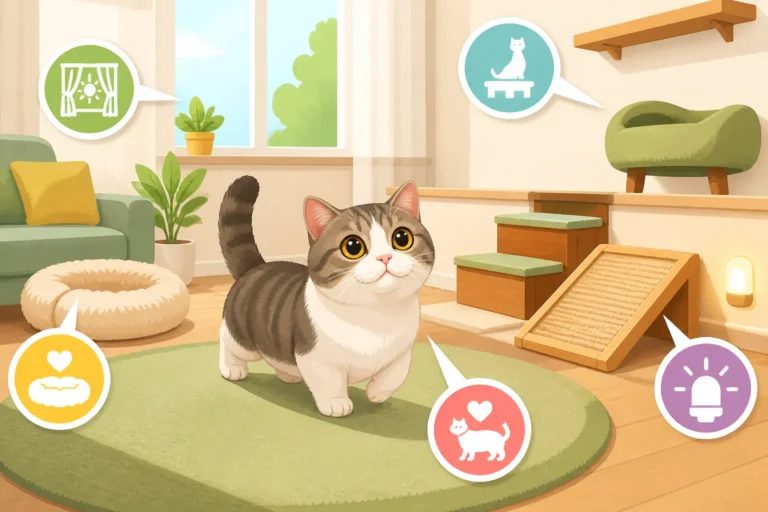
Understanding these limitations isn't about feeling sorry for our Munchkins; it's about empowering us to create a home that caters to their unique needs, ensuring their safety, comfort, and mental well-being.
Ramps, Steps, and Lowered Furniture
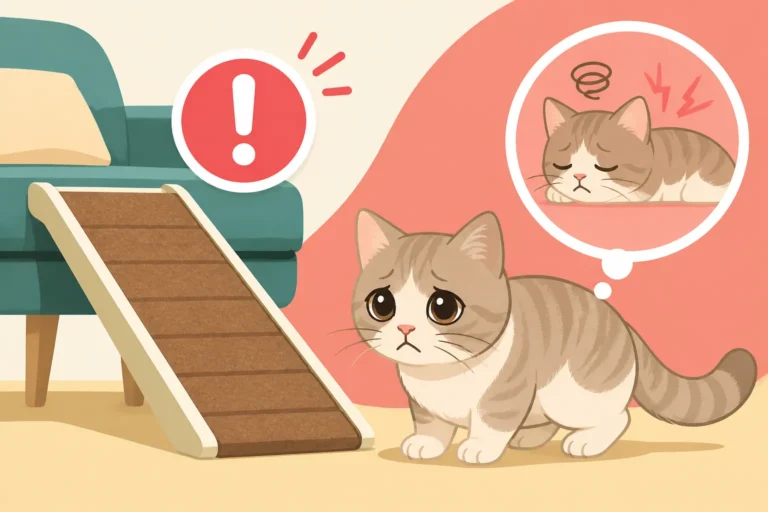
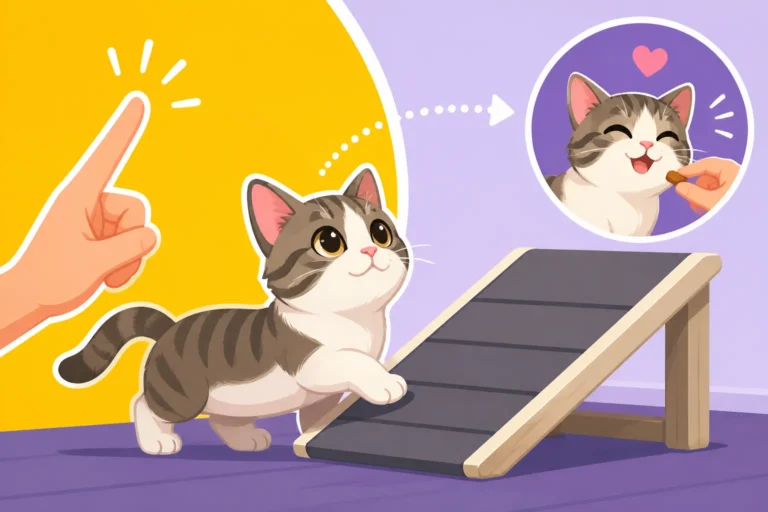
The cornerstone of a Munchkin-friendly home is providing accessible pathways to all the places a cat wants to be. This means ramps and steps are not luxuries but essential equipment. Think about areas like sofas, beds, and even windowsills. Instead of expecting your Munchkin to jump, provide a gentle ramp or a series of shallow steps. You can find excellent pet ramps on platforms like Amazon that are specifically designed for small dogs or cats with mobility issues.
Furniture itself might need some adjustment. Consider lower-profile cat trees with platforms spaced closely together, or even custom-built steps and ramps for existing furniture. Every jump a Munchkin makes, especially from a height, puts undue stress on their short legs and spine. Minimizing these jumps through accessible alternatives is crucial for their long-term joint health. Ramps and Steps Are Munchkin Equipment, Not Luxuries details the importance of these additions.
Ground-Level Enrichment and Safe Zones
Since vertical exploration is limited, we need to lean heavily into providing stimulating activities and safe spaces at ground level. This means more floor-level toys, puzzle feeders that they can easily access, and scratching posts that are horizontal or short enough for them to use comfortably without having to stretch vertically. Look for scratching mats or short, inclined scratchers on Amazon.
Creating designated "safe zones" where your Munchkin can retreat without needing to climb is also vital. This could be a cozy cat bed tucked under a coffee table, a secure cat cave, or even a modified carrier left open in a quiet corner. These areas offer a sense of security and a place to rest undisturbed, especially if there are other pets or children in the household.
Adapting Essential Supplies
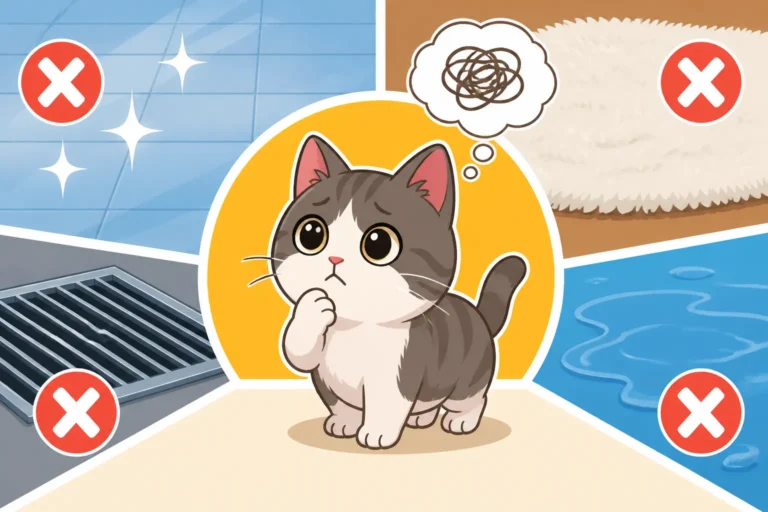
Even everyday items like litter boxes need modification. A standard litter box with high sides, while great for containing litter, can be a real struggle for a Munchkin to enter and exit comfortably. This can lead to them avoiding the box altogether, which nobody wants. Look for low-entry litter boxes, often marketed for senior cats or kittens, which have a cut-out or very shallow front. Alternatively, you can modify an existing box by cutting down one side. Why a Munchkin Needs a Litter Box It Can Walk Into provides excellent insights into this topic.
Food and water bowls should also be easily accessible without requiring any awkward stretching. While some cats prefer slightly raised bowls for ergonomic eating, ensure the height is appropriate for a Munchkin's shorter stature to avoid strain on their neck and shoulders. Again, Amazon offers a wide variety of ergonomic pet bowls.
The Psychological Impact and Our Role
It's easy to focus on the physical aspects, but a Munchkin's inability to climb also has a psychological impact. Imagine wanting to reach something, seeing other cats do it effortlessly, but being physically unable. This can lead to frustration and, in some cases, withdrawal or anxiety if their environment doesn't accommodate their needs.
Frustration, Stress, and Behavioral Changes
A Munchkin cat is still a cat, with all the natural instincts to explore, survey, and feel secure. When these instincts are repeatedly thwarted by physical limitations, it can be frustrating for them. You might notice them attempting the same jump repeatedly, only to fall short, or pacing anxiously beneath a desired high spot. If they feel consistently unable to escape perceived threats or access comforting high places, stress can build, potentially leading to behavioral changes like excessive hiding, reduced play, or even inappropriate elimination if they can't easily reach their litter box.
It's our job to observe these subtle cues and intervene by modifying their environment. A cat that stops using its ramps or seems withdrawn might be experiencing pain or increased frustration. Early intervention and environmental adaptations are key to mitigating these stressors and ensuring a happy, well-adjusted Munchkin.
Reliance on Humans and Building Trust
Because Munchkins cannot climb away from everything, they often develop a stronger reliance on their human companions for access to higher ground or to escape uncomfortable situations. They might vocalize more, rub against your legs, or even stand on their hind legs (the adorable "prairie dog sit") to get your attention, essentially asking to be lifted.
This increased reliance creates a unique bond, but it also places a greater responsibility on us. We must be attentive to their requests and handle them gently and securely. Learning How to Lift a Munchkin Correctly is essential to prevent injury and reinforce trust. By consistently providing safe, loving assistance, we can ensure our Munchkins feel secure and cherished, knowing their human "escalators" are always there to help them reach new heights.
Disclaimer
This article is for general informational purposes only and does not constitute professional advice. Laws, prices and regulations vary by location and change over time. Consult a qualified professional for guidance on your specific situation.