Why a Munchkin Trots After You Rather Than Climbs
Many Munchkin cat owners find themselves utterly charmed by their little companions, but also a bit puzzled by their unique way of navigating the world. Instead of effortlessly leaping onto counters or scaling tall cat trees like their long-legged feline cousins, your Munchkin probably spends most of its time firmly planted on the ground, trotting after you like a tiny, furry shadow. This guide is all about exploring why your Munchkin prefers to stick to the horizontal plane, the fascinating reasons behind their movement, and how you can best support their natural instincts in your home.
The Physics of Short Legs: Why Climbing is a Challenge
It's easy to assume all cats are natural acrobats, but for a Munchkin, their signature short legs fundamentally alter their interaction with vertical spaces. What comes easily to a standard cat becomes a considerable physical undertaking, sometimes even an impossible feat, for a Munchkin. Understanding these physical realities is crucial to providing a safe and enriching environment for them.
Impaired Vertical Reach and Jumping
Let's be real, those adorable stubby legs aren't designed for Olympic-level high jumps. The genetic mutation responsible for a Munchkin's short stature, known as pseudoachondroplasia, results in legs that are significantly shorter in proportion to their body. This immediately puts them at a disadvantage when it comes to any kind of vertical ascent. A regular cat has long, powerful hind legs that act like springs, allowing them to gather momentum and launch themselves upwards with incredible force. Their longer front legs then help them grip and pull themselves up onto a surface.
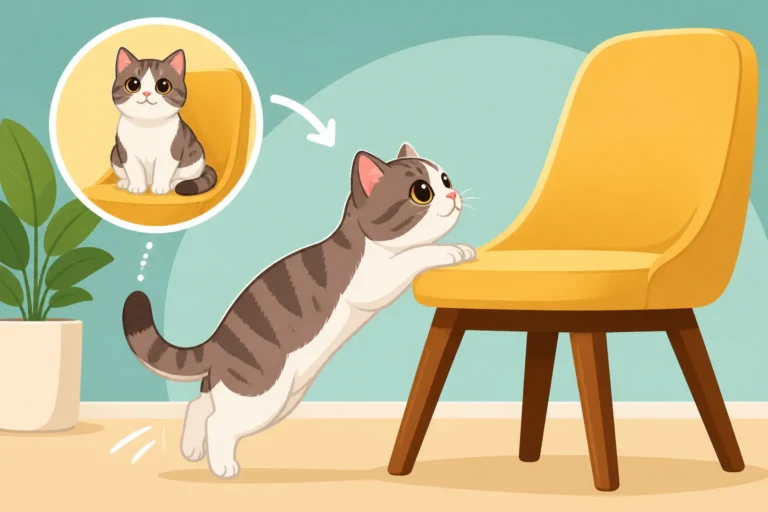
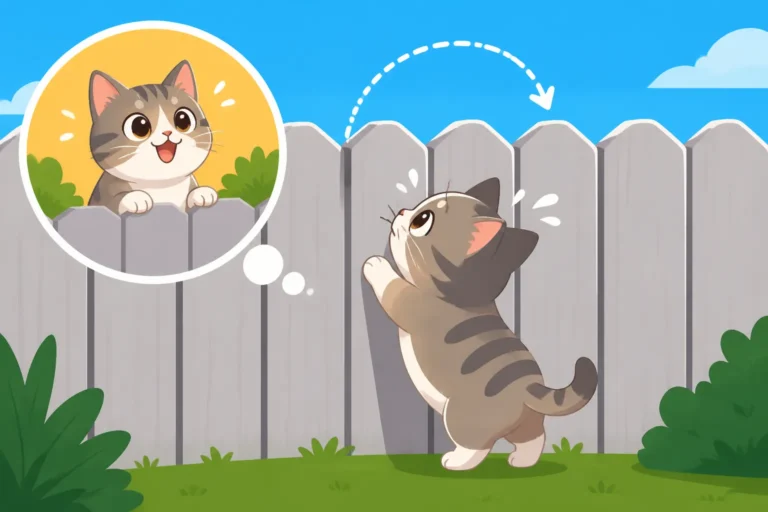
For a Munchkin, this whole process is severely limited. Their short legs simply can't generate the same explosive power. Imagine trying to jump onto a tall shelf when your legs are only half their normal length – it's going to be a struggle, if not completely out of reach. They might try, oh bless their hearts, they absolutely will try, often with a determined little wiggle and a launch that falls far short of the target. These attempts aren't just frustrating for them; repeated, unsuccessful jumps can put undue stress on their joints over time, particularly their shoulders and elbows, which bear the brunt of any impact. This is why you often see them assessing a jump for a moment, calculating, before perhaps deciding it's just not worth the effort or the potential strain. Why a Munchkin's Legs Are Short but Its Body Is Not
Gravity's Unkind Embrace on the Descent
While getting up can be a challenge, many people don't realize that coming down from a height can be even more problematic for a Munchkin. A long-legged cat has the benefit of using its full leg length to absorb impact, cushioning their joints as they land. Their longer limbs act as shock absorbers, distributing the force of gravity across a greater area and allowing them to land gracefully and silently.
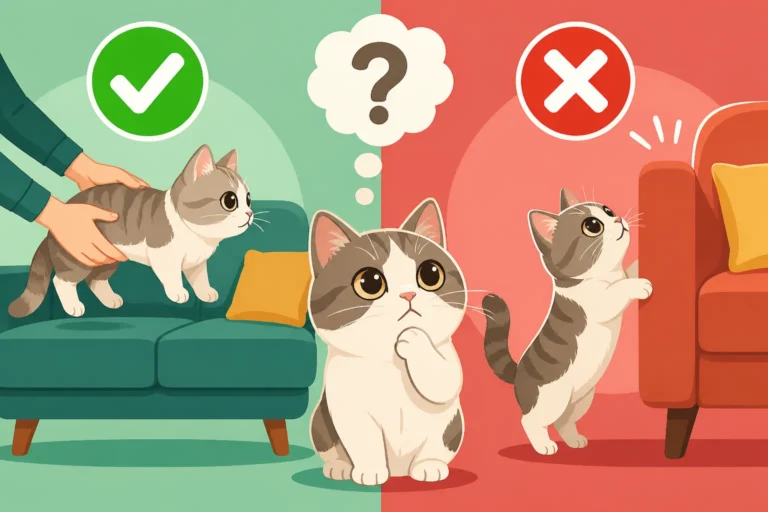
A Munchkin, however, doesn't have this luxury. When they jump down, their short legs mean a much shorter distance to absorb the impact, leading to a much harsher landing. This increased force can be jarring for their spine and joints. Think of it like landing on your knees instead of bending your legs deeply – it's a lot more uncomfortable. Over time, repeated harsh landings from even moderate heights can contribute to conditions like arthritis, particularly in their front legs and shoulders. This is why you might notice your Munchkin hesitant to jump down from a sofa or bed, even if they managed to get up there. They might carefully climb down backward, or even wait patiently for you to lift them. They’ve learned that the descent can be uncomfortable, and perhaps even painful, leading them to be more cautious. Why Coming Down Is Harder Than Going Up for a Munchkin
Grip and Leverage Limitations
Beyond just the raw power of a jump, climbing involves a lot of grip and leverage. Think about a cat scaling a fabric cat tree or even pulling themselves up by their claws on a curtain. They use their strong back legs to propel upwards, and their front legs, with their flexible paws and sharp claws, to hook onto surfaces and pull their body weight up. This requires a significant stretch and reach that Munchkins simply do not possess.
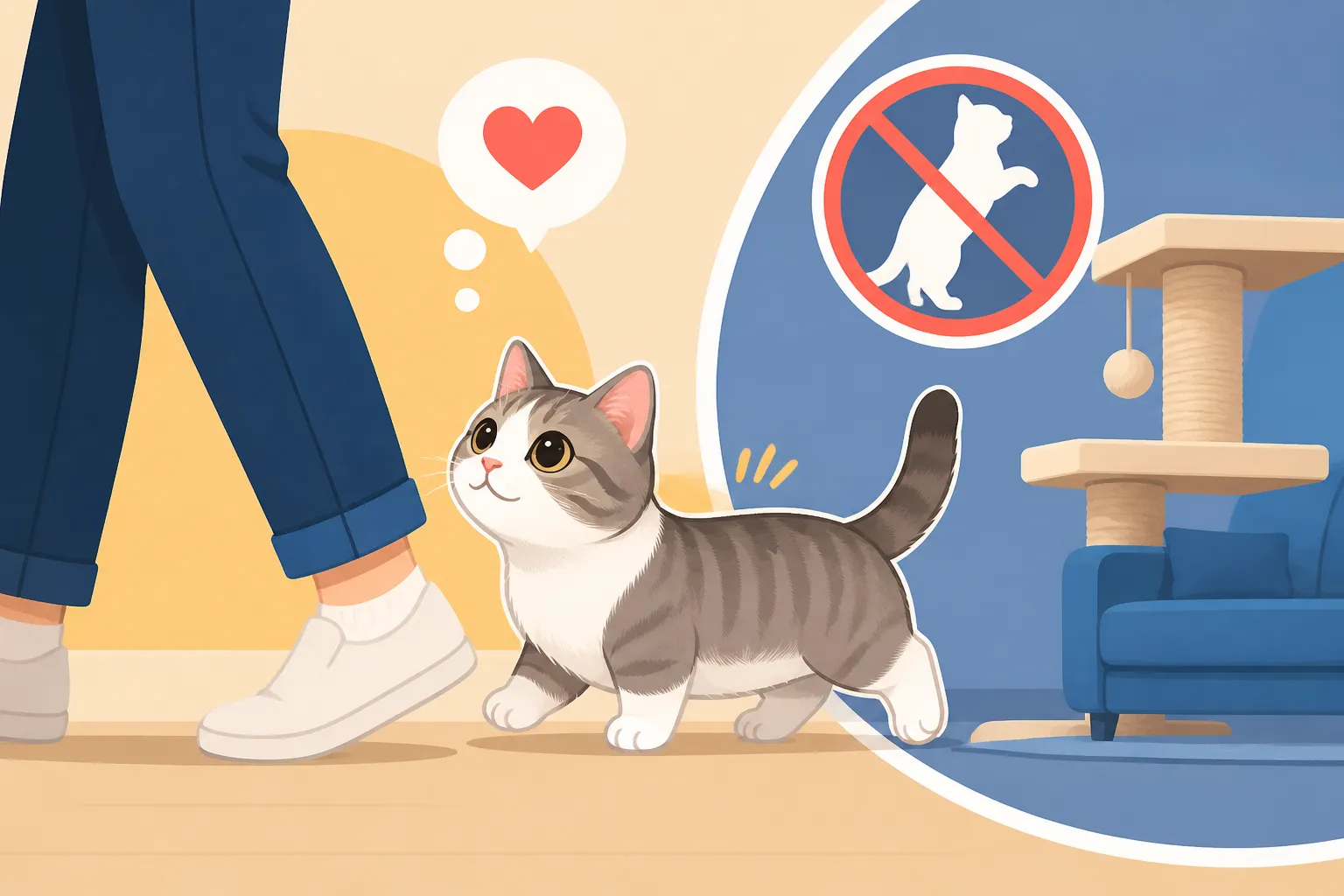
Their shorter front legs make it harder to reach for a purchase point, and once they do, the leverage isn't as effective. They can't stretch their bodies out to span larger gaps between shelves or hooks, nor can they get the full extension needed to truly pull themselves upwards. This is particularly noticeable with vertical scratching posts, which a Munchkin can often only reach the very bottom of, if at all. Why a Munchkin Cannot Stretch Up a Scratching Post They prefer horizontal scratchers or posts that are angled, allowing them to get a good stretch without needing to stand on their hind legs and reach upwards. This limitation in grip and leverage means that traditional cat climbing structures, while designed for felines, often don't suit the unique physical mechanics of a Munchkin.
The Advantages of the Horizontal Plane: Why Trotting Works
While their short legs might limit their vertical ambitions, they certainly don't hold a Munchkin back on level ground. In fact, their unique build provides some surprising advantages that make trotting, running, and darting across the floor their preferred and most efficient mode of transport.
Speed and Agility on Flat Surfaces
Don't let those short legs fool you; a Munchkin can be surprisingly quick and agile on a flat surface! They might not be able to leap onto your kitchen counter, but they can zip across the living room floor with an impressive burst of speed. Their low center of gravity is a real asset here. Imagine a sports car hugging the road – a low center of gravity provides stability and allows for sharp, quick turns without losing balance. This is exactly what a Munchkin experiences.
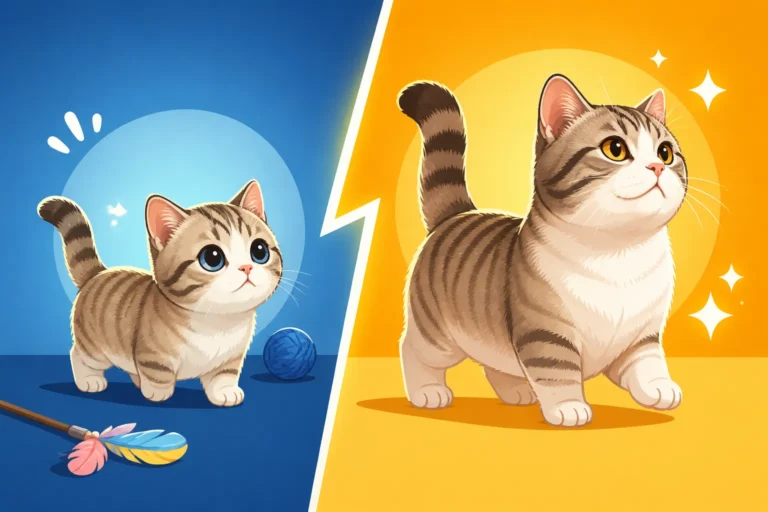
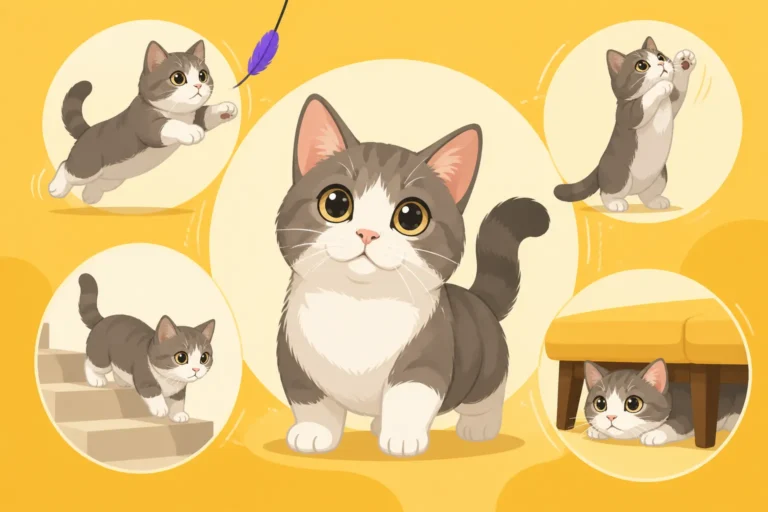
Their movement is often described as ferret-like or reminiscent of a slinky. They have a distinctive, low-slung gait, almost appearing to flow across the floor rather than walk or run. This means they can change direction on a dime, making them incredibly playful and adept at chasing toys, especially low-to-the-ground ones like feather wands or laser pointers. They excel at short sprints and intricate maneuvers, easily outmaneuvering obstacles or playing hide-and-seek under furniture. This makes their ground-level play not just efficient, but also highly entertaining to watch. How Fast a Munchkin Runs on Level Ground Why a Munchkin Moves Like a Ferret
Safe Exploration and Social Interaction
For a Munchkin, staying on the ground isn't just about efficiency; it's about safety and comfort. When they're exploring their home at floor level, they're in an environment that's naturally suited to their physical capabilities. They can investigate every nook and cranny, sniff under chairs, and dart behind curtains without the constant worry of an impossible jump or a painful landing. This contributes to a sense of security and confidence in their surroundings.
Socially, being at floor level means they interact with the world from a unique perspective. They often greet people by weaving around their ankles, a delightful habit that endears them to many. They're also perfectly positioned for ground-level play with children or other pets, as long as those interactions are supervised and gentle. What a Munchkin Does All Day at Floor Level For example, a Munchkin can comfortably chase a rolling ball or pounce on a toy mouse without needing to scale anything. This grounded approach allows them to fully participate in household life without constantly needing assistance to reach desired spots, reinforcing their independence within their limitations.
Energy Conservation and Joint Protection
Choosing to trot rather than climb is also a wise strategy for a Munchkin in terms of energy conservation and, crucially, joint health. Every jump, especially a high one, expends a significant amount of energy and puts stress on a cat's skeletal system. For a Munchkin, with their predispositions to certain spinal and joint issues (like potential lordosis or early onset arthritis in their weight-bearing joints), minimizing these high-impact activities is paramount for their long-term well-being. Why a Munchkin's Shoulders Wear First
By predominantly sticking to ground-level movement, they avoid the repeated strain that comes from jumping up and down from furniture. This helps to preserve their joint cartilage, reduce inflammation, and delay the onset of age-related stiffness and discomfort. It means they can enjoy a longer, more comfortable life with less pain. Owners often observe that their Munchkins are active and playful well into their senior years, partly because they've naturally adopted a less physically demanding lifestyle throughout their lives. This isn't to say they never jump, but their preference for trotting is a self-preserving behavior that benefits them immensely in the long run.
Adapting the Home for a Ground-Dwelling Cat
Understanding why your Munchkin prefers trotting is only half the battle. The other, equally important part is ensuring your home is set up to fully support their unique mobility needs. This isn't about making massive, complicated changes; it's about thoughtful adjustments that make their daily life safer, more accessible, and more enriching.
Essential Ramps and Steps
If your Munchkin does want to reach the sofa, the bed, or a favorite windowsill, ramps and steps become indispensable. These aren't just luxuries; they're vital pieces of equipment that bridge the gap between their desire to be elevated and their physical limitations. Think of them as tiny, carpeted staircases designed specifically for a cat who can't take the big leaps.
When selecting or building ramps, consider a gentle incline – nothing too steep, as this can be just as difficult as jumping. The surface should offer good traction, perhaps carpeted or with anti-slip strips, to prevent slips and falls. Width is also important; a ramp that's too narrow might feel unstable. You can find excellent pet ramps on platforms like Amazon, or if you're handy, building custom steps can be a rewarding project. Place them strategically at key access points: leading up to the sofa, next to your bed, or connecting to a low cat tree platform. Introduce them gradually, perhaps with treats, to encourage your Munchkin to use them. Over time, they'll learn that these pathways are safe and reliable alternatives to straining themselves. Ramps and Steps Are Munchkin Equipment, Not Luxuries How to Set Up Ramps Around a Munchkin's House
Floor-Level Necessities and Enrichment
Since your Munchkin spends most of its time on the floor, it makes perfect sense that all their daily necessities and enrichment items should be easily accessible at that level. This means rethinking the placement of food bowls, water dishes, and litter boxes.
For food and water, consider low-profile bowls or even raised bowls that allow them to eat and drink without bending their neck too far downwards, which can strain their spine. You want them to be able to approach, eat, and move away comfortably. Litter boxes are another critical area. A standard litter box with high sides can be a significant hurdle, literally, for a Munchkin. Look for low-entry litter boxes, sometimes marketed for senior cats or kittens, which have a cut-out front that allows them to simply walk in without a strenuous climb. Why a Munchkin's Food and Water Belong at Floor Level Which Litter Box a Munchkin Can Actually Enter As for toys, focus on ground-level interactive toys like rolling balls, crinkle toys, or feather wands that can be dragged along the floor. Puzzle feeders should also be easily reachable without needing to stand on hind legs or stretch excessively.
Rethinking Vertical Spaces
Traditional multi-level cat trees are often designed for cats who can scale heights with ease. For a Munchkin, these towering structures can be more frustrating than fun. However, this doesn't mean you should forgo vertical enrichment entirely. Instead, rethink its design.
Look for cat trees with more platforms that are closer together, effectively creating a series of small, manageable steps rather than large leaps. Some brands offer modular cat furniture that allows you to customize the spacing. Alternatively, you can repurpose existing furniture to create a "staircase" effect. Place a sturdy stool next to the sofa, then a low bookcase, then the sofa itself. This creates a staggered route that a Munchkin can navigate. You can also buy shorter cat trees specifically designed for breeds with limited jumping ability, or add ramps to existing structures. Which Cat Tree Layout Suits a Munchkin The goal is to provide opportunities for them to reach desirable elevated spots – like a sunny window perch – but always with a safe, accessible pathway.
Understanding a Munchkin's Natural Instincts and Training
Even with their physical limitations, Munchkins are still cats, and they retain many of the classic feline instincts. Understanding these, and how they adapt them, will help you provide even better care and respond to their needs.
The Desire for Height and How They Compensate
Despite their inability to climb high, Munchkins still possess that innate feline desire for elevation. Cats naturally seek high vantage points for security, warmth, and to survey their territory. Your Munchkin might not be able to conquer the top of the bookshelf, but they will still seek out the highest accessible spot. This could be the back of the sofa, a low chair, or a dedicated cat bed placed on a side table with ramp access.
They become incredibly clever at compensating for their short legs. They'll use every available piece of furniture as a step stool, creating their own "staircase" to reach a desired height. You might see them hop onto a cushion, then to a footstool, then to the armchair, gradually working their way up. When they truly can't reach, they often develop charming ways to communicate their need for assistance, perhaps rubbing against your legs and chirping until you understand they'd like a lift. This desire for elevation is strong, and it's important to provide safe, reachable alternatives so they don't feel deprived of this essential feline instinct. How a Munchkin Gets Where It Wants Without Jumping
Teaching Safe Movement and Building Confidence
While Munchkins will naturally trot and use low-level routes, gentle training can reinforce safe habits, especially when it comes to using ramps and steps. Positive reinforcement is key here. When you introduce a new ramp or set of steps, encourage them to use it by placing treats along the path or placing their favorite toy at the top. When they successfully navigate it, offer praise and a small reward. This helps them associate the ramp with positive experiences.
Consistency is also vital. If you always use the ramp to help them onto the bed, they'll learn that's the designated safe route. Discourage unsafe jumping attempts by gently redirecting them to the ramp. Never punish them for trying to jump; instead, guide them towards the appropriate solution. Building their confidence in their adapted environment is important for their mental well-being. A confident Munchkin will happily explore and use their pathways, whereas one that feels constantly frustrated or afraid of falling might become withdrawn. How to Teach a Munchkin to Use Steps
Recognizing Limitations and Providing Support
As responsible Munchkin owners, it's crucial to always be mindful of their physical limitations and to provide support when needed. This means observing their behavior closely. Are they struggling to reach their favorite spot? Are they hesitating before a jump that seems too high? These are cues that they need your help.
It's tempting to let them try to jump for everything, but knowing when to intervene is important to prevent injury. If you see them repeatedly attempting a jump and failing, it's time to gently pick them up and place them where they want to be, or guide them to a ramp. When to Stop a Munchkin Attempting a Jump If you have other pets, especially larger dogs, or small children, ensure your Munchkin has safe, unreachable retreats where they can escape if they feel overwhelmed. They can't climb away from potential threats, so having ground-level hiding spots or elevated areas only accessible by ramp is essential. Regular vet check-ups, where their gait and joints can be assessed, are also critical to proactively address any developing issues related to their unique physique.
Comparison: Trotting vs. Climbing for Munchkins
To summarize, here's a quick look at the contrasting experiences of trotting and climbing for your short-legged friend:
| Feature | Trotting (Horizontal Movement) | Climbing (Vertical Movement) |
|---|---|---|
| Efficiency | Highly efficient, quick, and agile | Low efficiency, often involves struggle and multiple attempts |
| Energy Use | Low energy expenditure, conserves stamina | High energy expenditure, can lead to fatigue |
| Joint Impact | Low impact, minimizes stress on spine and joints | High impact, can strain joints (shoulders, elbows, spine) |
| Safety | Generally very safe, low risk of falls or injury | Higher risk of falls, misjudged jumps, or harsh landings |
| Speed | Surprisingly fast for short bursts and quick direction changes | Very slow or impossible, limited by reach and jump power |
| Confidence | Builds confidence in navigation and exploration | Can lead to frustration, hesitation, or fear of heights |
| Adaptation | Natural, preferred mode of movement | Requires extensive home adaptation (ramps, steps) or human aid |
Disclaimer
This article is for general informational purposes only and does not constitute professional advice. Laws, prices and regulations vary by location and change over time. Consult a qualified professional for guidance on your specific situation.