Why a Large Dog Is a Risk to a Munchkin
Bringing a new Munchkin cat into a home with an existing large dog can feel like a wonderful idea – a fluffy, playful addition to the family! But as an experienced cat parent and lifestyle blogger, I've seen firsthand the unique challenges and heartbreaking risks that can arise when a small, short-legged Munchkin shares living space with a significantly larger canine. This guide is here to honestly discuss why a large dog poses a real risk to your Munchkin and how to approach this dynamic with eyes wide open, ensuring the safety and well-being of both your beloved pets.
The Stark Reality of Size Disparity: Inherent Physical Risks
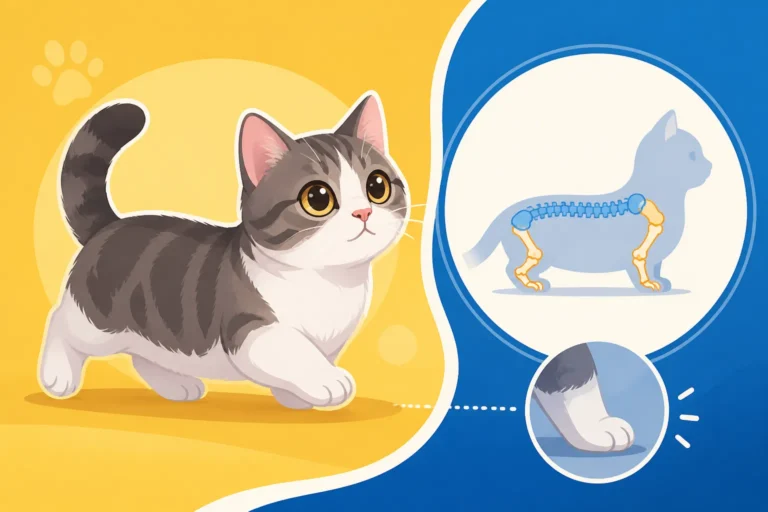
Let's be blunt: a Munchkin cat's defining characteristic – its adorable short legs – is also its biggest vulnerability when paired with a large dog. We're talking about a significant difference in physical stature and maneuverability, which fundamentally changes how they interact and how safely they can coexist, even if your dog has the sweetest disposition.
The Danger of Accidental Injury During Play
Imagine a bustling household where a playful Golden Retriever or a boisterous Labrador decides it's time for a zoomie session. What might be harmless exuberance for a larger cat or another dog can quickly become a dangerous situation for a Munchkin. Their short legs mean they move differently; they're fast on the flat, but their turning radius and ability to dodge quickly are fundamentally different from a longer-legged cat. A playful paw swat from a large dog, even one meant with the best intentions, can send a small Munchkin tumbling. A dog suddenly sitting down without looking, or turning too sharply in pursuit of a toy, could easily injure a Munchkin that simply can't get out of the way fast enough.
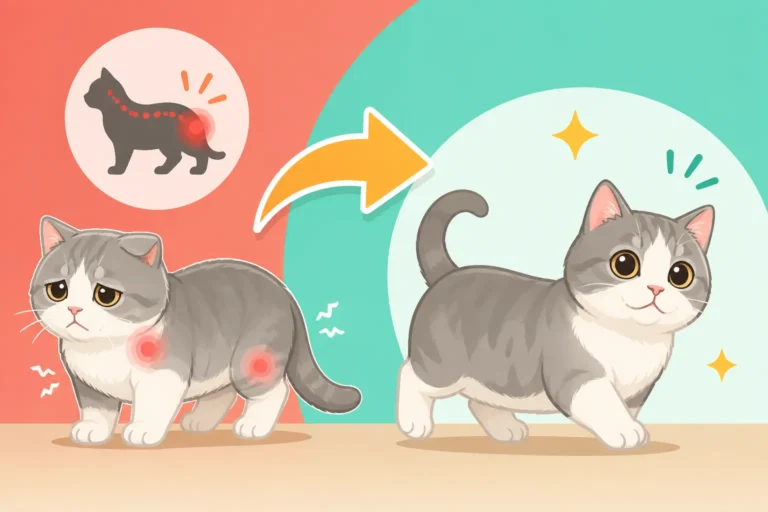
It's not about malice; it's about physics. A dog's weight, even when moving gently, can be immense compared to a cat. We often hear stories of small dogs being accidentally stepped on or fallen over by larger family members, and the same risk applies, if not more so, to a fragile cat. The bones in a Munchkin's legs, while strong for their size, are not designed to withstand the accidental impact of a large dog's body. The potential for broken bones, internal injuries, or even spinal trauma from a seemingly innocuous bump or fall is a very real, very frightening possibility that every owner must consider.
Inability to Escape and Seek Refuge
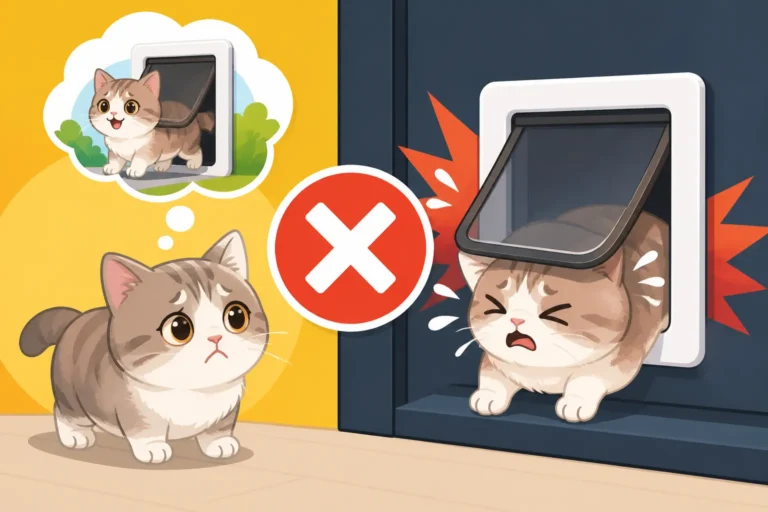
One of a cat's primary defense mechanisms when feeling threatened or overwhelmed is to escape upwards. They jump onto counters, shelves, cat trees, or furniture to gain a vantage point and a sense of safety. This instinctual behavior, however, is severely hampered for a Munchkin. Their short legs simply prevent them from reaching heights that a normal-legged cat would effortlessly scale. You'll find that How High a Munchkin Can Actually Jump is surprisingly limited, leaving them vulnerable.
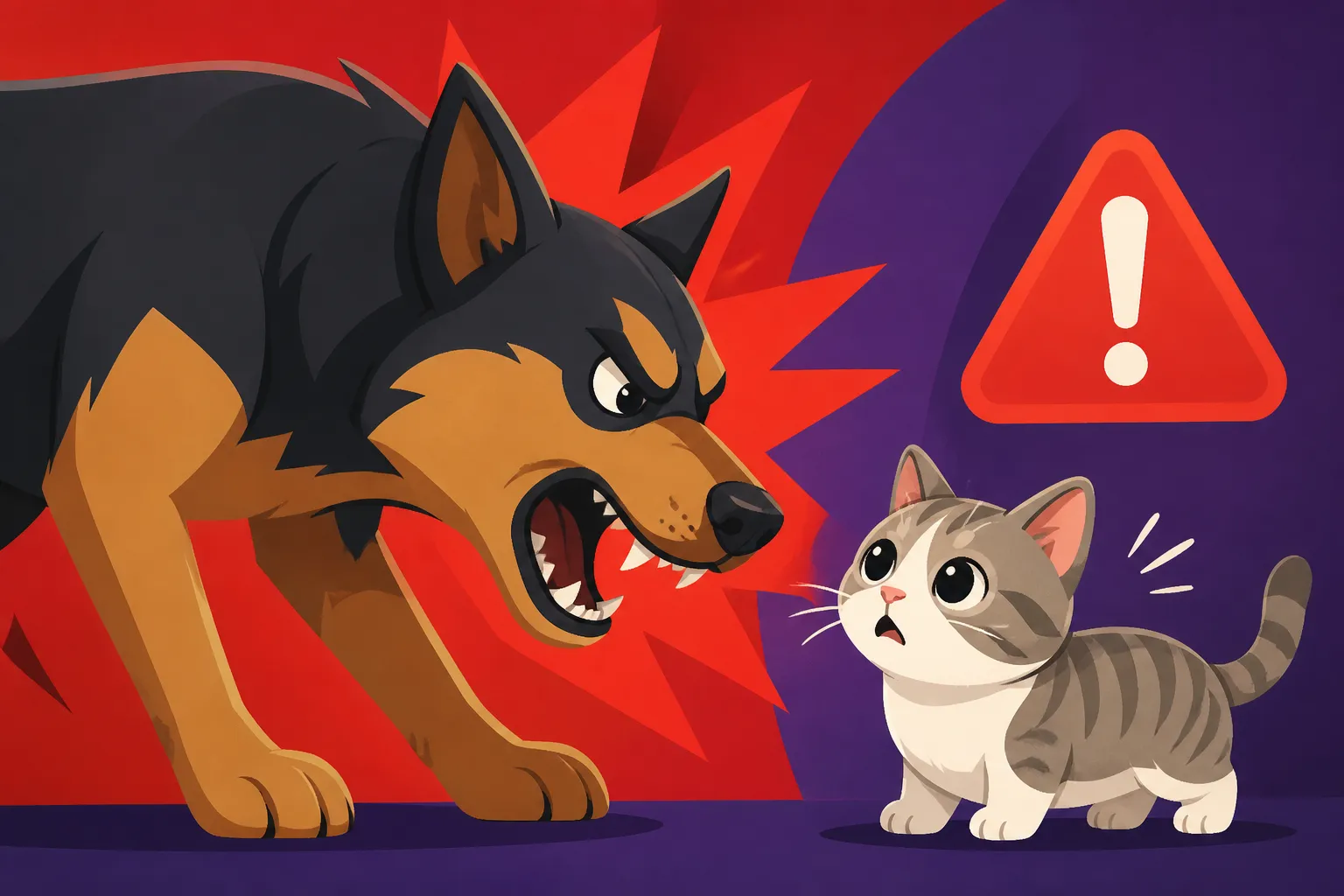
When a large dog becomes too boisterous, too inquisitive, or simply too overwhelming, a Munchkin often has nowhere to go but to try and run across the floor. This places them directly in the path of a chasing dog, which can easily outpace them. Without the ability to jump to safety, the Munchkin is essentially trapped at ground level. This constant lack of an escape route is not just a physical danger; it creates immense psychological stress. It means they can't effectively disengage from an interaction that might be making them uncomfortable or scared, turning what should be a safe home into a potentially anxiety-inducing environment.
Behavioral Differences and the Toll on Well-being
Beyond the obvious physical hazards, there's a subtler, yet equally damaging, layer of risk when a large dog shares a home with a Munchkin: the inherent differences in their communication and play styles, and the psychological impact these can have on both animals.
Misinterpretation of Play Signals
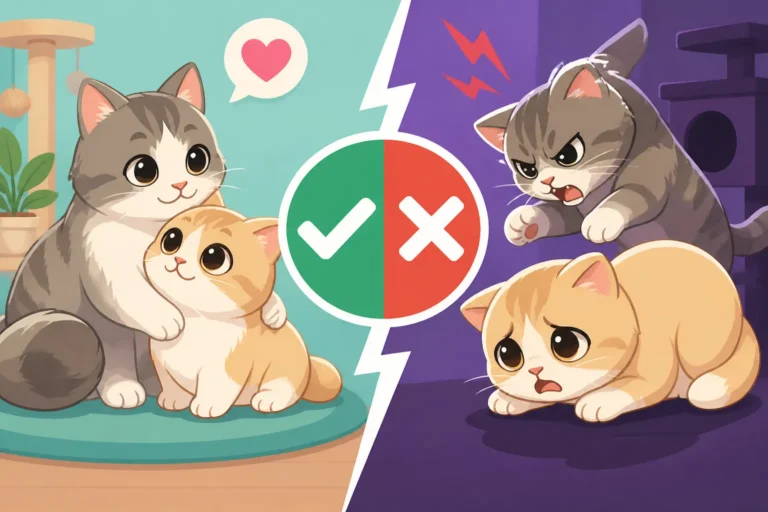
Dogs and cats speak different languages, especially when it comes to play. A dog's playful chase, bark, or body slam might be perfectly normal for another dog, but for a cat, it can be terrifying. A large dog's play bow, while an invitation to romp for a canine, can be perceived as an intimidating posture by a small cat. A cat might swat as a warning, which a dog could interpret as an invitation to engage further, escalating the situation. This is especially true for a Munchkin, whose low stature means they literally cannot see eye-to-eye with a large dog, making subtle facial cues harder to read.
Moreover, a Munchkin's small size and unique gait might lead a dog to perceive them more like prey than a fellow housemate. This isn't to say your dog is a killer, but an ingrained instinct, especially in breeds with a strong prey drive, can override training in moments of high excitement. The dog might not grasp that the Munchkin's attempts to flee are genuine fear, not an invitation to a game of chase. This constant miscommunication can lead to persistent stress for the Munchkin, always on edge, and can frustrate the dog who might just want to interact but doesn't understand why the small cat is so reluctant or fearful. What a Munchkin Does When a Dog Approaches is often to seek cover, not to engage in rough-and-tumble play.
The Stress of Constant Vigilance
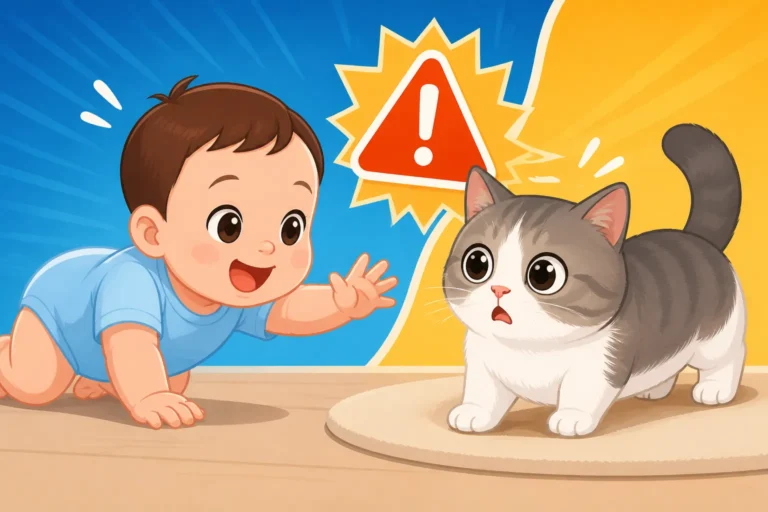
Imagine living in a house where you constantly feel like you need to be on guard, always watching your back. That's often the reality for a Munchkin sharing space with a large dog without proper management. Even if outright aggression is never an issue, the mere presence of a much larger, more powerful animal, especially one that can move quickly and unpredictably, forces the Munchkin into a state of chronic vigilance. This constant state of low-level stress can have serious long-term health implications, including a weakened immune system, digestive issues, and behavioral problems like excessive grooming, inappropriate urination, or aggression towards humans or other cats.
The dog, too, can suffer. If owners are constantly correcting the dog, pulling them away, or scolding them for simply trying to interact, the dog can become confused, anxious, or even resentful. This can strain the bond between the dog and its humans, and between the dog and the cat. The goal is not just to prevent injury, but to foster an environment where both animals feel secure and can thrive independently, without one animal's existence being a constant source of fear or frustration for the other. This requires a dedicated approach, as Why a Munchkin Cannot Get Away From a Dog highlights their inherent disadvantage.
Practical Strategies for Coexistence and Safety
If you're determined to have both a large dog and a Munchkin under one roof, or if you already do, meticulous management and thoughtful home adaptation are absolutely non-negotiable. This isn't about hoping for the best; it's about actively creating a safe environment.
Creating Safe Zones and Escape Routes
The most crucial step is to provide your Munchkin with dedicated spaces where your dog simply cannot go. This means thinking vertically and horizontally. Baby gates are your best friend, especially those designed for pet separation. You can find excellent pet gates on platforms like Amazon that allow a small cat to slip underneath while blocking a larger dog. These can be used to section off entire rooms or areas of the house. Consider setting up a "catio" or a secure, dog-free room where your Munchkin can eat, sleep, and relax completely undisturbed.
You also need to build upwards. Invest in cat trees that have easily accessible platforms, perhaps with ramps rather than steep jumps. Modular cat shelves and wall-mounted walkways can transform your walls into safe, elevated highways for your Munchkin, allowing them to survey their domain from a safe height. Think about How to Rearrange a Room So a Munchkin Can Climb and Which Cat Tree Layout Suits a Munchkin. This gives them critical escape routes if the dog approaches too quickly or becomes overexcited. Ensure these routes are genuinely accessible for short legs; a standard cat tree with wide gaps between platforms might still be too challenging. Your Munchkin needs to be able to get off the floor and out of reach quickly and easily.
Supervised Interactions and Training
Never, ever leave your large dog and Munchkin unsupervised, especially initially. Even if they seem to get along, accidents can happen in a split second. All interactions should be supervised, brief, and positive. Reward calm behavior from both animals with treats and praise. For the dog, this means rewarding them for ignoring the cat or for staying calm in its presence. For the cat, it means rewarding them for remaining relaxed.
Consider enrolling your dog in obedience training, focusing on commands like "leave it," "stay," and "off." This gives you direct control over your dog's behavior around the Munchkin. Teach your dog to respect the cat's space, particularly its safe zones. It's not about making your dog hate the cat, but about teaching deference and impulse control. If your dog has a high prey drive, or if you notice any signs of aggression, it might be necessary to consult with a professional animal behaviorist to ensure everyone's safety. This kind of specialized training can make a world of difference in preventing issues.
Understanding Your Dog's Temperament and Breed
Every dog is an individual, but breed characteristics can give us clues about potential challenges. Breeds with a strong herding instinct (like Border Collies) might try to "herd" the cat, which can be stressful. Sighthounds (like Greyhounds or Whippets) have a strong prey drive that can be triggered by a small, fast-moving animal. Terriers, bred to hunt small creatures, can also pose a higher risk. Conversely, some large breeds known for their gentle giants persona might be inherently calmer.
It's crucial to honestly assess your dog's temperament. Is your dog generally calm, or is it highly energetic and easily excitable? Does it have a history of chasing small animals, even squirrels in the yard? Has it ever hurt another small animal, even accidentally? These are tough questions, but they are vital for gauging the level of risk. A calm, well-trained senior Golden Retriever will likely pose less of a risk than a boisterous, adolescent German Shepherd, but even the calmest dog can have an accidental misstep. Being realistic about your dog's personality and natural instincts is the first step toward managing the potential risks.
The Long-Term Impact on a Munchkin's Quality of Life
Ultimately, the goal of pet ownership is to provide a safe, happy, and enriching life for our animal companions. When we introduce variables like a significant size disparity between housemates, we must carefully consider the long-term impact on the smallest and most vulnerable member of the family.
Chronic Stress and Health
As mentioned, chronic stress is a silent killer. A Munchkin living in a constant state of low-grade fear or anxiety due to a large dog's presence can develop a host of health problems over time. Stress hormones constantly circulating in the body can suppress the immune system, making them more susceptible to illness. It can lead to gastrointestinal upset, skin issues, and even heart problems. Behaviorally, a stressed cat might become withdrawn, aggressive, or engage in destructive behaviors like furniture scratching or litter box avoidance.
We want our Munchkins to be confident, playful, and affectionate, not perpetually on guard. A home environment should be a sanctuary, not a source of chronic anxiety. If you notice your Munchkin constantly hiding, hissing at the dog, over-grooming, or showing any signs of stress, it's a clear indicator that the current living arrangement is not working for them, regardless of whether a physical injury has occurred. Their mental well-being is just as important as their physical safety, and chronic stress severely impacts How to Judge a Munchkin's Quality of Life.
Ensuring a Confident and Enriched Life
A Munchkin deserves to live a full, confident life, exploring their surroundings, playing, and interacting positively with their human family. If they are constantly avoiding certain areas of the house because the dog is there, or if they are unable to access their favorite sunbeam because it requires jumping onto a couch that the dog also uses, their quality of life is diminished. This isn't just about avoiding harm; it's about promoting flourishing.
Providing plenty of Floor Level Enrichment for a Munchkin is important, but they also need vertical options. A Munchkin needs to be able to relax, knowing they have safe spaces, access to all resources (food, water, litter box) without fear, and the ability to choose when and how they interact with other household members. This might mean having separate feeding areas, multiple litter boxes in different safe zones, and ample vertical territories. If these adaptations are not possible or not consistently maintained, then the question of whether a large dog and a Munchkin can truly thrive together needs to be re-evaluated for the Munchkin's sake. Sometimes, despite our best intentions, the most responsible decision is to admit that certain pairings simply don't create the best outcome for all animals involved.
Disclaimer
This article is for general informational purposes only and does not constitute professional advice. Laws, prices and regulations vary by location and change over time. Consult a qualified professional for guidance on your specific situation.