Which Surface a Munchkin Needs Underfoot
As a Munchkin cat parent, you’ve probably noticed something a little different about how your furry friend navigates your home. Those adorable short legs that make them so unique also mean they face challenges on certain surfaces that a long-legged cat breezes over. It's not always obvious at first glance, but a perfectly smooth floor that seems fine to us can be like an ice rink for a Munchkin, leading to slips, slides, and sometimes, a lot of extra effort just to get from point A to point B. This guide is all about helping you understand which underfoot surfaces are best for your Munchkin, and how to create a safe, comfortable, and navigable environment where they can thrive without unnecessary strain or risk.
Understanding Your Munchkin's Unique Gait and Mobility Needs
It’s easy to look at a Munchkin and simply see a cute cat with short legs. But their unique anatomy goes beyond just aesthetics; it fundamentally impacts how they move, how much effort they exert, and what kind of surfaces best support their body. Thinking about their mobility needs is the first step in truly adapting your home for them.
The Impact of Short Legs on Movement
Imagine trying to run a race with significantly shorter strides than everyone else. That's a bit like what a Munchkin experiences. Their hallmark chondrodysplasia, the genetic mutation responsible for their short legs, means their limb bones are shorter than those of a typical cat, while their body length remains normal. This alters their leverage and gait. Instead of the powerful push-off that a long-legged cat uses to propel itself, a Munchkin has a more scuttling, ferret-like movement, relying on smaller, quicker steps. This particular gait is often described as unique, and while they can be surprisingly agile on the flat, it comes with limitations, particularly concerning vertical movement and maintaining grip. They can’t generate the same spring for a jump, nor can they brace themselves against slippery surfaces with the same force. Every single movement, from a leisurely stroll to a sudden dash, requires their short limbs to work harder, and without proper traction, that effort is multiplied. Their entire body, especially their spine and joints, bears the brunt of any instability or awkward landing, which is why thinking about their environment is so crucial.
Why Traction Is Paramount for a Munchkin
For a Munchkin, traction isn't just about comfort; it's about fundamental safety and long-term health. On smooth, hard surfaces like polished wood, laminate, or tile, their short legs have significantly less purchase. This leads to frequent slips and slides, which might look comical but can be genuinely distressing and even harmful for the cat. Each slip causes their limbs to splay, putting unnatural stress on their joints – especially their shoulders, elbows, and hips – and their spine. Over time, this repetitive stress can contribute to or exacerbate joint issues like osteoarthritis, potentially making them stiff and uncomfortable much earlier in life.
Think about the sheer physical effort involved: imagine trying to sprint across a highly polished floor in socks. You'd be expending far more energy and constantly struggling for balance, rather than moving freely. A Munchkin experiences a similar challenge daily if their environment isn't optimized for grip. Good traction allows them to move with confidence, apply their weight evenly, and use their muscles efficiently, without the constant fear of losing their footing. It reduces the impact on their joints, preserves their energy, and ultimately contributes to a higher quality of life, allowing them to play and explore their world safely. Without it, even simple acts like chasing a toy can become a risky endeavor. Why a Munchkin's Elbows Take the Landing is a particularly insightful read into the specific joint stress they experience.
The Best Surfaces for a Munchkin's Everyday Life
When it comes to creating an ideal environment for your Munchkin, the goal is to maximize stability and comfort. The best surfaces offer excellent traction, gentle cushioning, and allow your cat to move with confidence and ease, minimizing strain on their unique physique.
Carpeted Comfort and Safety
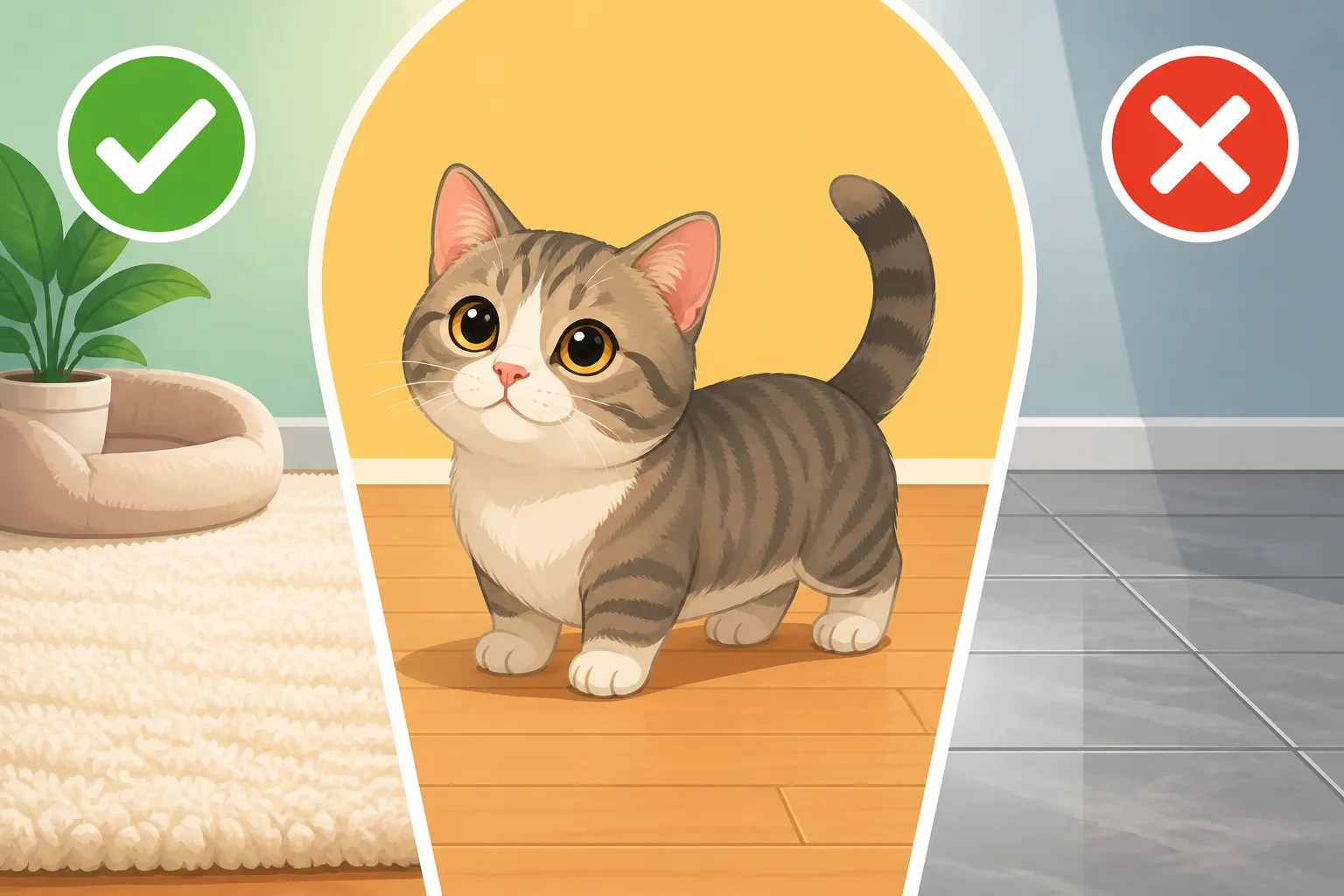
Wall-to-wall carpeting is often considered the gold standard for Munchkin households, and for very good reason. The inherent texture and soft fibers provide consistent, reliable traction for their short legs. Whether they are walking, running, or executing those surprisingly quick turns, carpet allows them to grip firmly and push off effectively without slipping. This stability reduces the strain on their joints, which is a significant benefit over their lifespan.
Beyond traction, carpet offers a crucial cushioning effect. If a Munchkin does happen to take a tumble (perhaps from a low piece of furniture it jumped onto, or just during an enthusiastic play session), landing on carpet is much softer and more forgiving than a hard floor. This shock absorption is invaluable for protecting their spine and joints from impact. Furthermore, carpet provides warmth, which can be particularly comforting for cats who spend a lot of time close to the floor. When choosing carpet, a low-pile option is generally preferred over very plush, deep-pile carpet. While plush is soft, the longer fibers can sometimes create more resistance, making it harder for their short legs to push through and potentially causing them to trip. Low-pile carpet offers the perfect balance of grip, cushioning, and ease of movement, allowing your Munchkin to truly thrive.
Rugs and Runners: Strategic Placement for Seamless Movement
If wall-to-wall carpeting isn't an option, or if you have a mix of hard floors, strategically placed rugs and runners are your next best friend. These aren't just decorative items; they are essential mobility tools for your Munchkin. The key is to think of them as "Munchkin highways" or safe landing zones, connecting important areas of your home and providing vital traction where it's most needed.
Imagine your Munchkin wanting to get from their favorite sleeping spot to their food bowl across a slick tile floor. A runner placed along that path makes the journey safe and effortless. Similarly, a well-sized area rug in a living room provides a large, secure play space. When placing rugs, prioritize areas where your Munchkin spends the most time: in front of their food and water bowls, near litter boxes, around their favorite lounging spots, and especially at the base of any furniture they might attempt to jump onto or off of. Look for rugs with a non-slip backing, or invest in good quality non-slip rug pads. Many excellent options are available on Amazon, ensuring the rug stays firmly in place and doesn't become a tripping hazard itself. This allows your Munchkin to confidently explore their world at floor level, reducing the chances of a slip and making every movement less strenuous. Whether Rugs Help a Munchkin Move Around offers more detail on this essential adaptation.
Surfaces to Approach with Caution (or Avoid Entirely)
While certain surfaces are a joy for your Munchkin, others pose significant challenges and potential risks. Being aware of these surfaces and taking proactive steps to mitigate their dangers is crucial for their well-being.
The Perils of Smooth, Hard Floors
Smooth, hard flooring, such as polished hardwood, laminate, ceramic tile, or vinyl, represents one of the biggest challenges for a Munchkin cat. While beautiful and easy to clean for humans, these surfaces offer minimal to no traction for their short legs. The result? Frequent slipping and sliding, which not only looks uncomfortable but is genuinely detrimental to their health.
Each time a Munchkin slips, their legs splay out from under them, forcing their joints into awkward and unnatural positions. This puts immense strain on their shoulder, elbow, hip, and knee joints, as well as their entire spinal column. Over time, this repetitive impact and stress can lead to chronic pain, exacerbate conditions like arthritis, and limit their mobility. Imagine the constant micro-traumas from countless small falls and near-falls throughout the day. Beyond the physical toll, there's a psychological component too. A cat that frequently slips might become hesitant to move around, leading to a more sedentary lifestyle, which in turn can contribute to weight gain – a major problem for Munchkins. Why a Munchkin Slips on Laminate delves deeper into the specific issues posed by this common flooring type. It’s not just about preventing a dramatic fall; it’s about preventing the cumulative wear and tear that these surfaces inflict on their unique anatomy. If you have such floors, covering them with appropriate rugs and runners is not optional, but essential.
Navigating Stairs and Uneven Terrain
Stairs, while a common feature in many homes, are inherently difficult and potentially dangerous for Munchkin cats. Their short legs are simply not designed for the repetitive, high-impact motion of ascending and descending stairs. Going up requires significant exertion and push-off power, while going down puts immense strain on their front legs and shoulders as they absorb the impact. Many Munchkins will try to "bunny hop" or awkwardly slide down stairs, both of which place unhealthy stress on their joints and spine.
Even uneven terrain outdoors, such as gravel, cobblestones, or heavily sloped yards, can pose a challenge. These surfaces require more balance and flexibility than a Munchkin's body is typically equipped for, increasing the risk of missteps, tumbles, and strain. For these reasons, many experts and ethical breeders strongly advise keeping Munchkins indoors in a carefully adapted environment. If you live in a multi-story home, it’s imperative to provide ramps or clear pathways so your Munchkin can access different levels safely without resorting to stairs. Why a Munchkin Should Not Use Stairs Repeatedly is a must-read for anyone considering a Munchkin in a home with stairs. The long-term health benefits of preventing stair use far outweigh the temporary convenience of letting them attempt it.
Adapting Your Home: Practical Solutions for a Happy Munchkin
Creating a Munchkin-friendly home isn't about grand renovations; it's about thoughtful adaptations that empower your cat to move freely, safely, and comfortably within their environment. It’s about making their world accessible at their height.
Enhancing Existing Flooring
If your home has a lot of hard flooring, don't despair! There are many practical ways to enhance these surfaces to make them more suitable for your Munchkin. As discussed, the immediate solution is to lay down non-slip rugs and runners. But go beyond just decorative placements. Think about your Munchkin's typical routes through the house: from their bed to their litter box, from the living room to the kitchen. Lay down a continuous "highway" of runners to connect these vital points.
For play areas, consider using interlocking foam floor tiles. These can be easily installed, provide excellent cushioning and grip, and are simple to clean. You can often find pet-friendly versions that are durable and attractive on Amazon. Another clever trick for specific spots, like under food bowls or near a window they enjoy looking out of, is to use yoga mats. They offer fantastic grip and can be cut to size. For steps or transitions, you can even find self-adhesive carpet strips or non-slip stair treads that can significantly improve safety. The goal is to eliminate as many slippery stretches as possible, ensuring that wherever your Munchkin wants to go, they have a secure surface underfoot.
Creating Safe Pathways and Zones
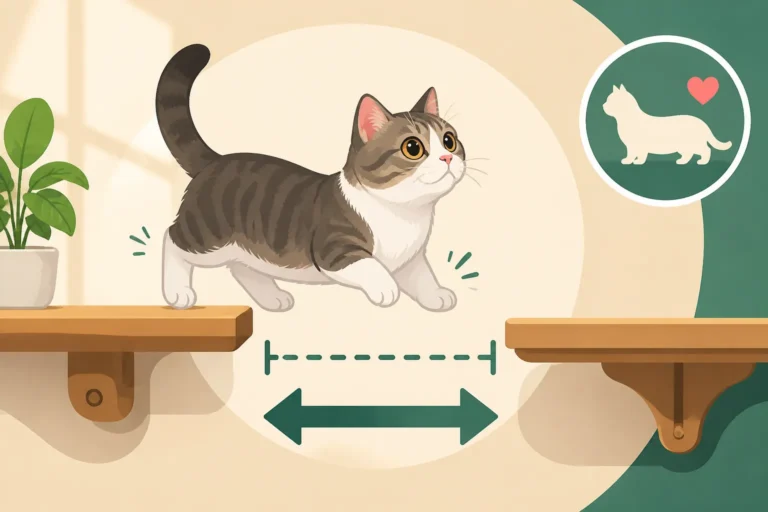
Beyond just covering floors, think about the overall layout and how your Munchkin navigates vertical spaces. Since jumping is often difficult and risky for their joints, ramps and pet steps become indispensable. Every sofa, bed, or window perch that your Munchkin might want to access should have a ramp or a set of low, sturdy steps. These create safe, accessible pathways, allowing them to reach higher vantage points without putting strain on their legs or spine. You can find pre-made pet ramps online, again, Amazon is a great resource, or for the DIY enthusiast, simple wooden ramps can be constructed and carpeted for grip. How to Set Up Ramps Around a Munchkin's House offers excellent guidance on this.
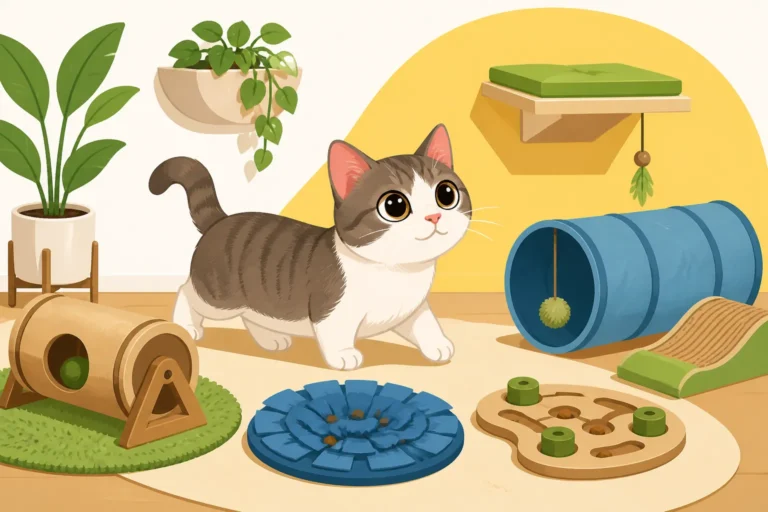
It’s also important to consider floor-level enrichment. Because they spend more time on the ground, ensure their toys, scratching posts (horizontal ones are great!), and puzzle feeders are all easily accessible without needing to climb or stretch excessively. Create "safe zones" on the floor with soft blankets or low cat trees that have very closely spaced platforms. Ultimately, a truly Munchkin-friendly home is one where every essential item and desired lounging spot is reachable without a precarious jump or a slippery slide. It’s about minimizing risks and maximizing their ability to explore and enjoy their world at their own pace and comfort level. This thoughtful approach ensures your Munchkin lives a full, active, and pain-free life.
Disclaimer
This article is for general informational purposes only and does not constitute professional advice. Laws, prices and regulations vary by location and change over time. Consult a qualified professional for guidance on your specific situation.