Introducing a Long Legged Cat to a Munchkin
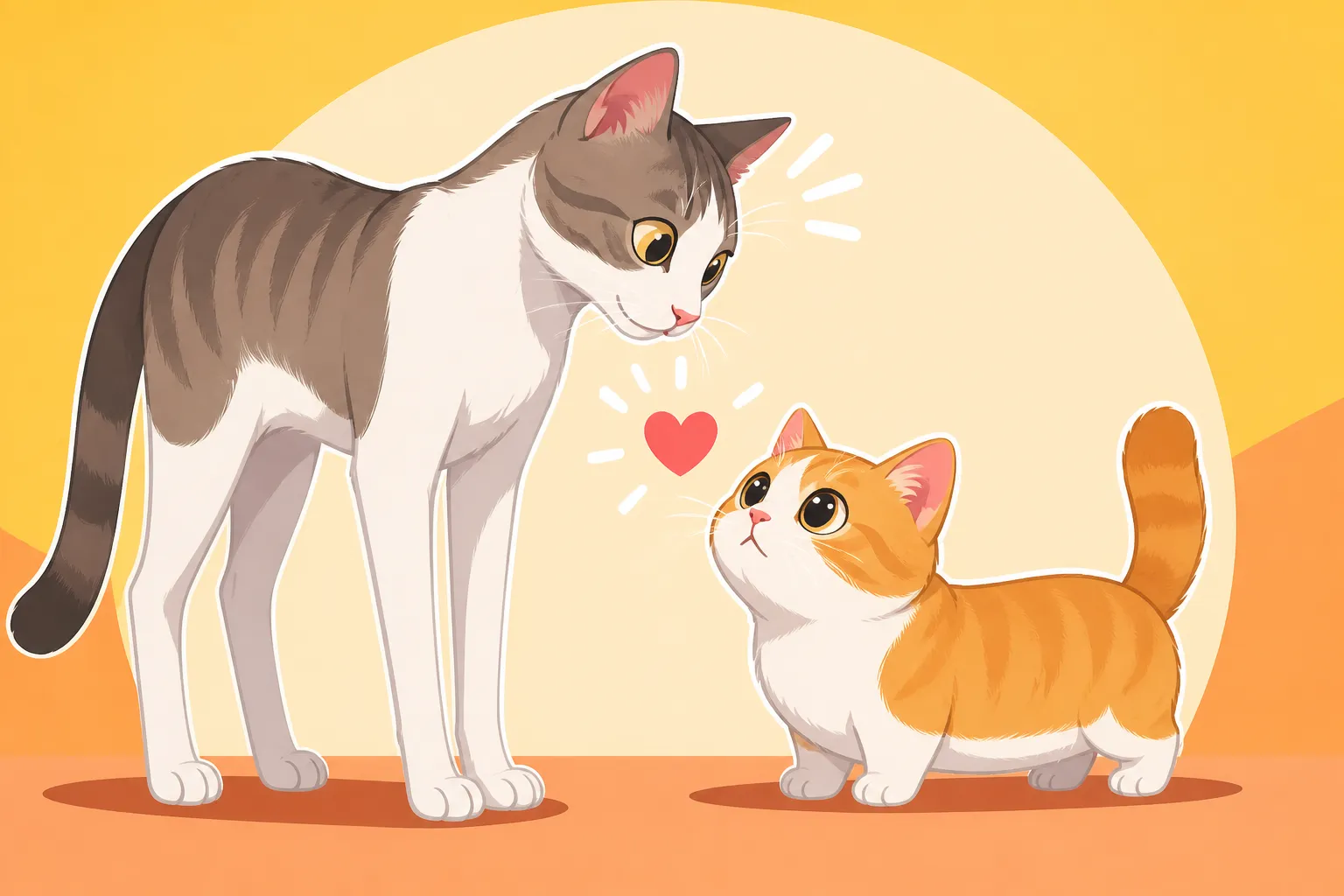
Bringing a new cat into your home is always an exciting, yet sometimes daunting, experience. But when you’re planning to introduce a long-legged feline friend to your beloved Munchkin, the considerations are a little different. Many owners worry about how their uniquely structured Munchkin will cope with a bigger, more agile cat, and rightfully so. This guide is here to walk you through the process, focusing on how to make sure both cats feel safe, secure, and ready to share their space without unnecessary stress or conflict.
Understanding the Unique Dynamics of a Munchkin Household
Before you even think about letting them sniff each other, it's crucial to understand the inherent differences in how a Munchkin and a typical long-legged cat perceive and interact with their environment. Their physical structures dictate much of their behavior and sense of security, and overlooking this can lead to serious problems down the line.
The Munchkin's Perspective on Height and Movement
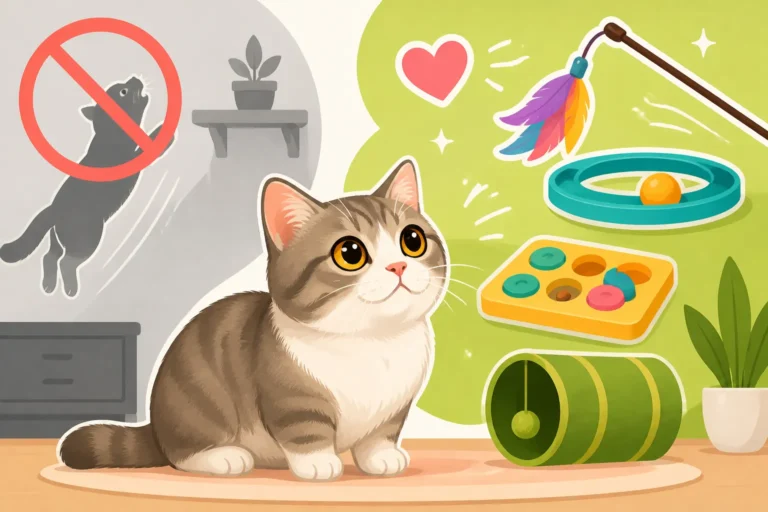
Imagine moving through a world where every step up or down requires a calculated effort, where escape isn't always a quick jump, and where the safest spots are often out of reach. That's a glimpse into your Munchkin's daily reality. Their short legs mean they experience the world from a much lower vantage point than most cats. They can't effortlessly spring onto the kitchen counter to survey their domain, nor can they leap onto the top of a tall cat tree to escape a perceived threat or simply observe in peace.
This isn't to say Munchkins aren't agile or capable; they are incredibly quick and can navigate their environment with surprising speed and dexterity on the flat. However, their methods differ. Instead of vertical leaps, they often utilize furniture as a series of steps, carefully planning their ascent or descent. What this means for an introduction is that your Munchkin's primary escape and security mechanisms are often horizontal, not vertical. If they feel threatened, their first instinct won't be to jump to a high shelf. They might try to dart under furniture or find a low, enclosed space. This dramatically impacts their perceived safety when a larger, more vertically mobile cat enters the picture. Think about how a human might feel if all the exits were suddenly too high to reach. It can be a very vulnerable position. How a Munchkin Gets Where It Wants Without Jumping is a fantastic read if you want to understand their unique locomotion better.
The Long-Legged Cat's Natural Advantages and Instincts
Now, let's consider the new arrival – your long-legged cat. For them, height is often synonymous with safety, observation, and even a form of social status within a multi-cat dynamic. They can easily jump onto shelves, window sills, the back of a sofa, or the tallest tier of a cat tree. This vertical advantage allows them to observe their surroundings, feel secure from ground-level disturbances, and sometimes, unfortunately, look down on a smaller, less vertically capable companion.
A typical cat uses their ability to climb and jump not just for fun or exercise, but as a fundamental part of their behavioral repertoire. They may instinctively seek high perches to nap, to watch birds, or to simply feel safe from things happening on the floor. In a multi-cat household, the ability to access high places can also be a way to avoid conflict. If one cat is bothering another, the higher cat can simply jump away. This natural ability is something your Munchkin simply cannot replicate.
When introducing these two different physical types, you need to be acutely aware that the long-legged cat's natural advantages could unintentionally make the Munchkin feel vulnerable or cornered. While most cats aren't malicious, a long-legged cat might jump over a Munchkin, inadvertently block a low escape route, or simply stand over them, which could be perceived as threatening. It's not about malice; it's about differing physical capabilities and how those capabilities shape their instinctive behaviors. Understanding this fundamental difference is the first, most critical step in creating a harmonious home. Knowing How High a Munchkin Can Actually Jump compared to a regular cat can really highlight this disparity.
Setting Up the Environment for a Successful Introduction
The environment you create is absolutely critical, even more so than in a typical cat-to-cat introduction. You're not just bringing two cats together; you're blending two different ways of experiencing space. Without proper environmental setup, even the most well-meaning cats can become stressed or aggressive.
Creating Safe, Separate Spaces
The golden rule of cat introductions is starting with complete, separate isolation. Both your Munchkin and the new long-legged cat need their own "base camp." This isn't just a temporary measure; it's a foundational step that allows each cat to acclimate to the sounds and smells of the other, and to feel secure in their own territory before any direct interaction.
For your Munchkin, their base camp needs to be meticulously set up with their unique needs in mind. This means a low-entry litter box that they can walk into without strain. Standard litter boxes with high sides can become a barrier for a Munchkin, leading to accidents or discomfort. Why a Munchkin Needs a Litter Box It Can Walk Into is a must-read for this. Their food and water bowls should be at floor level or slightly raised to ease strain on their neck and shoulders, easily accessible without any jumping. Beds and hiding spots should be low to the ground, offering secure retreats without requiring any leaps. Think about places under a bed, inside a cat cave on the floor, or a blanket-covered carrier. If your Munchkin loves to look out a window, provide a ramp or a series of sturdy steps so they can reach a comfortable perch without jumping. Ramps and Steps Are Munchkin Equipment, Not Luxuries – they are essential tools for a Munchkin's well-being and confidence.
The new long-legged cat also needs their own separate base camp. This room should similarly contain all their necessities: food, water, litter box, scratching post, and beds. However, for them, incorporating vertical space is important. A tall cat tree or accessible shelves will give them opportunities to climb and feel secure from above. This helps prevent them from feeling confined and potentially acting out when they eventually meet the Munchkin. Ensure both cats have plenty of their own things, so they don't feel the need to compete for basic resources.
Maximizing Accessible Resources for Both
Once you have separate base camps, the next step is to ensure that when they eventually share space, there are enough resources distributed strategically to minimize competition and provide multiple options for both cats. The general rule of thumb is "N+1" for resources (N being the number of cats), but for a Munchkin household, it's about accessibility at different levels.
You'll need multiple food and water stations. Place your Munchkin's food and water bowls on the floor or on low, stable feeders in a quiet, undisturbed area. For the long-legged cat, you can have bowls at floor level or, if they prefer, on a slightly raised platform. This ensures neither cat has to compete for nourishment or feel like they're being watched while eating. Similarly, strategically place multiple litter boxes throughout the shared areas, always ensuring at least one or two are low-entry and easily accessible for your Munchkin.
Scratching posts are another essential resource. Your Munchkin won't be able to stretch up a tall, vertical post like a typical cat. Provide horizontal scratchers (like cardboard pads) and shorter, sturdy vertical posts that they can use comfortably. You can find a wide variety of these on platforms like Amazon, ensuring you have options that cater to both cats. For the long-legged cat, also include taller scratching posts where they can fully stretch and mark their territory.
Beyond the basics, think about resting spots and hiding places. Provide plenty of cozy beds, cat caves, and cardboard boxes at floor level for your Munchkin. Crucially, also provide high perches, window seats, and tall cat trees for your long-legged cat. The goal is to create a multi-level environment where both cats can find their own personal space, observe their surroundings, and retreat if necessary, without infringing on the other's comfort zone. This means the new cat can feel secure by being high up, while your Munchkin can feel secure by having safe, easily accessible spots on the ground. You might find a good selection of cat ramps and low-level perches on Amazon to help adapt your existing furniture for your Munchkin.
The Step-by-Step Introduction Process
Once your environment is prepped, you can begin the actual introduction. This process requires patience, consistency, and a keen eye for feline body language. Remember, rushing it can undo weeks of progress and create lasting animosity.
Scent Swapping and Positive Association
Before any visual contact, cats need to become accustomed to each other's scent. Scent is a primary way cats communicate and understand their world. Start by gently rubbing a soft cloth or a sock on your Munchkin's cheeks (where their scent glands are) and then place it in the new cat's base camp, near their food or sleeping area. Do the same with the new cat's scent, introducing it to your Munchkin.
Beyond just swapping objects, you can also swap entire spaces. After each cat has spent some time in their base camp, allow them to explore the other cat's base camp while the original occupant is temporarily moved to another secure room. This allows them to investigate the other cat's territory, absorbing their scent without the pressure of a direct encounter. Again, ensure the Munchkin’s temporary room is adapted to their needs with easy access to all resources.
Always pair these scent experiences with positive reinforcement. When your Munchkin sniffs the new cat's blanket, offer a high-value treat or engage in a favorite play session. Do the same for the new cat. The goal is for them to associate the other cat's scent with pleasant experiences, not fear or competition. This creates a foundation of positive association, telling them, "This new scent means good things are coming!" How Much Floor Level Play a Munchkin Needs is something you'll want to prioritize with your Munchkin during these early stages to keep them happy and engaged.
Controlled Visual Contact and Supervised Interactions
Once both cats seem relaxed with each other's scents, you can move to controlled visual contact. A baby gate or a screen door between their base camps is ideal for this stage. It allows them to see and hear each other, but still provides a physical barrier for safety.
Start with very short sessions, maybe just 5-10 minutes, several times a day. During these sessions, keep both cats engaged with positive activities. Give them special treats on opposite sides of the barrier or play with separate wand toys. The key is to keep the experience positive and low-stress. Watch their body language intently. Are they relaxed? Are their tails up or gently waving? Are they eating and playing? If you see signs of stress (hissing, growling, flattened ears, puffed tails, wide eyes, or a rigid posture), shorten the session or go back to scent swapping.
Never force interaction. Let them approach the barrier at their own pace. Always end the session on a good note, before any tension arises. This leaves them with a positive memory and a desire for more good things to come. Your Munchkin might initially be wary, as they naturally assess situations from a lower perspective, so give them plenty of praise and treats for any calm curiosity they show.
| Sign of Stress | Sign of Comfort/Positive Interaction |
|---|---|
| Hissing, growling, spitting | Soft purring, relaxed vocalizations |
| Ears flattened or rotated | Ears forward, relaxed |
| Piloerection (puffed fur) | Smooth fur |
| Tail thrashing or tucked | Tail up, gently swishing, or curled |
| Staring, wide pupils | Soft gaze, blinking slowly |
| Crouching, hiding | Relaxed posture, exploring |
| Refusing food/treats | Eating readily, accepting treats |
| Swatting, lunging | Gentle sniffing, parallel play |
When your cats consistently show relaxed body language during barrier sessions, you can try brief, fully supervised, in-person interactions. Keep these short, again always ending on a positive note. Have treats and toys ready. Be prepared to gently separate them if needed. For a Munchkin, the inability to quickly escape to a high perch means that What a Munchkin Does When a Dog Approaches (or any perceived threat) is to find a low hiding spot. Make sure these are readily available.
Managing Potential Conflicts and Ensuring Safety
Even with the best preparation, conflicts can arise. The most important thing is to stay calm and never punish your cats. Punishment only increases fear and can lead to more aggression. If a conflict occurs – a hiss, a swat, or simply one cat retreating in fear – immediately and calmly separate them back into their base camps. You've gone too fast, and you need to take a step back in the introduction process. Revert to scent swapping and work your way up again more slowly.
For your Munchkin, safety is paramount due to their physical limitations. They cannot easily climb away from a confrontational situation. This means you, as their guardian, must be their vertical escape route and their protector. Ensure there are always multiple low hiding spots available to them that the long-legged cat cannot easily access or corner them in. Cat tunnels, open carriers, or even blankets draped over chairs can provide immediate, accessible retreats. Remember that Why a Munchkin Cannot Escape a Confrontation is a real limitation, making your proactive management of their environment and interactions crucial.
It’s equally important that your long-legged cat also has ways to de-escalate if they feel annoyed or overwhelmed by the Munchkin (though this is less common, it can happen). Providing high perches gives them an easy exit without having to engage in conflict. This multi-level approach to safety helps prevent either cat from feeling trapped, which is a major trigger for aggression in felines. Always supervise fully, and never leave them alone together until you are absolutely certain they are comfortable and consistently calm in each other's presence. This can take weeks, or even months, so be prepared for a marathon, not a sprint.
Long-Term Harmony in a Mixed-Ability Household
Achieving peace isn't just about the initial introduction; it's about establishing routines and maintaining an environment that supports both cats' needs for years to come.
Maintaining Separate Feeding and Resting Areas
Even after your Munchkin and the long-legged cat are comfortably coexisting, it's often best practice to maintain some degree of separation for critical resources, especially feeding. Cats are naturally territorial about food, and a Munchkin, who takes longer to approach and eat from a floor-level bowl, might feel vulnerable if a larger cat is looming over them or trying to snatch their food.
Having dedicated feeding stations helps prevent food aggression and ensures both cats are getting enough to eat without stress. Keep your Munchkin's food and water bowls in a quiet, easily accessible area on the floor, or using a low, stable raised feeder specifically designed for their comfort. Why a Munchkin's Food and Water Belong at Floor Level is a principle to uphold. The long-legged cat can have their bowls in a different spot, perhaps at a different height if they prefer, or simply far enough away that there’s no perceived competition. Some owners even use microchip-activated feeders to ensure each cat only accesses their own food, which can be a game-changer in multi-cat homes.
Similarly, even if they enjoy snuggling occasionally, ensure both cats have multiple designated resting and sleeping spots that are exclusively theirs. For your Munchkin, this means cozy beds and cat caves on the floor or on low, easily accessible platforms. For the long-legged cat, continue to provide vertical options like cat trees and high shelves. This allows both cats to retreat to a safe, undisputed territory whenever they feel the need for solitude, preventing territorial squabbles over prime sleeping real estate.
Continuous Enrichment and Monitoring for Well-being
A truly harmonious multi-cat household is one where both cats feel continuously enriched, safe, and loved. This means ongoing attention to their individual needs and a watchful eye on their evolving dynamic.
Continue to provide plenty of play opportunities that cater to both cats. For your Munchkin, focus on floor-level games with wand toys, laser pointers, and rolling balls. Toys that stay low to the ground are perfect for their unique movement style. Which Wand Toys Suit a Munchkin's Reach can give you great ideas for engaging play. For the long-legged cat, you can incorporate vertical play, like dangling toys from high places, but also include floor-level play that the Munchkin can join in. Consider getting a small, sturdy cat tree with closely spaced platforms that your Munchkin can actually navigate, perhaps from Amazon, ensuring the long-legged cat also has a taller, more challenging option elsewhere. Which Cat Tree Layout Suits a Munchkin is a helpful resource here.
Regularly monitor their interactions. Are they comfortable sharing space? Is one cat consistently chasing or blocking the other? Is your Munchkin showing any signs of discomfort or stress, such as refusing to eat, hiding more often, or changes in litter box habits? Pay close attention to subtle cues. Sometimes, a long-legged cat might unintentionally block a Munchkin's path to the litter box or food, simply by sitting in the way. If this happens, you might need to adjust resource placement or even temporarily go back to barrier introductions for a refresher.
The long-term goal is for both your Munchkin and your new long-legged cat to feel completely at ease in their shared home, each respecting the other's space and abilities. By prioritizing safety, accessibility, and positive reinforcement, you can create a truly happy and integrated multi-cat family where every member, regardless of leg length, thrives. Understanding How to Judge a Munchkin's Quality of Life is paramount, as their well-being is directly tied to your proactive care and environmental adaptations.
Disclaimer
This article is for general informational purposes only and does not constitute professional advice. Laws, prices and regulations vary by location and change over time. Consult a qualified professional for guidance on your specific situation.