Teaching a Munchkin to Come When It Is Time to Be Lifted
One of the unique joys and challenges of living with a Munchkin cat is their delightful, low-slung perspective on the world. But their short legs, while endearing, mean they can't always reach the places they want to go, or the places you need them to be. Teaching your Munchkin to reliably come when called for a lift isn't just a fun trick; it's a crucial skill for their safety and your peace of mind, ensuring you can help them navigate a world not built for their stature.
Why a Munchkin Needs This Skill in Their Daily Lives
Let's face it, our homes are designed for two-legged humans and often, normal-legged cats. This means a lot of surfaces, from comfy beds to sunny windowsills, are simply out of reach for a Munchkin. It’s not just about playtime, though; sometimes you need to get them to safety, move them for grooming, or just ensure they’re not underfoot in a busy moment. Having a reliable "come" cue for lifting makes all these situations smoother and less stressful for everyone involved.
Their Unique Mobility Challenges
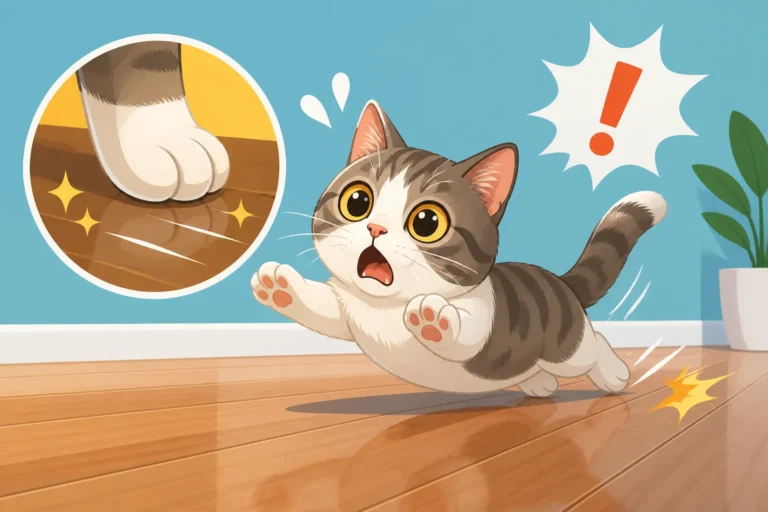
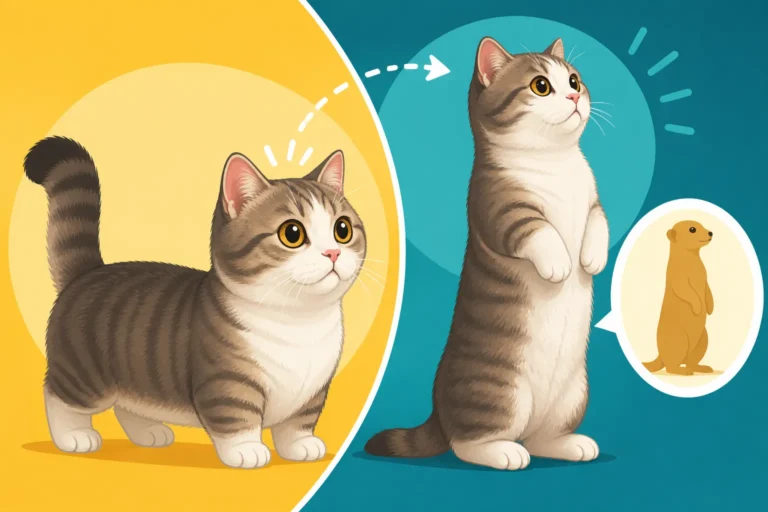
Munchkins are incredibly adept at navigating their world despite their short legs. They're often surprisingly fast on the flat and can use furniture as a clever series of steps to get to higher ground. However, there are limits. A kitchen counter, for example, is usually insurmountable without assistance. Why a Munchkin Cannot Make the Kitchen Counter explains this well. They might want to join you on the sofa for cuddles, but jumping up directly can put strain on their unique spine and joints over time, especially if done repeatedly.
Think about it: they can't just spring up onto your lap from a standing start as easily as a regular cat. This means they often rely on you to bridge that vertical gap. If they're not used to being lifted, or if you have to chase them to do so, it can become a stressful encounter for both of you, chipping away at the trust you've worked so hard to build.
Safety First: When Lifting is Essential
There are plenty of moments when lifting isn't just convenient, but absolutely necessary for your Munchkin's safety. Imagine you're cooking and your little friend is weaving around your ankles – a quick, reliable "come here, up!" can prevent an accidental step or a hot pan incident. Or perhaps you have guests over, especially children or dogs, who might not be aware of your Munchkin's vulnerable low profile. A calm retrieve command means you can quickly scoop them out of harm's way.
Medical situations also highlight the importance of this skill. If your Munchkin needs medication, a close inspection, or a trip to the vet, being able to call them to you for a gentle lift minimises anxiety and makes the process far less of a struggle. It allows you to check on them without causing undue stress, helping you maintain their grooming regimen or administer any necessary care. How to Lift a Munchkin Correctly is a great resource for the mechanics of lifting.
The Importance of Predictability
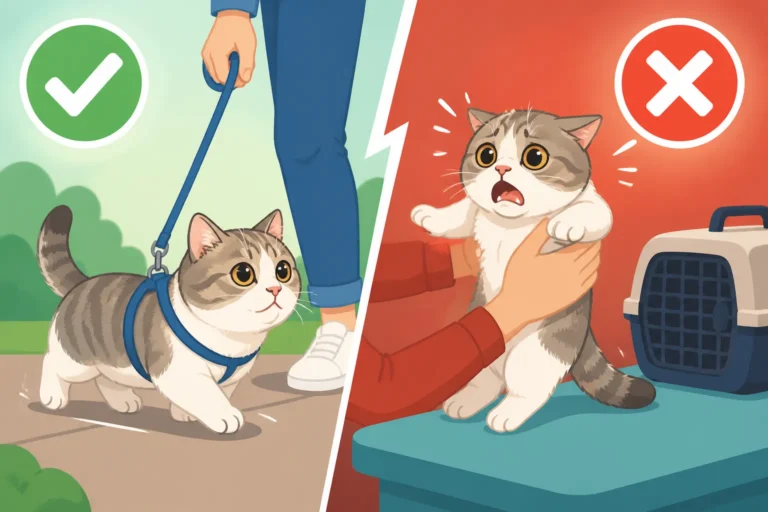
Cats thrive on routine and predictability. If every time you need to lift your Munchkin it involves a chase, an abrupt grab, or a startled reaction, they'll quickly learn to associate being approached with an unpleasant experience. This can lead to them hiding, running away, or becoming wary of your presence, which is the last thing any loving cat owner wants.
By teaching a clear "come" cue followed by a gentle, consistent lift and a positive reward, you're building a predictable pattern. They learn that "come, up!" means a brief, safe elevation, followed by something wonderful (a treat, a cuddle, or placement on a desired perch). This consistency helps them feel secure and makes them more cooperative, strengthening your bond rather than eroding it. It also reduces their overall anxiety around handling, which is a huge win for their quality of life.
The Foundation: Building Trust and Positive Associations
Before you can expect your Munchkin to trot over on command for a lift, you need to lay a solid foundation of trust. This isn't about dominance; it's about creating a partnership where your cat understands that your actions are always in their best interest, especially when it comes to being handled or moved.
Making Your Hands a Source of Good Things
For many cats, hands are for petting, feeding, or sometimes, restraint. We want your Munchkin to primarily associate your hands with positive, desirable outcomes. Start by regularly offering treats from your hand, regardless of whether you plan to lift them. Gently stroke them, give them chin scratches, and let them rub against your legs while you're holding a delicious morsel. You want them to want to come to your hands, not to be wary of them.
This daily reinforcement helps establish a baseline of comfort. When your cat sees your hands, they should think, "Oh, good things are happening!" rather than "Uh oh, what's coming?" This positive association is critical. If your Munchkin is still a bit wary of being picked up, spend extra time on this step. Offer a favourite toy (perhaps a wand toy from Amazon that encourages floor-level play) and engage them playfully, then offer a treat from your hand.
Creating a "Lifting Zone"
Cats are creatures of habit and territory. Designate a specific, comfortable spot in your home where "lifting" will often occur, especially in the early stages of training. This could be a soft mat on the floor, a specific corner of the room, or even just a consistent approach you make. The idea is to make the act of being approached for a lift predictable in terms of location.
For instance, if you always lift them from their favourite resting spot before you go to bed, they'll learn to anticipate it there. When you introduce the "come" command, you can use this familiar "lifting zone" as a starting point. It provides a sense of security and familiarity, reducing their stress. Over time, as they become more comfortable, you can generalise the behaviour to other areas, but having a "home base" for training can be incredibly helpful.
Using High-Value Rewards
When we talk about rewards, we're not just talking about any old kibble. For training something as specific as coming to be lifted, you need high-value treats that your Munchkin absolutely adores. These are the "jackpot" rewards that make them think, "Wow, this is worth it!" This could be small pieces of cooked chicken, salmon, tuna, or special commercially available soft treats.
The key is to use these treats only for this specific training or other high-level commands, so they retain their special appeal. If your cat gets these treats all the time, they lose their motivational power. Keep them tucked away and bring them out specifically for your training sessions. The moment their paws touch your hand or lap for a lift, the reward should appear immediately. This creates a strong, positive link between the action and the delicious outcome. You might even find a selection of high-value training treats on Amazon.
Step-by-Step Training: "Come" for Lifting
Now that we've established trust and positive associations, it's time to put it all together. This process involves breaking down the desired behavior into small, manageable steps, rewarding each successful approximation. Patience and consistency are your best friends here.
Starting with Proximity and Gentle Calls
Begin by simply calling your Munchkin's name when they are already close to you, perhaps just a few feet away. As they look at you or take a step in your direction, immediately say "yes!" or "good!" and offer a high-value treat. Don't even attempt to lift them at this stage; we're just building the connection between their name and a positive response. Repeat this many times in short, frequent sessions.
Once they reliably respond to their name by looking at you or approaching, start adding a simple "come!" command. So it becomes, "[Munchkin's Name], come!" Again, reward immediately for any movement towards you. Gradually increase the distance from which you call them. Start with them in the same room, then from an adjacent room. Remember, they might trot rather than climb, so ensure their path to you is clear. Why a Munchkin Trots After You Rather Than Climbs perfectly describes this characteristic.
| Training Stage | Action to Perform | Reward Strategy |
|---|---|---|
| Initial Call | Call name when nearby (1-2 ft) | Instant high-value treat, verbal praise |
| "Come" Intro | Call name + "come!" when nearby (3-5 ft) | Instant high-value treat, verbal praise |
| Approach Building | Call name + "come!" from increasing distances | Instant high-value treat upon reaching you, praise |
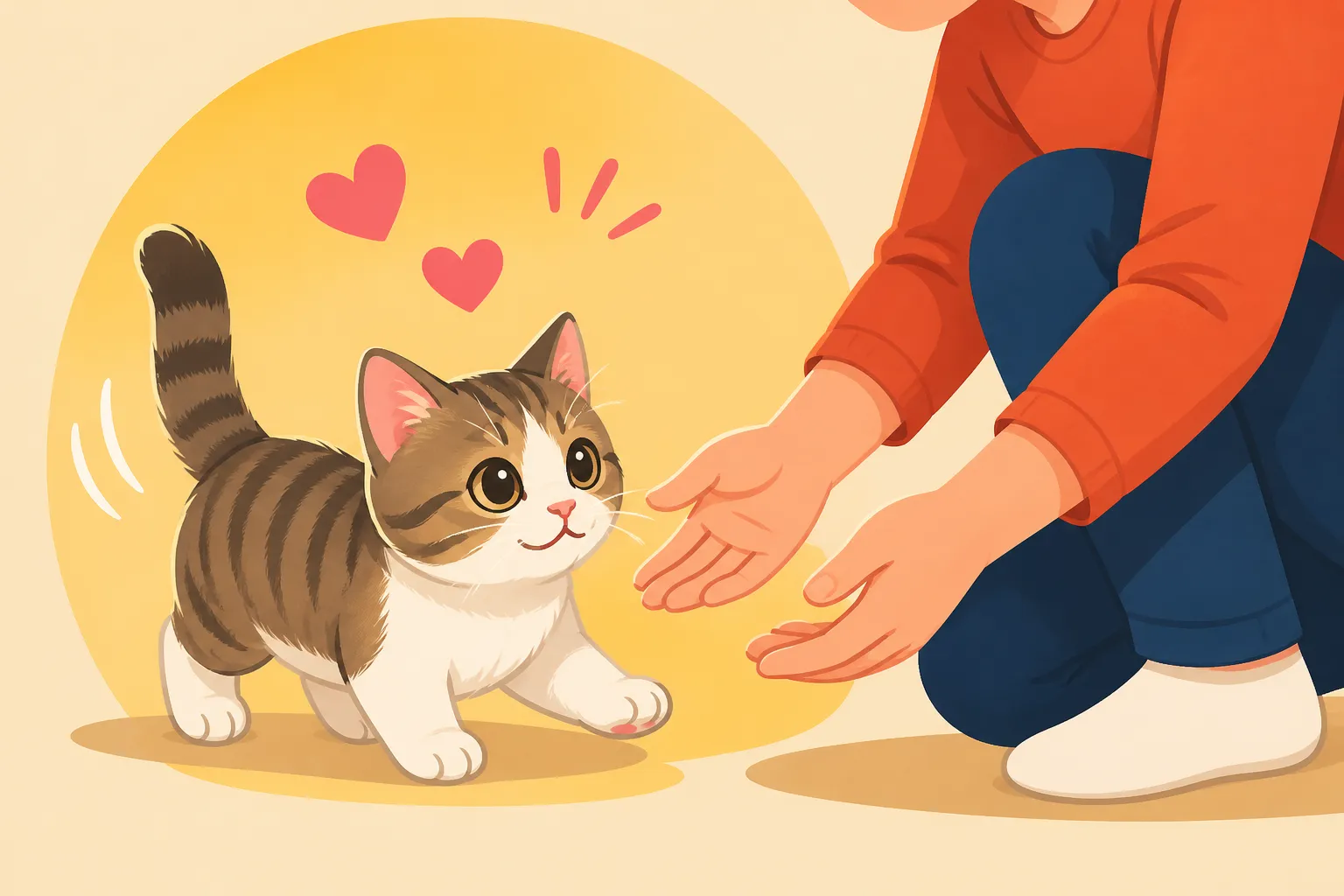
| Hand Target | Call name + "come!" + present hand | Treat offered from hand upon nose/paw touch, praise |
| Gentle Touch | Call name + "come!" + hand target + light touch | Treat given during light touch, praise |
| Pre-Lift Cue | Call name + "come, up!" + hand target + light touch | Treat given for approach and acceptance of touch |
| First Lifts | Call name + "come, up!" + short, gentle lift (1-2 sec) | Treat immediately upon setting down, praise |
| Sustained Lifts | Call name + "come, up!" + longer, gentle lift | Treat immediately upon setting down, praise |
| Generalization | Vary locations, people, and contexts | Continue high-value treats and praise |
Introducing the "Up" Cue
Once your Munchkin consistently comes to you when called, we can add the "up" command. This is where you'll introduce the actual lifting motion. Start by calling them to you as usual. When they arrive, offer a treat from your hand. While they are eating the treat, gently place your hands under their body as if to lift them, but don't actually lift them yet. Give them another treat for calmly accepting your hands. Repeat this several times.
Next, after they come to you and accept your hands, gently lift them just an inch or two off the ground for a second, then immediately set them back down and give them a treat and lavish praise. The goal is to make the lift as brief and gentle as possible initially, linking it directly to the reward. As you get more comfortable, you can gradually increase the height and duration of the lift. Always use your designated "up" cue (e.g., "Up," "Lift," "Scoop"). Remember, How Often a Munchkin Asks to Be Lifted means this will be a frequent interaction, so consistency is vital.
The Full Sequence: Call, Lift, Reward
Now we combine all the steps. Find a time when your Munchkin is relaxed and slightly hungry (making treats more appealing).
- Call: Get your Munchkin's attention and clearly say, "[Munchkin's Name], come! Up!"
- Approach: Wait for them to come towards you. If they hesitate, gently pat your lap or the floor near you to encourage them.
- Lift: As they reach you, smoothly and gently place your hands under their body, supporting their chest and hindquarters, and lift them. Keep the lift brief and secure. How to Lift a Munchkin Correctly goes into detail on safe lifting techniques. Avoid grabbing them by the front legs, as this can be uncomfortable and damaging. Why a Munchkin Should Never Be Held by the Front Legs explains why this is so important.
- Reward: The instant their feet touch down again, give them the high-value treat and enthusiastic praise. You want them to associate the entire sequence – from call to landing – with a positive outcome.
Practice this sequence frequently, but in short bursts. Two to three times per session, a few sessions a day, is often more effective than one long, tedious session. Always end on a positive note, even if it means going back to an easier step they can ace. Remember that How Much a Munchkin Talks When It Wants Lifting – they might even start vocalizing their readiness to be lifted once they understand the game!
Troubleshooting and Advanced Tips for Your Munchkin
Even with the best intentions, training doesn't always go perfectly. There will be days your Munchkin isn't in the mood, or they might seem to forget everything you've taught them. That's perfectly normal! The key is to be patient, consistent, and flexible.
When Your Munchkin is Reluctant
If your Munchkin seems hesitant or actively avoids coming when called for a lift, step back. Revisit the foundational steps. Are your hands truly associated with good things? Are your treats high-value enough? Is the environment calm and free of distractions? Sometimes, a cat might be reluctant because they're feeling unwell, so a quick check-up with your vet might be in order if the resistance is sudden or unusual.
Perhaps they're associating the lift itself with something negative. Ensure your lifts are always gentle and secure. Never drop them or handle them roughly. If they seem to dislike the feeling of being lifted, try supporting their belly more or using a slightly different hand position. Some Munchkins prefer a "scoop" from behind rather than a frontal approach. Always make it a positive experience, even if it means just gently touching them and giving a treat without a full lift for a few sessions.
Generalizing the Behavior
Once your Munchkin is reliably coming for a lift in your designated "lifting zone," it's time to start practicing in other areas of the house. Begin with similar, quiet environments, then gradually introduce more varied locations. Try calling them from a different room, or when they're on a low piece of furniture.
Also, consider having other family members practice the call and lift with the Munchkin, using the same cues and rewards. This helps your cat understand that "come, up!" means the same thing no matter who is saying it. Just make sure everyone is using consistent, gentle techniques. How to Teach a Child to Lift a Munchkin can be particularly helpful if you have kids in the household, ensuring they understand safe handling too. Remember to keep sessions short and fun, reinforcing that a lift is never a scary or unpleasant event.
Maintaining the Skill Over Time
Like any learned behavior, consistency is crucial for long-term retention. Continue to use your "come, up!" cue even after your Munchkin has mastered it. You don't need to give a high-value treat every single time once the behavior is ingrained, but you should still reward them frequently with praise, petting, or a smaller treat. This keeps the association strong.
Regular "check-ins" are also a good idea. Every now and then, practice the full sequence, complete with a high-value treat, to keep the skill sharp. This is especially important as your Munchkin ages, as their mobility might change. An older Munchkin might eventually stop using its ramp, for example, making a reliable lift cue even more vital. Why an Old Munchkin Stops Using Its Ramp highlights why continued adaptation and reliable lifting remain important throughout their lives. Keeping their weight in check is also paramount for their comfort and mobility, so regular check-ins might include visual assessments. You might even want to check their belly fur for mats after they've been in the litter box, an action made much easier with a cooperative kitty. Why a Munchkin's Belly Needs Checking Weekly reminds us of the importance of these practical care steps.
Consistency, patience, and positive reinforcement are the cornerstones of successful Munchkin training. With these techniques, you'll ensure your delightful low-rider is a happy, confident, and safely managed member of your family for many years to come.
Disclaimer
This article is for general informational purposes only and does not constitute professional advice. Laws, prices and regulations vary by location and change over time. Consult a qualified professional for guidance on your specific situation.