Why a Munchkin’s Route to Everything Should Be Mapped
Munchkin cat mobility limitations and short leg skeletal structure explained, detailing horizontal movement, jumping risks, and home routes.
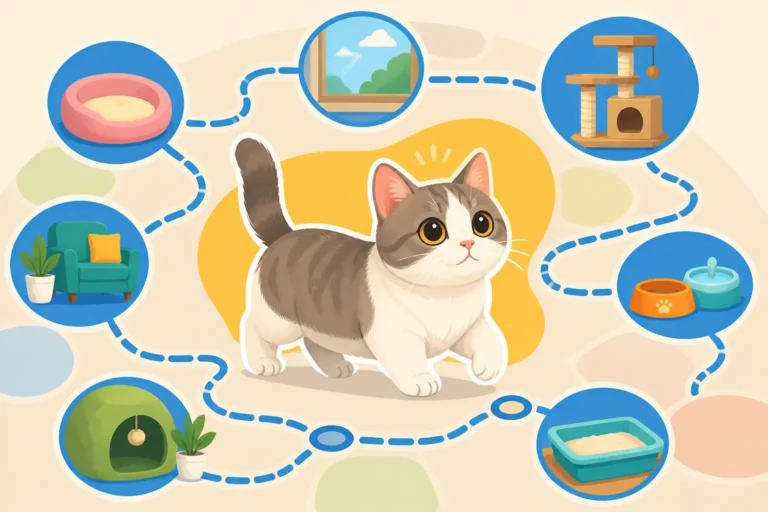
Munchkin cat mobility limitations and short leg skeletal structure explained, detailing horizontal movement, jumping risks, and home routes.
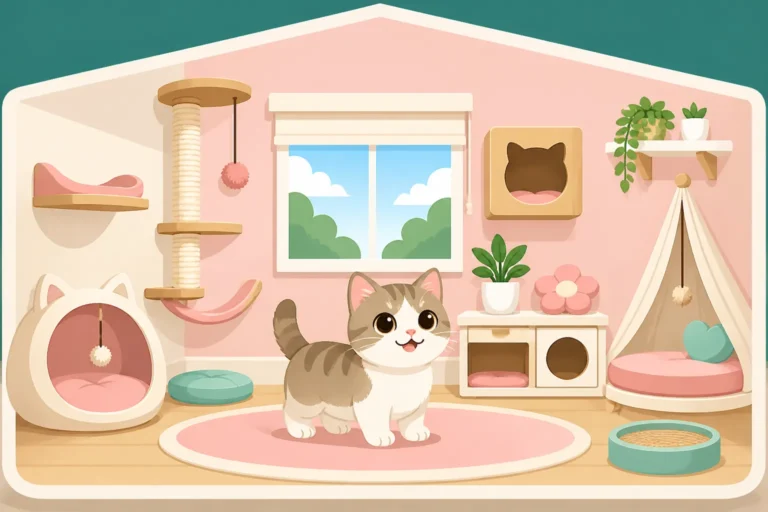
Munchkin cat room design explains how short-legged cats navigate spaces safely without joint strain or dangerous leaps.
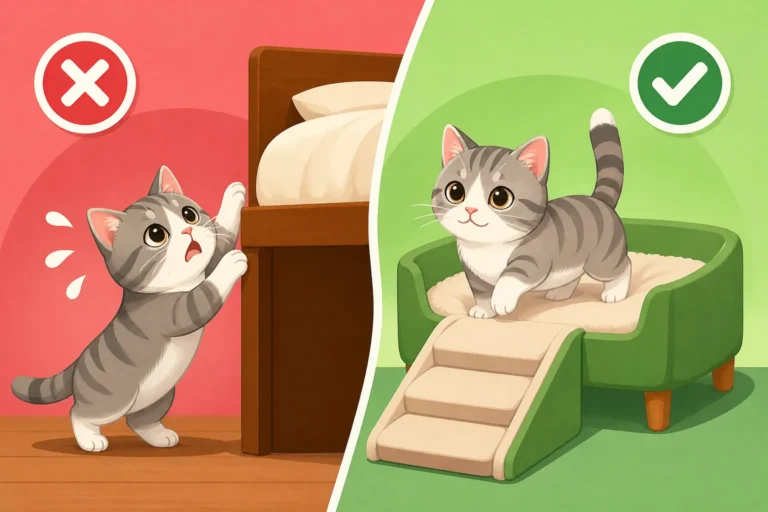
Independent access to sleeping spots reduces stress, protects joint health, and preserves autonomy for short-legged cats.
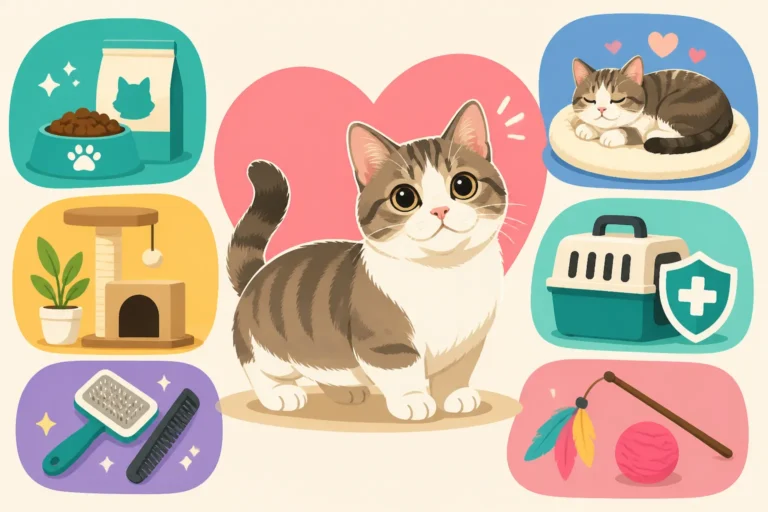
Munchkin cat care involves adapting home environments with ramps and low-entry litter boxes to protect joints.
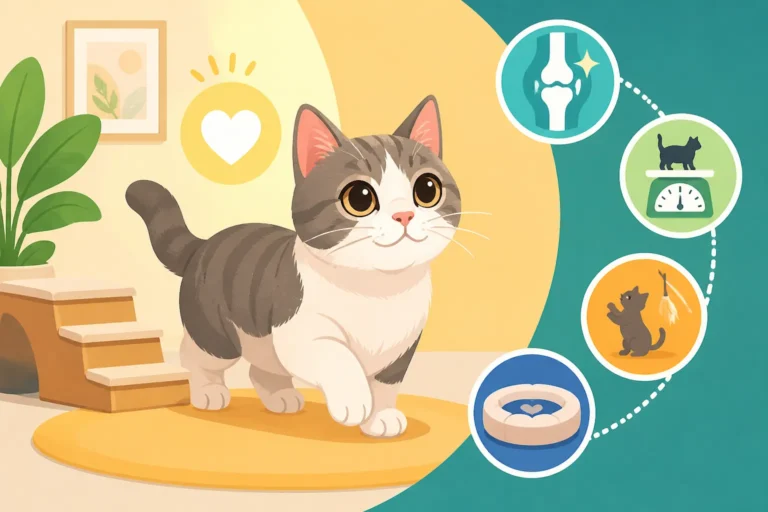
Senior Munchkin cat mobility care explains how aging impacts short legs and joint stress, offering ways to adapt homes for safety.
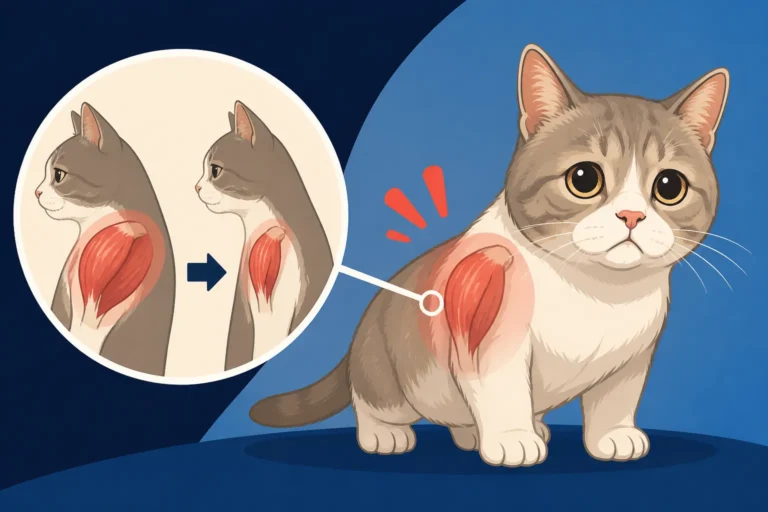
Munchkin cats lose shoulder muscle first because short legs and long bodies create constant physical strain during daily movement.
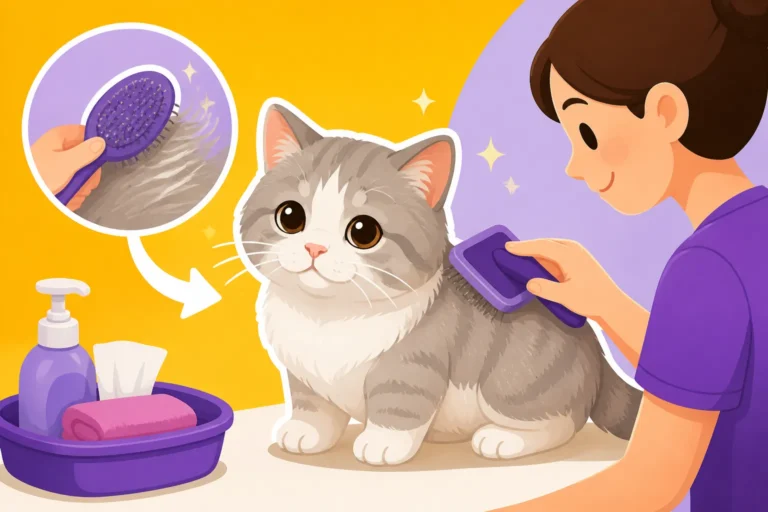
Senior Munchkin cat grooming routines require human help because arthritis and short legs limit flexibility and cause matting.
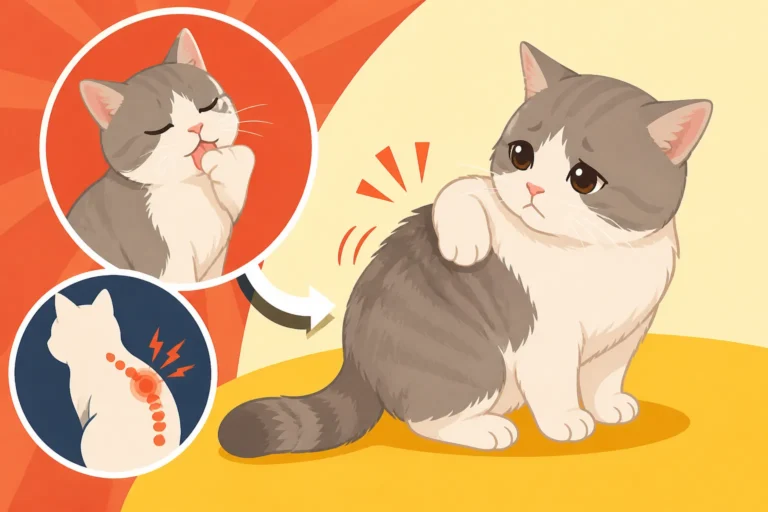
Senior Munchkin cats stop grooming their backs due to short legs, age-related joint stiffness, and decreased flexibility.
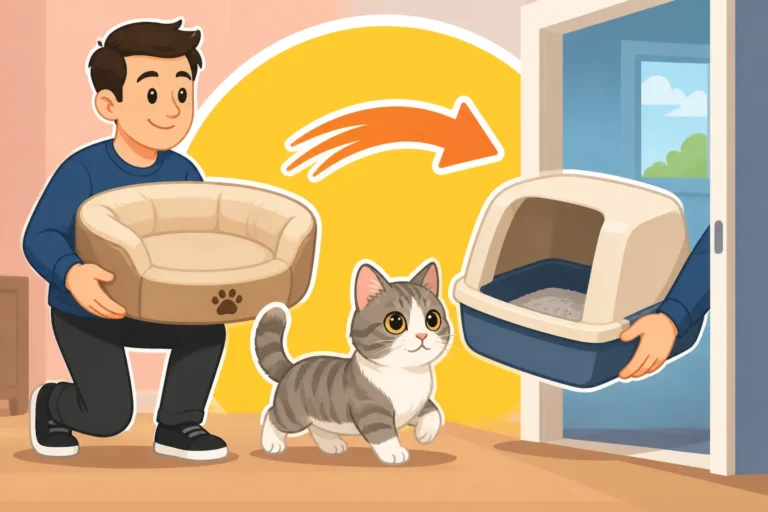
Moving an old Munchkin cat bed and litter box together helps senior cats with arthritis and reduced mobility stay comfortable.
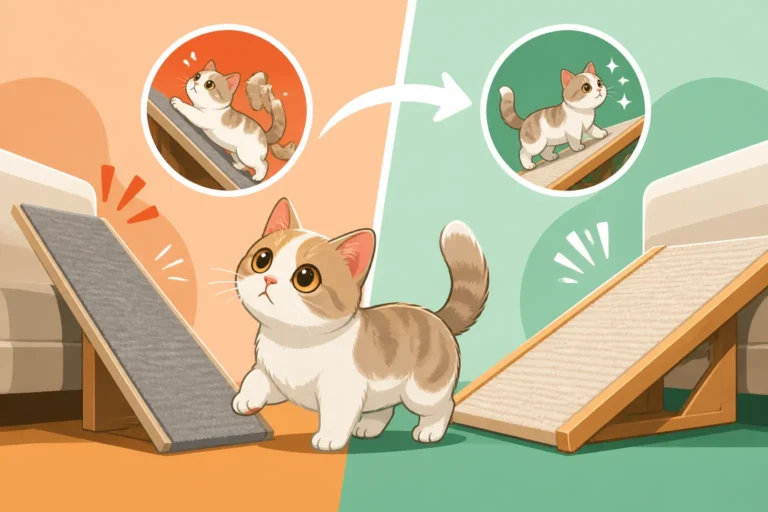
Senior Munchkin cat ramps need regrading because arthritis, decreased muscle strength, and declining balance make steep climbs painful.