Which Studies Exist on Munchkin Health
Munchkin cat health research details the scarce scientific studies and explains why breeders face challenges tracking breed conditions.
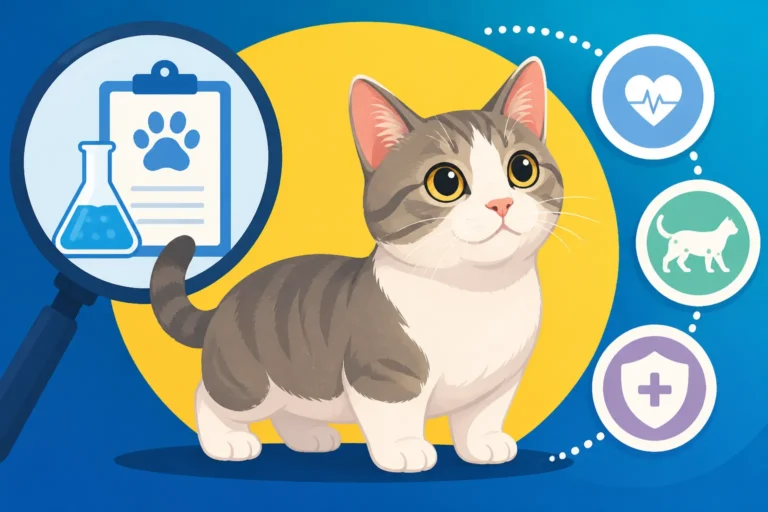
Munchkin cat health research details the scarce scientific studies and explains why breeders face challenges tracking breed conditions.
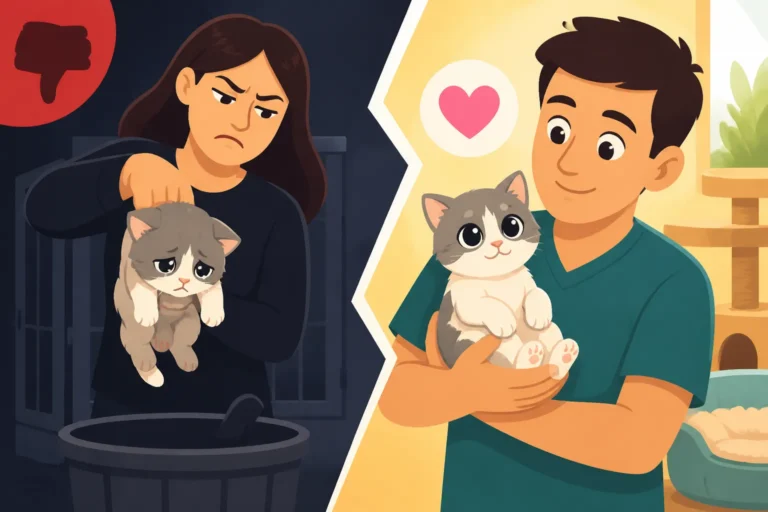
Munchkin breeders managing affected kittens face ethical challenges through early veterinary checks, observing mobility, and monitoring skeletal conditions.
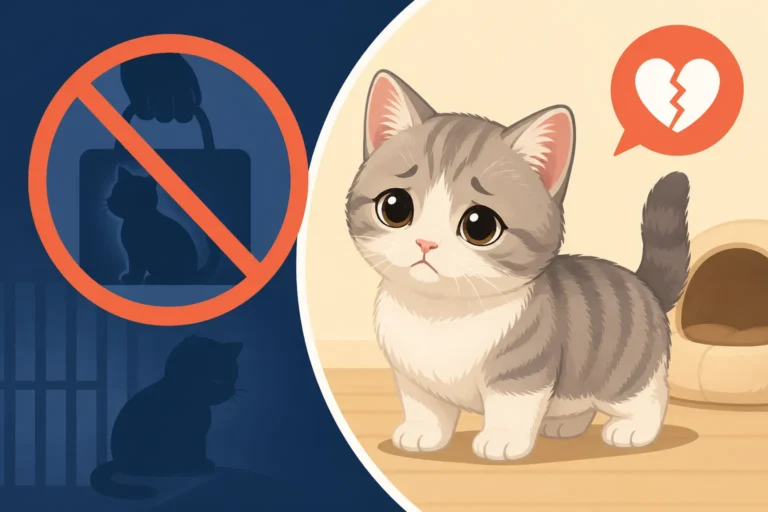
Genetic health issues and lethal gene combinations explain why responsible breeders withhold certain Munchkin kittens from sale.
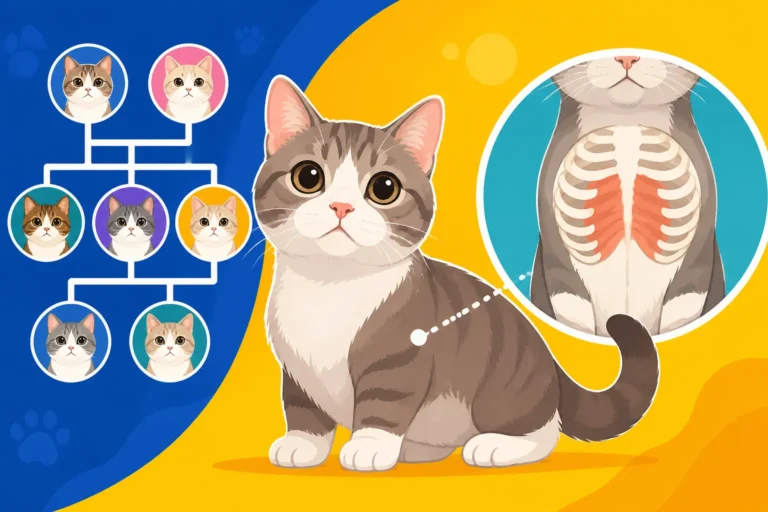
Pectus Excavatum in Munchkin lines, including congenital sternum deformities, causes, and impacts on feline heart and lung function.
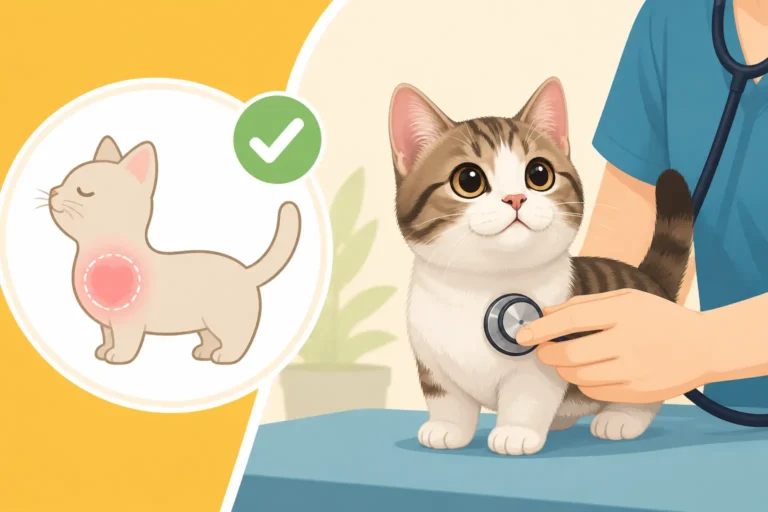
Munchkin kitten chest checks for Pectus Excavatum start with breeder palpation and veterinary visits at eight to twelve weeks.
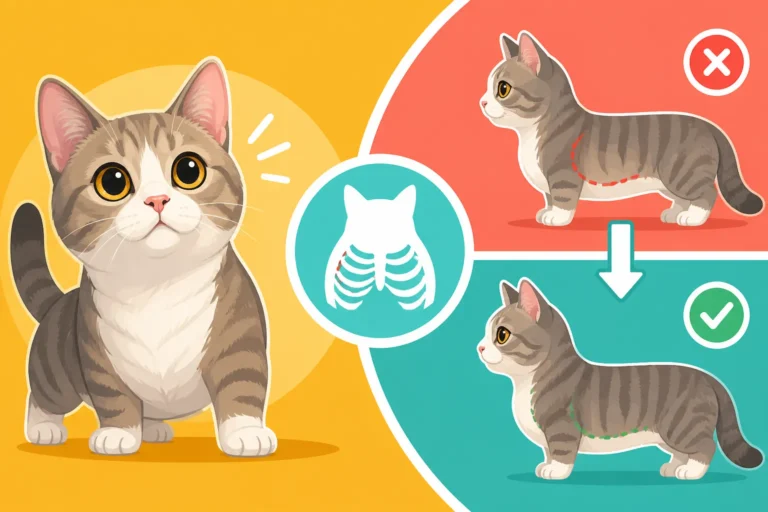
Munchkin cat pectus excavatum surgical options and recovery processes explain how veterinarians correct this sunken chest condition.
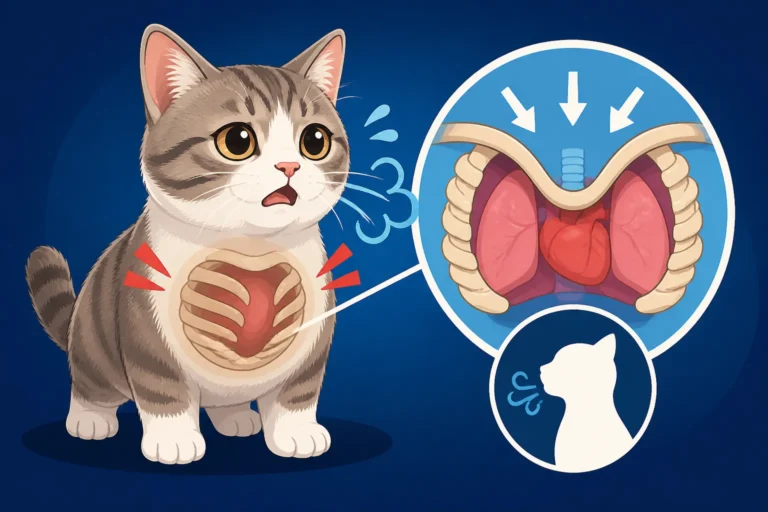
Pectus excavatum is a congenital chest wall deformity in Munchkin cats that compresses the lungs and heart, reducing lung capacity and impairing breathing.
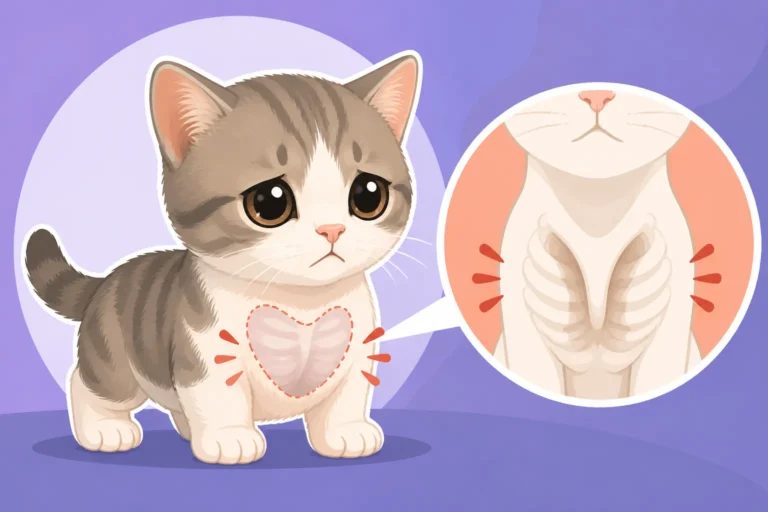
Pectus excavatum in Munchkin kittens causes an inward sternum indentation, unlike the normal smooth, rounded chest wall.
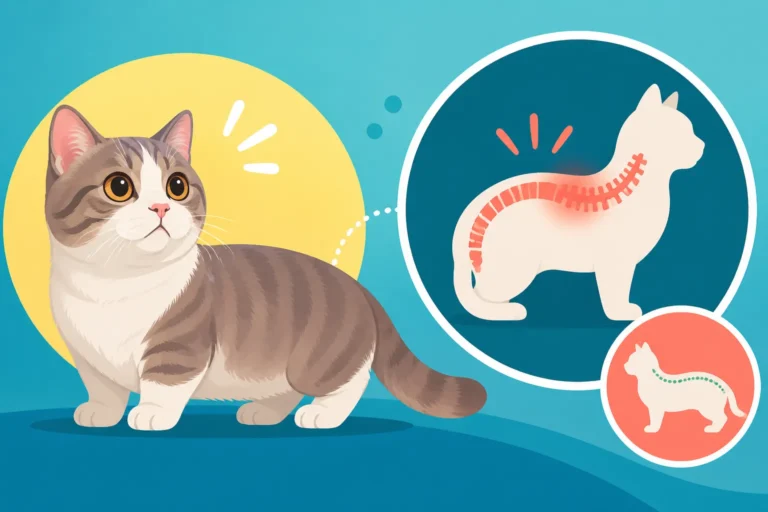
Lordosis prevalence in Munchkin cat lines, spinal curvature details, pseudoachondroplasia genetics, and health impacts are explained.
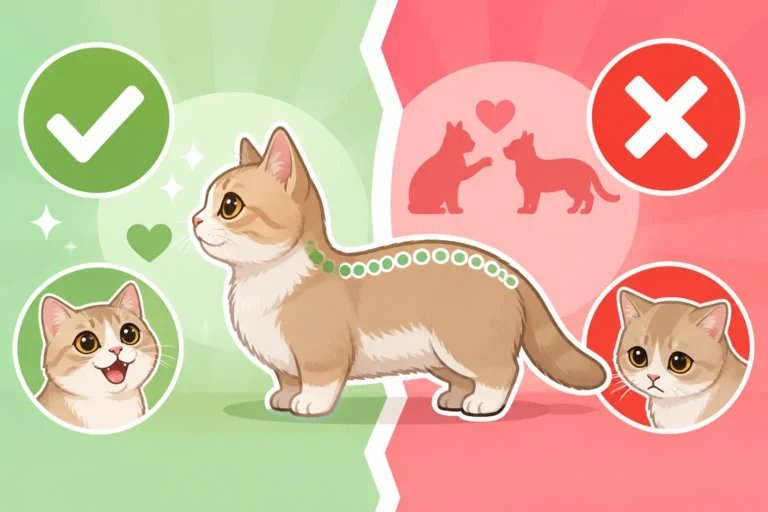
Breeding Munchkin cats diagnosed with mild lordosis involves genetic implications, spinal health concerns, and ethical considerations for owners.