What Cleaning a Munchkin’s Teeth Costs Under Anesthetic
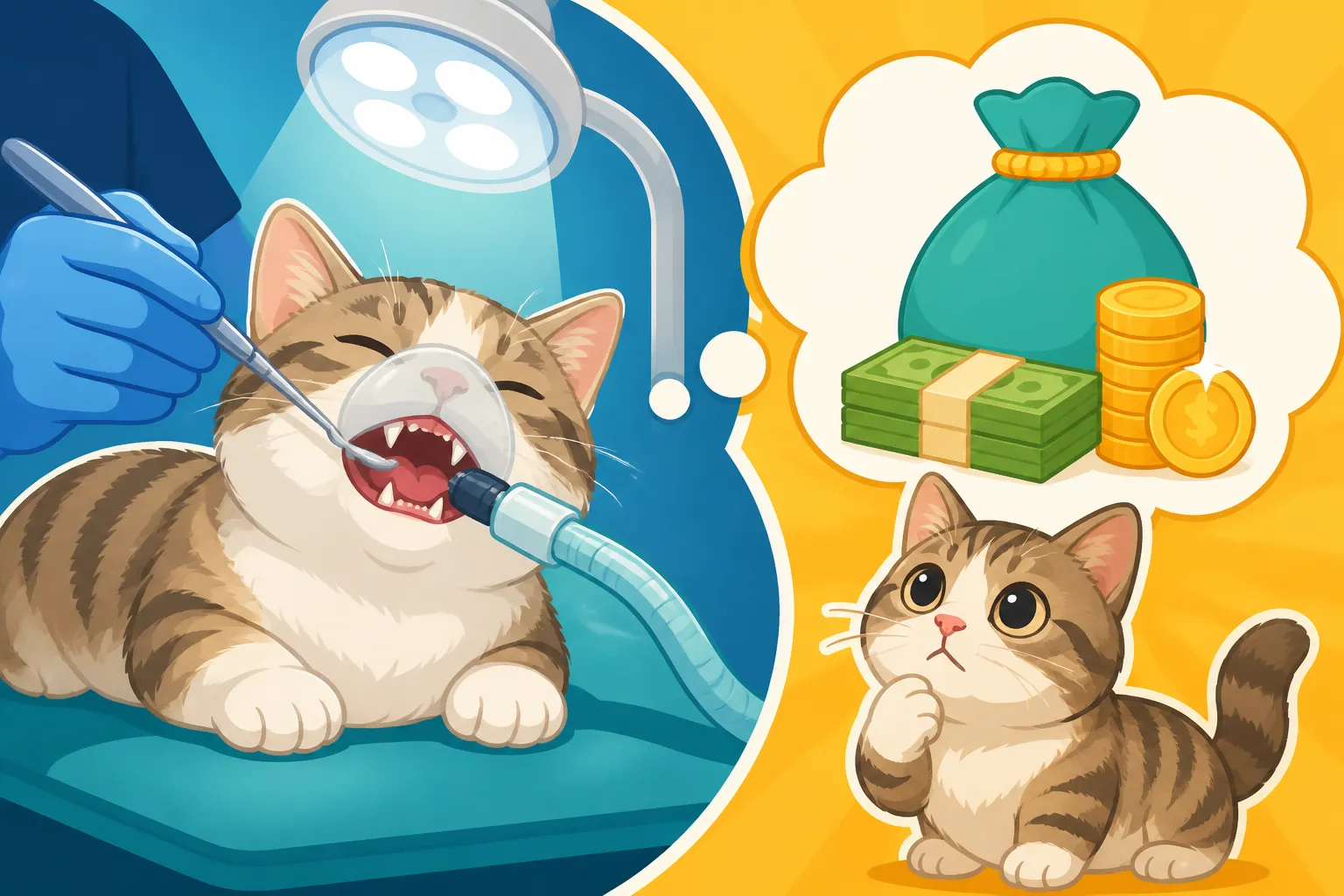
Oh, the dreaded dental cleaning! It’s one of those essential veterinary procedures that often leaves us cat parents scratching our heads and clutching our wallets. You’ve brought home your adorable Munchkin, perhaps captivated by their unique charm, and now you’re realizing that their tiny stature doesn't exempt them from the common (and often costly) health needs of any feline friend. Specifically, the cost of cleaning a Munchkin's teeth under anesthetic is a concern for many, and it's a completely valid one. This guide is here to shed light on exactly what goes into that bill, why it's so important, and how you can manage these essential expenses for your short-legged companion.
Why Anesthetic Dental Cleanings Are Non-Negotiable for Your Munchkin
It’s easy to think of dental cleanings as a luxury, especially when your cat isn't showing obvious signs of pain. But let me tell you, dental disease is a silent, insidious threat that affects an astounding number of cats, Munchkins included. Those little fangs might look innocent, but beneath the surface, a lot can be going wrong.
The Hidden Dangers of Dental Disease in Cats
Cats are masters of disguise when it comes to pain. They won’t complain about a sore tooth or inflamed gums until things are really, truly awful. What starts as a little plaque – that sticky film you can barely see – quickly hardens into tartar. This rough surface is a haven for bacteria, and before you know it, your Munchkin can develop gingivitis, which is inflammation of the gums. If left unchecked, this progresses to periodontitis, where the infection starts to attack the structures supporting the tooth, like the bone and ligaments.
When periodontitis takes hold, it’s not just about bad breath and sore gums anymore. The bacteria from the mouth can enter the bloodstream and travel to major organs, causing serious issues like heart disease, kidney problems, and liver infections. Imagine your tiny Munchkin, already navigating the world on short legs, now battling a systemic infection because of neglected teeth. It's a heartbreaking thought, and entirely preventable. While a Munchkin’s short legs don't directly cause more dental issues than a regular cat, their overall health is just as, if not more, critical to maintain, especially given potential skeletal considerations. Regular dental care is a cornerstone of ensuring your cat enjoys The Twelve to Fifteen Years a Munchkin Usually Gets.
Why Anesthesia is Essential for a Thorough Cleaning
I know, the word "anesthesia" can strike fear into any pet parent's heart. We worry about the risks, the recovery, and of course, the cost. But for a truly effective and humane dental cleaning, general anesthesia is absolutely crucial. Think about it: could you lie perfectly still, mouth open, while someone scrapes sharp tools around your sensitive gums and probes deep into pockets? Neither can your cat. Attempts at "non-anesthetic dentals" often only address the visible surfaces of the teeth and can't thoroughly clean below the gum line where most of the damaging bacteria reside. They also can't allow for essential diagnostics like dental X-rays.
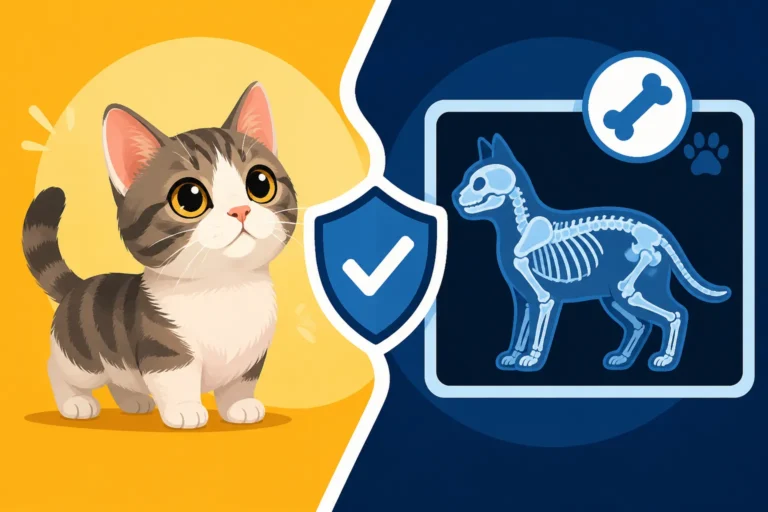
A proper anesthetic dental cleaning involves so much more than just scraping teeth. Your vet will first perform a thorough physical exam and often recommend pre-anesthetic blood tests to ensure your Munchkin is healthy enough for the procedure. During anesthesia, the veterinary team can perform a comprehensive oral exam, scale away all plaque and tartar (above and below the gum line), polish the teeth to smooth surfaces that resist new plaque, and most importantly, take full mouth dental X-rays. These X-rays are non-negotiable because up to two-thirds of dental disease in cats lies under the gum line, completely invisible to the naked eye. Without X-rays, painful root abscesses, bone loss, and resorptive lesions could be missed, leaving your cat in silent agony. If extractions are needed, these can be performed safely and painlessly while your cat is unconscious, followed by appropriate pain management. It truly is the only way to ensure a complete, effective, and stress-free dental care experience for your beloved Munchkin.
Breaking Down the Costs: What You're Really Paying For
When you receive that estimate for a dental cleaning, it can look daunting. It’s not just a single fee for "cleaning." Instead, it's a culmination of highly specialized care, state-of-the-art equipment, and the dedicated time of skilled veterinary professionals. Understanding what each line item covers can help you appreciate the value you're receiving.
Pre-Anesthetic Work-up and Anesthesia Monitoring
Before your Munchkin even sniffs the anesthetic, a lot of work goes into ensuring their safety. First up are those crucial pre-anesthetic blood tests. These typically include a complete blood count (CBC) to check for infection or anemia, and a chemistry panel to assess organ function, especially the liver and kidneys, which process and eliminate anesthetic drugs. These tests help the vet tailor the anesthesia protocol specifically for your cat and flag any underlying issues that could increase risk. For older Munchkins, or those with known health concerns, even more extensive tests might be necessary, and this is why a thorough Which Blood Panel a Munchkin Should Have Yearly is so important.
Once your Munchkin is deemed ready, they'll receive an intravenous (IV) catheter, which allows for direct administration of medications and IV fluids. These fluids are critical for maintaining blood pressure and supporting organ function during anesthesia. Then comes the anesthesia itself – a carefully calculated combination of sedative and anesthetic drugs, administered and maintained by a skilled technician or veterinarian. Throughout the entire procedure, your Munchkin will be continuously monitored using specialized equipment, similar to what's used in human hospitals. This includes an ECG to track heart activity, a pulse oximeter for oxygen levels, blood pressure monitors, and temperature probes. A dedicated team member will be constantly adjusting anesthetic depth and vital signs, ensuring your cat's comfort and safety. This intensive level of care, from initial screening to constant vigilance during the procedure, accounts for a significant portion of the overall cost.
The Dental Procedure Itself: Scaling, Polishing, and Imaging
This is the part everyone typically thinks of when they imagine a dental cleaning – the actual removal of tartar and polishing of teeth. Using an ultrasonic scaler, the veterinary team will meticulously remove plaque and tartar from every tooth surface, both above and below the gum line. This is followed by hand scaling for precision cleaning in tight spaces. Then, each tooth is polished with a special paste, smoothing out any microscopic imperfections that could attract new plaque.
However, the real game-changer in modern veterinary dentistry, and a significant cost factor, is dental radiography, or X-rays. As I mentioned, without these, you're missing the majority of potential problems. A full-mouth series of dental X-rays allows the vet to assess the health of the tooth roots, the surrounding bone, and identify issues like painful tooth resorption, abscesses, or unerupted teeth that are impossible to see visually. Each X-ray image needs to be taken with precise positioning and interpreted by the vet, adding to the time and expertise required.
Should any teeth be too severely diseased or painful to save, extractions will be performed. This is where costs can really start to climb. Simple extractions might be relatively quick, but fractured teeth, deeply rooted molars, or those with significant bone loss can require surgical extraction, involving cutting gum tissue, removing bone, and then suturing the site. Each extraction, especially complex ones, takes considerable skill, time, and additional anesthetic time, directly impacting the final bill.
Post-Procedure Care and Medications
The care doesn't stop once the cleaning is done. After waking up from anesthesia, your Munchkin will be carefully monitored as they recover. They'll need a warm, quiet space and close observation to ensure they're alert and comfortable. Any pain management, such as long-acting injectables, will be administered before they go home.
You'll typically leave the clinic with an array of medications. This might include oral pain medication to keep your Munchkin comfortable for a few days, antibiotics if there were significant infections or extractions, and possibly anti-inflammatory drugs. The cost of these medications is factored into your bill. Your vet will also provide detailed instructions for at-home care, including dietary recommendations (soft food for a few days, especially after extractions) and advice on restarting or beginning a home dental care routine. This comprehensive post-procedure plan ensures a smooth recovery and sets the stage for healthier oral habits moving forward, extending the time before the next professional cleaning is needed.
Managing and Mitigating Dental Costs for Your Munchkin
The cost of an anesthetic dental cleaning might feel like a big bite, but there are definitely ways you can manage these expenses and even reduce the frequency of needing extensive procedures. It's all about being proactive and establishing good habits from the start.
The Power of Proactive Home Dental Care
This is, without a doubt, your biggest weapon against hefty dental bills. The single most effective thing you can do at home is daily tooth brushing. Yes, it sounds crazy, but cats can be trained to tolerate it, especially if you start when they're kittens. Using a cat-specific toothbrush and enzymatic toothpaste (never human toothpaste!), gentle brushing helps remove plaque before it hardens into tartar. Even if you can only manage a few seconds on the outer surfaces of their teeth, it makes a huge difference. For practical tips, check out Introducing a Toothbrush to a Munchkin at Twelve Weeks.
Beyond brushing, there are other tools in your arsenal. Dental diets, like those recommended by your vet or found through trusted retailers like Chewy, are formulated with special kibble shapes and textures designed to scrub teeth as your cat chews. There are also dental treats that have a similar effect, or water additives that help reduce bacteria in the mouth. While these don't replace brushing or professional cleanings, they certainly help slow down plaque accumulation. Remember, the goal is to prevent disease, so you don't have to treat advanced stages later. The better your home care, the less intense (and less expensive) those professional cleanings will need to be over your Munchkin's lifetime.
Pet Insurance and Wellness Plans
Let's be realistic: even with the best home care, most cats will need professional dental cleanings at some point in their lives, often annually or every few years. This is where pet insurance can be a real lifeline. Companies like Healthy Paws offer policies that, depending on the plan, can cover a percentage of the costs for unexpected dental procedures like extractions due to injury or disease. Some higher-tier wellness plans, often offered directly through veterinary clinics or as add-ons to insurance, might even include routine cleanings.
It's crucial to understand the specifics of any policy. Most pet insurance plans won't cover routine cleanings unless it's explicitly part of a wellness add-on, and they almost never cover pre-existing conditions. This means if your Munchkin already has significant dental disease when you enroll, those specific issues might be excluded. The key is to enroll when your cat is young and healthy, ideally before any dental problems are noted in their medical history. While pet insurance can't erase all costs, it can significantly ease the financial burden of unexpected health issues, which can include complex dental surgeries. Thinking about these long-term costs is a smart move for any pet parent, just like considering What a Munchkin Costs Over Thirteen Years.
Comparing Veterinary Clinics and Getting Estimates
Veterinary prices, like human healthcare costs, can vary wildly depending on your location, the type of clinic (e.g., small independent practice versus large multi-doctor hospital), and the level of technology and services they offer. Don't be shy about calling around to several local veterinary clinics and asking for a detailed, written estimate for a routine dental cleaning under anesthesia for a cat.
When you compare estimates, make sure you're comparing apples to apples. Does the estimate include pre-anesthetic blood work? IV fluids? Full mouth dental X-rays? Anesthesia monitoring? Pain medication to go home? A clinic offering a significantly lower price might be cutting corners on some of these vital safety and diagnostic measures. It’s important to prioritize your Munchkin's health and safety over just the lowest price. Ask questions about their anesthesia protocols, the experience of their staff, and what their post-operative care looks like. Building a strong, trusting relationship with a veterinary clinic that prioritizes comprehensive, safe care for your Munchkin is invaluable, even if it means paying a little more. After all, a healthy, pain-free cat is worth every penny.
Factors Influencing Munchkin Dental Cleaning Costs
| Factor | Impact on Cost | Details |
|---|---|---|
| Geographic Location | Varies significantly (urban vs. rural) | Costs are generally higher in metropolitan areas or regions with higher living expenses. |
| Clinic Type | Higher at specialty/emergency clinics, lower at general practice | Emergency or referral clinics often have higher overheads and specialized equipment, leading to increased costs. |
| Cat's Age & Health | Older or sicker cats may cost more | Requires more extensive pre-anesthetic testing, specialized anesthetic protocols, and potentially longer monitoring. When a Munchkin Counts as Senior dental care often requires more. |
| Severity of Disease | Mild gingivitis vs. advanced periodontitis | Extensive scaling, numerous extractions, and complex surgical procedures significantly increase time and material costs. |
| Inclusion of X-rays | Adds to cost, but essential for thorough diagnosis | Dental X-rays reveal subgingival issues; clinics not offering them may have lower initial costs but provide incomplete care. |
| Medications | Included in final bill | Pain relief, antibiotics, and anti-inflammatories post-procedure are necessary for comfort and healing. |
| Anesthesia Monitoring | Comprehensive monitoring increases cost | ECG, blood pressure, oxygen saturation, temperature monitoring, and dedicated personnel ensure safety during the procedure. |
| Home Care Compliance | Good home care reduces frequency of cleanings | Regular brushing and dental products can extend the time between professional cleanings, saving money long-term. |
Disclaimer
This article is for general informational purposes only and does not constitute professional advice. Laws, prices and regulations vary by location and change over time. Consult a qualified professional for guidance on your specific situation.