Whether a Munchkin’s Bowls Should Be Raised
It's a common question among cat owners, and for good reason: should your cat's food and water bowls be raised off the floor? For many breeds, the answer might be a simple preference or even a "no." But when you share your home with a delightful Munchkin cat, their unique physique throws a wonderfully whiskered curveball into the mix. This guide will help you understand whether raised bowls are truly beneficial for your short-legged companion, ensuring their comfort and long-term health.
Understanding the Munchkin's Unique Anatomy
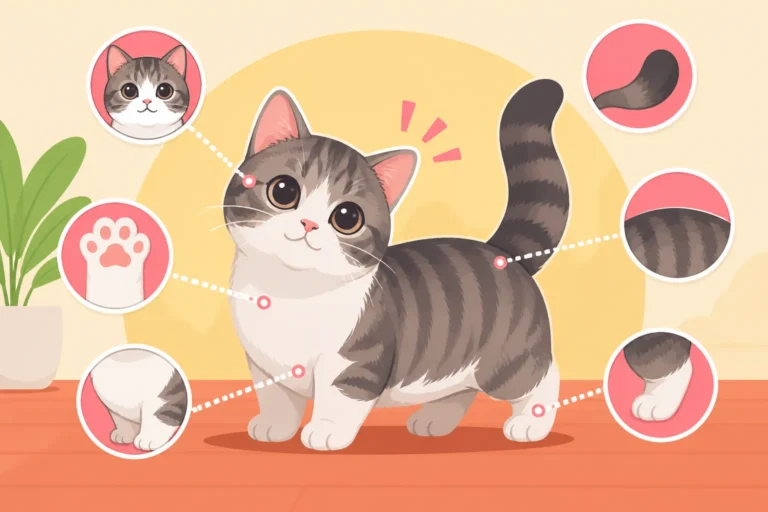
Let's start by truly appreciating what makes a Munchkin cat so distinctive. It’s not just about cuteness; it’s about a very specific genetic trait that affects their physical structure. Unlike some other forms of dwarfism, Munchkin cats have a condition called pseudoachondroplasia, which means their long bones (like those in their legs) are significantly shortened. Their spine and body length, however, are typically normal. This is a crucial distinction when we talk about everything from their movement to their eating habits.
Short Legs, Normal Spine
Imagine a regular-sized cat’s torso, its rib cage, its internal organs, all perfectly proportioned – and then attach short, sturdy legs to it. That’s essentially your Munchkin. Their spinal column is generally not shortened or compressed, but it sits much closer to the ground than in a long-legged cat. This means their posture for everyday activities, including eating, is inherently different. They aren't 'dwarfed' in the trunk, only in the extremities. This difference is what truly underpins most of the unique care requirements for this wonderful breed. If you've ever wondered Why a Munchkin's Legs Are Short but Its Body Is Not, this is the key.
When a Munchkin approaches a bowl on the floor, they have to bend their neck and dip their chest much further down than a standard cat would. Their front legs might splay slightly or they might adopt a rather hunched posture to get their mouth to the food. This isn't just a quirky pose; it can translate into sustained pressure on their neck and shoulders. Over time, this repeated strain, even if subtle, can contribute to discomfort or even accelerate wear and tear on these joints.
Impact on Feeding Posture
The way a Munchkin has to contort itself to eat from a floor-level bowl can look endearing, but we need to consider the long-term implications. Think about how you'd feel if you had to eat every single meal with your chin practically touching your knees. Not very comfortable, right? For a Munchkin, whose chest is already so low to the ground, a floor-level bowl often means an extreme downward angle of the neck and a slumping of the shoulders.
This kind of sustained unnatural posture during meal times isn't ideal. It can put undue stress on the cervical vertebrae (the bones in the neck) and the shoulder joints. While Munchkins are remarkably agile and adaptable despite their short legs, we, as their caregivers, have a responsibility to minimize any potential strain on their unique anatomy. Providing an appropriate eating setup is one of the easiest ways to mitigate this.
The Benefits of Raised Bowls for Cats
Raised bowls aren't a new concept in the pet world. Many cat and dog owners choose them for a variety of reasons, often citing benefits like improved digestion or reduced strain. However, it's important to differentiate between the general benefits for all cats and the specific advantages for a Munchkin.
Digestive Advantages
For some cats, particularly older ones or those with certain medical conditions, raised bowls are thought to aid digestion. The theory is that keeping the head and neck in a more natural, aligned position while eating can facilitate easier swallowing and reduce the likelihood of regurgitation or indigestion. If a cat is constantly bending over, the esophagus might not be perfectly straight, potentially hindering the smooth passage of food to the stomach.
While this benefit is often more pronounced in very large or tall breeds that have a long way to bend, it still holds some relevance for Munchkins. Even though their body is closer to the ground, an uncomfortably bent neck can still make swallowing less efficient. A slightly elevated bowl can help maintain a more neutral alignment of their neck and throat, making mealtime a smoother, more comfortable process for their digestive system.
Neck and Joint Strain in Other Breeds
You'll often hear about raised bowls being recommended for large dogs, like Great Danes or German Shepherds, to prevent neck strain, or for senior pets with arthritis. The logic is clear: a tall animal has to stoop considerably to reach a floor-level bowl, putting considerable stress on their neck and spine. Similarly, an older pet with stiff joints will find it much easier to eat without having to bend down excessively.
This principle translates directly to the Munchkin, albeit for different reasons than a giant breed. Instead of preventing strain from reaching too far down, a raised bowl for a Munchkin prevents strain from bending too sharply. Their legs are short, which means their spine is carrying its Why a Munchkin's Spine Carries a Load a Normal Cat's Does Not closer to the floor. Any way we can ease the physical burden during routine activities, like eating, is a positive step. Providing a raised bowl helps them maintain a more neutral spinal alignment, reducing the constant low-level strain on their neck and shoulder joints. This preventative measure can be incredibly valuable over their lifespan.
How These Apply to Munchkins
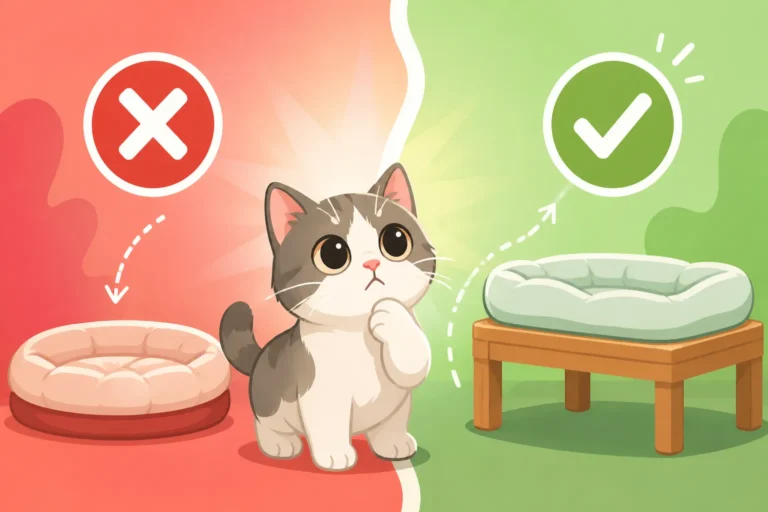
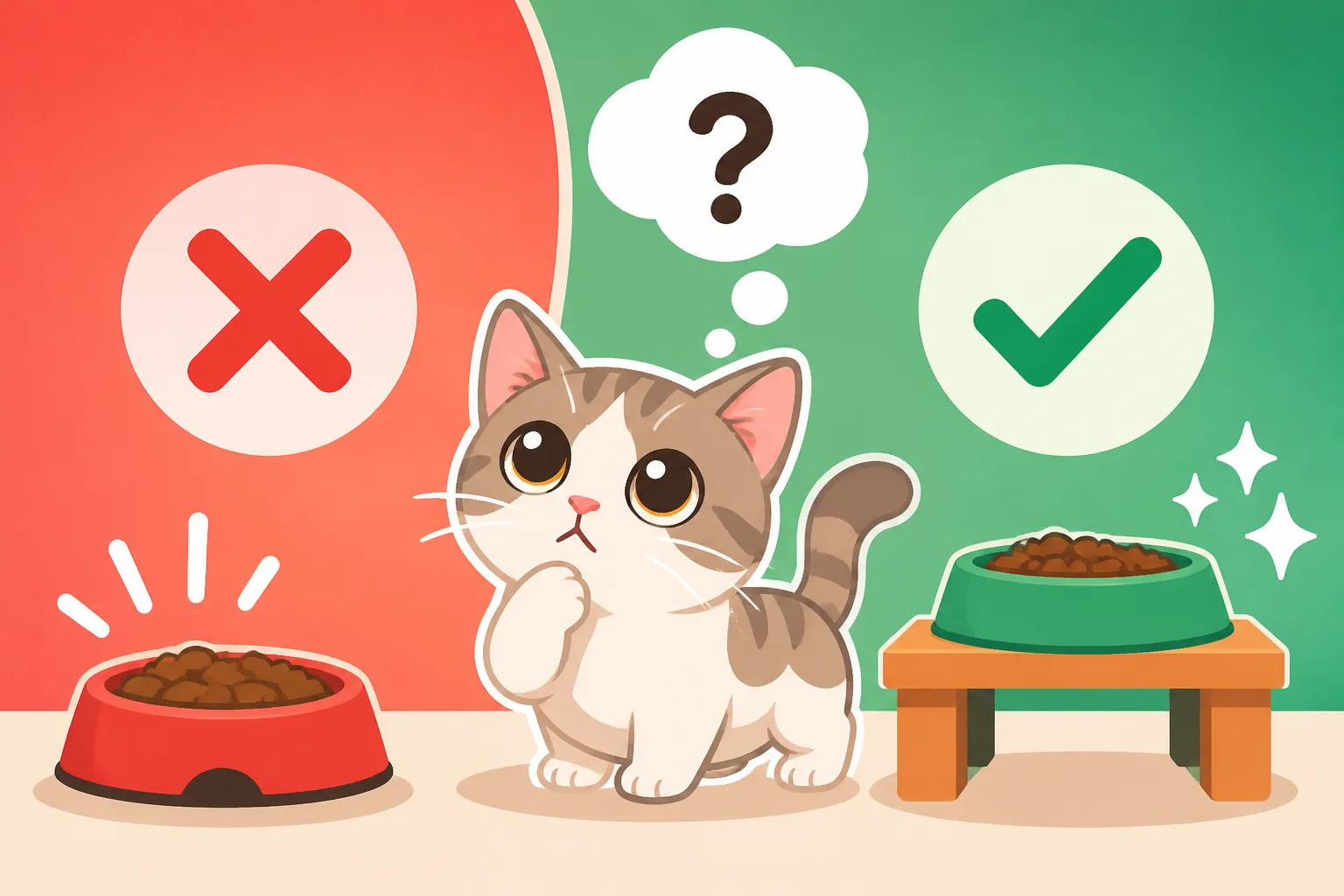
The key difference for Munchkins isn't about reaching down from a great height, but about alleviating the severe angle their neck and shoulders are forced into when eating from the floor. A bowl that's too high would be just as detrimental as one that's too low, forcing them to stretch upwards uncomfortably. What Munchkins truly benefit from is a slightly raised bowl.
The ideal height allows them to stand on all four paws with their back relatively straight, their head slightly lowered, and their neck in a comfortable, natural position without hunching or straining. This isn't about lifting their head dramatically but about subtly bringing the food to their level, rather than forcing them to meet the floor's level. This small adjustment can make a world of difference in reducing daily wear and tear on their joints and spine. In fact, many owners report that their Munchkins appear more relaxed and take longer, more comfortable meals once their bowls are appropriately elevated. Why a Raised Bowl Eases a Munchkin's Shoulders is something every Munchkin owner should consider.
Potential Downsides of Incorrect Bowl Placement
While the intention behind choosing raised bowls is usually good, getting the height wrong can inadvertently create new problems for your Munchkin. It's a delicate balance, and understanding the potential pitfalls helps us make the best choices for our little friends.
Straining to Reach
Just as bowls that are too low can cause a Munchkin to hunch, bowls that are too high present their own set of challenges. If the elevated feeder lifts the bowl to a height where your Munchkin has to stretch their neck upwards or even stand on their hind legs to reach their food, then it's no longer a benefit. This upward straining can put significant stress on their neck, shoulders, and even their spine. It defeats the entire purpose of an ergonomic feeding station.
Cats, by nature, prefer to eat with their paws on the ground, feeling secure. Being forced to stretch or stand on hind legs can make them feel vulnerable and uncomfortable during mealtime, potentially leading to anxiety around food, or even a reluctance to eat if the effort becomes too great. When selecting a raised bowl, observe your Munchkin closely. Their posture should be relaxed, with all four paws firmly planted.
Over-Arching and Spinal Stress
When a Munchkin is forced to stretch upward for a bowl that’s too high, they often over-arch their back and extend their neck unnaturally. This isn't just uncomfortable in the moment; repeated over-arching can contribute to stress on their spinal column. While Munchkins generally have normal length spines, the unique mechanics of their short legs mean their spine is already under a particular kind of load. Adding unnecessary strain from an incorrect feeding posture is something we want to avoid.
Moreover, if they are stretching upwards, it's possible their body weight isn't distributed evenly, leading to unstable footing. This can be especially problematic for a breed that might have underlying predispositions, even if rare, to spinal issues like lordosis. Ensuring their spine is kept in as neutral a position as possible during all daily activities is a cornerstone of Munchkin care.
Hygiene Challenges
Another often-overlooked aspect of bowl placement, particularly for Munchkins, is hygiene. Their low stature means their chest, belly, and chin are naturally closer to the ground and, therefore, closer to their bowls. If food and water bowls are placed directly on the floor, especially if they are shallow, a Munchkin's long chest fur (if they are long-haired) or even their chin can easily dip into the food or water while they're eating.
This doesn't just create a mess; it can lead to health issues. Constantly wet or food-encrusted fur can become a breeding ground for bacteria or yeast, potentially leading to skin irritation, matting, and infections. Keeping their eating area clean is paramount, and a slightly raised bowl can help reduce this direct contact. It ensures their adorable low-slung bodies stay cleaner during mealtime, reducing the need for constant wiping or the risk of matted fur around their chest and chin area. This is a small but significant detail in their overall care routine.
Ideal Bowl Height and Design for a Munchkin
So, what's the sweet spot? Finding the right raised bowl for your Munchkin cat isn't about arbitrary height but about observing your individual cat and choosing a design that prioritizes comfort and stability. It's less about a one-size-fits-all measurement and more about creating an ergonomic dining experience.
Finding the "Just Right" Height
The goal is to find a height where your Munchkin can eat or drink without having to bend their neck sharply downwards or stretch uncomfortably upwards. They should be able to stand squarely on all four paws with their back relatively flat and their head gently lowered to reach the food. For most adult Munchkins, this often means a bowl that is raised approximately 2 to 4 inches off the ground.
To figure out the perfect height for your cat, observe them. When they stand relaxed on the floor, where does their chest naturally sit? You want the rim of the bowl to be roughly at that height, or perhaps just a touch lower, allowing for a slight, natural dip of the head. You can experiment with placing books or sturdy blocks under their current bowls to test different heights. Watch for a relaxed posture, steady breathing, and easy chewing. If you notice any strain, adjust the height. Many pet supply stores, including large online retailers like Chewy or Amazon, offer a variety of adjustable elevated feeders, allowing you to fine-tune the height.
| Feature | Benefit for Munchkins | What to Look For |
|---|---|---|
| Height | Reduces neck/shoulder strain, promotes neutral spine. | Adjustable feeders (2-4 inches usually ideal). |
| Stability | Prevents tipping, enhances feeling of security. | Non-slip bases, sturdy stands, heavier materials. |
| Material | Hygienic, easy to clean. | Stainless steel, ceramic. Avoid plastic where possible. |
| Depth | Prevents whisker fatigue and keeps face clean. | Shallow, wide bowls. |
| Non-slip Base | Essential to prevent pushing the bowl around. | Rubber feet or silicone mats under stand and bowls. |
Materials and Stability
Beyond height, the materials and stability of the feeder are paramount. When it comes to materials, stainless steel and ceramic bowls are generally the best choices for cats. They are non-porous, easy to clean, and less likely to harbor bacteria than plastic. Some cats can also develop sensitivities to plastic, leading to chin acne. Regardless of the material, ensure the bowls are food-grade and free from harmful chemicals.
Stability is non-negotiable. A wobbly or easily tipped feeder is not only messy but can be frightening for your cat, making them hesitant to approach. Look for feeders with a wide, heavy base, or non-slip rubber feet. Some designs incorporate a heavier stand or individual bowl holders that securely cradle the bowls. Your Munchkin should feel completely secure and relaxed while eating, without any concern that their meal will suddenly shift or tip over.
Features to Look For
When you're browsing for that perfect raised bowl setup, consider a few additional features that can enhance your Munchkin's mealtime experience. Firstly, look for bowls that are relatively shallow and wide. This design helps prevent "whisker fatigue," a phenomenon where a cat's sensitive whiskers repeatedly brush against the sides of a deep bowl, causing discomfort. Wide, shallow bowls also make it easier for their short faces to access food without strain.
Secondly, consider integrated designs. Some elevated feeders come with two bowls – one for food and one for water – set into a single, sturdy platform. This ensures consistency in height for both essentials. Finally, ease of cleaning is a big one. Can the bowls be easily removed from the stand for washing? Are they dishwasher safe? A feeder that’s simple to keep sparkling clean will contribute to your Munchkin’s overall health and hygiene. Many brands focus on these practical elements, making the shopping experience more straightforward than it might seem at first.
Beyond the Bowl: Holistic Considerations for Munchkin Feeding
While the discussion around raised bowls focuses on immediate comfort and reducing physical strain, it’s just one piece of a larger puzzle. A Munchkin's diet, weight, and overall feeding environment play equally crucial roles in their long-term health and well-being. Thinking holistically ensures that we're addressing all aspects of their unique needs.
Calorie Control and Weight
This cannot be stressed enough: weight control is absolutely paramount for a Munchkin cat. Their short legs are not designed to carry excess weight, and every extra gram puts undue stress on their joints and spine. Why Weight Is More Dangerous on a Munchkin is a serious consideration. An overweight Munchkin is at a significantly higher risk for accelerated joint degradation, arthritis, and potential spinal issues. Therefore, carefully managing their calorie intake is perhaps the most critical aspect of their care plan.
Ensure you're feeding a high-quality, protein-rich diet appropriate for their age and activity level, and always measure portions. Don't free-feed; instead, offer measured meals twice a day. Regular weighing at home (weekly or bi-weekly) and body condition scoring can help you stay on track. This meticulous approach to their diet goes hand-in-hand with providing a comfortable eating posture to support their skeletal health throughout their lives. Indeed, Why Weight Control Is the Whole Munchkin Care Plan cannot be overstated.
Joint-Supportive Diet
Beyond just calorie control, consider incorporating a joint-supportive element into your Munchkin's diet, especially as they age. While the short legs don't necessarily guarantee joint problems, their unique structure means their joints experience different stresses compared to long-legged cats. Proactive support can be invaluable. Look for cat foods that include ingredients like glucosamine, chondroitin, and omega-3 fatty acids (DHA/EPA). These nutrients are known to support cartilage health, reduce inflammation, and maintain joint lubrication.
Many reputable pet food brands might have formulations designed with joint health in mind, or offer supplements that can be added to your cat's existing food. Discuss with your veterinarian which joint supplements are most appropriate for your individual Munchkin. Even if your cat isn't showing signs of stiffness, starting preventative joint support earlier can contribute to their mobility and comfort in their later years. Understanding Which Joint Supplements Suit a Munchkin can be a game-changer for their long-term mobility.
Hydration and Water Bowls
Just like food bowls, water bowls also benefit from being slightly raised for a Munchkin. Encouraging adequate hydration is vital for every cat's health, supporting kidney function, urinary tract health, and overall well-being. If a Munchkin has to hunch uncomfortably or stretch awkwardly to drink from a floor-level bowl, they might drink less frequently or for shorter durations.
Apply the same principles you did for the food bowl: aim for a height that allows them to drink comfortably without strain. Make sure the water bowl is always clean and filled with fresh water. Consider a ceramic or stainless steel bowl that's wide and shallow to minimize whisker fatigue. Some Munchkins also enjoy pet drinking fountains, as the running water can entice them to drink more, but again, ensure the spout height or drinking surface is easily accessible. A dedicated, comfortable water station is just as important as their food station in supporting their health. You don't want them straining for their water any more than their food, so keep in mind Why a Munchkin's Water Bowl Should Not Be a Stretch.
Disclaimer
This article is for general informational purposes only and does not constitute professional advice. Laws, prices and regulations vary by location and change over time. Consult a qualified professional for guidance on your specific situation.