Whether to Lift a Munchkin or Let It Climb
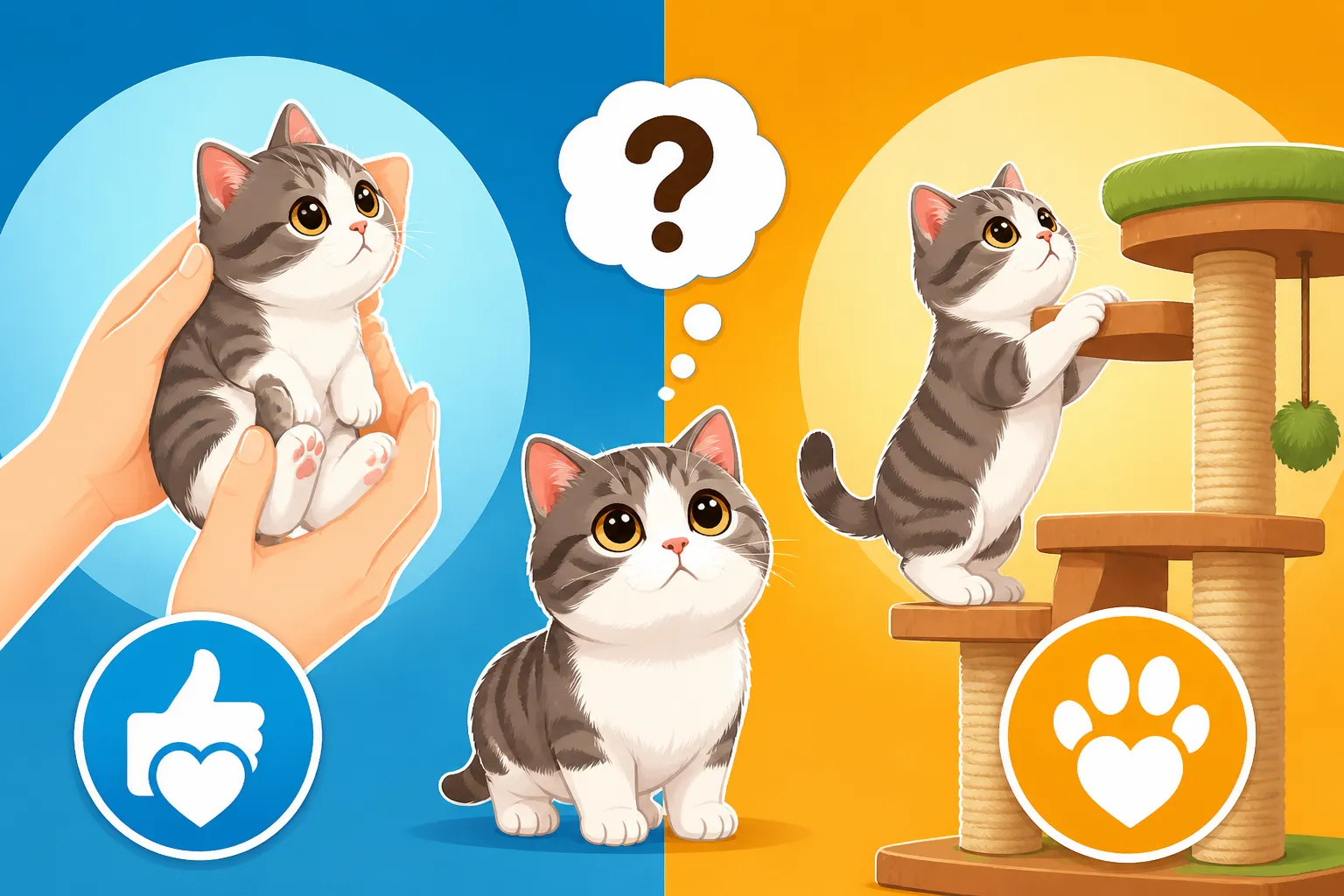
One of the most common dilemmas Munchkin cat parents face is navigating their adorable short-legged companion's mobility. You see your little one struggling to get onto the sofa or the bed, and your first instinct is to scoop them up. But then you wonder, is constantly lifting them actually helping, or am I preventing them from exercising, or even potentially harming their unique spine? This guide will dive deep into the everyday decisions around whether to lift your Munchkin or empower them to climb safely, exploring the best practices for their health and happiness.
Why the "Lift vs. Climb" Question Even Exists for Munchkins
It's natural to feel a pang of worry when you see your Munchkin trying repeatedly to jump onto a surface that's just out of reach. Their short stature, while undeniably charming, presents unique challenges that long-legged cats simply don't encounter. This isn't just about convenience; it's about understanding their physical makeup and how to best support their natural instincts without causing undue strain.
Understanding the Munchkin's Physical Limitations
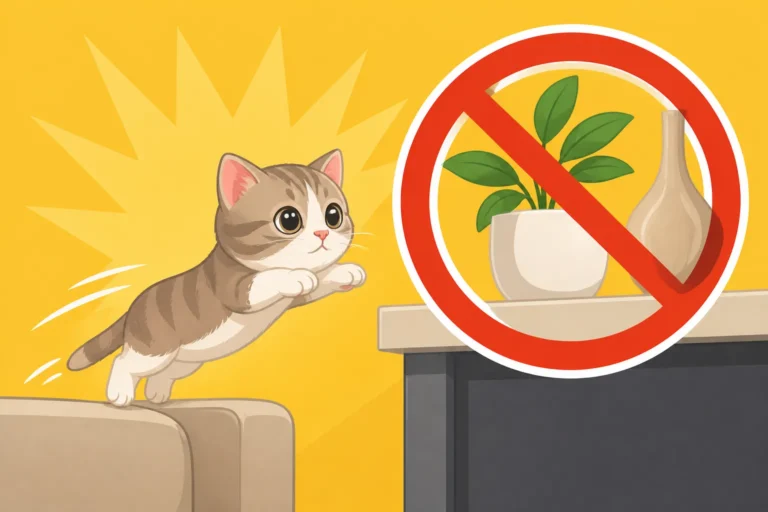
The defining characteristic of a Munchkin cat is its disproportionate dwarfism, meaning their legs are significantly shorter than those of a typical cat, while their body length remains largely normal. This isn't just a cosmetic trait; it changes how they interact with their environment. While a standard cat can easily leap onto a kitchen counter or scale a tall cat tree, a Munchkin's physics are entirely different. Their short legs mean they have less leverage and a lower jump height. How High a Munchkin Can Actually Jump is a question many owners ask, and the answer is usually "not very high." This isn't a weakness, but a fundamental difference in their biomechanics.
They often compensate by being incredibly quick and agile on the ground, almost like little ferrets, using their low center of gravity to their advantage. However, vertical challenges remain just that – challenging. Repeatedly attempting jumps that are too high can put unnecessary stress on their joints and spine over time. It's not that they can't jump at all; it's that their jumping ability is severely limited compared to other cats, and they need a world that accounts for that.
The Instinct to Explore and Reach
Despite their physical differences, Munchkins are still cats through and through. They possess the same innate curiosity and desire to explore high places, observe their territory from above, and cuddle up on your lap or bed. Just because they have short legs doesn't mean they don't want to be where the action is. This strong instinct is why the "lift vs. climb" debate is so potent. You want them to be happy and engaged, to experience all the joys of being a cat, but you also need to ensure their safety and long-term health.
A Munchkin who is constantly denied access to higher spots or who struggles in vain can become frustrated or even withdrawn. They might spend more time on the floor, seemingly content, but potentially missing out on environmental enrichment that other cats take for granted. The goal isn't to prevent them from accessing elevated spaces, but to help them do so in a way that is safe and sustainable for their unique physiology. They're clever, too; you'll often see How a Munchkin Uses Furniture as a Staircase if given the opportunity, showing their drive to get where they want to be.
The Benefits and Risks of Lifting Your Munchkin
As a Munchkin owner, you'll naturally find yourself lifting your cat quite often. Whether it's to place them on the sofa for a cuddle, help them onto the bed at night, or simply to move them out of the way, lifting becomes part of the routine. But there's a right way and a wrong way to do it, and it's crucial to understand the implications for their long-term health.
When Lifting is Necessary and Helpful
There are certainly times when lifting your Munchkin is not just okay, but genuinely helpful and even necessary. For instance, getting them into a carrier for a vet visit, or helping them avoid a dangerous situation, like a curious toddler or a large, boisterous dog. Many owners also lift their Munchkins onto their laps for cuddles or to join them on the sofa. This strengthens the bond and allows them to participate in family life on a higher level, which is a big part of their joy.
For older Munchkins, or those with developing joint issues, lifting becomes even more important. As they age, their mobility might decrease, and repeated jumping, even from moderate heights, can exacerbate conditions like arthritis. In these cases, consistent, gentle lifting can prevent discomfort and maintain their quality of life. Think of it as providing a helping hand, rather than hindering their independence. When it comes to their wellbeing, especially for senior cats, it's about minimizing strain and ensuring comfort. What an Old Munchkin Stops Being Able to Do often includes jumping, making lifting a crucial part of their care.
Potential Downsides and How to Lift Safely
While lifting can be beneficial, relying on it entirely can have drawbacks. If a Munchkin is never encouraged to use ramps or steps, they might miss out on opportunities for physical activity that are important for maintaining muscle tone and preventing weight gain. Furthermore, constant lifting means the cat isn't learning to navigate its environment independently, which can become an issue if you're not always around. Also, if you've got multiple pets or children, you can't be everywhere at once to be your Munchkin's personal elevator!
Most importantly, improper lifting can be detrimental. You should always support their entire body, especially their spine, which can be more susceptible to strain due to their unique conformation. Never lift a Munchkin solely by their front legs or under their armpits, as this can put immense pressure on their shoulders and spine. Instead, place one hand under their chest and the other under their hindquarters, scooping them up gently and securely. How to Lift a Munchkin Correctly emphasizes supporting their whole body, and understanding Why a Munchkin Should Never Be Held by the Front Legs is paramount for their safety.
Consider the table below for a quick comparison of when to lift and when to encourage climbing aids:
| Scenario | Best Approach: Lifting | Best Approach: Encouraging Aids |
|---|---|---|
| Immediate Danger | Absolutely lift (e.g., dog approaching) | Not applicable |
| Vet Visits | Lift into carrier | Not applicable |
| Cuddles on Lap/Sofa | Gentle lift (personal preference) | Ramps/steps for independent access |
| Bed Access (Nightly) | Gentle lift (if no ramp/steps) | Ramps/steps for independence |
| Elderly/Arthritic Cat | Frequent gentle lifting | Low-gradient ramps crucial |
| Exercising Muscles | Limit lifting, encourage play | Provide safe climbing options |
| Developing Independence | Limit lifting, encourage problem-solving | Provide safe climbing options |
| Accessibility (General) | Sporadic help | Essential for daily living |
Encouraging Safe Climbing and Independent Movement
Empowering your Munchkin to navigate its world independently is incredibly rewarding for both of you. It boosts their confidence, provides exercise, and reduces reliance on you for every vertical ascent. The key is to provide the right tools and a little bit of encouragement.
Identifying Safe Climbing Opportunities
The world needs to be adapted for your Munchkin, not the other way around. This means looking at your home through their short-legged perspective. A tall, multi-level cat tree designed for a Maine Coon isn't going to cut it. Instead, look for structures that offer gentle slopes or closely spaced platforms. You want them to be able to make a "staircase" of sorts, using their natural agility to ascend.
Furniture can often be part of this solution. Placing a sturdy ottoman next to a sofa, or a low stool by a windowsill, creates intermediate steps that transform inaccessible heights into navigable paths. You can also get creative with shelving units or sturdy pet furniture designed for smaller breeds. The goal is to create a series of small, manageable jumps or climbs rather than one daunting leap. How to Arrange a Room So a Munchkin Can Climb offers fantastic insights into this kind of strategic setup.
Training for Ramps and Steps
Ramps and pet steps are truly your Munchkin's best friends. They provide a safe, gradual way for your cat to reach elevated surfaces like your bed, sofa, or even a favorite window perch. When choosing ramps, look for ones with a gentle incline and a non-slip surface to give them confidence. For steps, ensure they are wide and stable, with low rises between each level. You can find a wide variety of these on online marketplaces like Amazon or specialty pet stores like Chewy.
Introducing ramps and steps might take a little patience. Start by placing treats or their favorite toys on the lower levels or along the ramp to entice them to explore. Positive reinforcement, like praise and gentle petting, when they use the aids correctly, works wonders. Avoid pushing or forcing them, as this can create a negative association. Some cats take to them immediately, while others need a bit more coaxing. Over time, these aids will become second nature, and you'll love watching them trot confidently up to join you. Don't forget, How to Teach a Munchkin to Use a Ramp involves patience and positive reinforcement, making the process fun and rewarding.
Creating an Accessible Home Environment
Making your home truly Munchkin-friendly goes beyond just a few ramps. It involves a holistic approach to their environment, ensuring they can live a full, enriched life without constant frustration or risk of injury.
Strategic Placement of Furniture and Aids
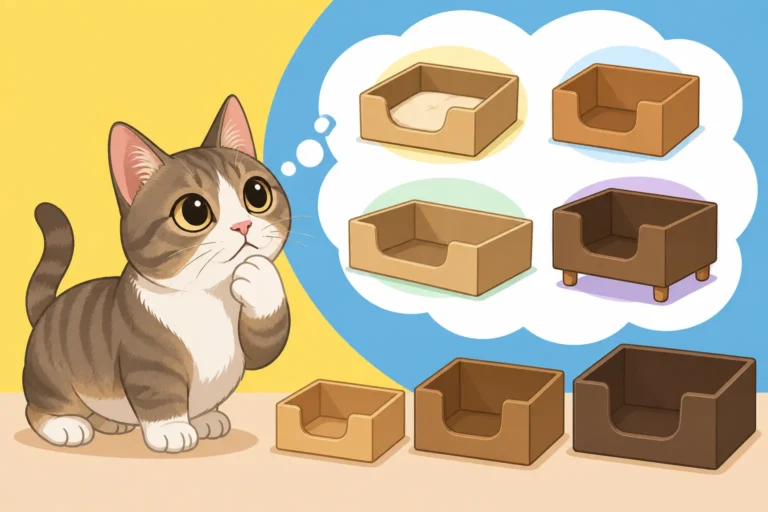
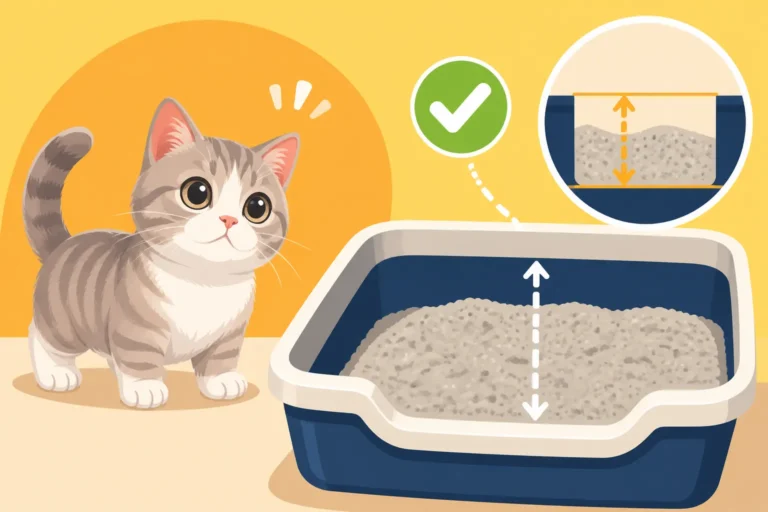
Think about where your Munchkin spends most of its time and where it wants to be. If they love napping on your bed, invest in a sturdy set of pet steps or a ramp for easy access. If they constantly stare longingly at the windowsill, create a series of shelves or small platforms leading up to it. Consider their litter boxes too; a low-entry litter box prevents them from having to make awkward jumps or stretches to relieve themselves.
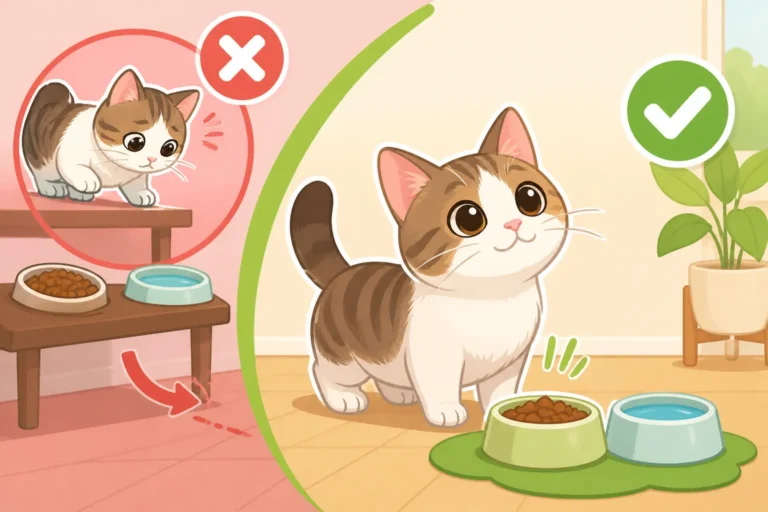
Food and water bowls should also be easily accessible, ideally at a comfortable height that doesn't require them to strain their neck or bend too far. Raised food bowls can actually ease pressure on their shoulders and spine. You can find ergonomic pet bowls from various suppliers, even directly from pet food brands, or on general retail sites. Why a Munchkin's Sofa Needs Access and Where a Munchkin Most Needs a Step are great starting points for identifying key areas to focus on in your home. It's about proactively removing barriers and creating pathways.
The Importance of Fall Prevention
Even with ramps and steps, accidents can happen. It's crucial to minimize the risk of falls, especially for a breed prone to specific spinal issues like lordosis. Keep pathways clear of clutter that could trip them up, and ensure any elevated surfaces they access are stable and secure. If they jump onto a piece of furniture that's a bit too high for a safe descent, make sure there's a soft landing spot, like a thick rug or a dog bed, directly below.
As Munchkins get older, their coordination can decline, and their joints may stiffen. This makes fall prevention even more critical. Regularly inspect ramps and steps for wear and tear, and ensure they are always positioned securely. Consider adding non-slip mats in areas where they tend to launch themselves or land, especially on hard floors where slipping is a risk. By creating a thoughtfully designed, accessible environment, you allow your Munchkin to live a happier, safer, and more independent life, reducing the need for you to constantly intervene. This continuous care is vital for How to Keep an Old Munchkin Moving Safely.
Disclaimer
This article is for general informational purposes only and does not constitute professional advice. Laws, prices and regulations vary by location and change over time. Consult a qualified professional for guidance on your specific situation.