Why a Munchkin Should Not Be Jumping Down Repeatedly
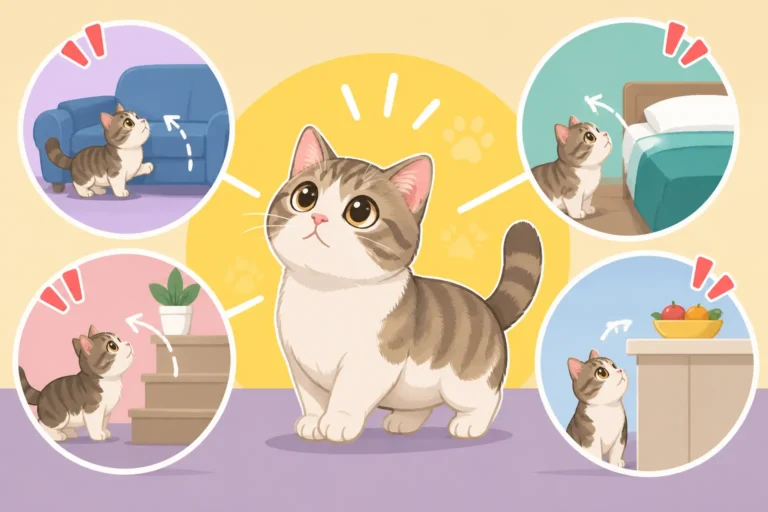
It’s an undeniable truth for any Munchkin cat owner: these little bundles of joy, despite their adorably short legs, possess an incredible spirit and a boundless desire to explore. You might see your tiny friend launching themselves onto a low sofa or making a surprising leap off a chair, and it’s easy to think, "Wow, they’re just like any other cat!" But here’s the tough truth we need to talk about: while a Munchkin can jump, letting them jump down repeatedly, especially from even moderate heights, can take a serious toll on their unique anatomy over time. This guide is here to help you understand why this seemingly harmless activity can be problematic and how you can protect your cherished companion.
The Unique Challenges of a Munchkin's Anatomy
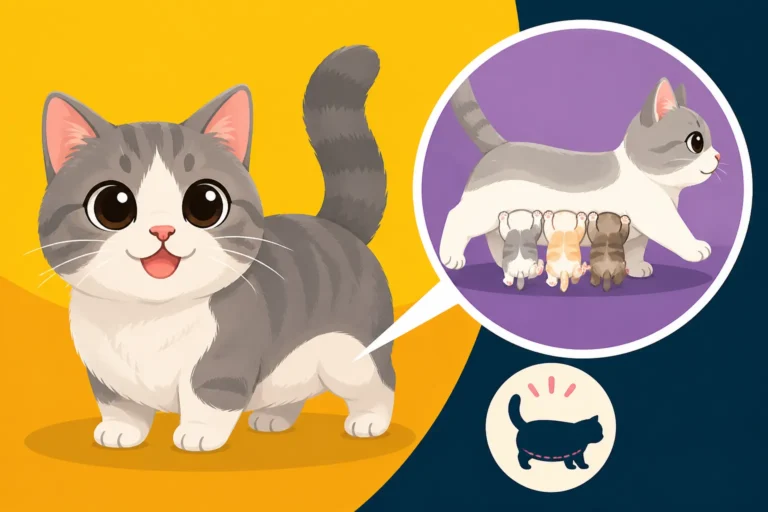
When you look at a Munchkin, the most striking feature is, of course, their short legs. It’s what gives them their distinctive look and that adorable "ferret-like" gait. But these short limbs, combined with a spine that is actually a normal length for a cat, create a biomechanical situation that needs careful consideration, especially when it comes to activities like jumping. Unlike their long-legged cousins, a Munchkin's body isn't designed to absorb repeated high-impact landings without consequence.
The Impact of Chondrodysplasia on Movement
The short legs of a Munchkin are due to a genetic condition called chondrodysplasia, which affects the growth of cartilage and bone. While it doesn't typically cause pain directly in the legs, it fundamentally changes how their body interacts with gravity and impact. Imagine a spring designed to absorb a certain amount of shock; now imagine shortening that spring. It still works, but its capacity to absorb impact is diminished, and the force is transferred differently through the system.
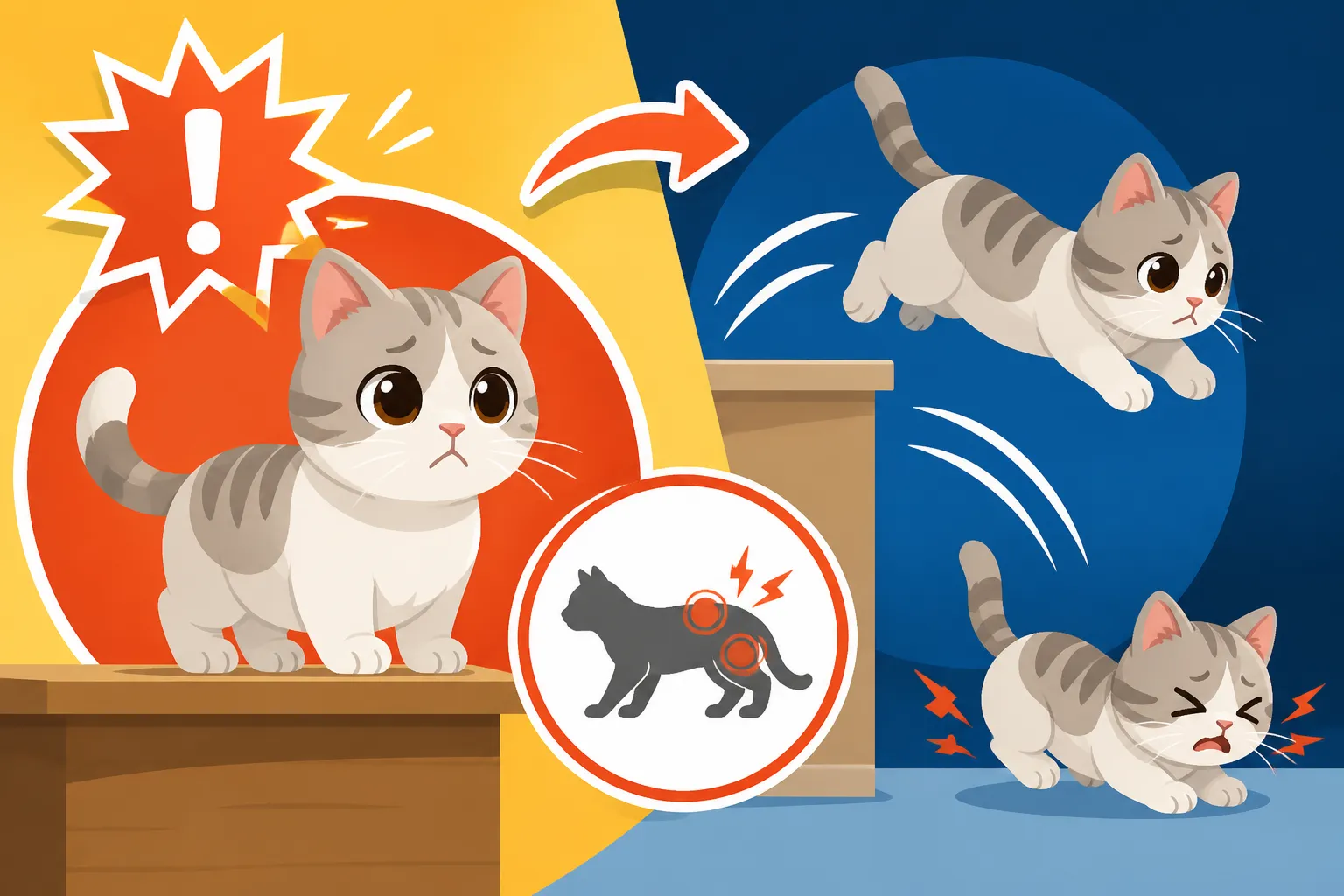
When a standard-legged cat jumps down, its longer leg bones act like shock absorbers, distributing the force of the landing over a greater surface area and through more flexible joints. For a Munchkin, those shorter limbs have less "give." The impact from a jump, even from what we might consider a low height, travels more directly and intensely up into their leg joints – the ankles, knees, and especially their elbows and shoulders. This isn't just a minor difference; it's a fundamental alteration in how their skeletal system manages daily movement. Over time, these repeated, unabsorbed impacts can lead to wear and tear that normal-legged cats might not experience until much later in life, if at all.
Why a Normal Spine Bears an Abnormal Load
One of the most common misconceptions about Munchkins is that their spine is also short or somehow "different." In reality, a Munchkin cat's spine is typically the same length and structure as any other domestic cat. The short-legged gene, Why a Munchkin's Spine Is Normal Length, only affects the long bones of the limbs. However, this normal-length spine sitting on those short, less shock-absorbent legs creates a critical vulnerability.
When a Munchkin lands from a jump, the impact that isn't fully cushioned by the short legs is transmitted directly to the vertebral column. Think of it like a heavy load being placed on a support structure that isn't quite tall enough to absorb the shock effectively. The spine, which is already designed to be flexible and supportive, now has to bear a disproportionate amount of compressive force with each landing. This repeated compression is what we really worry about. It's not that their spine is inherently weak, but it's being asked to do a job it wasn't perfectly designed for under these specific, high-impact circumstances. This abnormal loading is a significant reason why we advocate for preventing repeated jumping, because it can set the stage for long-term spinal issues. Why a Munchkin's Spine Carries a Load a Normal Cat's Does Not is a crucial read for any owner to understand this better.
The Cumulative Toll of Repeated Jumping
It’s not usually one single jump that causes a problem, but the cumulative effect of hundreds, even thousands, of small impacts over a Munchkin’s lifetime. Each seemingly harmless leap contributes to a gradual breakdown of joint cartilage and puts stress on spinal structures. This is why awareness and proactive management are so important, even when your Munchkin seems perfectly fine and spry in their younger years. We want them to have a comfortable and active life, not one cut short by preventable pain.
Joint Strain and Accelerated Arthritis
Let’s talk about those precious little joints. Just like in humans, a cat's joints are cushioned by cartilage, which allows bones to glide smoothly against each other. Repeated impacts, especially those not fully absorbed by their shorter legs, cause this cartilage to wear down faster. The joints most at risk are those in the front legs: the elbows and shoulders. When a Munchkin lands, a significant portion of their body weight, especially if they’re coming down from even a modest height, is absorbed by these front limbs.
Over time, this wear and tear leads to osteoarthritis, a degenerative joint disease. While all cats can get arthritis as they age, Munchkins are particularly susceptible to an earlier onset and more severe presentation in these specific joints. You might start noticing subtle signs: a slight stiffness after waking up, reluctance to jump onto a favorite spot they used to frequent, or even a change in their playful behavior. Why a Munchkin's Shoulders Wear First is a good article to review, as the shoulders take a significant brunt of the landing force. Similarly, the elbows, crucial for cushioning, endure a lot of stress. What Repeated Landing Does to a Munchkin's Elbows further explains this vulnerability. Preventing repeated high jumps is one of the kindest things you can do to preserve their joint health and quality of life for as long as possible.
Spinal Compression and Risk of Lordosis
Beyond the joints, the spine is another area of concern. As mentioned, the normal-length spine on short legs means less effective shock absorption. Each time a Munchkin jumps down, their spine undergoes a degree of compression. While a healthy, young spine can handle some of this, persistent compression can lead to problems. One of the most talked-about spinal conditions in Munchkins is lordosis, a severe inward curvature of the spine. While lordosis can have a genetic component, repeated physical stress and impact can certainly exacerbate or contribute to spinal instability over time.
Severe lordosis means the spine curves inwards significantly, compressing internal organs and potentially leading to breathing or digestive issues. Even milder forms can cause discomfort and limit mobility. What Lordosis Actually Is in a Munchkin gives a detailed explanation. The worry is that repeated hard landings could put undue strain on the ligaments and muscles supporting the spine, potentially making it more vulnerable to such conditions or worsening existing, undiagnosed mild curvatures. Why Severe Lordosis Compresses a Munchkin's Organs highlights the severe consequences. It's about protecting that central support structure from unnecessary, cumulative stress that could diminish their comfort and health in the long run.
Practical Ways to Protect Your Munchkin from Jumping Damage
So, what’s a loving cat parent to do? The good news is that you don't need to wrap your Munchkin in cotton wool. Instead, it's about making smart, proactive adjustments to their environment and encouraging safer play. It’s about adapting your home to them, not expecting them to adapt to an environment that could potentially harm them. This shift in perspective makes all the difference in their long-term well-being.
Creating a Jump-Safe Environment
The goal here isn't to stop your Munchkin from accessing their favorite spots, but to provide them with safe, low-impact alternatives. Think of it as building them a little internal staircase system!
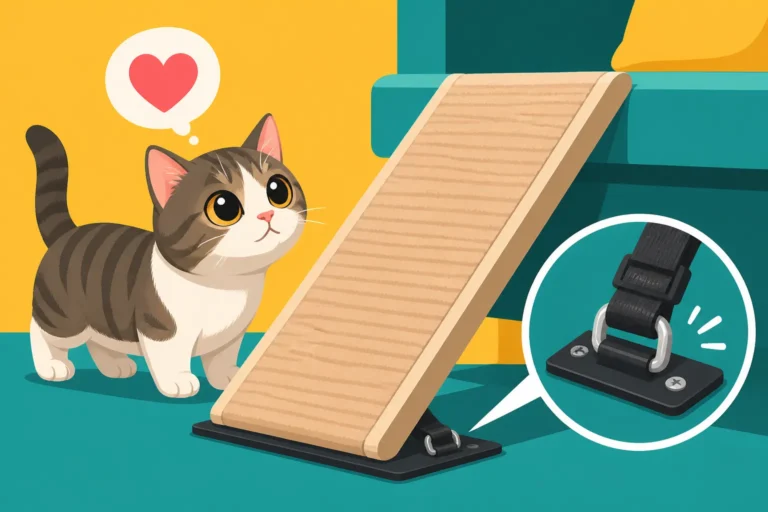
- Ramps and Steps for Furniture: This is arguably the most crucial adaptation. For sofas, beds, windowsills, and any other elevated spot your Munchkin loves to reach, install ramps or pet steps. You can find a wide variety of these on retailers like Amazon or Chewy, designed specifically for pets. Look for ramps with a gentle incline and a non-slip surface to give them confidence. For steps, ensure they are stable and the risers are low enough for their short legs. How to Teach a Munchkin to Use a Ramp can offer some guidance on introducing these new tools.
- Layered Furniture: Get creative with furniture placement. You can strategically place ottomans, sturdy stools, or low-level storage units next to higher pieces of furniture, creating a "staircase" of sorts. This allows your Munchkin to ascend and descend in smaller, less impactful steps, rather than one big jump.
- Low Entry Litter Boxes: While not directly related to jumping down, ensuring easy access to essentials like the litter box prevents them from struggling or straining, which can also stress their joints and spine. Look for senior cat litter boxes or those with a very low front entry. Which Litter Box a Munchkin Can Actually Enter provides excellent suggestions.
- Window Perches: If your Munchkin loves looking out the window, install a window perch that is easily accessible via a ramp or a stack of low furniture. This prevents them from having to jump up or down from a high windowsill repeatedly.
Remember, the key is consistency. If safe access is always available, they are far more likely to use it.
Encouraging Safe Access and Play
Beyond structural changes, how you interact and play with your Munchkin also plays a role in protecting them from undue strain.
- Floor-Level Play: Munchkins are incredibly playful, and many of their favorite games can be enjoyed right on the floor. Use wand toys, laser pointers, or small rolling toys to engage them at their natural height. This allows them to express their hunting instincts without needing to make risky jumps. Which Toys Work at a Munchkin's Height lists many suitable options.
- Controlled Lifting: When your Munchkin wants to get onto your lap or a higher surface, encourage them to signal you, and then lift them gently. Always support their entire body, especially their back and hindquarters. Avoid letting them "hang" by their front legs, which puts stress on their shoulders. Teach children in the household how to lift a Munchkin correctly, emphasizing gentle, full-body support.
- Soft Landings: If a jump cannot be avoided (for instance, if they decide to launch themselves spontaneously), try to ensure their landing zone is soft. Place thick rugs, pet mats, or even strategically placed cushions in areas where they might occasionally jump down.
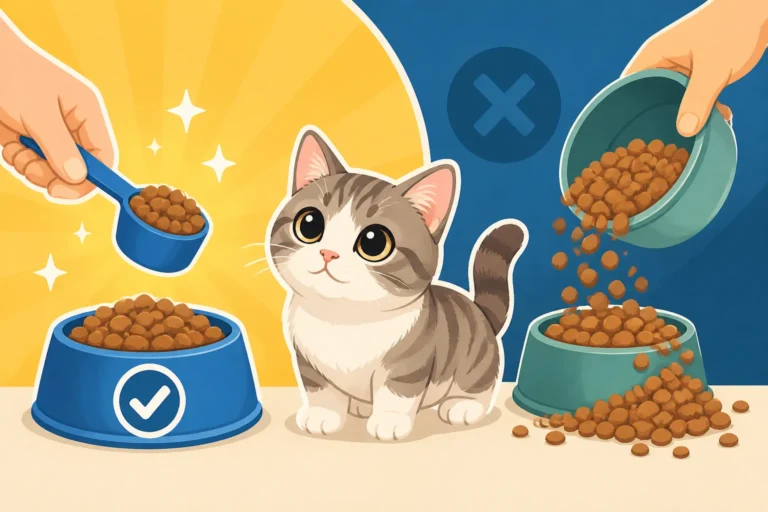
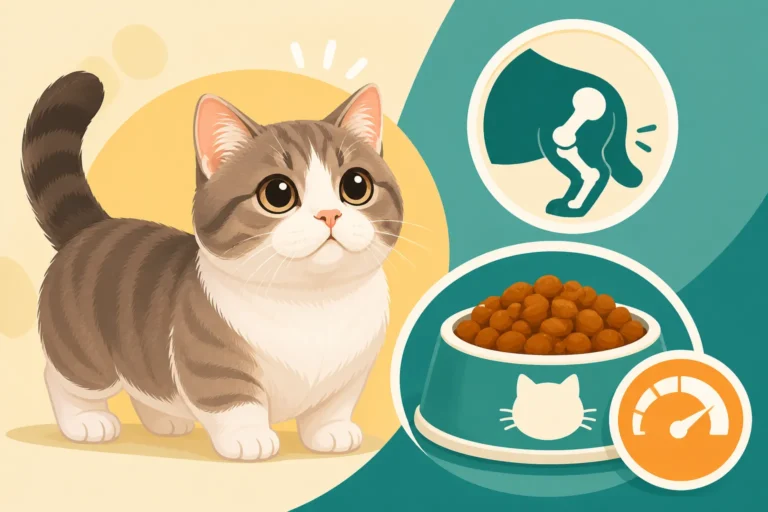
- Regular Weight Management: Keeping your Munchkin at a healthy weight is paramount. Every extra pound puts additional stress on their joints and spine, magnifying the impact of any jump. Discuss an appropriate diet with your vet, and consider joint-friendly food options or supplements. Many veterinary lines offer specific joint support formulas. Why Weight Is More Dangerous on a Munchkin truly emphasizes how critical this is.
By making these thoughtful adjustments, you’re creating an environment where your Munchkin can live a full, happy life without constantly putting their unique body at risk.
Recognizing the Signs of Discomfort or Injury
Even with the best preventative measures, it's crucial to be vigilant and recognize if your Munchkin is experiencing discomfort or has sustained an injury. Cats are masters at hiding pain, a remnant of their wild ancestry where showing weakness could make them vulnerable. Therefore, you need to be observant of subtle changes in their behavior and movement.
Behavioral Changes to Watch For
A change in routine or temperament is often the first indicator that something isn't right. Don't dismiss these as simply "getting old" or "being grumpy" – investigate them.
- Reluctance to Jump or Climb: This is a big one. If your Munchkin suddenly hesitates before attempting a jump they once made easily, or stops using their ramps and steps, it's a red flag. They might seem to "think" about it for a long time, or try and then back away.
- Changes in Gait or Movement: Watch them walk. Do they seem stiffer? Is there a subtle limp? Do their steps seem shorter or more deliberate? A change in their signature "ferret-like" run, or reluctance to run and play as vigorously as before, could signal joint pain.
- Reduced Activity Levels: Are they sleeping more? Less interested in play sessions? Withdrawing from family interaction? A decrease in overall activity without another obvious cause (like a hot day) can indicate discomfort.
- Difficulty with Grooming: Due to their short legs, Munchkins already struggle to reach their hindquarters for grooming. If they show increased matting in these areas, or seem to be trying to groom less in general, it might be because the twisting and bending required is painful. What a Munchkin Cannot Reach to Groom explains this further.
- Vocalization or Irritability: Some cats will vocalize (meow, purr differently, hiss) when in pain. Others might become more irritable, avoiding being touched or picked up, especially in certain areas.
- Changes in Litter Box Habits: If they start having accidents outside the litter box, it might not be a behavioral issue, but rather that getting in and out of the box has become too painful or difficult. Ensure your litter box is truly low-entry.
When to Consult Your Veterinarian
If you notice any of the behavioral changes above, or if your Munchkin has a visible limp, swelling, or shows any signs of acute pain after a fall or jump, it's time to call your veterinarian immediately. Do not try to self-diagnose or wait it out. Early intervention can make a significant difference in managing discomfort and preventing further damage.
When you go to the vet, be prepared to describe the changes you’ve observed in detail. Provide a timeline, if possible. Your vet will likely perform a thorough physical examination, assessing their gait, palpating their joints and spine, and checking for any signs of tenderness. They might recommend diagnostic imaging, such as X-rays, to get a clearer picture of their skeletal health, especially their spine and major joints. When a Munchkin Should Have Its Spine Imaged is a topic you might discuss with them.
Remember, your vet is your best partner in ensuring your Munchkin’s long-term health. Don’t hesitate to reach out with any concerns, no matter how small they seem. Being proactive is the best way to safeguard their comfort and mobility.
Safe vs. Unsafe Jumping Scenarios for Munchkins
To make things a little clearer, here's a quick overview of what generally constitutes a safer movement pattern versus something that could be detrimental over time. This isn't a hard and fast rule for every single cat, as individual health and age play a role, but it's a good guideline for preventing cumulative stress.
| Scenario / Action | Risk Level | Why it Matters | Recommended Action |
|---|---|---|---|
| Jumping up to low furniture (e.g., footstool, low chair) | Low | While they exert effort, the landing impact is minimal. | Generally acceptable, but providing steps/ramps is always safer for long-term joint health. |
| Jumping down from low furniture (e.g., sofa, bed) | Moderate | Repeated impacts transmit force directly to shoulders, elbows, and spine. Even "low" adds up over years. | Install ramps or pet steps. Encourage use with treats. |
| Jumping up to high surfaces (e.g., counter, tall cat tree) | Moderate | Requires significant effort and can strain muscles/ligaments. Risk of misjudging and falling. | Provide intermediary steps/ramps. Use cat trees with close-set platforms. |
| Jumping down from high surfaces (e.g., cat tree top, counter) | High | High impact force on joints and spine. Significant risk of injury, exacerbated arthritis, or spinal compression. | Absolutely discourage. Provide ramps/steps for safe descent. Remove access to truly high, unsupported spots. |
| Running on flat ground | Very Low | Munchkins are surprisingly fast and agile on the flat, with a low center of gravity aiding quick turns. Minimal impact stress. | Encourage active play on carpets or rugs to prevent slipping. |
| "Prairie Dog" Sit | Low | Unique to the breed, it's a natural posture for observation. Not typically associated with joint or spinal damage from impact. | Enjoy the cuteness! It's a normal Munchkin behavior. |
| Using cat trees with closely spaced platforms | Low | Allows for climbing without large jumps. | Ideal cat tree setup. Ensure platforms have good grip. |
| Repeatedly jumping on and off a single piece of furniture | High | The "repeated" aspect is the critical danger here, accelerating wear and tear. | Provide alternative, lower access points (ramps, steps). Engage in floor-level play instead. |
Conclusion: A Lifetime of Happy, Healthy Muffin Paws
Caring for a Munchkin cat truly means embracing their unique needs and making thoughtful adjustments to ensure their long, healthy, and happy life. It’s not about restricting their joy or preventing them from being a cat, but about channeling their natural curiosity and energy into activities that won’t inadvertently cause them pain down the line.
By understanding the biomechanics of their short legs and normal spine, recognizing the cumulative toll of repeated jumps on their joints and back, and proactively creating a jump-safe environment with ramps, steps, and floor-level enrichment, you're giving your Munchkin the best possible chance at a comfortable existence. Paying close attention to subtle behavioral changes and consulting your vet at the first sign of discomfort are also cornerstones of responsible Munchkin ownership. Our goal, as devoted cat parents, is to ensure our adorable, short-legged companions can continue to trot, play, and "prairie dog" sit their way through many wonderful years, free from preventable pain and mobility issues.
Disclaimer
This article is for general informational purposes only and does not constitute professional advice. Laws, prices and regulations vary by location and change over time. Consult a qualified professional for guidance on your specific situation.