How Much a Munchkin Gets in a Weighed Meal
One of the trickiest parts of caring for a beloved Munchkin cat is navigating their unique dietary needs, especially when it comes to portion control. It’s not just about keeping them slim; it’s about protecting their delicate frame from the added stress of even a few extra ounces. This guide will walk you through the essential steps for determining exactly how much food your Munchkin needs in a weighed meal, ensuring their long-term health and mobility.
Why Weighed Meals Are Non-Negotiable for a Munchkin
For many cat owners, feeding time involves a casual scoop or filling up a bowl when it looks low. While this might be okay for some breeds, for a Munchkin, that seemingly harmless habit can have serious long-term consequences. Their unique anatomy means that even small fluctuations in weight can put undue stress on their body.
The Hidden Dangers of "Eyeballing" Portions
It's so easy to overestimate a serving size, isn't it? A little extra kibble here, an extra spoonful of wet food there – it adds up quicker than you think. And for a Munchkin, those extra calories translate directly into extra weight, which becomes a much heavier burden on their short legs and spine. Imagine trying to carry an extra backpack all day, every day, while already having shorter limbs. That's essentially what we're asking our Munchkins to do.
Their adorable, low-slung bodies are naturally prone to looking a bit rounder, which can make it hard to visually gauge if they're gaining too much. This makes "eyeballing" their portions a risky game. Many owners don't realize their cat is overweight until significant strain has already occurred. The gentle curve of a normal cat's spine is designed to distribute weight efficiently, but a Munchkin's spine, while normal in length, carries a load that a normal cat's does not, making it more vulnerable to the pressures of excess weight. This is why it's so critical to understand Why Weight Is More Dangerous on a Munchkin. Every single gram matters more than you might imagine.
Understanding Your Munchkin's Unique Calorie Needs
You might think a smaller cat needs less food, which is generally true, but it's more nuanced than that for a Munchkin. Their short legs mean they might not be jumping as high or as often as a long-legged cat, potentially leading to a slightly lower activity level if their environment isn't adapted. While they can be surprisingly fast and playful on the flat, their overall energy expenditure might be less than a cat constantly leaping onto counters and shelves. This means their caloric needs can be quite specific, and often lower than what the general feeding guidelines on a bag of cat food might suggest for a cat of their body weight.
Factors like age, activity level, and whether they are spayed or neutered all play a role in their individual calorie requirements. A playful young Munchkin kitten will naturally burn more energy than a senior Munchkin who prefers napping in sunbeams. And just like with people, a spayed or neutered cat generally requires fewer calories to maintain a healthy weight. How Many Calories a Munchkin Needs to Stay Off Its Joints is a question that needs a precise answer, not a guess, to protect those precious joints.
Calculating Your Munchkin's Ideal Portion Size
So, how do we move from guesswork to precision? It starts with understanding the energy content of the food you're giving them and then tailoring that to your individual cat's needs.
Starting with the Food's Calorie Density
The first step to a perfectly portioned meal is to look at your cat's food packaging. Somewhere on the label, usually in the nutritional information section, you'll find the calorie content listed. This is often expressed in "kcal/kg" (kilocalories per kilogram) for dry food or "kcal/can" or "kcal/pouch" for wet food. Sometimes, it might be given as "kcal/cup," but "cups" can vary wildly depending on how densely packed the food is. This is why using a kitchen scale to measure in grams is far more accurate than relying on a scoop.
Let's say your cat's food is 3,500 kcal/kg. That means there are 3.5 calories per gram of food. If your vet determines your Munchkin needs, for example, 200 calories per day, you would divide 200 by 3.5, which gives you approximately 57 grams of food per day. If you feed twice a day, that's 28.5 grams per meal. See how precise that can get? This meticulous approach is vital. It's the reason Why a Munchkin's Portion Should Be Weighed rather than scooped.
The Role of Your Veterinarian and Body Condition Scoring
While the math is straightforward, the trickiest part is determining that ideal daily caloric intake for your Munchkin. This is where your veterinarian becomes your absolute best resource. They can assess your cat's current weight, activity level, age, and overall health to recommend a specific daily calorie target. Don't be shy about asking for this number! It's one of the most important things you can do for your Munchkin's long-term well-being.
Beyond your vet's professional assessment, you can also learn to use Body Condition Scoring (BCS) at home. This isn't about looking at the number on the scale alone; it's about feeling your cat's body. Can you easily feel their ribs without pressing hard? Do they have a discernible waist when viewed from above? How to Score a Munchkin's Body Condition involves gentle palpation and visual assessment, giving you a tangible way to monitor their weight. Regularly monitoring their weight at home, perhaps weekly or bi-weekly, is also a good habit to establish. How Often to Weigh a Munchkin at Home gives you another data point to work with, allowing you to catch any creeping weight gain early. If your Munchkin is looking a little rounder than they should, a small adjustment in those weighed portions can make a huge difference.
Adjusting for Treats and Supplements
Here's where many well-intentioned owners inadvertently sabotage their efforts: treats. Those adorable little morsels add up! If your Munchkin is getting 20-30 calories worth of treats throughout the day, those calories need to be subtracted from their main meal portions to keep their total daily intake on target. Otherwise, you're just adding extra on top, leading to weight gain. It's truly amazing How Quickly Treats Show on a Munchkin's Frame.
The same goes for any caloric supplements you might be giving, like joint support chews or nutrient pastes. Always check their calorie content and factor them into the daily total. It's much easier to manage their weight if you see treats and supplements as part of their overall "food budget" rather than separate additions. Many brands, including those found on Chewy or Amazon, will list calorie information for their treats, making it easier to account for them.
Practical Steps for Implementing Weighed Meals
Now that we understand the 'why' and the 'how much,' let's get down to the practical 'how to' of actually weighing your Munchkin's meals every single day.
Essential Tools for Accurate Feeding
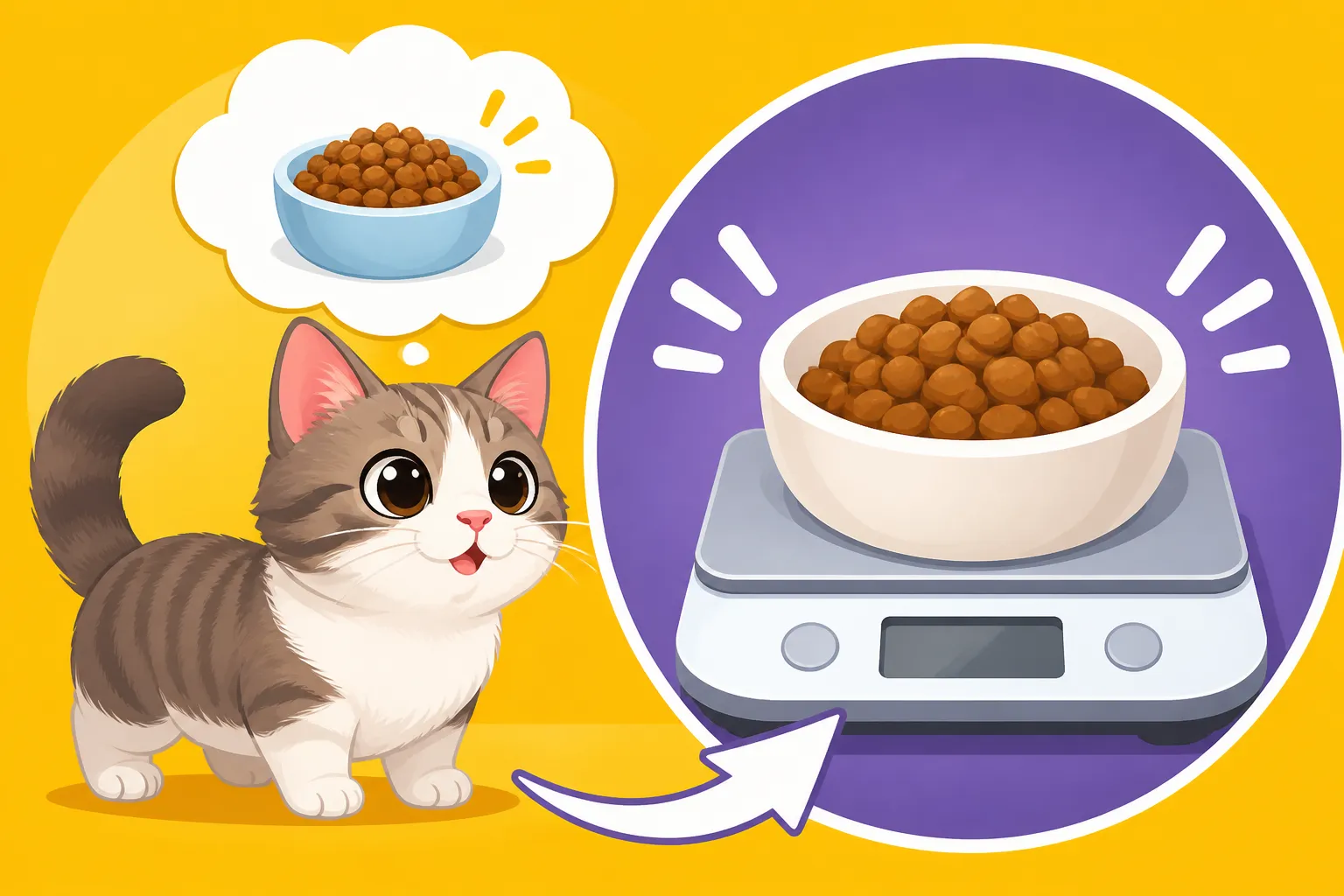
The most important tool you'll need is a good quality digital kitchen scale. You can find excellent, affordable options on Amazon or at most kitchen supply stores. Look for one that measures in grams and has a tare function, allowing you to zero out the weight of the bowl. Accuracy is paramount here; a scale that only measures in ounces might not be precise enough for small adjustments. Forget the scoops that came with the food – they're notoriously inaccurate and inconsistent. Trust your scale.
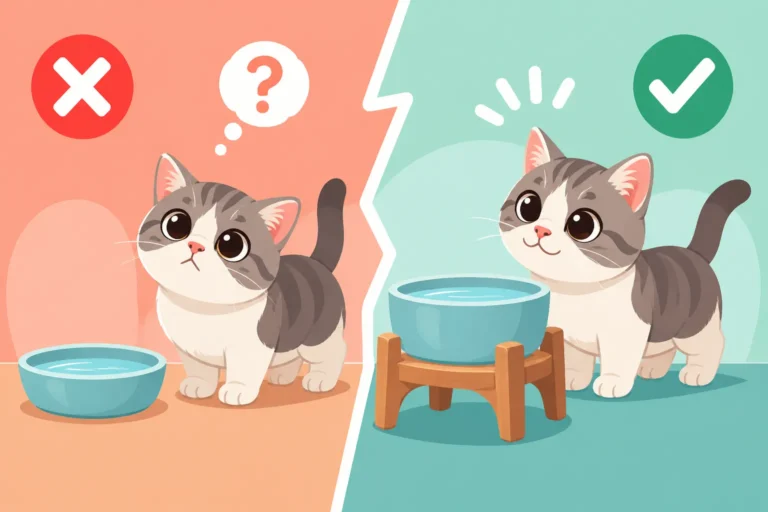
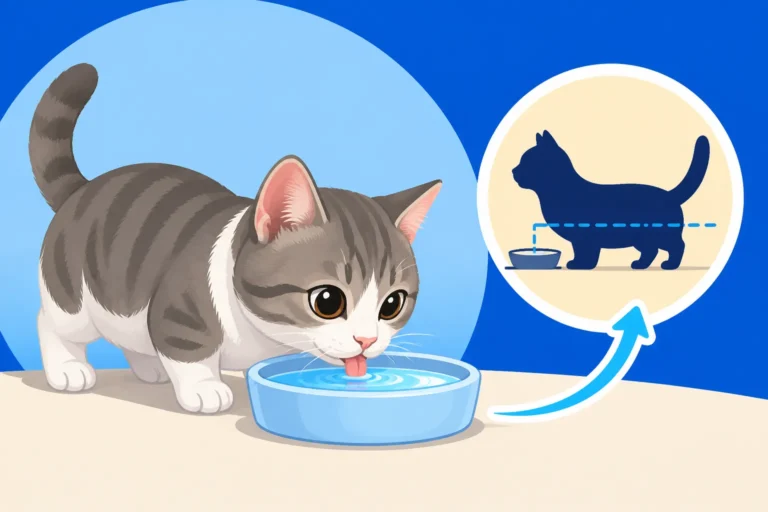
Alongside your scale, consider investing in appropriate food bowls. Because of their short stature, Munchkins can sometimes struggle with bending down too far to eat, which can put strain on their neck and shoulders. Raised food bowls can be a real game-changer. How High a Munchkin's Food Bowl Should Sit is an important consideration to ensure comfortable eating posture. Look for bowls that elevate the food a few inches off the ground, allowing your Munchkin to eat with their head more level, reducing strain.
The Daily Weighing Routine
Making weighed meals a habit is easier than it sounds. Here's a simple routine to follow:
- Check the Food Label: Always have the calorie density of your specific cat food handy. If you've switched foods, make sure you update your calculations.
- Power On and Tare: Place your empty cat bowl on the digital kitchen scale and press the "tare" or "zero" button. This will reset the scale to zero, so you're only measuring the food.
- Add Food Slowly: Carefully pour or scoop your Munchkin's food into the bowl until the scale displays the exact number of grams you've calculated for that meal.
- Divide for Multiple Meals: If your Munchkin eats two or three times a day, make sure you're dividing the total daily gram amount by the number of meals. Consistency is key here.
This might seem like a bit of extra effort initially, but it quickly becomes second nature. It's a small habit that provides huge benefits for your Munchkin's joint health and overall well-being. If you have multiple cats, especially if one is a Munchkin and others are long-legged, you might consider feeding them separately to ensure the Munchkin isn't sneaking extra bites, or using a microchip feeder if possible.
Meal Frequency and Bowl Considerations
Most adult cats do well with two meals a day, but some Munchkins, especially those prone to scarfing their food, might benefit from three smaller meals to help manage hunger and digestion. Discussing meal frequency with your vet is always a good idea. The goal is to provide consistent, appropriately sized portions throughout the day.
As mentioned before, the type of bowl matters. A raised bowl helps prevent unnecessary strain. You want your Munchkin to be able to access their food comfortably without having to crouch excessively or twist their body. This small adjustment in their eating setup can alleviate stress on their spine and front legs over time. Even with pre-portioned meals, confirming the weight is always a smart move.
Common Pitfalls and Troubleshooting
Even with the best intentions, you might run into a few bumps along the road when implementing weighed meals. Don't worry, it's completely normal, and there are ways to navigate these challenges.
When Your Munchkin Seems Hungrier or Finicky
Sometimes, after switching to a precise, portioned diet, your Munchkin might act like they're starving. This could be genuine hunger if their previous portions were excessive, or it could just be habit. It's crucial to rule out any underlying medical conditions first, so a quick vet check is always a good idea if the "hunger games" persist. If they get a clean bill of health, then it's about managing expectations and providing enrichment.
Consider using Which Puzzle Feeders a Munchkin Can Reach Into. These can make mealtime last longer, engaging their minds and slowing down their eating, which can help them feel more satisfied. Just make sure the puzzle feeder is easily accessible for their short legs. Also, ensure they have plenty of fresh water, as sometimes thirst can be mistaken for hunger. If your Munchkin is being finicky and refusing the new, appropriately sized portions, try a gradual transition by mixing the new amount with a decreasing amount of the old, larger portion over several days.
Navigating Multi-Cat Households with Different Needs
This is a big one. If you have a long-legged cat who needs more calories alongside your Munchkin, free-feeding or communal bowls are a recipe for disaster. Your Munchkin will almost certainly overeat, or the other cat will eat their share. The solution is separate feeding. This might mean feeding them in different rooms, or at different times.
High-tech solutions like microchip-activated feeders can be a godsend. These feeders only open for the cat whose microchip is programmed into them, ensuring each cat gets only their weighed meal. It's an investment, but it can save a lot of stress and prevent health issues down the line. Remember, Why a Bowl Left Down Is Dangerous for a Munchkin is especially true in a multi-cat home where portions are not strictly controlled.
Maintaining Consistency During Travel or Changes
Life happens, and sometimes you need to travel or your routine gets disrupted. The key is to prepare. If a pet sitter is coming, pre-weigh your Munchkin's meals into individual bags or containers for each feeding. Clearly label them with the date and time. This takes the guesswork out of it for the sitter and ensures your Munchkin sticks to their diet. You can find small food storage containers or bags on Chewy or Amazon perfect for this.
If you're taking your Munchkin with you, bring your scale and their specific food. Don't assume you can "just wing it" for a few days. Consistency in feeding is a cornerstone of good Munchkin care. Even temporary changes can confuse their system or lead to overeating. Especially with Munchkin kittens, consistency is vital because Why a Munchkin Kitten Must Not Be Overfed cannot be stressed enough, as those developing joints are particularly vulnerable. Every extra gram of weight directly Why Every Extra Gram Lands on a Munchkin's Spine, adding unnecessary strain.
Disclaimer
This article is for general informational purposes only and does not constitute professional advice. Laws, prices and regulations vary by location and change over time. Consult a qualified professional for guidance on your specific situation.