Why a Munchkin’s Portion Should Be Weighed
It's a common scenario: you love your Munchkin, and you want to ensure they're happy and healthy. That often means a full food bowl, because who wants their beloved cat to feel deprived? But when it comes to our unique, short-legged friends, simply scooping food can actually be detrimental to their long-term health. This comprehensive guide will explain exactly why weighing your Munchkin's food portions is not just a good idea, but a vital part of their care.
The Unique Challenges of Feeding a Munchkin Cat
Munchkin cats are undeniably adorable, with their distinctive short legs, but this very trait means their bodies function a little differently from their long-legged feline cousins. Understanding these differences is the first step to truly responsible feeding.
Why Their Build Changes Everything
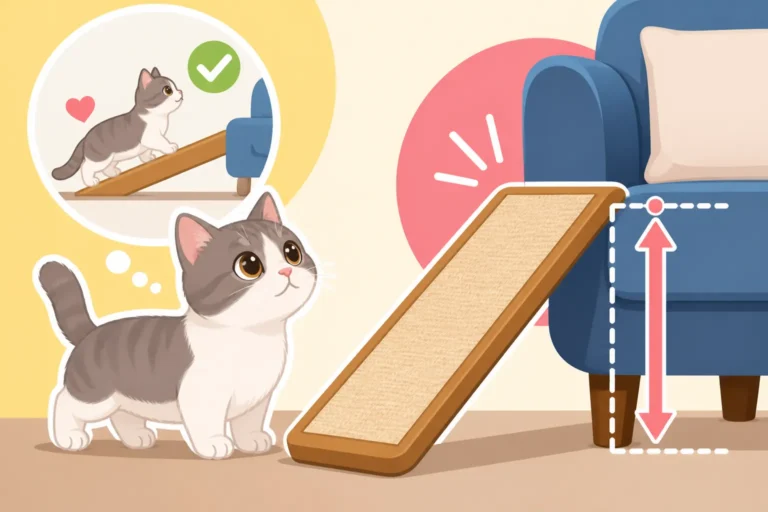
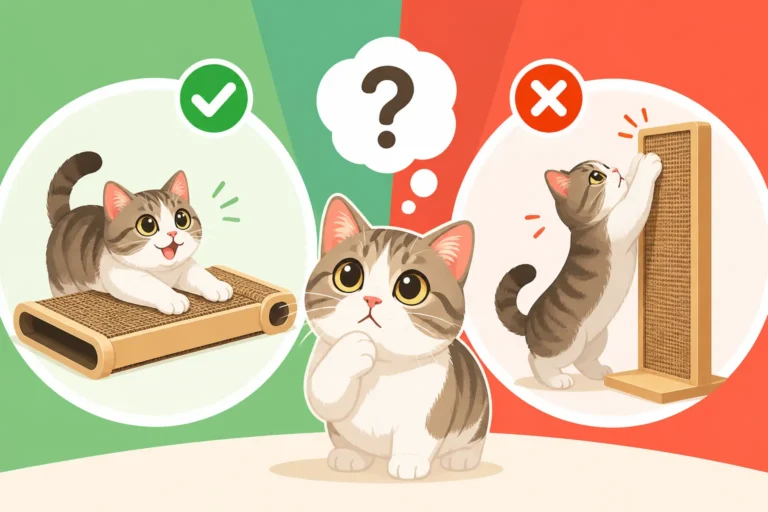
Think about a regular cat – they leap, they climb, they stretch high up a scratching post. These activities burn calories. A Munchkin, however, has a more grounded existence. While they are surprisingly agile and can run quite fast on the flat, they can't achieve the same vertical leaps or sustained climbing that a standard cat can. Their short legs mean they expend less energy on movement that involves elevation. This isn't a bad thing, it's just how they're built, but it directly impacts their metabolic rate.
Because a Munchkin generally moves less in ways that burn significant calories, their overall caloric needs are often lower than what you might expect for a cat of their body length and build. They might appear to be a 'normal' sized cat in torso length, but the energy output is different. If you feed them the same amount as a cat that regularly scales cat trees or leaps onto high shelves, you're very likely overfeeding them without even realizing it. It's not about them being lazy; it's about the physics of their unique anatomy. Why a Munchkin Burns Less Than a Normal Legged Cat explores this further.
The Hidden Risk of Overfeeding for Short-Legged Breeds
The consequences of overfeeding are far more severe for a Munchkin than for many other breeds. Every extra gram of weight they carry places additional strain on their spine and joints, particularly their shoulders and elbows. Imagine carrying a backpack filled with bricks all day, every day – that's what even a little extra weight can feel like for a Munchkin. Their short limbs are not designed to bear excessive loads.
This isn't just about discomfort; it can lead to serious health problems. Conditions like arthritis can appear earlier and be more debilitating. Spinal issues, which some Munchkins can be predisposed to, are greatly exacerbated by excess weight. Why Weight Is More Dangerous on a Munchkin is a crucial read for any owner, highlighting the critical link between weight and health in this breed. It’s a silent, progressive issue that can easily creep up if portions aren't carefully managed.
The Science Behind Portion Control: Why Weighing Trumps Guessing
When it comes to feeding, precision isn't just for fancy bakeries; it's essential for your Munchkin's health. Guessing with scoops or cups, no matter how consistent you think you are, introduces too much variability.
Precision Matters: Grams Over Scoops
Let's be real: how many times have you used a "cup" or "scoop" and it’s been perfectly level? Probably not every time. And even if it were, the density of kibble can vary between brands and even batches, meaning a "scoop" of one brand might weigh significantly more than a "scoop" of another. This seemingly small difference can add up to hundreds of extra calories over weeks and months.
Here’s a simple table to illustrate the impact of inconsistent scooping:
| Method | Estimated Daily Intake (Kibble A) | Estimated Daily Intake (Kibble B) |
|---|---|---|
| Level Scoop | 50g (180 kcal) | 60g (210 kcal) |
| Heaping Scoop | 65g (234 kcal) | 75g (262 kcal) |
| Slight Scoop | 45g (162 kcal) | 50g (175 kcal) |
As you can see, the difference between a slightly underfilled scoop and a heaping one can be substantial, leading to a caloric intake fluctuation of over 100 calories daily. Over a year, this could mean an extra 36,500 calories, which is easily several pounds of unnecessary weight for a small cat. Grams are universal and precise, eliminating these variables.
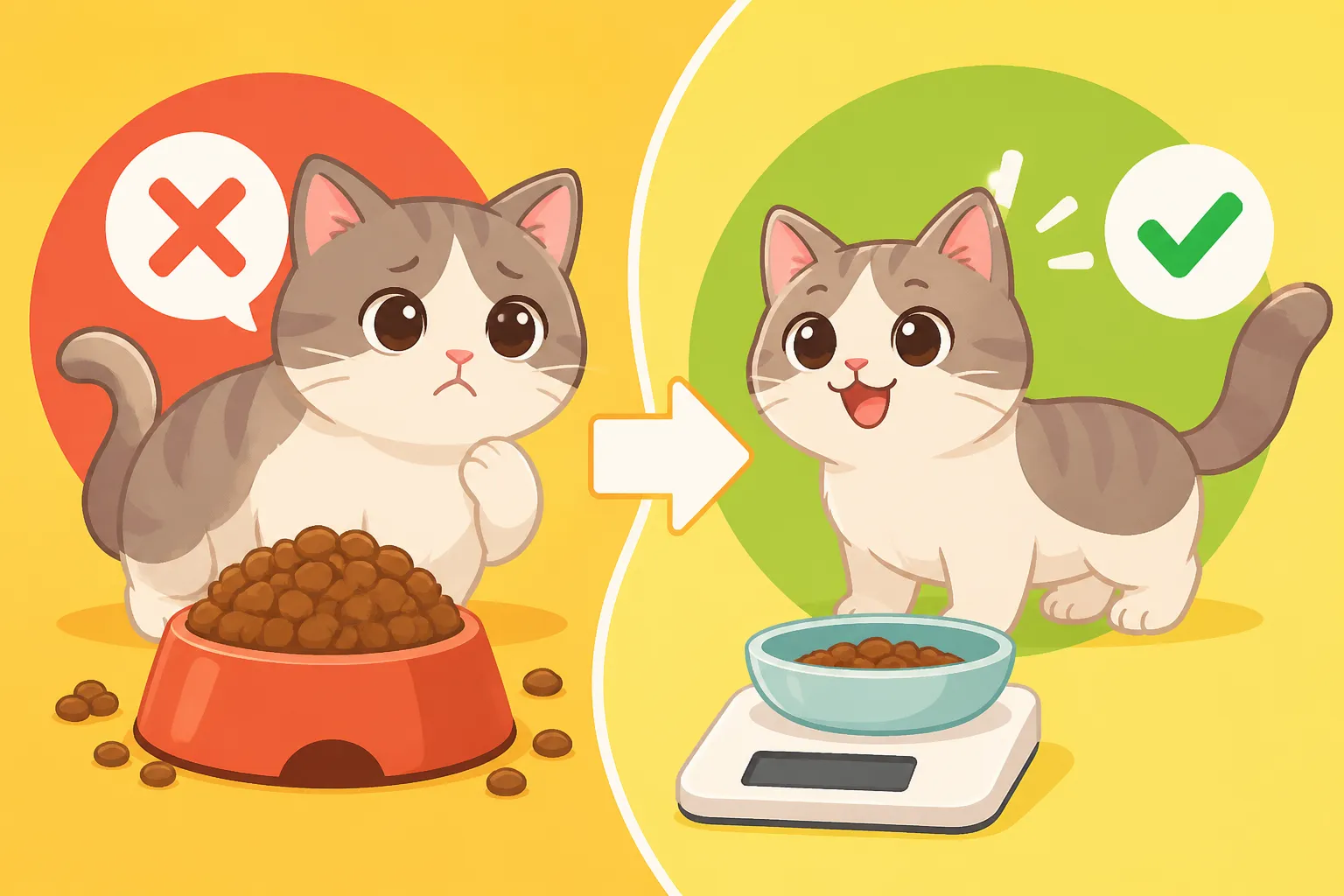
When your vet or food manufacturer recommends a specific amount, they're talking about weight, not volume. A digital kitchen scale measures accurately, ensuring your cat gets exactly what they need, every single time. It takes the guesswork out and gives you peace of mind that you're hitting the mark. This level of accuracy is paramount, especially when every extra gram is a burden on a Munchkin's delicate structure. Why Every Extra Gram Lands on a Munchkin's Spine is a stark reminder of this truth.
Understanding Calorie Needs for a Munchkin
Calculating your Munchkin's exact caloric needs isn't a simple task, and it's something best discussed with your veterinarian. Factors like age, activity level, whether they're spayed/neutered, and their current body condition all play a role. However, a good starting point is often the guidelines provided by the food manufacturer, but always interpret those with caution for a Munchkin. Many recommendations are for average-sized, average-activity cats, which your Munchkin may not be.
Your vet can help you determine your Munchkin's ideal body condition score (BCS) and then tailor a caloric intake to help them maintain or reach that ideal. For example, if your Munchkin is a bit on the chunky side, a vet might recommend a specific weight loss plan that requires strict calorie control. Conversely, if your cat is particularly active (even if floor-level active!) or still growing, their needs might be slightly higher.
Remember that How Much a Munchkin Eats Compared With Its Size might surprise you; it's often less than you'd assume. It's a fine balance, and weighing their food is the most reliable way to maintain that balance day in and day out. Don't forget to factor in any treats, especially if you're using high-calorie options. Those calories add up quickly!
How to Implement Accurate Food Weighing in Your Home
Making the switch from scooping to weighing might seem like an extra step, but it quickly becomes second nature. It's a small change with a huge payoff for your Munchkin's health.
Choosing the Right Tools for the Job
The good news is, you don't need fancy equipment. A basic digital kitchen scale is all you need. Look for one that measures in grams and has a tare function (which lets you zero out the weight of the bowl). You can find reliable and affordable options on platforms like Amazon or Chewy.
When selecting a scale, consider:
- Accuracy: It should measure in 1-gram increments.
- Capacity: Make sure it can handle the weight of your cat's food bowl plus the food itself.
- Ease of Cleaning: A smooth surface is easiest to wipe down.
- Readability: A clear, backlit display is always a plus.
Once you have your scale, the process is straightforward:
- Place your cat's empty food bowl on the scale.
- Press the "tare" or "zero" button to reset the display to zero.
- Slowly add your cat's food until the display shows the exact weight recommended by your vet or food guide.
- Serve!
It’s truly that simple. And if you're feeding wet food, the same principle applies. You can weigh the wet food directly onto the scale, even when portions are pre-calculated.
Making Weighing a Habit, Not a Hassle
At first, you might feel like you're performing a scientific experiment every mealtime. But trust me, it becomes a routine quickly. Here are some tips to make it seamless:
- Keep the scale accessible: Don't tuck it away in a drawer. Keep it on the counter next to your cat's food.
- Pre-portion if possible: If your cat eats dry kibble and you're comfortable with it, you could pre-weigh daily or even weekly portions into small airtight containers. This saves time during busy mornings.
- Involve the family: Ensure everyone who feeds your Munchkin understands the importance of weighing and knows how to use the scale. Consistency is key!
- Use the same bowl: Stick to the same food bowl if possible, as different bowls can have slightly different weights, though the tare function mitigates this.
- Think of it as self-care for your cat: Just like you prioritize your own healthy habits, this is a direct way to care for your Munchkin's longevity and comfort.
You'll quickly find that it adds mere seconds to your feeding routine but provides immense value in terms of health monitoring and peace of mind.
The Long-Term Benefits of Strict Portion Control
The effort you put into carefully weighing your Munchkin's food will pay dividends over their entire lifespan. It's an investment in their comfort, mobility, and overall happiness.
Protecting Their Precious Joints and Spine
As we've discussed, every extra pound is a heavy burden on a Munchkin's unique skeletal structure. Consistent, accurate portion control is your best defense against premature joint degradation and spinal issues. By maintaining an ideal body weight, you minimize the physical stress on their short legs and proportionally normal-length spine.
A lean Munchkin is a more active Munchkin. They'll be able to move more freely, play without undue strain, and enjoy a better quality of life. This proactive approach can significantly delay the onset of conditions like osteoarthritis. While joint issues can still occur with age, managing their weight can lessen their severity and improve their response to supportive care. Why a Munchkin's Shoulders Wear First and How to Tell Stiffness From Old Age in a Munchkin are relevant considerations, and proactive weight management can make a tangible difference in these areas. Your Munchkin's later years will be far more comfortable if their joints haven't been overworked by excess weight. You'll likely find yourself budgeting less for extensive physiotherapy or prescription pain relief if you manage their weight diligently from the start. Which Joint Supplements Suit a Munchkin can also be a valuable addition to their diet, but they work best on a lean frame.
Preventing Other Weight-Related Health Issues
Beyond joint and spinal health, obesity in cats, regardless of breed, contributes to a host of other serious medical conditions. These include:
- Diabetes: Overweight cats are at a significantly higher risk of developing type 2 diabetes.
- Heart Disease: Excess weight puts a strain on the cardiovascular system.
- Liver Disease: Fatty liver disease (hepatic lipidosis) can be a life-threatening condition for obese cats, especially if they stop eating for any reason.
- Urinary Tract Issues: Overweight cats can have trouble grooming properly, leading to increased risk of urinary tract infections. Which Litter Sticks to a Munchkin's Belly is a related issue, as an overweight Munchkin's belly is even closer to the ground, exacerbating cleanliness challenges.
- Reduced Quality of Life: Simply put, an overweight cat is less comfortable, less playful, and generally has a lower overall quality of life. They might struggle to groom themselves adequately, leading to matting and skin issues, particularly in their hindquarters, which they already find difficult to reach. How to Take Over an Old Munchkin's Grooming becomes even more critical for an overweight or older Munchkin.
By committing to weighing your Munchkin's food portions, you are actively taking steps to prevent these painful and often expensive health problems. It's a foundational element of responsible Munchkin ownership and helps ensure your beloved companion lives the happiest, healthiest, and longest life possible. Remember, your vet can provide guidance on What a Munchkin Should Weigh at Its Frame to help you set realistic goals for their ideal weight.
Disclaimer
This article is for general informational purposes only and does not constitute professional advice. Laws, prices and regulations vary by location and change over time. Consult a qualified professional for guidance on your specific situation.