Whether Grain Free Marketing Means Anything for a Munchkin
It's completely understandable to feel overwhelmed by the sheer volume of pet food options and the endless marketing messages that come with them. You're trying your best to give your beloved Munchkin the healthiest life possible, and when you see "grain-free" splashed across so many premium brands, it's natural to wonder if you're missing something crucial for their well-being. This guide is here to cut through the noise, helping you understand what grain-free marketing actually means, what your Munchkin truly needs, and how to make informed decisions about their diet without falling prey to unnecessary fads.
Understanding Grain-Free Cat Food Marketing
The pet food aisle can feel like a labyrinth, with every bag promising the best for your furry friend. Among the most prominent claims is "grain-free," a term that has become almost synonymous with health in many pet owners' minds. But what does this label truly signify, and why has it become such a powerful marketing tool? Let's unpack the realities behind the buzz.
What "Grain-Free" Actually Implies
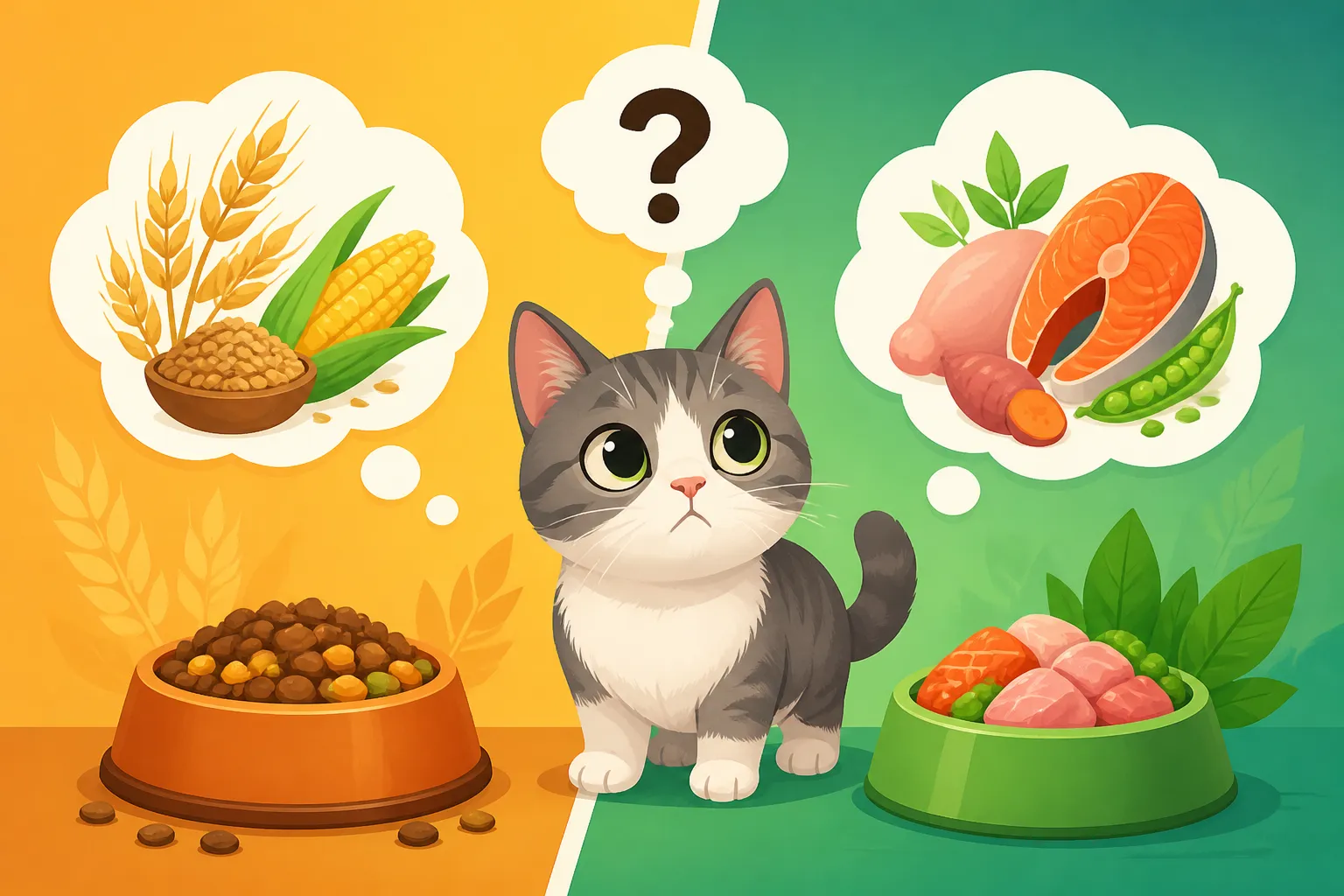
When a bag of cat food boasts being "grain-free," it simply means that it does not contain ingredients like wheat, corn, rice, barley, oats, or rye. These traditional grain sources are typically replaced with other carbohydrate-rich ingredients such as potatoes, sweet potatoes, peas, lentils, or tapioca. The fundamental purpose of these alternative ingredients is to provide the necessary carbohydrates to bind the kibble together and serve as an energy source, much like grains would. The goal isn't necessarily to reduce carbohydrates overall, but to replace specific types of carbohydrates.
It's a common misconception that grain-free automatically means low-carb, but that's not always the case. Some grain-free formulations can actually contain similar, or even higher, carbohydrate levels than their grain-inclusive counterparts, just from different sources. For instance, a food rich in sweet potatoes and peas might have a carbohydrate content comparable to one using corn or rice. The key difference lies in the source of those carbs, not necessarily the amount. As a Munchkin owner, understanding this distinction is really important, especially when you're also thinking about How Many Calories a Munchkin Needs to Stay Off Its Joints.
Common Marketing Claims and Their Appeal
The appeal of "grain-free" stems largely from clever marketing that taps into human health trends. Many pet owners, drawing parallels to popular human diets, assume that grains are inherently bad for pets. Claims often suggest that grains cause allergies, digestive issues, or are simply "fillers" without nutritional value. This narrative plays on our desire to provide the absolute best, implying that removing grains leads to a more "natural," ancestral diet akin to what wild felines would eat. Brands often highlight increased protein content or novel carbohydrate sources as superior alternatives.
For instance, you might see advertisements emphasizing that grain-free diets are "closer to a cat's natural diet," or "better for sensitive stomachs." While these claims sound compelling, they often lack broad scientific backing for the general cat population. The emotional connection we have with our pets makes us susceptible to these messages, leading us to believe that grain-free is a healthier, more premium choice, regardless of whether our individual cat truly needs it. It's a powerful psychological tool, and many pet parents, myself included, have been drawn in by the allure of doing "more" for our beloved companions. If you're looking for specific products, major retailers like Chewy often feature extensive "grain-free" selections, making it easy to see these marketing trends in action.
Nutritional Needs of a Munchkin Cat
Before we can truly evaluate the merits of grain-free diets, it's essential to understand what a Munchkin cat genuinely needs from its food. While their short legs make them unique, their fundamental nutritional requirements are still those of a feline, with a few important considerations due to their specific physical structure.
Essential Dietary Components for Feline Health
Cats, including Munchkins, are obligate carnivores. This means their bodies are designed to derive nutrients primarily from animal-based sources. Their diet absolutely must be rich in animal protein, which provides the essential amino acids like taurine that they cannot synthesize on their own. Fat is another critical component, offering concentrated energy and aiding in the absorption of fat-soluble vitamins. While carbohydrates aren't their primary energy source, they can be utilized, and dietary fiber from plant sources is beneficial for digestive health.
Beyond macronutrients, a complete feline diet also requires a specific balance of vitamins and minerals. For example, Vitamin A, Vitamin D, and various B vitamins are crucial, along with minerals like calcium, phosphorus, magnesium, and zinc. Water content is also incredibly important, especially for cats who are prone to urinary tract issues. Many vets will tell you that canned or wet food often helps increase a cat's overall water intake. Ensuring a balanced diet is vital for all cats, but especially for Munchkins, where maintaining optimal health can directly impact their comfort and mobility as they age.
How a Munchkin's Unique Physiology Affects Its Diet
While the core nutritional needs of a Munchkin are the same as any other cat, their unique short-legged physique introduces some important considerations. Their shortened limbs mean that weight management becomes even more critical. Why Weight Control Is the Whole Munchkin Care Plan isn't just a suggestion; it's a foundational aspect of their long-term health. Every extra gram of weight places additional stress on their joints and spine. Therefore, accurately portioned, calorie-controlled meals are paramount.
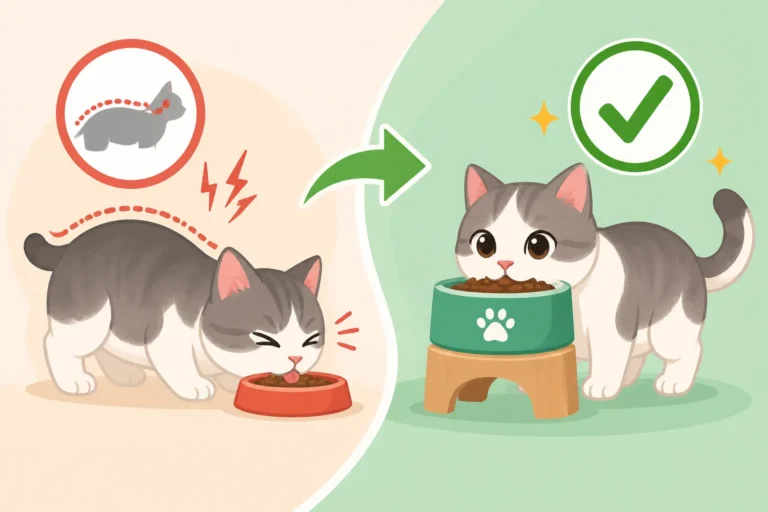
Their shorter stature can also influence how they eat and drink. You might find that a Munchkin strains less with How High a Munchkin's Food Bowl Should Sit if it's slightly raised or if they use a bowl that accommodates their shorter neck. Moreover, ensuring their diet supports joint health from an early age can be beneficial. Look for foods that include ingredients known to support cartilage and joint function, though these are often found in any quality cat food, not just grain-free ones. The goal is a diet that provides all necessary nutrients without contributing to excessive weight gain, which would only exacerbate any potential strain on their unique skeletal structure.
Separating Fact from Fiction for Your Munchkin
Navigating the claims surrounding grain-free cat food can be tough, especially when you want the very best for your Munchkin. Let's dig into the actual science and practical advice to help you make truly informed decisions for their lifelong health and comfort.
The Scientific Consensus on Grains in Cat Food
Here's the honest truth: for the vast majority of cats, grains in pet food are perfectly safe and digestible. Grains provide valuable carbohydrates for energy, fiber for digestion, and essential nutrients. The idea that grains are merely "fillers" or inherently harmful is largely unfounded for healthy felines. True grain allergies in cats are exceedingly rare, far less common than allergies to animal proteins like chicken or beef. If a cat does have a food allergy, it's almost always to a protein source, not a carbohydrate.
Reputable veterinary nutritionists and organizations generally agree that grain-inclusive diets, when properly formulated, are complete and balanced for cats. There's no scientific evidence to suggest that grain-free diets are superior for the average healthy cat. In fact, some studies have raised concerns about a potential link between certain grain-free, legume-heavy diets and dilated cardiomyopathy (DCM) in dogs, though this link is still being investigated and its relevance to cats is not fully understood. It's a complex area, but the takeaway is clear: don't assume grains are bad. Focus on the overall quality of ingredients and whether the food meets AAFCO (Association of American Feed Control Officials) nutritional standards for your cat's life stage. When considering Which Food Suits a Munchkin's Joints, the presence or absence of grains is far less important than the overall nutritional profile and calorie count.
When Grain-Free Might Actually Be Necessary (and it's rare!)
So, is there any scenario where grain-free food is truly beneficial for a cat? Absolutely, but these situations are highly specific and typically diagnosed by a veterinarian. If a cat has a diagnosed allergy to a specific grain (which, as mentioned, is rare), then a grain-free diet formulated without that particular grain would be necessary. However, more often than not, if a cat is experiencing digestive upset or skin issues, the culprit is an allergy or intolerance to a specific protein source, not a grain.
In such cases, a vet might recommend an elimination diet to pinpoint the exact allergen, or suggest a hydrolyzed protein diet where proteins are broken down into tiny components that the immune system doesn't recognize. Sometimes, a vet might suggest trying a limited ingredient diet, which could coincidentally be grain-free, but the primary goal is to reduce potential allergens, not specifically to avoid grains. For your Munchkin, it's crucial not to self-diagnose or put them on a specialized diet without professional guidance. Always consult your vet if you suspect a food sensitivity. They can help you figure out if a change like this is truly needed, and What a Munchkin Breeder Should Be Able to Show You about their kitten's health history could also offer clues.
Making Informed Decisions for Your Munchkin's Diet
Choosing the right food for your Munchkin doesn't have to be a guessing game. The best approach is to prioritize quality, complete, and balanced nutrition that supports their specific needs, especially for their joint health and weight. Instead of fixating on "grain-free," look at the ingredient list critically. The first few ingredients should ideally be animal-based proteins (chicken, turkey, salmon, etc.). Ensure the food is appropriate for your cat's life stage (kitten, adult, senior) and meets AAFCO standards.
Here's a handy comparison of what you might see in ingredient lists:
| Category | Typical Grain-Inclusive Ingredients | Typical Grain-Free Alternatives |
|---|---|---|
| Primary Carbs/Binders | Corn, wheat, rice, barley, oats, millet | Potatoes, sweet potatoes, peas, lentils, tapioca |
| Protein Sources | Chicken meal, salmon, beef, lamb, egg | Chicken meal, salmon, beef, lamb, egg |
| Fiber/Other | Beet pulp, flaxseed, cranberries | Alfalfa, chicory root, flaxseed, cranberries |
When browsing options, remember that balanced nutrition tailored to a cat's carnivorous needs matters more than a “grain-free” label as the sole marker of health. Ultimately, the best diet for your Munchkin is one that they thrive on, maintain a healthy weight with, and that supports their energy levels and coat condition. Regularly monitoring their body condition and consulting with your veterinarian for personalized advice, especially concerning their unique skeletal structure, will always be your best strategy for ensuring a long, happy, and comfortable life for your short-legged friend. How to Score a Munchkin's Body Condition is a skill every Munchkin owner should master.
Disclaimer
This article is for general informational purposes only and does not constitute professional advice. Laws, prices and regulations vary by location and change over time. Consult a qualified professional for guidance on your specific situation.