Why Japan Buys So Many Munchkins
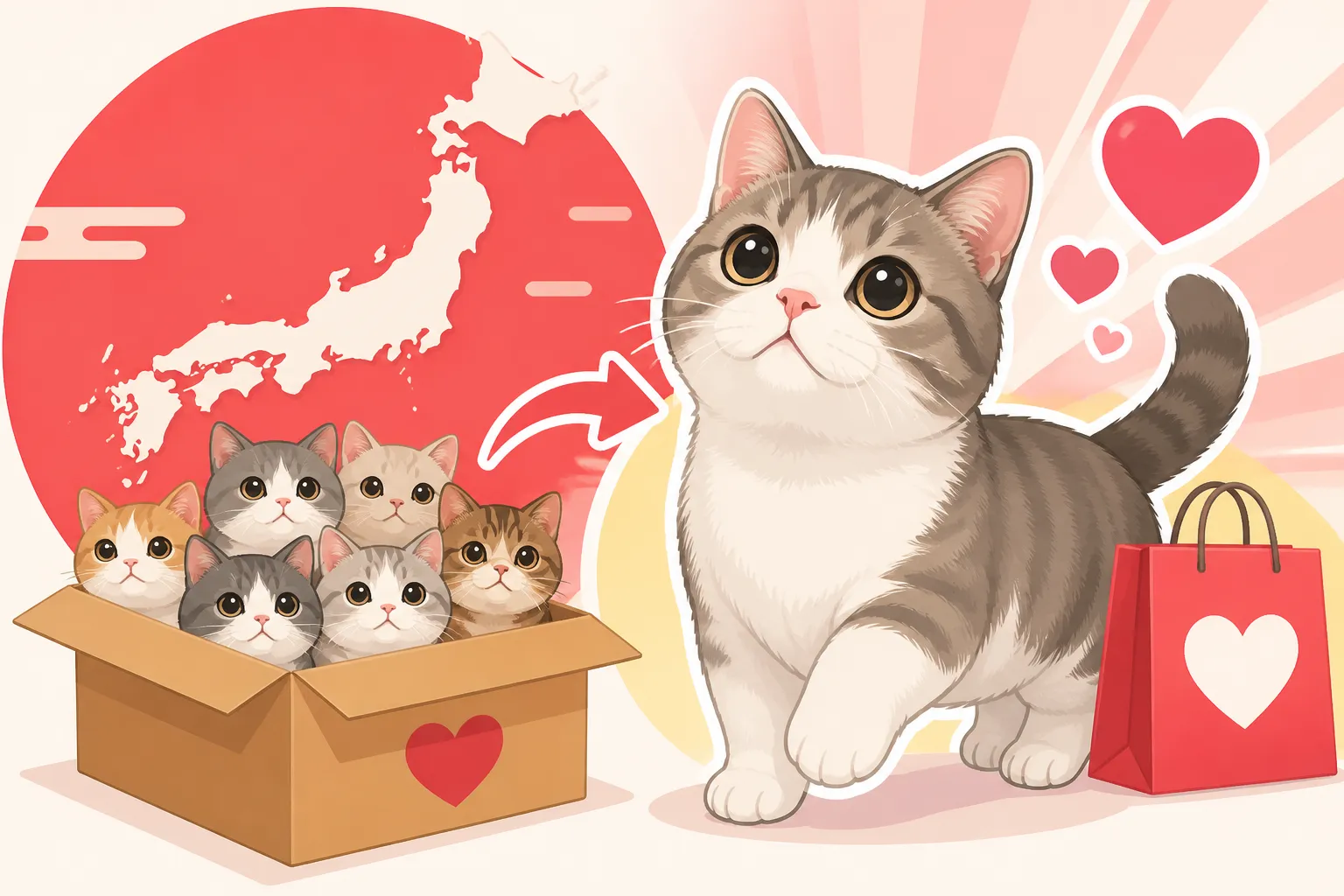
Japan’s enthusiasm for Munchkin cats is often explained by their short legs and photogenic looks, but appearance is only part of the story. Urban living, a strong appetite for distinctive companion animals, social media, and the realities of responsible breeding all shape the breed’s appeal. This guide separates plausible cultural influences from assumptions and explains what prospective owners should consider.
Why Munchkin cats appeal to Japanese buyers
Their distinctive look is easy to recognize
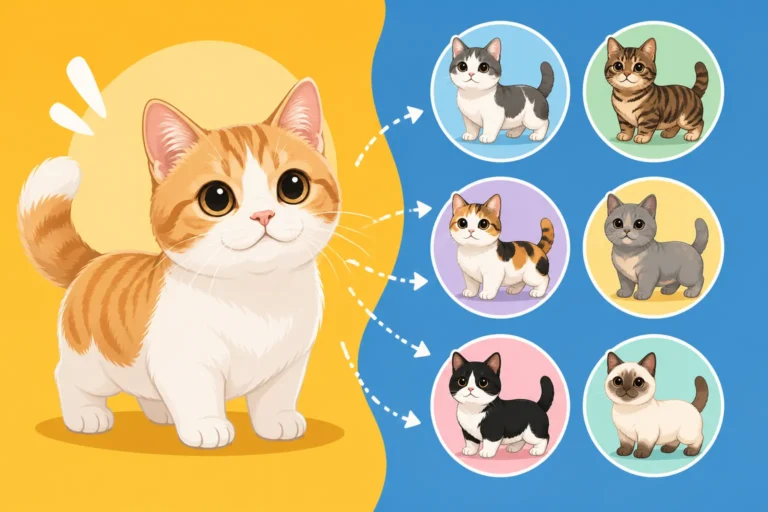
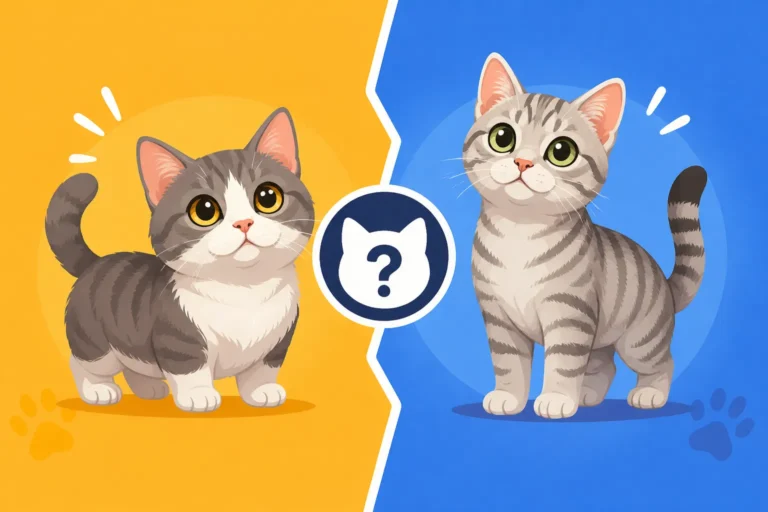
Munchkins stand out at a glance: their legs are short, while their bodies are generally proportioned like those of other domestic cats. That unusual silhouette is easy to remember and photograph, which helps explain why the breed attracts attention in a crowded market of popular companion animals. For buyers browsing pet listings or watching short videos, a Munchkin can be instantly recognizable.
Japan has a well-established culture of appreciating cute, characterful design in everyday life, from stationery to toys and mascots. It is tempting to treat that as a complete explanation for the breed’s popularity, but people do not all choose cats for the same reason. Some are drawn to the Munchkin’s appearance; others value an individual cat’s temperament, their own familiarity with the breed, or the practical fit between that cat and their household.
The breed’s name also adds to its recognizability. “Munchkin” has a playful, storybook sound, and its association with The Wizard of Oz gives the name a memorable quality. That cultural familiarity can make the breed easier to talk about and share, though a catchy name alone does not explain whether a particular home is right for one. For more on that association, see Why the Munchkin Is Named After the Wizard of Oz.
Social media makes a small, unusual cat highly visible
A cat walking close to the floor, sitting upright, or making an ambitious attempt to climb onto a sofa can make compelling video. Munchkins can attract attention because their movements and proportions look different from what viewers expect. Social platforms can turn that visual novelty into a loop: a striking clip gets shared, more people recognize the breed, and more prospective owners start searching for it.
That visibility can blur the line between entertainment and everyday care. A video may show a cat playing happily in a room, but it cannot tell viewers whether the animal has been responsibly bred, whether it moves comfortably, or whether its home is set up to suit its needs. A short clip also cannot show the quieter parts of ownership, such as grooming, weight management, routine veterinary care, and making furniture accessible.
Social media is therefore better understood as an amplifier than a single cause. It can help a breed become familiar, but it is not a reliable guide to an individual cat’s health or quality of life. Anyone whose interest begins with a viral Munchkin should look beyond the most charming clips and ask what the cat’s daily routine actually involves.
Why urban lifestyles may add to the breed’s appeal
Apartment living can make an indoor cat attractive
Many people in Japan live in apartments, particularly in dense urban areas such as Tokyo and Osaka. A smaller home can make prospective owners think carefully about the space a pet needs and whether an indoor lifestyle is manageable. Cats are often seen as a possible fit for apartment life because they can exercise and explore indoors when their environment is thoughtfully arranged.
A Munchkin’s compact appearance may seem especially suited to a smaller home, but short legs do not automatically make a cat easier to care for in a limited space. The layout matters more than the cat’s height. A home still needs room for a litter box, food and water, a comfortable resting place, scratching surfaces, and opportunities for play. Cats also need safe places to retreat and observe their surroundings.
Accessibility deserves particular attention. A cat may be able to reach a favorite sofa or bed using stable steps or a ramp, while a tall cat tree with widely spaced platforms may be less useful. Households considering how a Munchkin would manage an apartment can explore Whether an Apartment Suits a Munchkin and Which Household a Munchkin Fits. The key question is not simply whether the cat fits in the home, but whether the home lets that cat move around comfortably and safely.
Urban demand does not remove the need for preparation
Apartment living can encourage people to look for a companion animal that seems manageable indoors, but no breed is a shortcut around daily care. Munchkins need play, attention, grooming suited to their coat, and a clean litter area that they can enter comfortably. Their short legs may also affect how they reach furniture and favorite resting spots, so thoughtful home setup matters from the start.
Before bringing one home, a prospective owner can walk through the space at the cat’s level. Are the litter box and resting area easy to reach? Can the cat get onto furniture without repeatedly making difficult jumps? Is there a safe place to play that does not require negotiating cluttered floors? These ordinary details can matter more than the size of the apartment or the neighborhood where it is located.
Owners outside Japan may recognize the same planning questions when shopping for everyday supplies. Chewy can be one reference point for comparing routine cat-care products, such as grooming tools or litter accessories, but product suitability depends on the individual cat and the home. A retailer’s catalog does not replace advice from a veterinarian or a careful assessment of what the cat can use comfortably.
What popularity does and does not tell us
Visibility is not the same as a reliable sales count
People often ask whether Japan buys more Munchkins than other countries. That is difficult to answer confidently without comparable records. Breed registrations, sales listings, imports, and social media attention measure different things. A breed that appears frequently in online videos may feel exceptionally common even when those videos do not represent the number of cats living in the country.
The same problem applies when comparing Japan with the United States or other markets. Registration systems differ, and not every cat is registered with a breed organization. Some animals are advertised under a breed name without publicly verifiable pedigree information. Online searches can reveal what people are curious about, but they cannot by themselves establish how many cats have been bred or purchased.
For that reason, it is safer to describe the Munchkin as highly visible and notably appealing to some Japanese buyers than to treat a precise ranking as settled fact. A broader comparison is available in How Popular the Munchkin Is in Japan, How Popular the Munchkin Is Worldwide, and How Popular the Munchkin Is in America. The differences between those markets may be shaped by culture, availability, breeder practices, and the way each place records pedigreed cats.
| Factor | Why it may influence interest | What it cannot prove |
|---|---|---|
| Distinctive appearance | Makes the breed easy to recognize in person and online | That appearance is the only reason people choose one |
| Social media visibility | Spreads memorable images and videos quickly | How many Munchkins are actually owned or sold |
| Apartment living | Encourages interest in indoor companion animals | That short legs make care effortless in a small home |
| Breed availability | Affects how easily buyers encounter Munchkins | That every seller is responsible or every listing is verifiable |
| Cultural familiarity | Makes a breed or name easier to recognize | That all buyers share the same preferences |
Popularity does not settle welfare questions
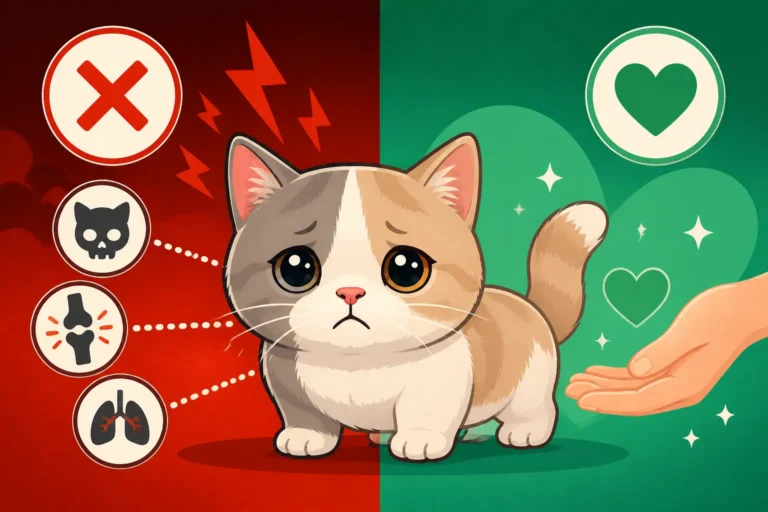
Interest in a breed is not proof that every breeding practice is responsible, nor does controversy alone tell an owner how an individual cat is doing. Munchkins are discussed because their short legs result from a genetic trait that affects limb development. People considering the breed should make room for honest questions about health, mobility, breeding choices, and veterinary oversight rather than relying on reassuring slogans or alarmist claims.
A careful buyer should ask to see health records, learn how the kitten was raised, and observe the cat moving on a flat surface. A responsible breeder should answer questions clearly and should not pressure a buyer to focus only on the shortest legs or the most unusual look. It is also reasonable to speak with a veterinarian before making a decision, especially if you have concerns about how the breed’s body shape could affect daily activity.
These are not questions to settle based on a single photo, a seller’s description, or a popular online opinion. For a fuller discussion of the choice involved, see Whether Buying a Munchkin Is an Ethical Decision. Readers may also find What Munchkin Owners Wish They Had Known helpful for thinking about the practical side of living with the breed.
What prospective owners should consider before buying
Judge the individual cat, not the trend
If a Munchkin’s popularity in Japan has caught your attention, use that interest as a starting point for research rather than a reason to rush. Ask about the cat’s background, health history, and routine. Watch how the kitten walks, plays, rests, and responds to people. If you are adopting an adult cat, ask what the animal can comfortably reach and whether there are known mobility or grooming needs.
A good home is one where the cat’s everyday essentials are accessible without forcing it to take repeated leaps. Set up low-entry litter access, stable steps or ramps where needed, and places to rest at floor level as well as on furniture. Keep play interactive and enjoyable, but do not assume that a cat’s willingness to attempt a jump means every landing is easy on its body.
A prospective owner should also consider the household’s routine. Who will brush the cat, monitor its weight, arrange veterinary visits, and make changes if mobility needs shift over time? If those responsibilities fit comfortably into the household’s life, the decision is more likely to be grounded in the cat’s needs instead of in a trend or a striking appearance.
Check the seller’s answers and your local rules
Before paying a deposit or taking a cat home, ask the seller to explain the kitten’s history and provide relevant veterinary documentation. Ask to see the kitten moving, and, where possible, observe its parents. A seller who answers questions openly is more reassuring than one who relies on urgency, vague claims, or guarantees that sound absolute. If anything is unclear, pause and seek independent advice.
Do not assume that every country, registry, or seller uses breed terms in the same way. Registration options and local rules can differ, and a listing’s label is not a substitute for records. Buyers in Japan should check the requirements that apply where they live and verify the seller’s documentation rather than relying on a social media profile or an attractive advertisement.
Finally, make the decision with the individual cat in mind. Japan’s interest in Munchkins may reflect a mix of visual appeal, online visibility, apartment living, and local pet culture, but none of those factors tells you whether a particular kitten is healthy or whether your home is a good match. Careful research, realistic preparation, and an unhurried conversation with a veterinarian can help you look past the trend and focus on the cat.
Disclaimer
This article is for general informational purposes only and does not constitute professional advice. Laws, prices and regulations vary by location and change over time. Consult a qualified professional for guidance on your specific situation.