Which Blood Values Matter Most in a Munchkin
It's a genuine worry for any cat parent: how do you truly know if your beloved feline friend is healthy, especially when they might not show signs of discomfort until an issue is quite advanced? For Munchkin cat owners, this concern can be amplified by unique breed considerations. This guide aims to demystify the most important blood values your veterinarian monitors, helping you understand what those numbers mean for your Munchkin's overall well-being.
Understanding Your Munchkin's Baseline Bloodwork
Bringing your Munchkin in for regular check-ups is one of the most proactive steps you can take for their health. These visits aren't just for vaccinations; they're vital opportunities for your vet to assess everything from their gait to their gum health, and crucially, to run important diagnostic tests like blood panels. Often, these tests are done before any noticeable symptoms appear, which is really the best-case scenario for managing potential issues early.
Why Regular Blood Panels Are Crucial for Munchkins
You might wonder, "My cat seems perfectly fine, why do they need blood tests?" The truth is, many health conditions, especially in cats, are masters of disguise. Our feline companions are incredibly good at hiding pain or illness, a remnant of their wild instincts where showing weakness could make them vulnerable. For a Munchkin, whose unique physiology can sometimes mask or complicate typical symptoms, this inherent stoicism makes regular bloodwork even more critical. These routine panels establish a "baseline" for your individual cat when they're healthy. This way, if something changes in the future, your vet has a point of comparison to identify subtle shifts that could indicate an emerging health problem long before it becomes obvious. It’s not just about finding existing problems; it’s about creating a historical record for informed, long-term care, especially when thinking about What the Twelve to Fifteen Years a Munchkin Usually Gets.
What a Routine CBC Reveals About Your Cat
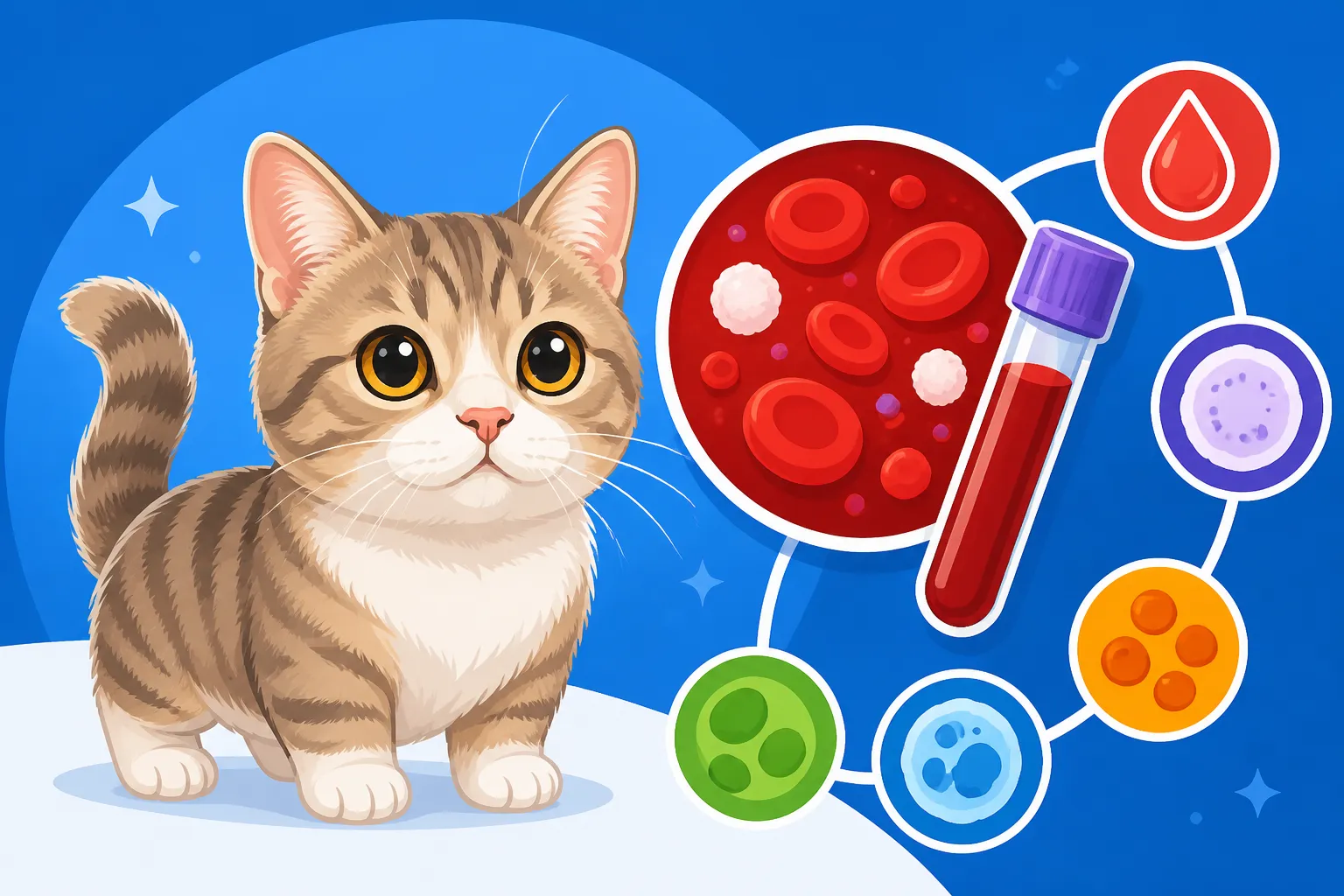
The Complete Blood Count, or CBC, is a foundational test that provides a snapshot of your Munchkin's red blood cells, white blood cells, and platelets. Think of it as a comprehensive report card for their blood cells.
Red blood cells are vital for carrying oxygen throughout the body. If your Munchkin's red blood cell count is low, or if the cells themselves are small or pale, it could point to anemia, which can have various underlying causes from nutritional deficiencies to chronic disease. A high count might indicate dehydration or other less common issues.
White blood cells are the body's defenders, essential for fighting off infections and inflammation. Elevated white blood cell counts often signal an infection or inflammatory process somewhere in the body, while unusually low counts could indicate a weakened immune system or certain viral infections. Given that Munchkins might experience more strain on their joints, monitoring for any signs of inflammation through their white blood cell count can be a subtle early warning system, even before they start showing obvious signs of discomfort.
Platelets are crucial for blood clotting. If your Munchkin has a low platelet count, it could put them at risk for excessive bleeding. Conversely, a very high count might suggest inflammation or a bone marrow disorder.
Interpreting the Chemistry Panel for Organ Health
Beyond the CBC, a blood chemistry panel provides insight into the function of your Munchkin’s organs, including the kidneys, liver, and pancreas, and checks for electrolyte imbalances. This panel helps your vet assess metabolic function and the health of critical internal systems. It measures substances like glucose (blood sugar), electrolytes (like sodium, potassium, and chloride), and proteins, offering a broad view of overall physiological well-being.
For example, checking blood glucose levels is important for identifying conditions like diabetes, particularly relevant for a breed like the Munchkin where weight management is a paramount concern. Electrolytes play a crucial role in nerve and muscle function, and imbalances can indicate anything from dehydration to kidney issues. Furthermore, the levels of various proteins, such as albumin and globulin, can tell your vet about your Munchkin's hydration status, nutritional health, and even reveal underlying inflammatory conditions or certain immune system responses. These values, when viewed together, paint a detailed picture of how efficiently your Munchkin’s internal machinery is running, allowing for early intervention if any values fall outside the normal range.
Key Blood Values to Watch for in Munchkins
While all blood values are important, some carry particular significance for Munchkin cats due to their inherent breed characteristics and the health challenges that can sometimes accompany them. Understanding these key markers can help you engage more fully in your Munchkin's health journey.
Renal Markers: Keeping an Eye on Kidney Function
Kidney disease, particularly Chronic Kidney Disease (CKD), is a common ailment in aging cats, and Munchkins are no exception. The kidneys are powerhouse organs responsible for filtering waste products from the blood. When they start to falter, these waste products can build up, making your cat feel unwell. Key renal markers in a blood chemistry panel include Blood Urea Nitrogen (BUN), Creatinine, and Symmetric Dimethylarginine (SDMA).
BUN and Creatinine are waste products that healthy kidneys efficiently remove from the bloodstream. Elevated levels often indicate that the kidneys aren't doing their job as effectively as they should. However, these values often don't become elevated until a significant portion of kidney function (sometimes as much as 75%) has already been lost. This is where SDMA comes in. SDMA is a more sensitive and earlier indicator of kidney disease, capable of detecting kidney issues when only about 25-40% of kidney function has been compromised. Catching kidney disease early, as discussed in How Kidney Disease Arrives in an Old Munchkin, can make a huge difference in managing the condition and maintaining your Munchkin's quality of life. Regular monitoring, especially as your Munchkin approaches their senior years, is absolutely vital.
Liver Enzymes: Spotting Potential Issues Early
The liver is another critical organ, performing hundreds of vital functions, including detoxification, protein synthesis, and digestion. Blood tests measure liver enzymes like Alanine Aminotransferase (ALT), Alkaline Phosphatase (ALP), and Bilirubin. Elevated levels of these enzymes can be a red flag, indicating liver damage or disease, although they don't always pinpoint the exact cause.
For instance, an increase in ALT typically suggests liver cell damage, while elevated ALP can indicate issues with bile flow or certain other conditions, including bone growth (which is less common in adult cats but can be seen in kittens). Bilirubin is a byproduct of red blood cell breakdown, and high levels can suggest liver dysfunction, bile duct obstruction, or excessive red blood cell destruction. Since Munchkins, like all cats, can be prone to conditions such as fatty liver disease (hepatic lipidosis) if they stop eating for even a short period, or cholangitis, monitoring these values is a crucial part of their preventive health care. Early detection of liver issues through bloodwork can allow your vet to investigate further and initiate treatment before more severe symptoms manifest.
Glucose and Pancreatic Health
Glucose, or blood sugar, is the primary source of energy for your Munchkin's cells. The pancreas produces insulin, a hormone essential for regulating glucose levels. A blood chemistry panel measures glucose, providing insight into pancreatic function and the potential for diabetes. Persistently high glucose levels indicate diabetes mellitus, a condition where the body either doesn't produce enough insulin or can't use it effectively.
While Munchkins don't have a direct genetic predisposition to diabetes, their unique body structure means that Why Weight Is More Dangerous on a Munchkin. Obesity is a significant risk factor for diabetes in cats. Because a Munchkin’s short legs can naturally limit their activity level, careful diet and weight management become even more critical. Monitoring glucose levels regularly can help catch the early stages of insulin resistance or pre-diabetic conditions, allowing for dietary adjustments or other interventions before full-blown diabetes develops. It’s a proactive step that can save your cat from a lifetime of insulin injections and associated complications.
Specific Concerns Related to Munchkin Physiology
Beyond the general health markers, some blood values or their implications can be viewed through the lens of a Munchkin's unique physical characteristics. Their short legs, while adorable, do present certain considerations for their overall health and how their body manages stress and aging.
Inflammatory Markers and Joint Health
While there isn't a single "joint health" blood test, general inflammatory markers found within a CBC, such as elevated white blood cell counts, specifically neutrophils or lymphocytes, can provide clues. Inflammation in cats can be subtle, but for a Munchkin, whose short limbs mean their joints bear weight and impact differently than a long-legged cat, any chronic or recurring inflammation warrants attention. Imagine the repeated impact on their elbows and shoulders from even normal activities like jumping onto a low couch; over time, this can lead to wear and tear.
If your Munchkin's bloodwork consistently shows signs of inflammation, even without obvious symptoms of lameness or pain, it might prompt your vet to investigate further for underlying joint issues, even at an earlier age than you might expect for Whether a Munchkin Gets Arthritis Earlier. This proactive approach could involve X-rays or a more thorough orthopedic examination. Managing inflammation early, whether through diet, supplements, or environmental modifications like ramps and steps, can go a long way in supporting their joint health throughout their life. It's about being vigilant for those subtle hints in the bloodwork that their body might be under a bit more stress than a typical cat's.
Thyroid Function: A Common Concern for Senior Felines
Hyperthyroidism is an extremely common endocrine disorder in middle-aged to senior cats. It occurs when the thyroid gland, located in the neck, produces excessive amounts of thyroid hormones. Symptoms can include weight loss despite a ravenous appetite, increased thirst and urination, hyperactivity, and a greasy coat. While not exclusive to Munchkins, it's a condition that any aging cat, including yours, needs to be screened for regularly.
The primary blood test for thyroid function is a Total T4 measurement. If T4 levels are elevated, it's a strong indicator of hyperthyroidism. Early detection of hyperthyroidism is crucial because if left untreated, it can lead to serious secondary complications, including heart disease and high blood pressure. For a Munchkin, managing their overall health, especially as they get older, is key to ensuring Caring for a Munchkin Past Ten is as comfortable as possible. Regular thyroid screening, often recommended annually for senior cats, becomes an indispensable part of their wellness routine to catch this common ailment before it progresses too far.
Nutritional Markers and Weight Management
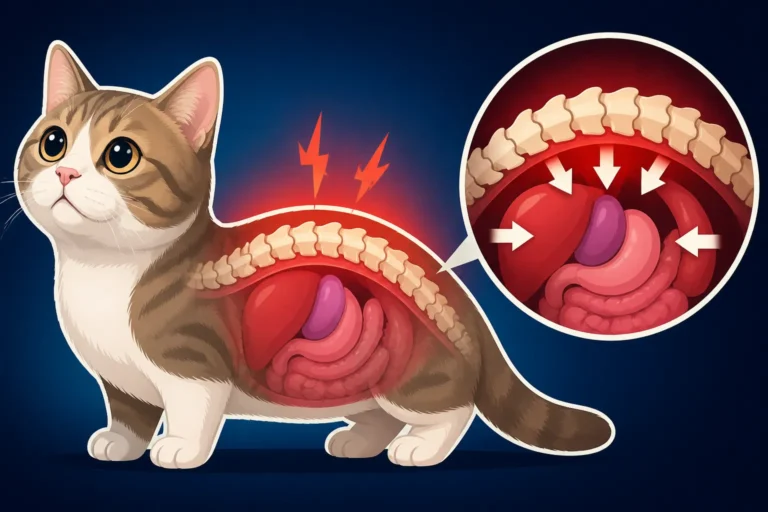
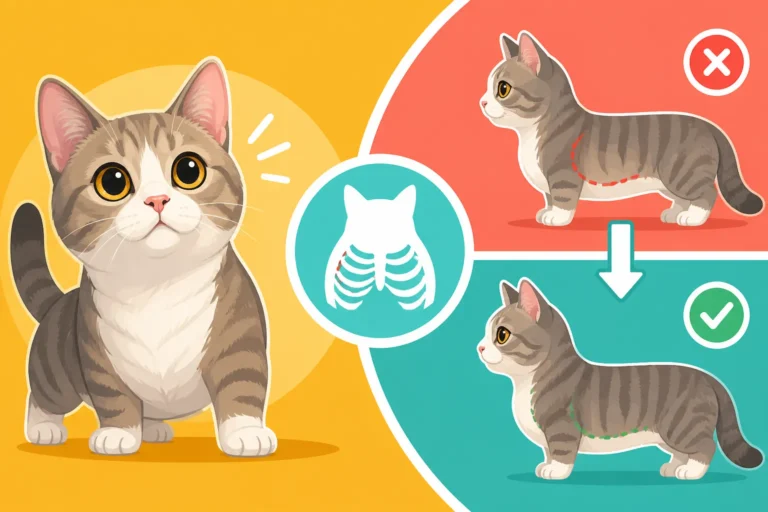
For Munchkin cats, maintaining an ideal body weight is not just about aesthetics; it's a critical component of their health and comfort. Their short legs mean their skeletal structure is designed to carry weight closer to the ground, but excessive weight puts undue strain on their spine and joints, which are already working harder than those of a long-legged cat. Blood values that can indirectly reflect nutritional status and overall metabolism include total protein, albumin, and globulin levels.
Total protein measures the overall amount of protein in the blood, while albumin is a major protein responsible for maintaining osmotic pressure and transporting various substances. Globulins are involved in immune function. Deviations in these levels can indicate hydration issues, liver or kidney disease, malabsorption, or chronic inflammation, all of which can affect a cat's ability to maintain a healthy weight and derive proper nutrition from their food. For a Munchkin, keeping these values balanced is crucial. If your vet notices changes, it might prompt a discussion about dietary adjustments or investigations into underlying conditions that are impacting their metabolism or nutrient absorption. This is especially important for a breed where every extra pound really does count, and where a balanced diet tailored to their activity level helps prevent problems down the line.
Here’s a quick glance at some important blood values and what they indicate:
| Value Group | Specific Markers | What it Measures | High Levels May Indicate | Low Levels May Indicate |
|---|---|---|---|---|
| Red Blood Cells | RBC, Hgb, Hct | Oxygen-carrying capacity, anemia | Dehydration, certain bone marrow disorders | Anemia, blood loss, chronic disease, nutritional issues |
| White Blood Cells | WBC, Neutrophils, Lymphocytes | Infection, inflammation, immune response | Infection, inflammation, stress, certain cancers | Immunosuppression, viral infections, bone marrow issues |
| Platelets | PLT | Blood clotting ability | Inflammation, certain cancers | Bleeding disorders, bone marrow suppression, tick-borne diseases |
| Kidney Function | BUN, Creatinine, SDMA | Kidney's ability to filter waste | Kidney disease, dehydration, urinary obstruction | Liver disease (BUN), muscle wasting (Creatinine) |
| Liver Function | ALT, ALP, Bilirubin | Liver cell damage, bile flow, detoxification | Liver disease, bile duct obstruction, certain medications | Malnutrition, severe liver disease (rarely low) |
| Pancreatic/Glucose | Glucose | Blood sugar levels, diabetes risk | Diabetes, stress, pancreatic issues | Hypoglycemia, liver disease, certain tumors |
| Proteins | Total Protein, Albumin, Globulin | Hydration, nutrition, immune status, inflammation | Dehydration, chronic inflammation, certain immune disorders | Malnutrition, liver disease, kidney disease, malabsorption |
| Thyroid | T4 | Thyroid hormone levels | Hyperthyroidism | Hypothyroidism (rare in cats) |
Preparing for Your Munchkin's Blood Draw and Follow-Up
Getting blood drawn can be a little stressful for cats and their owners, but understanding the process and preparing properly can make it much smoother. What happens after the sample is taken is just as important as the draw itself – interpreting those results is key to your Munchkin's ongoing health.
The Importance of a Fasting Sample
One of the most common instructions you'll receive before a blood draw for your Munchkin is to fast them for a certain period, usually 8-12 hours, before their appointment. While it might feel a little tough to withhold food from your hungry kitty, this step is absolutely critical for obtaining accurate results from the blood chemistry panel. When a cat eats, the digestive process introduces fats and sugars into the bloodstream, which can temporarily elevate glucose levels or cause lipemia (a cloudy, fatty appearance of the blood).
This lipemia can interfere with the laboratory equipment, leading to inaccurate readings for various parameters like liver enzymes, triglyceride levels, and even some electrolytes. A non-fasted sample might give your vet a false positive for a condition, leading to unnecessary worry or repeat tests, or even worse, a false negative that misses an important health concern. Water, however, should always be available unless specifically instructed otherwise by your vet. If your Munchkin is particularly food-motivated, try to schedule their appointment for first thing in the morning to minimize their fasting time and get them back to their regular meal routine as quickly as possible.
Discussing Results with Your Veterinarian
Once your Munchkin's bloodwork is complete, your veterinarian will contact you to discuss the results. This is your opportunity to understand what those numbers mean for your cat. Don't be shy about asking questions! It's perfectly normal to feel overwhelmed by medical terminology, and your vet is there to explain everything in plain language. Ask about any values that are outside the normal range, what those deviations could indicate, and what the next steps might be.
For example, if certain kidney values are slightly elevated, you might ask, "Does this mean my Munchkin has early kidney disease, or could it be related to something else?" or "What changes can we make in their diet or lifestyle to support their kidney health?" Understanding the significance of these tests in the context of Which Health Problems the Munchkin Actually Has is vital. If a particular value is a concern, your vet might recommend further diagnostics, a change in diet, medication, or more frequent monitoring. Make sure you leave the conversation feeling informed and confident about the plan moving forward for your furry friend.
Leveraging Pet Insurance for Diagnostic Costs
Diagnostic tests, especially comprehensive blood panels and follow-up imaging, can add up financially, which is a concern for many pet parents. This is where pet insurance can be a real lifesaver. Companies like Healthy Paws offer various plans that can help cover the costs of unexpected illnesses and accidents, often including diagnostic bloodwork. Investing in a good pet insurance policy when your Munchkin is young and healthy can provide immense peace of mind down the road.
Before purchasing, it's always wise to research different providers and understand what their policies cover, especially concerning hereditary or congenital conditions. While Munchkin dwarfism itself isn't typically covered as an illness, complications that might arise from their unique anatomy – like certain joint issues or spinal problems – could potentially lead to covered diagnostic and treatment costs if the policy terms allow. Being prepared for the financial aspects of veterinary care means you can always make health decisions based on what’s best for your Munchkin, rather than being constrained by cost. Many policies, including those from Healthy Paws, allow you to submit claims directly, making the reimbursement process straightforward. It’s an investment in your Munchkin’s future health security.
Long-Term Monitoring and Proactive Care
Caring for a Munchkin isn't just about addressing issues as they arise; it's about a lifelong commitment to proactive health management. Establishing patterns, understanding changes, and knowing when to act are all crucial aspects of ensuring your short-legged friend lives a long, happy, and comfortable life.
Establishing a Baseline When Your Munchkin is Young
One of the most valuable things you can do for your Munchkin's long-term health is to establish a "normal" baseline for their blood values when they are still young and healthy. This initial set of bloodwork, often performed around their first year or during their kitten checks, serves as a reference point for all future tests. Think of it like mapping out a unique health blueprint for your specific cat.
Cats, like people, have individual variations in what is considered "normal" within the general reference ranges. What might be a slight deviation for one cat could be perfectly normal for yours. Having this baseline allows your veterinarian to detect subtle changes that might otherwise be dismissed. For instance, a slight but consistent upward trend in a kidney value over several years, when compared against your Munchkin's own healthy baseline, could signal very early kidney changes that a generalized normal range might not flag as significant until later. This early detection is paramount for conditions like How Kidney Disease Arrives in an Old Munchkin, allowing for timely interventions that can slow progression and improve outcomes.
Frequency of Bloodwork as Your Munchkin Ages
The frequency of routine bloodwork will typically increase as your Munchkin cat gets older. For healthy adult Munchkins (typically aged 1-7 years), annual wellness exams usually include a CBC and chemistry panel. This annual check helps catch any developing issues early, before they become clinical.
As your Munchkin enters their senior years, generally around 7-10 years old, your vet will likely recommend more frequent blood tests. For cats over the age of 7, a comprehensive blood panel twice a year is often advised. This increased frequency is because older cats are more susceptible to age-related conditions such as kidney disease, hyperthyroidism (as explored in Why Hyperthyroidism Catches an Older Munchkin), and diabetes. More frequent screening allows for the earliest possible detection and intervention, which can significantly impact the prognosis and quality of life for your senior Munchkin. Discuss with your vet about How Often a Healthy Adult Munchkin Needs Checking and how this schedule should adapt as they age.
When to Seek Immediate Veterinary Attention
While routine bloodwork is fantastic for proactive health, there are times when your Munchkin's symptoms warrant immediate veterinary attention, even if their last blood panel was clear. Cats can decline quickly, and certain signs are clear indicators that something is wrong and prompt diagnostic tests, including bloodwork, are needed urgently.
Look out for sudden changes in behavior, such as extreme lethargy, hiding, or unusual aggression. Vomiting and diarrhea, especially if persistent, can lead to rapid dehydration and electrolyte imbalances, which a vet will assess with blood tests. A sudden loss of appetite or a significant decrease in water intake (or conversely, an extreme increase in thirst and urination) are also red flags. Difficulty breathing, sudden weakness, or any obvious signs of pain or discomfort, such as limping or an inability to use their litter box properly, require immediate evaluation. These acute symptoms bypass the need for scheduled bloodwork; they necessitate an emergency visit to determine the underlying cause and provide critical care, which will almost certainly involve blood tests to guide diagnosis and treatment. Early intervention can literally be life-saving for your Munchkin, determining What a Munchkin Most Often Dies Of.
Disclaimer
This article is for general informational purposes only and does not constitute professional advice. Laws, prices and regulations vary by location and change over time. Consult a qualified professional for guidance on your specific situation.