Whether All Four Munchkin Legs Are Equally Short
When you first meet a Munchkin cat, their adorable short legs are often the first thing you notice, and it's perfectly natural to wonder if those little limbs are all uniform in length. Many new or prospective Munchkin owners envision a perfectly symmetrical, pint-sized feline, but the reality of their unique anatomy, stemming from the genetic mutation responsible for their short stature, is a bit more nuanced than that. This guide will walk you through the specifics of Munchkin leg conformation, helping you understand how their legs differ and what that means for their everyday life.
Understanding the Unique Munchkin Stature
The defining characteristic of the Munchkin cat is their short legs, a result of a naturally occurring genetic mutation that affects the long bones of the limbs. However, this doesn't mean all four legs are cut from the same cloth, so to speak. The way this dwarfism manifests can lead to subtle, or sometimes more pronounced, differences in leg length and angulation, which is crucial for owners to understand.
The Genetic Basis of Short Legs
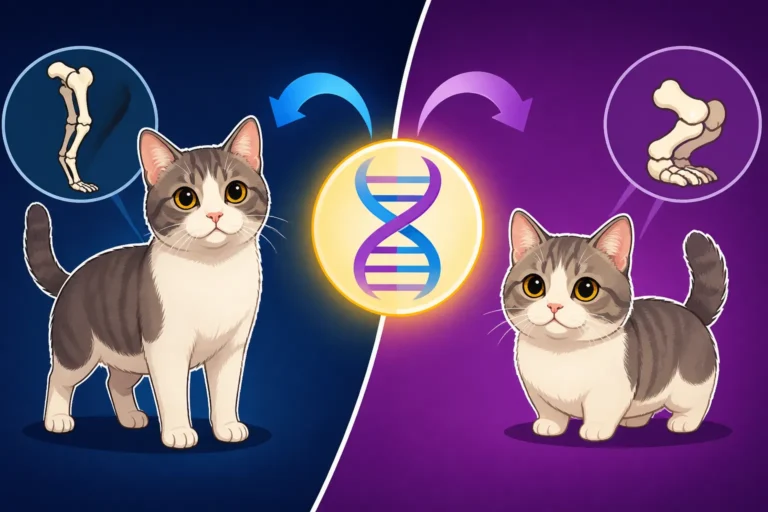
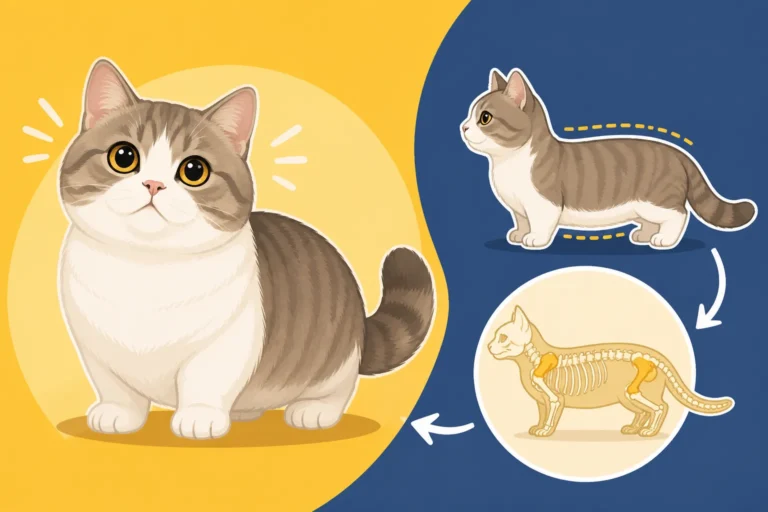
The Munchkin breed's short legs are caused by an autosomal dominant gene that results in a condition called pseudoachondroplasia. This isn't true dwarfism in the sense of affecting overall body size or head proportion, but rather specific to the long bones. Unlike some forms of dwarfism, the Munchkin's body length and head size remain proportionate to a regular-sized cat; it's just their legs that are shorter. This gene influences the growth plates in the leg bones, leading to prematurely shortened limbs. Because it's a dominant gene, only one copy is needed for a cat to display the trait. You might be interested in learning more about Munchkin Dwarfism Is Dominant and Lethal in Two Copies.
What's fascinating is that the expression of this gene isn't always perfectly uniform across all four limbs. While generally all four legs are notably shorter than those of a non-Munchkin cat, you'll often find that the front legs, or forelegs, can appear slightly shorter or more bowed than the hind legs. This isn't a defect in a well-bred Munchkin, but rather a characteristic presentation of the breed's conformation. The degree of this difference can vary between individuals, even within the same litter. Some Munchkins might have a very slight variation, while others might have a more noticeable difference in the apparent length and straightness of their front versus back legs.
Visual Differences in Leg Length
When you observe a Munchkin, particularly as they stand or walk, you might notice that their front legs tend to be shorter than their hind legs. This often gives them a slightly 'raised' appearance in the rear, or a perception that their back slopes gently downwards towards their shoulders. This isn't a universal rule, but it's a common characteristic. The front legs can also appear more bowed, giving them a distinct 'ferret-like' gait that is one of their endearing qualities.
Consider a kitten in a litter; you'll see a range of leg lengths from "standard" Munchkins, which have the recognizable short legs but are still quite mobile, to "rug huggers," whose legs are exceptionally short, causing their belly to almost graze the ground. Regardless of the overall shortness, the subtle difference between front and back legs often persists. This difference is part of their breed standard, as outlined by The International Cat Association (TICA), which recognizes and champions the breed. They look for a robust, well-muscled cat whose short legs are proportionate to their body, even with these subtle length differences. You might want to explore How Short a Munchkin's Legs Actually Are for more specific measurements.
How Leg Length Impacts Movement and Balance
The unique leg conformation of Munchkin cats fundamentally shapes their movement and interaction with the world. Their shorter limbs, and the slight disparities between front and hind leg lengths, require adaptations in how they navigate their environment, which any prospective owner needs to be fully aware of.
The Front vs. Hind Leg Dynamic
Because a Munchkin's hind legs are often slightly longer and more muscular, they act as powerful springs, giving these cats surprising bursts of speed on level ground. They can push off with considerable force, allowing them to chase toys and dart around with an almost comical agility. However, the relatively shorter front legs mean that their center of gravity is lower to the ground, and their ability to absorb impact when landing from even small jumps is different from a long-legged cat. This front-to-back dynamic influences everything from how they run to how they groom themselves.
This difference in leg length also affects their ability to jump. While a regular cat might effortlessly leap onto a kitchen counter or a tall bookshelf, a Munchkin's reach is significantly limited. They'll often attempt to use furniture or other objects as intermediate steps, employing a more calculated, multi-stage climb rather than a single powerful jump. When they do jump, it's typically lower and often involves a characteristic "prairie dog" sit to survey their surroundings first, demonstrating the reliance on their hind legs for elevation. This isn't a sign of weakness, but rather a clever adaptation to their physical build. Understanding this dynamic is key to providing a safe and enriching environment for your Munchkin.
Compensatory Movements and Adaptations
Munchkins are incredibly adaptable creatures. Despite their anatomical differences, they develop a range of compensatory movements that allow them to live full, active lives. Their low center of gravity, for instance, makes them incredibly stable, allowing them to corner at high speeds during play without tipping over, almost like a miniature sports car. They also develop a unique "waddle" or "ferret-like" gait that is both efficient and charming. This distinctive walk is a direct result of their short limbs and the way their body moves to maintain momentum and balance.
When it comes to reaching things, Munchkins get creative. Instead of jumping high, they might stand on their hind legs (the famous "prairie dog sit") to get a better view or reach a low surface. They become masters of using ramps, steps, and carefully placed furniture to access desired locations. Their agility often surprises people; while they can't jump like a regular cat, they can be remarkably fast on the flat and incredibly adept at navigating complex floor-level obstacles. This showcases their innate intelligence and determination to get where they want to be. The discussion around Whether a Munchkin Is in Pain From Its Legs often highlights these adaptations as proof of their comfort.
Practical Considerations for Munchkin Owners
Owning a Munchkin cat involves a few unique considerations, particularly concerning their physical environment and routine care. Understanding their leg conformation and how it impacts their abilities is essential for ensuring their comfort, safety, and long-term health.
Assessing Your Munchkin's Leg Conformation
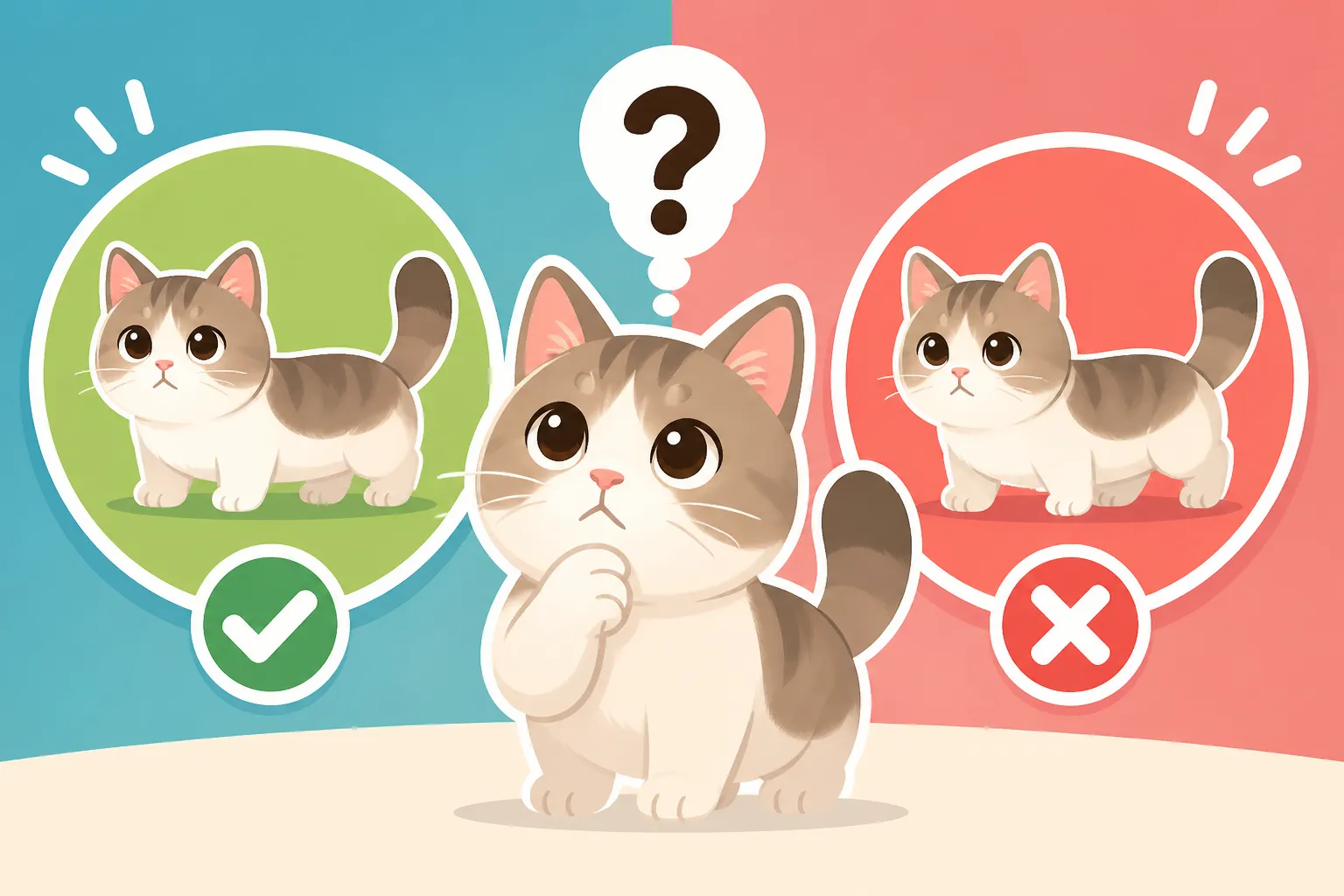
When bringing a Munchkin into your home, it's wise to be aware of their leg conformation. A responsible breeder will be transparent about the parents' health and leg structure, and ideally, allow you to observe the kittens moving around freely. Look for legs that are generally straight and well-muscled, without severe bowing or noticeable deformity that could indicate a more serious underlying issue beyond the standard Munchkin characteristics. While the front legs might appear slightly shorter or bowed, they should still support the cat's weight comfortably and allow for fluid movement.
Your veterinarian will also be able to assess your Munchkin's leg conformation during routine check-ups. They can check for signs of discomfort, unusual gait, or any indications that the slight differences in leg length might be causing undue stress on their joints or spine. Early and regular vet checks are crucial, especially for breeds with unique physical traits. A detailed discussion on How a Vet Assesses a Munchkin's Leg Conformation can provide further insights. If you ever have concerns, don't hesitate to voice them. Pet insurance providers like Healthy Paws can be a real lifeline if unexpected health issues arise, helping cover costs for specialist assessments or treatments.
Adapting Your Home to Their Unique Build
Because a Munchkin's legs limit their vertical reach, adapting your home environment is not just a luxury, but a necessity for their well-being and enrichment. Think about their world from ground level. Ensure they have easy access to all their essentials and favorite spots.
Here's a quick guide to common adaptations:
| Feature | Standard Cat Needs | Munchkin Cat Needs |
|---|---|---|
| Litter Box Entry | High sides, top-entry options | Low-entry access; senior cat boxes are often ideal |
| Sleeping Spots | High cat trees, shelves | Floor-level beds, low cat caves, accessible window perches |
| Feeding Bowls | Standard height bowls | Raised food and water bowls to prevent neck strain |
| Furniture Access | Jumping onto sofas, beds, chairs | Ramps, steps, or strategically placed cushions for access |
| Scratching Posts | Tall vertical posts | Horizontal scratchers, low vertical posts |
Ramps and steps are your best friends. They enable your Munchkin to safely get onto sofas, beds, and even up to a sunny windowsill they wouldn't otherwise reach. Consider the article on Ramps and Steps Are Munchkin Equipment, Not Luxuries for more ideas. Ensure any steps or ramps are not too steep and have a non-slip surface to prevent accidents. Low-entry litter boxes are crucial, as a high-sided box can become a painful hurdle over time, especially as they age or if they experience any joint stiffness. Similarly, raised food and water bowls can reduce strain on their neck and shoulders, making mealtime much more comfortable. These thoughtful adjustments allow your Munchkin to explore, play, and rest without unnecessary strain on their unique skeletal structure.
Potential Health Implications of Leg Discrepancies
While Munchkins are generally robust cats, their unique anatomy means certain health considerations are more prevalent or require closer attention, particularly concerning their joints and spine. The slight differences in leg length and angulation contribute to how their bodies bear weight and move over their lifespan.
Joint Stress and Long-Term Health
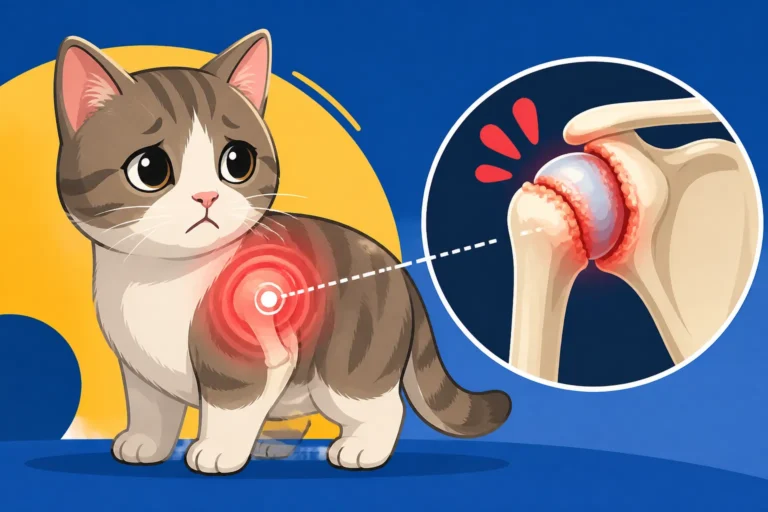
The shortened and sometimes bowed nature of a Munchkin's front legs, coupled with the slightly longer hind legs, means that their joints can experience different stresses compared to a long-legged cat. The primary concern is often the development of osteoarthritis, particularly in their shoulders, elbows, and hips. Since their legs are shorter, they have to work harder to propel themselves and absorb impacts, even from small jumps. This can lead to increased wear and tear on the cartilage over time. You might find it helpful to read about How Osteoarthritis Shows in a Munchkin's Shoulders.
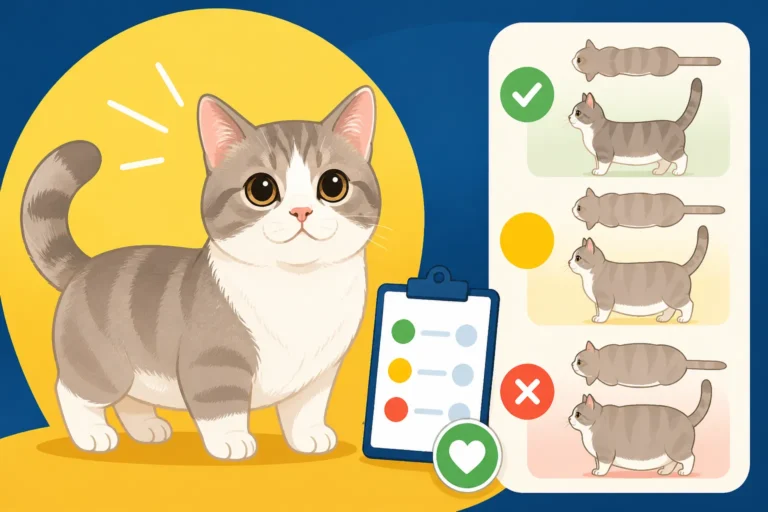
Weight management is paramount for Munchkins because every extra pound puts disproportionate stress on their already uniquely structured joints and spine. An overweight Munchkin is at a significantly higher risk for accelerated joint degradation and discomfort. Regular, gentle exercise that encourages floor-level play, along with a carefully controlled diet, is vital for maintaining a healthy weight and supporting joint health. Joint supplements containing glucosamine and chondroitin can also be beneficial as a preventative measure or for cats already showing signs of stiffness, though always consult your vet before adding supplements. It's an area where pet insurance like Healthy Paws can certainly help manage the ongoing costs of preventative care and potential treatment for age-related joint issues.
When to Consult Your Veterinarian
Being proactive about your Munchkin's health is the best approach. While not all Munchkins will develop severe issues, it's important to know the signs that warrant a vet visit. If you notice any changes in their gait, such as limping, reluctance to jump (even small distances), difficulty navigating familiar ramps or steps, or a decrease in their usual playfulness, it's time to call your vet. These can be subtle indicators of pain or discomfort.
Additionally, keep an eye out for any stiffness after resting, changes in how they carry their tail, or sensitivity when touched along their back or legs. Spinal issues, such as lordosis (an exaggerated inward curve of the spine), are also a concern for the breed, although not directly linked to leg length discrepancies, they are part of the broader discussion of Munchkin skeletal health. Regular check-ups, even if your cat seems perfectly fine, are an excellent opportunity for your vet to perform a thorough physical examination, including palpating their spine and assessing their joint health. Early detection of any potential issues allows for quicker intervention and can significantly improve your Munchkin's quality of life.
Disclaimer
This article is intended for informational purposes only and should not be taken as professional veterinary advice. Always consult with a qualified veterinarian for any health concerns or before making any decisions about your pet's care or treatment.