Why a Munchkin’s Front Legs Look Bowed
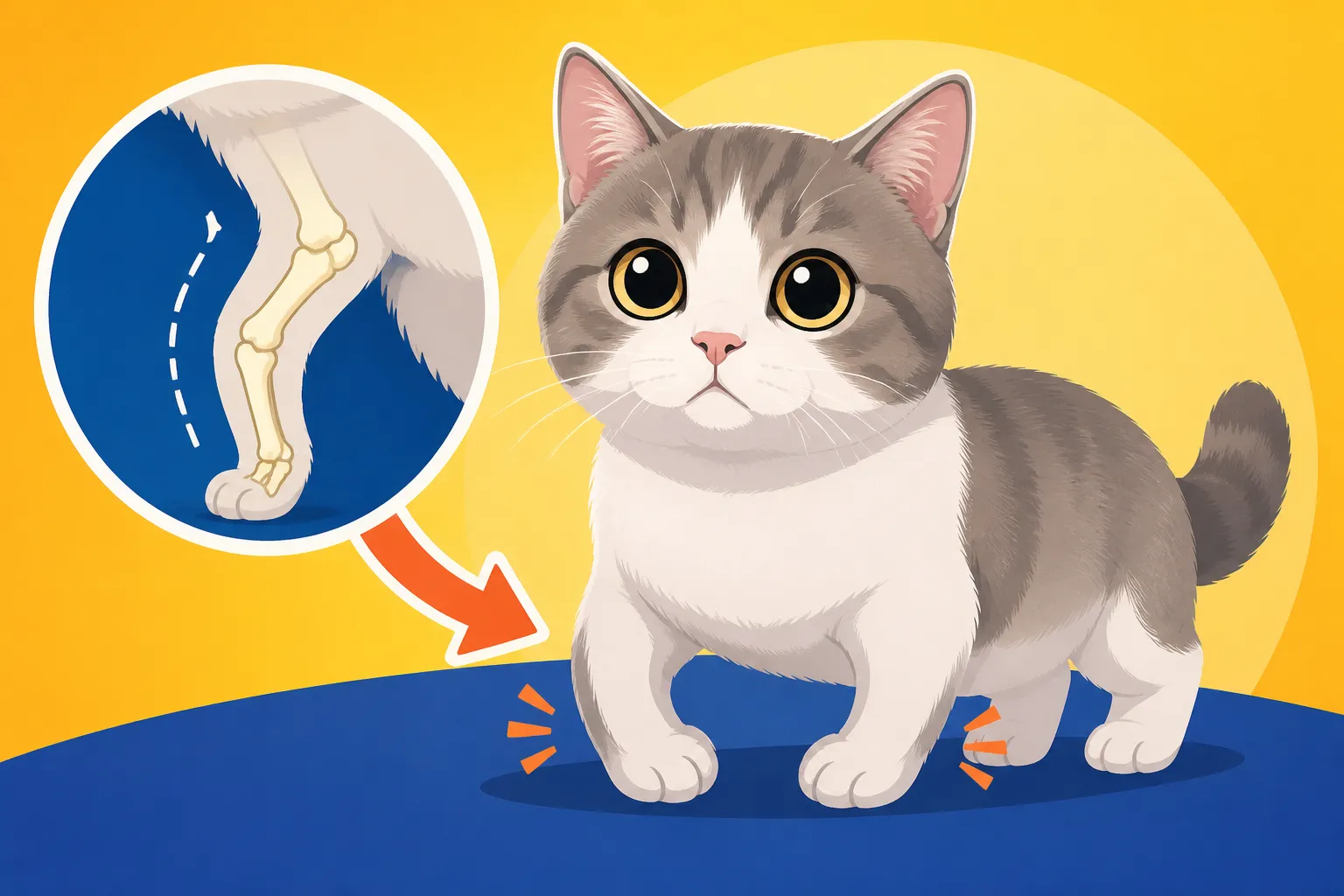
It's a common observation, and one that often sparks a lot of questions among potential Munchkin cat owners: why do their adorable front legs seem to have a distinct bow to them? This isn't just a trick of the light or a photographic anomaly; it's a direct result of their unique genetic makeup and a defining characteristic of the breed. Understanding this bowing appearance is key to appreciating their special conformation and ensuring their long-term health.
Understanding the Unique Anatomy of Munchkin Legs
The very thing that makes a Munchkin cat so distinctive – those wonderfully short legs – also dictates their unique skeletal structure. It's not just a case of "smaller legs"; it's a specific type of dwarfism that affects how their bones grow, particularly in the limbs.
The Genetic Basis of Short Legs
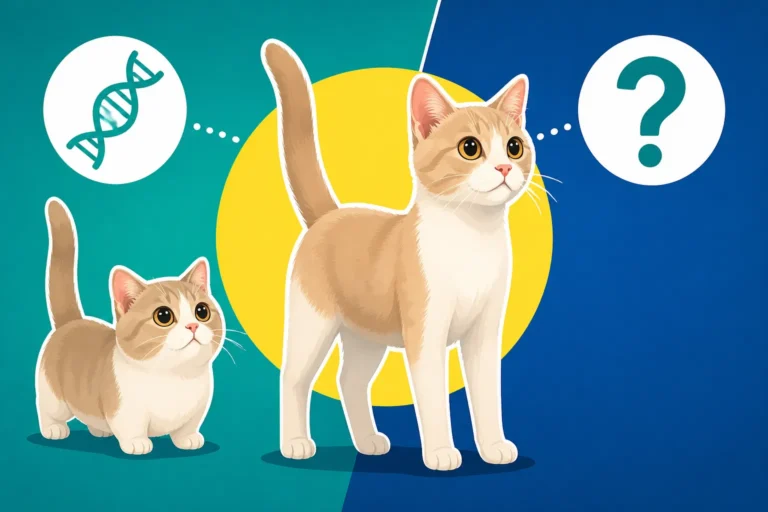
At the heart of the Munchkin's short stature is a genetic mutation known as pseudoachondroplasia. This isn't the same as other forms of dwarfism that affect overall body size; rather, it specifically impacts the growth plates of the long bones in their legs. Imagine a normal cat's growth, where all bones lengthen proportionally. In a Munchkin, the long bones, particularly in the front legs, simply don't grow to their typical length. This results in the characteristic short legs, while their body and spine remain a normal, healthy length, unlike some other dwarf breeds. It’s why you'll often hear discussions about Why a Munchkin's Legs Are Short but Its Body Is Not. This genetic trait is autosomal dominant, meaning only one copy of the gene is needed for a cat to display the short-legged phenotype. However, it's crucial to remember that having two copies of this gene is lethal, which is why Munchkins are always outcrossed with normal-legged cats.
How Short Legs Impact Bone Growth and Alignment
Because the growth plates in the long bones of the legs close prematurely, these bones don't achieve the length seen in standard cats. This shortened growth, especially in the forelegs, leads to a noticeable difference in the alignment of the bones. The radius and ulna, the two bones in the lower part of a cat's front leg, may develop at slightly different rates or lengths, causing them to bow outwards or inwards to varying degrees. This isn't necessarily a defect in a healthy Munchkin but rather an expected conformation feature. It's a key part of What Pseudoachondroplasia Does to a Munchkin's Legs, defining their silhouette and gait. The muscles and tendons then adapt to this unique skeletal framework, giving the legs their characteristic sturdy, slightly bowed appearance.
Why the Bowing Appearance Is Common, Not Necessarily a Defect
It's easy to look at a Munchkin's legs and immediately think "deformity," but for many, that bowed appearance is simply part of their breed standard and functional anatomy. The challenge lies in knowing when it's normal and when it indicates a problem.
Distinguishing Normal Conformation from a Health Issue
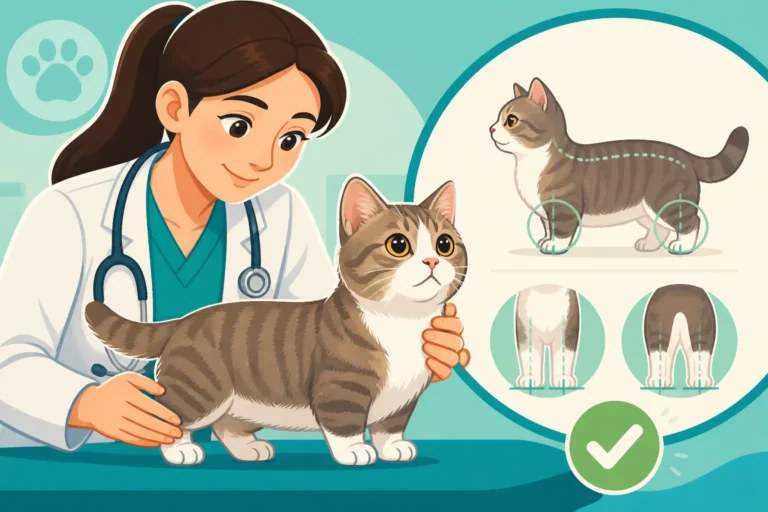
The International Cat Association (TICA), the primary registry for Munchkin cats, actually describes the legs as "moderately heavy boned" and states that "a slight bow of the front legs is acceptable." This means that a subtle bowing is often considered within the normal range for the breed. It’s part of the visual appeal for many enthusiasts, contributing to their low-slung, unique profile. When a veterinarian performs a comprehensive examination, they'll assess How a Vet Assesses a Munchkin's Leg Conformation by observing their gait, palpating the bones and joints, and checking for any signs of pain or discomfort. A slight bow, without other clinical signs, is typically just a conformational trait. However, it's important not to confuse this with severe angular limb deformities, which are more pronounced and can lead to significant mobility issues and pain. These serious conditions go beyond a "slight bow" and are characterized by obvious malalignment, sometimes accompanied by lameness or difficulty walking.
Factors Contributing to the Bowed Look
Beyond the primary effect of pseudoachondroplasia, several other factors contribute to the characteristic bowed appearance of a Munchkin's front legs. The relative lengths of the radius and ulna can vary slightly, with one potentially being marginally shorter or longer than the other, causing a natural curvature. Moreover, because these cats bear weight on much shorter limbs, the mechanics of their movement and weight distribution are different from a long-legged cat. Their muscles and ligaments develop to support this unique stance, often leading to a compact, robust build in the forequarters that can emphasize the bowed look. Think of it as their body adapting to their foundation. A well-bred Munchkin should move with agility despite their short legs, demonstrating that this bowing isn't necessarily a hindrance to their activity.
Potential Health Implications and What to Watch For
While a subtle bowing can be normal, it's crucial for Munchkin owners to be vigilant. The unique limb structure does mean they can be predisposed to certain issues, and knowing the warning signs is paramount for their well-being.
When Bowing Indicates a Problem
Not all bowing is benign. If the bowing is severe, appears asymmetrical, or is accompanied by other symptoms, it could indicate an underlying health issue. Signs that suggest a problem include:
- Lameness or limping: This is a clear indicator of pain or discomfort when walking.
- Reluctance to move or jump: If your Munchkin, normally quite active on the floor, suddenly avoids even small movements, it’s a red flag.
- Swelling or tenderness: Any noticeable swelling around the joints or pain when you gently touch their legs warrants immediate veterinary attention.
- Visible discomfort during the "prairie dog" sit: While this upright stance is typical for Munchkins, if they struggle to get into it or appear uncomfortable, it could suggest a spinal or limb issue.
- Progressive worsening of the bow: If a slight bow becomes more pronounced over time, this could indicate a developing skeletal problem.
Conditions like cubitus varus (where the limb angles inward) or cubitus valgus (where it angles outward) can result from abnormal bone growth and may require surgical correction in severe cases. These are distinct from the typical, mild bowing associated with the breed and can lead to significant pain and mobility challenges. It's a fine line, but one that dedicated Munchkin owners must learn to walk.
The Importance of Regular Veterinary Assessment
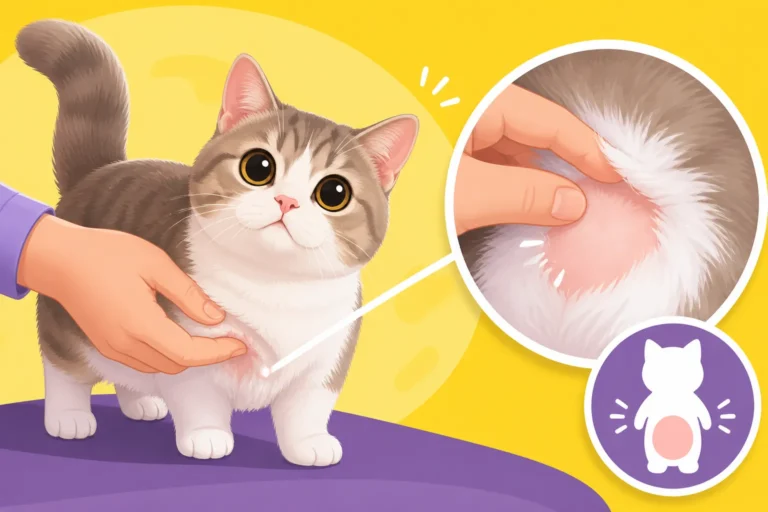
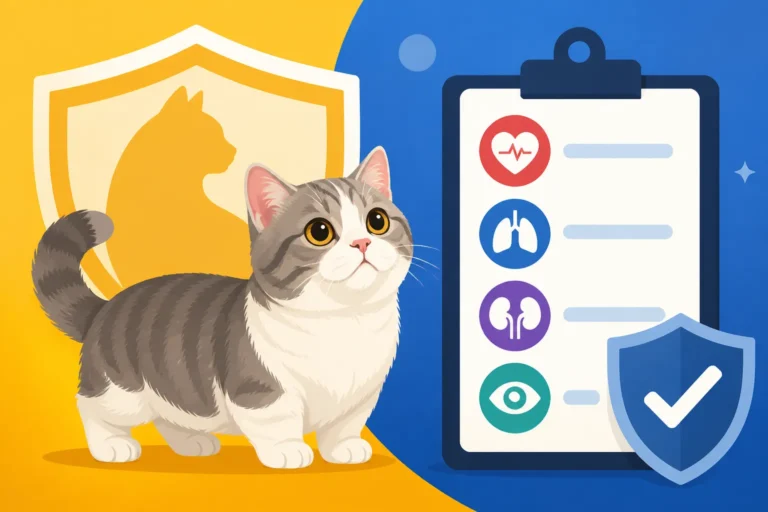
Given their unique conformation, regular veterinary check-ups are non-negotiable for Munchkin cats. A kitten's first vet check is particularly important, as the vet can assess their leg conformation and general health early on. This initial examination should be thorough, covering everything What a Munchkin Kitten's First Exam Should Cover, including careful palpation of the spine and limbs. As your Munchkin grows, your vet will continue to monitor their gait and joint health. They will look for any signs of stiffness, pain, or changes in how the cat carries itself.
Diagnostic imaging, such as X-rays, might be recommended if there are concerns about the severity of the bowing, discomfort, or potential joint issues. These images can provide a clear picture of the bone structure and joint health, helping the vet distinguish between a normal conformational trait and a developing problem. Early detection of issues is crucial for effective management and improving your cat's quality of life. For these potential veterinary costs, especially if corrective action is needed, having pet insurance like Healthy Paws can be an absolute lifesaver. It provides peace of mind, knowing that if your Munchkin does develop a more serious issue related to their legs or joints, you'll be better prepared financially to provide the best care. Remember, Why a Munchkin Kitten Needs an Early Vet Check is not just about vaccinations, it's about a thorough assessment of their unique anatomy.
Living with a Munchkin and Managing Leg Health
Bringing a Munchkin into your home means making certain adjustments to ensure they live a full, comfortable life. Their short legs present unique challenges, but with thoughtful care, they thrive.
Environmental Adaptations to Support Leg Health
One of the most significant aspects of caring for a Munchkin is adapting their environment. Since they can't jump as high as a regular cat, or do so without putting undue stress on their short limbs and spine, you need to bring the world down to their level or provide safe pathways up. This means:
- Ramps and Steps: Investing in ramps or pet steps is not a luxury; it's a necessity. They need easy access to sofas, beds, windowsills, and other elevated spots they might want to reach. This prevents them from attempting risky jumps or repeatedly landing heavily, which can strain their joints over time. Learning How to Set Up Ramps Around a Munchkin's House effectively is crucial for their long-term mobility.
- Low-Entry Litter Boxes: A standard litter box with high sides can be difficult, if not impossible, for a Munchkin to enter comfortably, especially as they age or if they have any joint stiffness. Opt for low-entry boxes, often marketed for senior cats, to ensure they can relieve themselves without straining or causing accidents outside the box.
- Accessible Food and Water: Ensure their food and water bowls are easily accessible without requiring them to stretch or stand on their hind legs for extended periods. Raised bowls can actually be beneficial, positioning the food at a comfortable height so they don't have to stoop excessively, which can be hard on their short necks and shoulders.
- Floor-Level Play: While Munchkins are playful, focus on floor-level games that encourage chasing and pouncing rather than high jumping. Wand toys that drag along the ground are perfect for satisfying their predatory instincts without stressing their joints.
These adaptations not only prevent injuries but also enhance their quality of life, allowing them to navigate their home independently and safely.
Weight Management and Joint Care
Perhaps the single most critical aspect of Munchkin care, especially concerning their legs and spine, is rigorous weight management. Every extra gram of weight places disproportionate stress on their shortened limbs and unique spinal structure. Why Weight Is More Dangerous on a Munchkin cannot be overstated; obesity dramatically increases the risk and severity of joint problems like osteoarthritis, and can exacerbate any underlying spinal issues.
- Strict Diet and Portion Control: Work with your vet to determine the ideal weight for your Munchkin and establish a precise feeding plan. Measured portions are vital, as even a small amount of excess food can lead to weight gain quickly.
- Regular Weigh-ins: Weigh your Munchkin regularly at home to track their weight. Any upward trend should be addressed immediately.
- Joint Supplements: Many Munchkin owners proactively incorporate joint supplements into their cat's diet, even before signs of stiffness appear. Ingredients like glucosamine, chondroitin, and omega-3 fatty acids can support cartilage health and reduce inflammation. Your vet can recommend Which Joint Supplements Suit a Munchkin best. Early preventative measures can significantly delay the onset of age-related joint issues.
- Monitoring for Stiffness: As Munchkins age, they may naturally develop arthritis, sometimes even earlier than long-legged cats due to the mechanics of their movement. Be on the lookout for signs of stiffness, especially in their shoulders and elbows. Changes in gait, reluctance to use ramps, or a decrease in playfulness can all be indicators that At What Age a Munchkin Starts to Stiffen and may need veterinary intervention and pain management. Prompt veterinary care, supported by a good insurance plan like Healthy Paws, can ensure these issues are managed effectively, helping your Munchkin stay comfortable and mobile for as long as possible.
It’s a commitment to thoughtful care, but watching your Munchkin zoom around, play, and comfortably access their favorite spots makes it all worthwhile.
| Feature | Normal Munchkin Leg Conformation | Potentially Problematic Bowing |
|---|---|---|
| Appearance | Slight, symmetrical bowing of front legs, sturdy | Pronounced, asymmetrical bowing, twisting, or splaying |
| Gait | Agile, fluid, ferret-like trot on flat surfaces | Limping, awkward, stiff, or hesitant movement |
| Comfort | No signs of pain, happy to move and play | Reluctance to bear weight, vocalization of pain, withdrawal |
| Joints | Smooth movement, no swelling or tenderness | Swelling, heat, tenderness, cracking sounds |
| Muscle Development | Well-muscled forequarters, proportional to body | Wasting in certain areas, uneven muscle development |
| Vet Assessment | Mild conformation variation, no clinical concern | Requires further investigation (X-rays), potential medical intervention |
| Impact on Quality of Life | Minimal to none, full participation in normal cat activities | Can limit mobility, cause chronic pain, and reduce overall well-being |
Disclaimer
The information provided in this article is for general informational purposes only and is not intended as a substitute for professional veterinary advice. Always seek the advice of your veterinarian or other qualified animal health provider with any questions you may have regarding a medical condition or the health and well-being of your pet. Never disregard professional veterinary advice or delay in seeking it because of something you have read in this article.