Why There Is So Little Munchkin Research
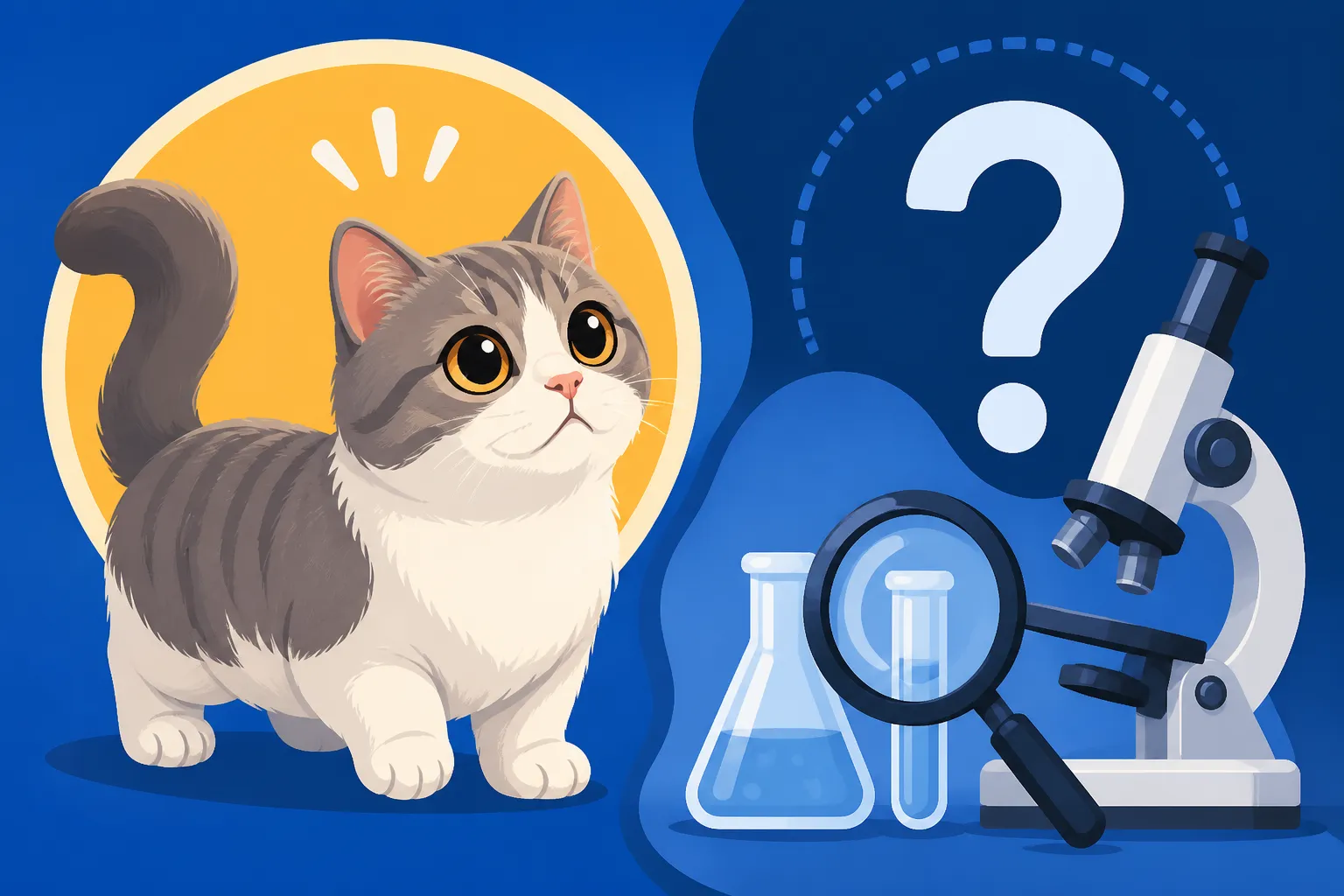
It's incredibly frustrating when you're trying to do your best for your beloved Munchkin cat, only to hit a wall when searching for comprehensive, breed-specific health research. Many owners find themselves sifting through forums and anecdotal evidence, wondering why there isn't more solid scientific data available for these unique felines. This guide will delve into the various reasons why dedicated Munchkin research is scarce and offer insights into how you, as an owner, can navigate this landscape to ensure your furry friend receives the best possible care.
The Tangled Web of Breed Recognition and Funding
One of the biggest hurdles facing Munchkin research stems directly from their contentious status within the broader cat fancy. Unlike many long-established breeds with centuries of history, the Munchkin is relatively new and faces significant opposition.
The Fight for Acceptance in the Cat Fancy
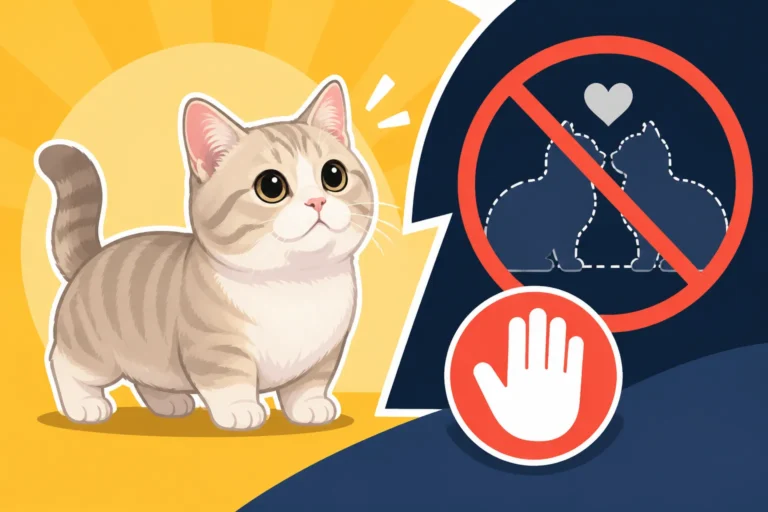
The cat fancy world is deeply divided when it comes to the Munchkin. While The International Cat Association (TICA) officially recognizes the breed and allows it to compete for championship status, many other prominent organizations, such as the Cat Fanciers' Association (CFA) in the US and the Governing Council of the Cat Fancy (GCCF) in the UK, outright refuse to recognize or register Munchkins. This isn't just a bureaucratic detail; it has profound implications for research.
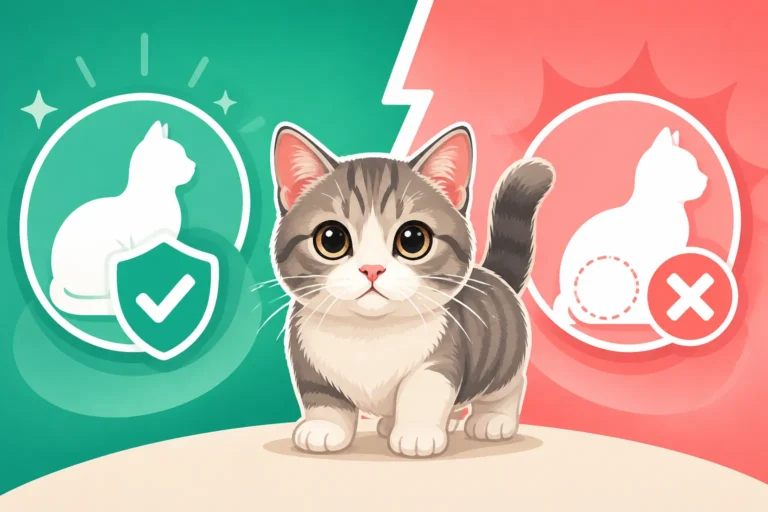
When a breed isn't universally recognized, it often lacks the robust, well-funded breed clubs that typically champion health studies. These larger clubs often have significant budgets dedicated to research, genetic testing, and health initiatives for their recognized breeds. Without this institutional backing, finding resources for large-scale, long-term studies on Munchkin health becomes incredibly difficult. Think of breeds like the Persian or the Maine Coon, which have extensive health databases and ongoing research into conditions common within their lines. This is largely because their breed clubs are well-established, well-funded, and actively collaborate with veterinary geneticists. The very fact that TICA Judges the Munchkin and CFA Will Not Register It creates a fragmented support system, making it much harder to rally a unified research effort. This division often means that a Munchkin's health information is scattered among individual breeders, smaller study groups, or simply left uncollected on a broader scale.
Financial Barriers to Comprehensive Studies
Conducting comprehensive, peer-reviewed scientific studies is an incredibly expensive undertaking. It requires funding for equipment, veterinary specialists, genetic sequencing, data analysis, and often, long-term observation of a statistically significant number of animals. For established breeds with prevalent, well-documented genetic conditions, pharmaceutical companies or large animal health organizations might see a commercial incentive to invest in research, hoping to develop diagnostic tests or treatments. This isn't usually the case for Munchkins.
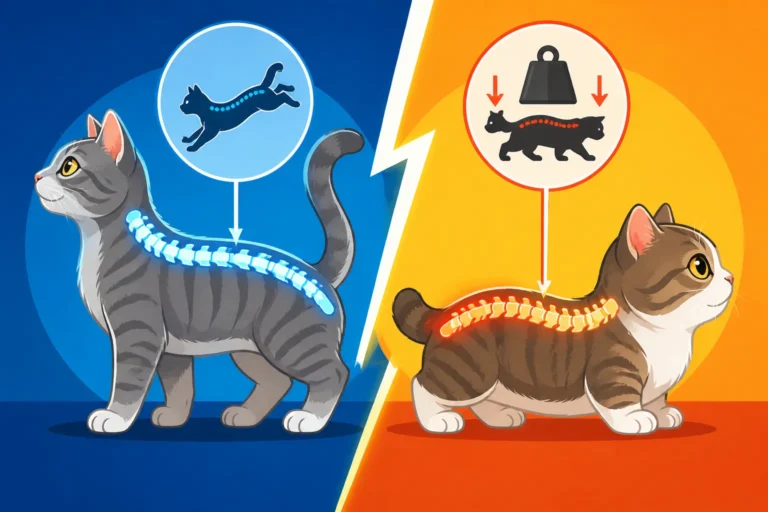
Because the Munchkin's defining characteristic — its short legs — is itself a point of ethical debate, it's less likely to attract the kind of large-scale corporate or institutional funding seen in other breeds. The perceived "controversy" makes many organizations hesitant to associate with the breed, even for research purposes. This leaves individual researchers, small university departments, or dedicated but often under-resourced breed enthusiasts to shoulder the financial burden. As a result, the studies that do exist on Munchkin health tend to be smaller in scale, focusing on specific case reports or limited genetic analyses, rather than expansive, multi-year epidemiological studies that could provide truly definitive answers about breed-wide health trends and lifespan. When you consider the sheer cost of something like an MRI to examine Why a Munchkin's Spine Carries a Load a Normal Cat's Does Not, it quickly becomes apparent why extensive imaging studies are rare without significant funding.
Navigating the Ethical Maze and Public Perception
Beyond the structural issues of breed recognition and funding, the very nature of the Munchkin breed — its unique physical trait being caused by a genetic mutation — creates a complex ethical landscape that can deter scientific inquiry.
The Dwarfism Debate and Research Reluctance
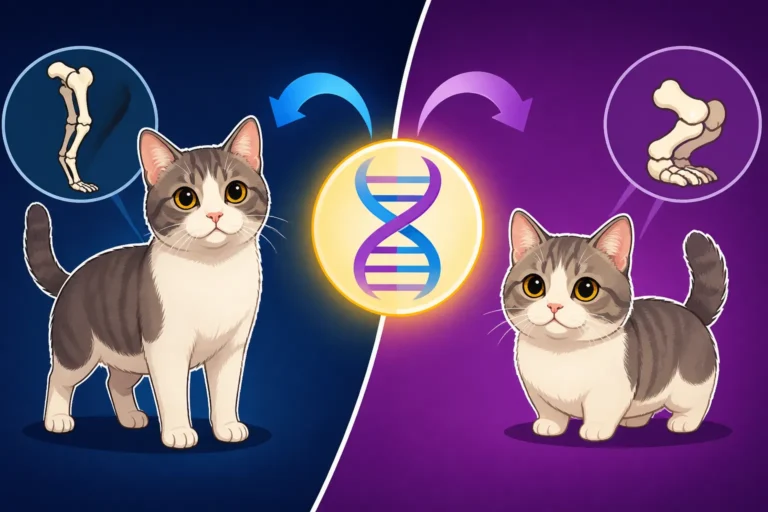
The core of the Munchkin debate revolves around the ethics of breeding for a trait that is considered a form of dwarfism, known as pseudoachondroplasia. Critics argue that intentionally breeding cats with short limbs could lead to musculoskeletal problems, spinal issues, and a reduced quality of life. This concern is not unfounded, as similar conditions in other species (like Dachshunds or Basset Hounds) are associated with specific health challenges. This ethical dilemma creates a "chilling effect" on the research community.
Many veterinarians and animal welfare organizations have publicly expressed concerns about the Munchkin's welfare, often advising against breeding or owning them. This widespread sentiment can make researchers hesitant to embark on studies that might be perceived as legitimizing or promoting the breed. Imagine a research institution pouring resources into a study only to face public backlash or accusations of supporting potentially unethical breeding practices. It's a tricky tightrope to walk. While the intent of research would be to understand and mitigate potential health issues, the broader ethical debate often overshadows this goal. This leads to a situation where, despite the known discussions around conditions like What Lordosis Actually Is in a Munchkin or What Pectus Excavatum Does to a Munchkin's Chest, dedicated, large-scale studies on their prevalence and severity in the Munchkin population remain frustratingly few. As such, the question of Why Vets Disagree About the Munchkin continues to be a hot topic, often without the definitive data that research could provide.
Challenges in Gathering Data from Reluctant Participants
The ethical controversy also impacts the willingness of Munchkin owners and breeders to participate in scientific studies. No one wants their beloved pet to become a poster child for a negative narrative, nor do they want to feel judged for owning a breed they adore. Researchers often rely on voluntary participation from breeders and owners to gather genetic samples, health records, or allow examinations of their cats.
However, if owners fear that participating in a study might result in their cat being labeled as "unhealthy" or "suffering," or if they worry about contributing to data that could be used to further restrict or ban the breed, they may understandably decline to participate. This reluctance leads to small sample sizes in any studies that do get off the ground, making it incredibly difficult to draw statistically significant conclusions. When only a handful of cats are studied, it's hard to generalize findings to the entire breed population. This directly impacts What the Published Munchkin Health Data Actually Shows – often, it's based on limited numbers, making it harder to discern true prevalence rates of conditions compared to other cat breeds. The more comprehensive and robust the data, the more credible the findings, but achieving that depth is an uphill battle given the current climate.
Empowering Owners: What You Can Do with Limited Information
Despite the challenges in finding extensive formal research, Munchkin owners are not powerless. There are proactive steps you can take to ensure your cat's health and contribute to a growing body of knowledge.
Decoding Existing Information and Identifying Gaps
Since large-scale peer-reviewed studies are rare, much of what we know about Munchkin health comes from a combination of anecdotal evidence, observations from experienced breeders, and individual veterinary case reports. It's crucial to understand the limitations of this kind of information. While valuable, it's not as scientifically rigorous as a controlled study. You might hear from a breeder that their lines are "healthy" or that certain conditions are "not common," but without specific, verifiable data across many cats and generations, these claims are difficult to confirm scientifically.
The key is to seek out sources that are transparent about their information and to cross-reference where possible. Focus on what is consistently reported by multiple reputable sources. For example, while studies on conditions like osteoarthritis in Munchkins are not as numerous as in some other breeds, many vets and owners report that Whether a Munchkin Gets Arthritis Earlier is a significant concern due to the extra strain on their joints. Similarly, while specific prevalence rates are debated, the existence of conditions like Lordosis (a spinal curvature) and Pectus Excavatum (a sunken chest) are recognized health issues within the breed. Understanding these acknowledged concerns, even without definitive statistics, allows you to be more vigilant in your cat's care.
Becoming an Advocate for Your Munchkin's Health
As a Munchkin owner, you become a vital part of safeguarding your cat's well-being, often by being the primary gatherer and interpreter of their health information. This means adopting a proactive and informed approach to their care.
Firstly, choose your veterinarian wisely. Look for a vet who is knowledgeable about dwarf breeds or, at the very least, open-minded and willing to learn about the unique anatomical considerations of a Munchkin. Don't be afraid to ask questions and have an honest dialogue about potential breed-specific health concerns. A good vet will acknowledge the challenges and work with you.
Secondly, meticulous record-keeping is incredibly powerful. Document everything: vet visits, vaccinations, diet changes, any observed changes in gait or behavior, and any joint supplements or medications. This personal data, while not formal research, can be invaluable for your vet in tracking your cat's health over its lifetime. It's especially important to monitor weight, as Why Weight Is More Dangerous on a Munchkin cannot be overstated, placing additional strain on their already compromised spines and joints.
Consider investing in comprehensive pet insurance early in your Munchkin's life. Providers like Healthy Paws can be a lifesaver when unexpected health issues arise, helping to cover diagnostic tests, specialist consultations, and treatments. While Healthy Paws doesn't conduct research, their coverage can enable you to pursue necessary diagnostics that might otherwise be financially prohibitive, thus contributing to your individual cat's health data which, over time, can inform the wider veterinary community. Regular check-ups are key, and don't hesitate to ask for imaging like X-rays if your vet observes any changes in their gait or posture, especially as they enter their senior years. Caring for a Munchkin Past Ten requires even greater vigilance and often more frequent veterinary attention.
By being informed, proactive, and diligently working with your vet, you ensure your Munchkin has the best possible chance at a long, healthy, and happy life, even in the absence of abundant scientific literature. This commitment often involves adapting your home environment, providing appropriate nutrition, and being attuned to their unique needs. Remember that a reputable breeder should also be able to show you health clearances for their breeding cats and discuss common issues in their lines, providing another layer of information. What a Munchkin Breeder Should Be Able to Show You goes a long way in providing peace of mind.
Here's a quick comparison of factors influencing research:
| Factor | Established Cat Breeds (e.g., Persian, Maine Coon) | Munchkin Cats |
|---|---|---|
| Breed Recognition | Generally widespread across major registries | Recognized by TICA, rejected by CFA, GCCF, and others |
| Breed Club Support | Strong, well-funded clubs driving health initiatives | Fragmented, limited funds for large-scale research |
| Research Funding | More access to grants, industry, university funds | Scarce due to controversy and lack of unified support |
| Ethical Considerations | Primarily focused on specific genetic diseases | Core debate on breeding a dwarf mutation |
| Owner Participation | Generally high, less stigma | May be lower due to fear of judgment or negative data |
| Data Availability | Extensive, peer-reviewed studies and databases | Predominantly anecdotal, case reports, small studies |
Disclaimer
This article is for general informational purposes only and does not constitute professional advice. Laws, prices and regulations vary by location and change over time. Consult a qualified professional for guidance on your specific situation.