Whether a Munchkin Knows It Is Different
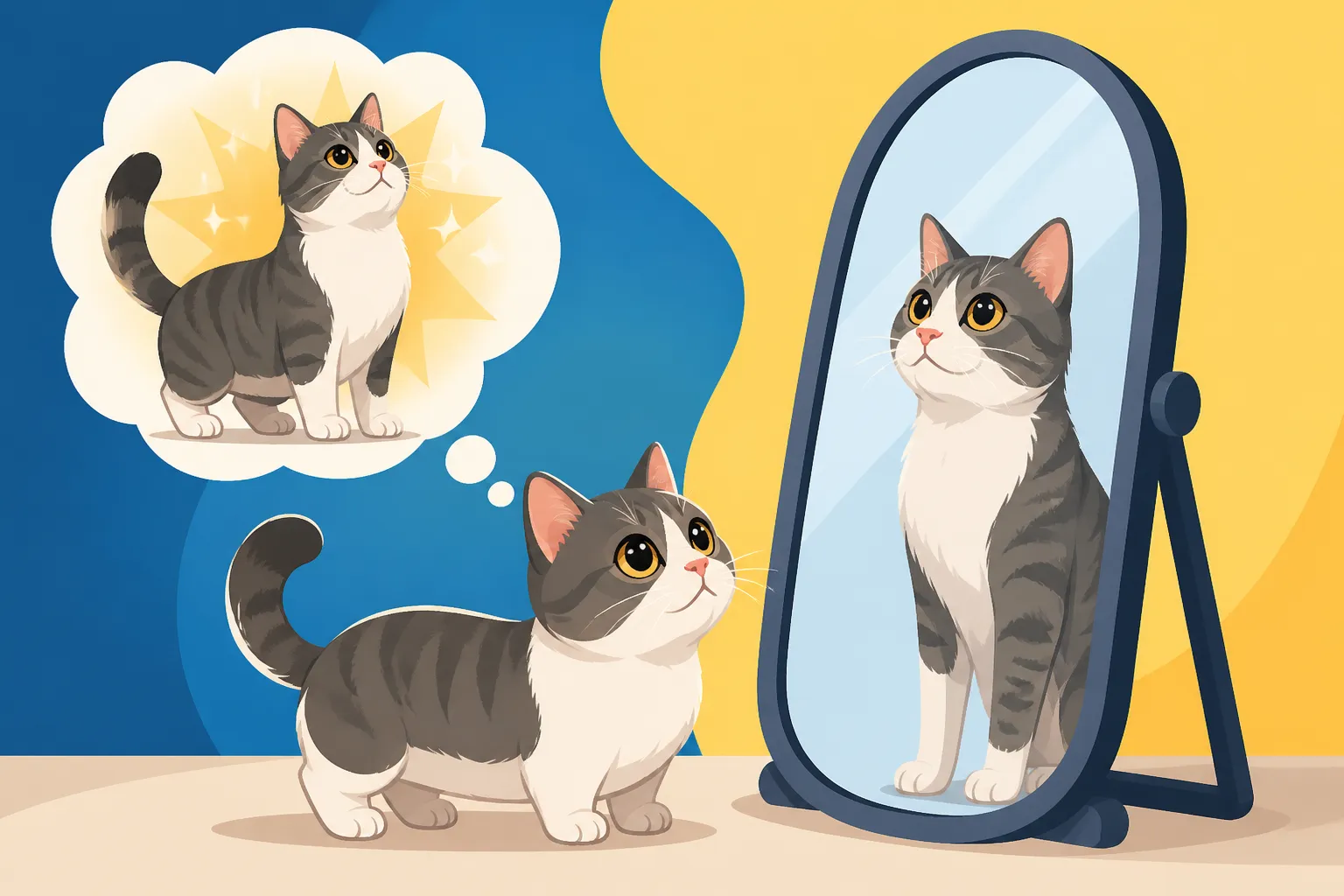
It’s a question that tugs at the heartstrings of any Munchkin cat owner, or anyone considering bringing one into their home: Does my short-legged feline friend truly understand that it's "different" from other cats? Do they feel self-conscious or limited by their unique physical characteristics? The truth is, while cats certainly perceive their environment and their own bodies, their understanding of "difference" isn't quite the same as ours. This guide will delve into how Munchkins perceive their world, how they adapt, and what that means for their well-being.
Understanding a Munchkin's Perception of Self
When we think about a Munchkin cat, it's easy to project human emotions and understanding onto them. We might imagine them looking at a long-legged cat and feeling inadequate, or frustrated by their inability to leap to the highest shelf. But feline psychology is quite different from human psychology.
Do Cats Experience "Difference" Emotionally?
Cats are incredibly adaptable creatures, and their world is primarily defined by what they can do, not what they can't in comparison to others. A cat's self-awareness isn't centered on abstract concepts of "normalcy" or comparing themselves to an ideal physical standard. Instead, it's very much rooted in their immediate experiences and capabilities. They learn quickly what their body allows them to achieve, and they adjust their behavior accordingly. For a Munchkin, their short legs are simply their reality, not a deficiency they actively lament.
Think about it from their perspective: if a Munchkin has lived its whole life with shorter legs, it has no reference point for what it's like to have longer ones. It learns to navigate its environment using its own unique physical attributes. They don't have existential crises about their stature; they simply find a way to get from point A to point B, or to play with a toy. Their focus is on the action itself, the hunt, the climb, the chase, rather than an internal monologue about their physical limitations. They are highly intelligent problem-solvers within the confines of their physical form, often displaying incredible ingenuity.
The Physical Reality of Being a Munchkin
The defining characteristic of a Munchkin cat is their short legs, a result of a genetic mutation known as pseudoachondroplasia, which affects the length of their long bones. While their legs are undeniably short, their body length and torso are proportionate to that of a regular cat. This creates a distinctive, low-slung appearance. Understanding How Short a Munchkin's Legs Actually Are is crucial, as it directly impacts their movement and how they interact with their surroundings. They can run, play, and engage in most typical cat activities, but their method of doing so might look a bit different.
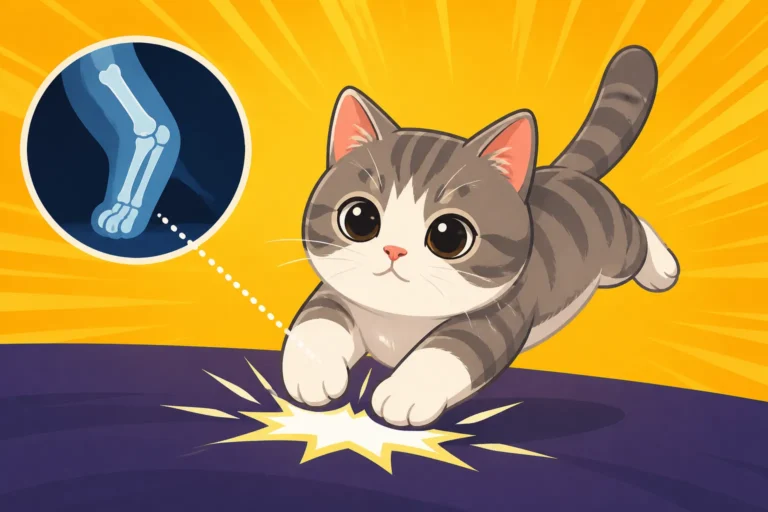
The impact of their short legs is purely physical and mechanical. They might not be able to jump as high or as far as a long-legged cat, and they might require more effort to reach elevated surfaces. However, they don't generally perceive this as a problem unless it directly prevents them from accessing something they desire, like food or a cozy sleeping spot. Their world is configured around their capabilities, and they'll leverage every inch of their body and environment to achieve their goals. Their adaptability is truly remarkable, and it’s this inherent resilience that helps them thrive.
How a Munchkin Navigates Its World
A Munchkin cat's interaction with its environment is a masterclass in adaptation. They quickly learn their physical boundaries and develop clever strategies to overcome them.
Adaptations and Compensatory Behaviors
One of the most fascinating aspects of Munchkin behavior is how they compensate for their short stature. While a long-legged cat might effortlessly leap onto a kitchen counter, a Munchkin will often develop a series of steps or a multi-stage approach. They might use a chair to get to a table, and then from the table to the counter. It's like watching a tiny, furry parkour expert. They quickly map out their environment, identifying "stepping stones" to reach desired heights. This demonstrates that their perception isn't about not being able to jump, but being able to climb strategically. If you've ever watched a Munchkin play, you'll be amazed at How a Munchkin Gets Where It Wants Without Jumping.
Another endearing and unique behavior is what's often called the "prairie dog sit." A Munchkin will frequently sit upright on its hind legs, using its short forelegs to balance, giving it a better vantage point to survey its surroundings or get a clearer view of something interesting. This isn't a sign of frustration, but rather a natural adaptation that allows them to gain a few precious inches of height, mimicking the behavior of meerkats or prairie dogs. This behavior is so distinctive that it's become a hallmark of the breed, a testament to their cleverness and physical dexterity, showing The Prairie Dog Sit Only a Munchkin Does. They’re incredibly fast on the flat and can maneuver with surprising agility, often darting around corners with a low center of gravity that gives them an advantage.
The Role of the Environment
For a Munchkin cat to truly thrive, their living environment plays an absolutely critical role. It’s not about changing the cat; it’s about making the world accessible to them. This is why the saying goes, With a Munchkin the House Changes, Not the Cat. Owners must become adept at modifying their homes to ensure their Munchkin can reach everything they need and want without undue strain or risk of injury. This isn't just about comfort; it's about preventing potential long-term health issues by minimizing stress on their joints and spine.
Thoughtful owners will install Ramps and Steps Are Munchkin Equipment, Not Luxuries, providing safe, gradual access to sofas, beds, windowsills, and other favorite perching spots. Low-entry litter boxes are essential, preventing difficult maneuvering that can lead to accidents or discomfort. Cat trees need platforms that are spaced closer together, acting as a natural staircase. When the environment is correctly adapted, a Munchkin can navigate its home with confidence and ease, often appearing no different in its daily activities from a long-legged cat, because it can do everything it needs to, just with different tools. This proactive approach significantly enhances their quality of life.
Social Dynamics and Interaction
Munchkin cats are social creatures, and their interactions with other animals and humans can also shed light on their perception of themselves. They integrate into multi-pet households and bond deeply with their families, often expressing their needs quite clearly.
Interactions with Other Cats
When a Munchkin shares its home with normal-legged cats, the dynamic is usually quite positive. They play together, chase each other, and often snuggle up for naps. However, it's important to consider that a Munchkin's inability to jump or climb quickly to escape a persistent playmate or a perceived threat could put them at a disadvantage. While most cats are gentle, a larger, more dominant cat might accidentally corner a Munchkin if the latter can't quickly ascend to a higher vantage point. Therefore, supervising initial interactions and ensuring ample escape routes and safe zones is crucial.
Generally, Whether a Second Cat Helps or Bullies a Munchkin depends more on the individual personalities of the cats involved than on leg length. A well-adjusted, confident Munchkin will hold its own, often using its speed and agility on the ground to its advantage. However, owners should always be mindful of potential power imbalances and ensure that the Munchkin always has an accessible retreat, such as a cat tree with closely spaced platforms or a ramp to a safe hideaway. This ensures that their social interactions remain positive and enriching, rather than stressful.
Interactions with Humans and the Need for Support
Munchkins often form incredibly strong bonds with their human companions. Perhaps because of their physical limitations, they can sometimes appear more reliant on their humans for certain things, which can foster a deeper connection. They might vocalize or rub against your legs when they want to be lifted onto a lap or a favorite chair, demonstrating How a Munchkin Asks When It Cannot Reach You. This isn't a sign of weakness but rather a communicative behavior that shows their trust and their ability to problem-solve by enlisting help.
Humans naturally adapt to their Munchkin's needs, placing food and water bowls at ground level or providing ramps to beds. This reciprocal relationship, where the human provides support and the cat accepts it gracefully, strengthens the bond. It’s a partnership where the human acts as an extension of the cat's reach, ensuring they feel secure and cherished. They don't resent being lifted; they appreciate the assistance, recognizing that their human is helping them achieve their desired outcome.
Quality of Life and Potential Health Concerns
While Munchkins adapt remarkably well to their physical form, it’s vital for owners to remain vigilant about their health, as certain conditions can compromise their comfort and well-being. Their unique structure means that proactive care is paramount.
Physical Comfort and Pain Perception
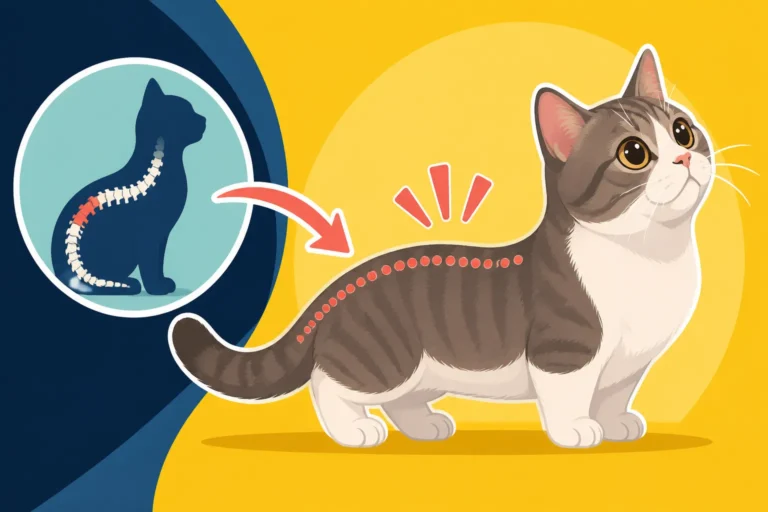
The short legs of a Munchkin are a result of pseudoachondroplasia, a form of dwarfism. While many Munchkins live long, active lives without apparent pain, the underlying skeletal differences mean that they can be predisposed to certain conditions. For instance, some Munchkins may develop osteoarthritis earlier in life due to increased stress on their joints, especially their shoulders and elbows, which bear a greater load during movement and landing from even small jumps. Spinal issues, such as lordosis (an inward curvature of the spine) or pectus excavatum (a sunken chest), can also occur in some individuals.
It's critical for owners to understand Whether a Munchkin Is in Pain From Its Legs or spine, and to recognize subtle signs of discomfort. These might include reluctance to jump, changes in gait, stiffness, less enthusiastic play, or unusual vocalizations. Early detection and intervention are key. Regular veterinary check-ups are non-negotiable, and it's wise to consider pet insurance from a reputable provider like Healthy Paws, which can help cover the costs of diagnostics, treatments, and ongoing care if such issues arise. Being prepared for these possibilities allows you to address them promptly and maintain your cat's comfort.
Early Detection and Proactive Care
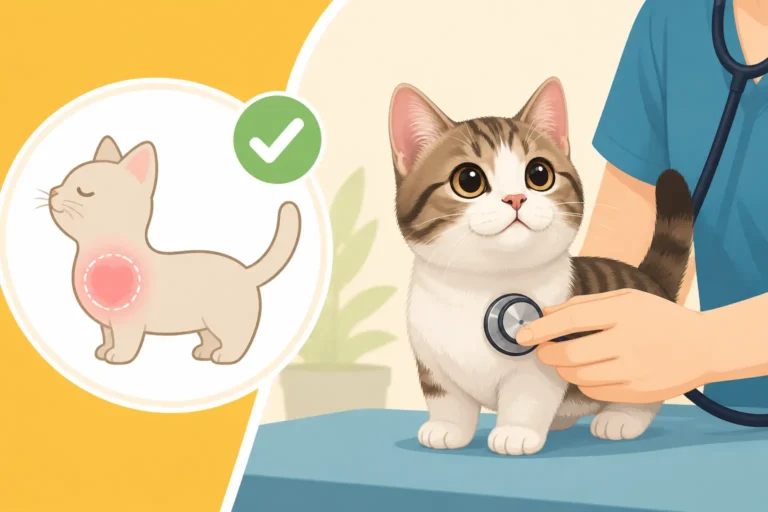
Given their unique physiology, a Munchkin's health requires a proactive and informed approach. Regular veterinary visits are essential, not just for routine vaccinations, but for thorough physical examinations that pay close attention to their musculoskeletal system. Your vet will assess their gait, palpate their spine, and check for any signs of discomfort or structural anomalies. It's important to be aware of Which Health Problems the Munchkin Actually Has so you can discuss specific concerns with your veterinarian.
Early screening for conditions like lordosis and pectus excavatum can be life-changing for some cats. If detected early, management strategies or even surgical interventions might be possible to improve their quality of life. Maintaining a healthy weight is also paramount for Munchkins, as excess pounds place additional strain on their already compromised joints and spine. Nutritional choices, including joint-supporting supplements, can be beneficial. Having pet insurance, perhaps through Healthy Paws, can provide immense peace of mind, ensuring that you can afford necessary diagnostic imaging, specialized treatments, or long-term pain management plans without financial stress.
Ensuring a Munchkin's Well-being
Ultimately, a Munchkin cat perceives its world through its physical capabilities, and its sense of "difference" isn't emotional but practical. Their well-being is intrinsically linked to the environment we provide and the care we give.
Creating an Inclusive and Safe Environment
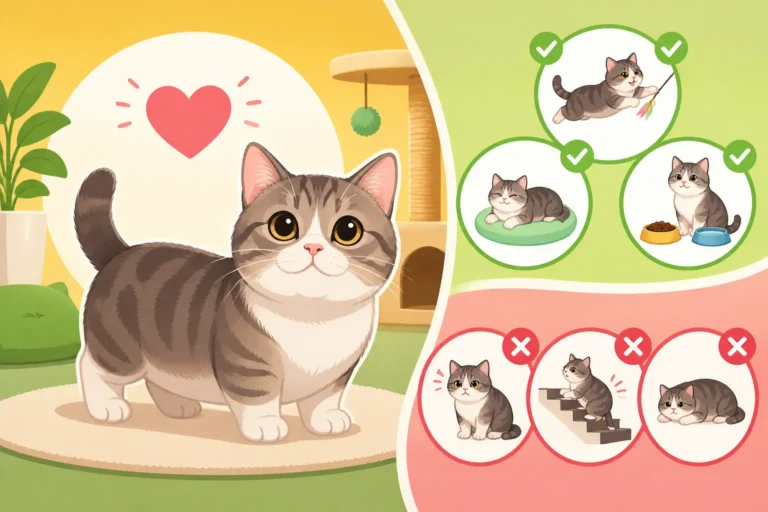
The single most impactful thing an owner can do for a Munchkin is to create an environment tailored to their needs. This means ensuring easy access to all essential resources—food, water, litter boxes—and favorite resting spots. Ramps, steps, and carefully placed furniture are not luxuries but necessities that empower them to move freely and independently. Consider a fully enclosed catio for safe outdoor enjoyment, ensuring it has internal ramps and platforms at appropriate heights.
Beyond physical accessibility, a safe environment also means protecting them from potential harm. Due to their low stature, Munchkins can be more vulnerable to accidental injury from toddlers or larger, boisterous dogs who might not see them. Careful supervision and designated safe spaces are crucial in multi-species households. By thinking ahead and making these thoughtful adjustments, you ensure your Munchkin can navigate its world with confidence and joy, minimizing any feelings of frustration or limitation that might arise from their unique physical form.
The Human Responsibility
Owning a Munchkin cat comes with a distinct responsibility: to understand and cater to their unique physical needs. This isn't just about providing love and cuddles; it's about making informed choices that support their long-term health and mobility. Before bringing a Munchkin into your home, it's essential to realistically assess whether you can provide the necessary environmental modifications and commitment to their specialized care. This commitment is key to ensuring How to Judge a Munchkin's Quality of Life is excellent.
The ethical considerations around breeding Munchkins are often debated, precisely because of these potential health challenges. As an owner, your role is to honor the cat you've chosen by providing the very best life possible, mitigating any potential discomfort arising from their short legs. This includes everything from appropriate nutrition and weight management to regular veterinary care, and considering a comprehensive pet insurance plan like those offered by Healthy Paws. By embracing this responsibility, you ensure your Munchkin doesn't experience "difference" as a burden, but rather lives a full, enriched life where their unique physical traits are simply part of who they are, embraced and supported by their loving family.
Disclaimer
This article is for general informational purposes only and does not constitute professional advice. Laws, prices and regulations vary by location and change over time. Consult a qualified professional for guidance on your specific situation.