Why a Withdrawn Munchkin Should See a Vet
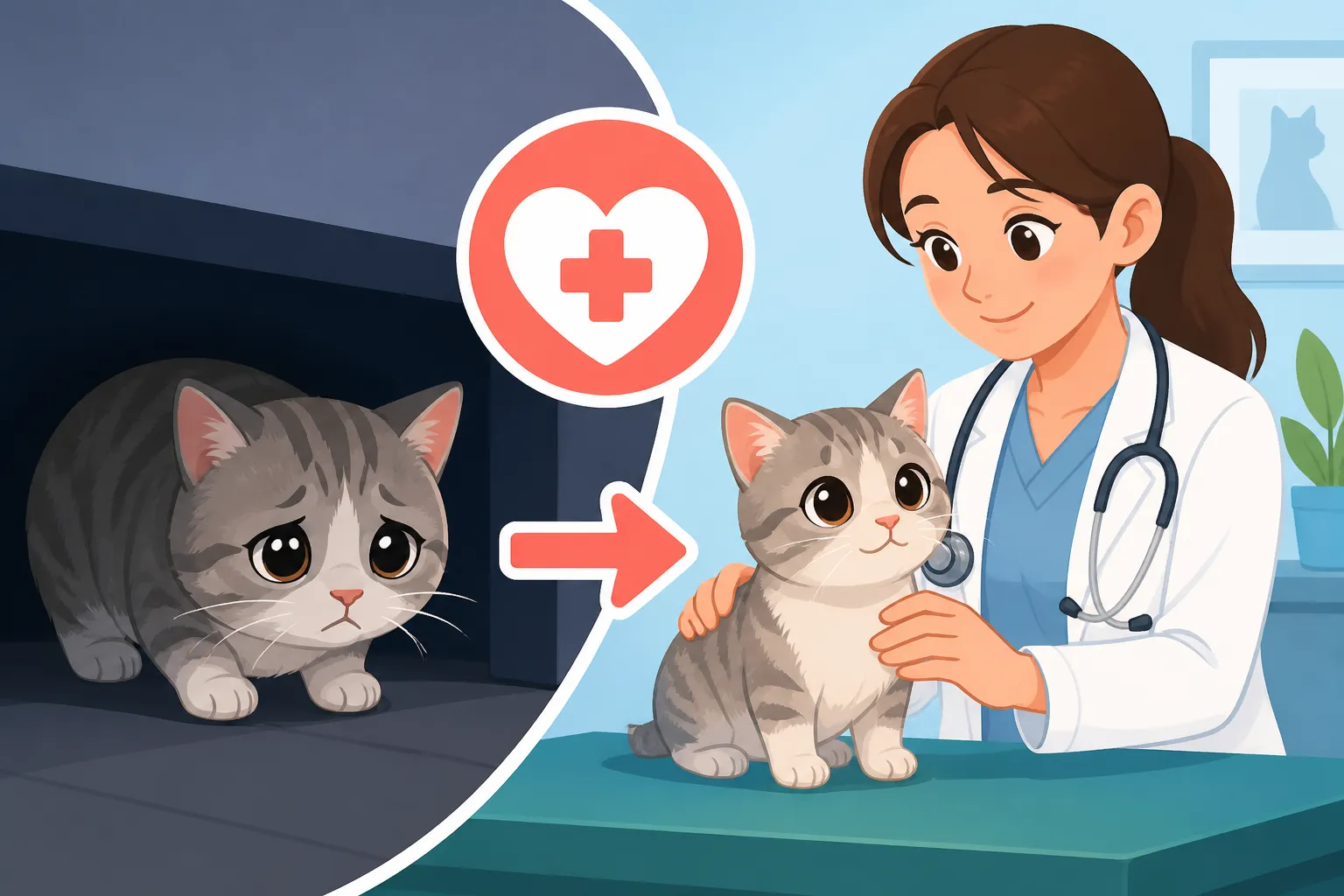
It's incredibly alarming when your usually lively and curious Munchkin cat suddenly retreats into themselves, hiding away, refusing play, or becoming unusually quiet. This sudden change in a Munchkin's behavior is a significant red flag that something is amiss, and it absolutely warrants immediate veterinary attention. This comprehensive guide will walk you through why withdrawal is so concerning for Munchkins, the potential underlying causes, and what steps to take when your beloved short-legged companion starts to withdraw.
Recognizing the Signs of Withdrawal in Your Munchkin
Understanding what "withdrawal" looks like in your specific cat is key, as every cat has their own unique personality. What's normal for one might be a stark warning sign for another. However, for a Munchkin, whose very nature is often described as playful and outgoing, a shift towards reclusiveness is particularly poignant.
What "Withdrawn" Looks Like for a Munchkin
A withdrawn Munchkin isn't always obviously sick. It's often a subtle but pervasive change. You might notice they're spending more time in unusual hiding spots, perhaps under the bed when they usually sleep on it, or tucked away in a closet they rarely visit. They might respond less to their name, ignore their favorite toys, or stop greeting you at the door. Their usual vocalizations – those adorable little chirps and purrs – might cease or become very infrequent. They might even stop using their ramps or steps to reach their favorite perches, preferring to stay on the floor.
Imagine your Munchkin, normally keen to engage in a game of chase with a feather wand, now just watching it disinterestedly from beneath the coffee table. Or perhaps they used to follow you from room to room, but now they remain curled up in one spot, only moving to eat or use the litter box. These shifts, especially if they are sustained for more than a day, are crucial indicators that something isn't right. It's not just a bad mood; it's a distress signal.
Why a Munchkin's Instinct to Hide is Heightened
Cats, by instinct, are masters of hiding illness or pain. In the wild, showing weakness makes them vulnerable to predators. Munchkins, with their unique physical conformation, have an even stronger reason to hide when they feel unwell or threatened. Their short legs mean they cannot easily escape by climbing to high places like a normal-legged cat. This physical limitation means that finding a secure, tucked-away spot on the ground becomes their primary defense mechanism when they feel vulnerable.
When a Munchkin feels pain or discomfort, their natural inclination is to curl up and become invisible. If they're experiencing joint pain, for instance, every movement might be uncomfortable, so they'll minimize activity. If they're nauseous, they don't want to engage in playful antics. Their low stature, which makes them so charming, also means they are always at ground level, making them feel more exposed if they're not feeling well. This heightened instinct to hide makes a withdrawn Munchkin a more urgent case, as their retreat is often a sign that their coping mechanisms are stretched thin. They’re not just feeling a bit off; they're likely trying to manage a significant internal struggle.
Medical Reasons for a Munchkin's Sudden Change in Behavior
When a Munchkin withdraws, the first thing to consider is a medical cause. Many underlying health issues can manifest as changes in behavior, and for a breed with specific physical traits, certain conditions might be more common or present unique challenges.
Pain and Discomfort: The Silent Sufferer
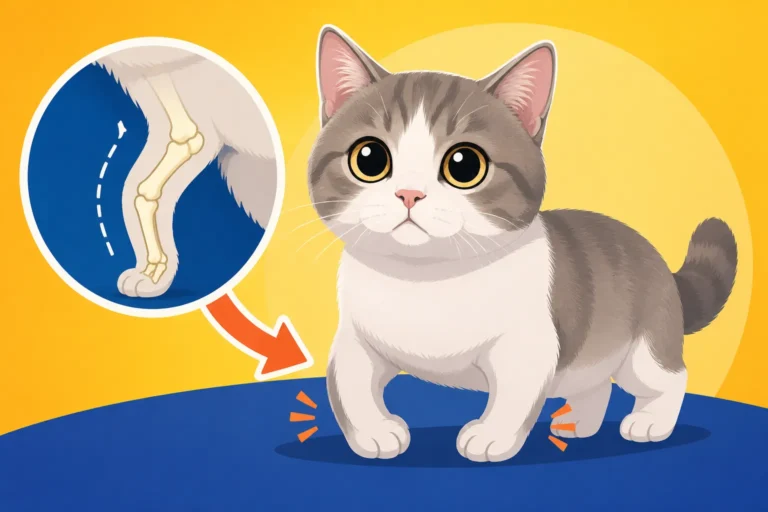
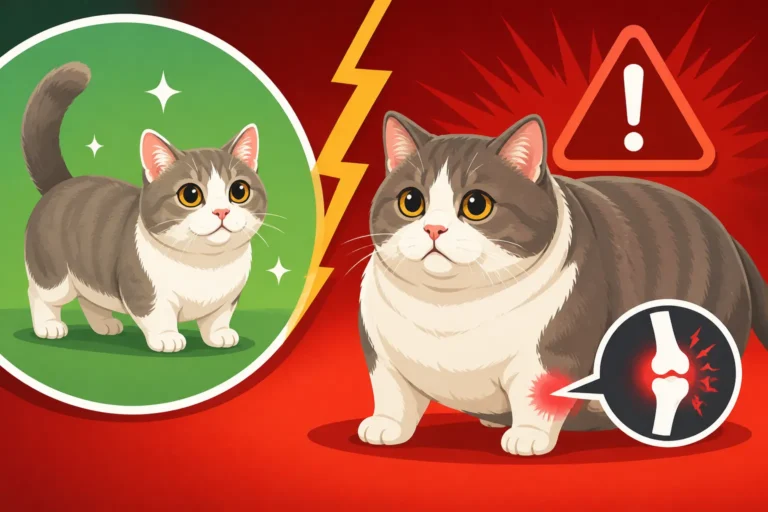
Pain is perhaps the most common reason for a cat to become withdrawn, and Munchkins are no exception. Their unique skeletal structure can predispose them to certain types of discomfort. Arthritis, for instance, can set in earlier for some Munchkins, particularly in their shoulders and elbows, which bear a significant load due to their short limbs and unique gait. Imagine the constant strain on those joints; it’s no wonder they might seek solitude when they hurt. You can read more about Whether a Munchkin Gets Arthritis Earlier to understand this better.
Beyond general joint pain, spinal issues are a significant concern for Munchkins. Conditions like lordosis, a severe inward curvature of the spine, can cause chronic pain and pressure on internal organs. Even if it's mild, any discomfort along the spine can lead a Munchkin to avoid movement and seek quiet seclusion. For a deeper dive, check out Why a Munchkin's Spine Carries a Load a Normal Cat's Does Not. A cat in pain won't want to play, jump (even small jumps), or engage with their family. They might even become irritable if touched in a painful area, further reinforcing their desire to be left alone. This silent suffering means it's crucial not to dismiss withdrawal as just "being grumpy."
Illnesses and Infections
Just like any other cat, Munchkins are susceptible to a range of illnesses and infections that can cause them to feel unwell and withdraw. A common culprit might be a urinary tract infection (UTI), which can make urination painful and lead to general malaise. Dental disease is another frequently overlooked cause of pain and behavioral changes. Cats are incredibly adept at hiding oral discomfort, but severe dental issues can make eating painful, leading to reduced appetite and subsequent lethargy.
Beyond these, systemic illnesses such as kidney disease or hyperthyroidism, especially in older Munchkins, can cause a general feeling of unwellness. Cats with kidney issues might feel nauseous and dehydrated, while hyperthyroidism can lead to weight loss, increased thirst, and sometimes a change in temperament, making them more irritable or anxious, leading to withdrawal. If your Munchkin is senior, understanding What an Old Munchkin Stops Being Able to Do can help you spot these age-related health changes. Any of these conditions can make a cat feel too sick to engage, prompting them to hide away. Early detection is vital for managing these conditions, so a prompt vet visit is non-negotiable.
Gastrointestinal Upset
Nausea, vomiting, and diarrhea are deeply unpleasant experiences for any creature, and a Munchkin experiencing significant gastrointestinal upset will undoubtedly withdraw. They might feel too sick to eat, leading to lethargy and a desire to be left alone. Something as simple as a hairball blockage, an adverse reaction to a new food, or a more serious issue like inflammatory bowel disease could be the root cause.
A cat that’s constantly nauseous or experiencing stomach cramps isn’t going to be interested in playtime or cuddles. They might also associate the discomfort with their surroundings and seek out new, quiet spots where they feel less disturbed. Observing changes in their appetite – either refusing food entirely or only picking at it – or their litter box habits can provide crucial clues. If you notice any signs of vomiting, diarrhea, or straining to defecate alongside withdrawal, this significantly increases the urgency of a veterinary visit.
Environmental and Stress-Related Factors
While medical issues are often the primary concern, sometimes a Munchkin's withdrawal can stem from changes in their environment or significant stress. However, it's critical to rule out medical causes first, as symptoms often overlap.
Changes in Household Dynamics
Cats are creatures of habit and can be highly sensitive to changes in their home environment. For a Munchkin, whose ability to navigate changes and escape quickly is physically limited, these disruptions can be even more impactful. A new baby, a new pet (especially a dog that might not understand a Munchkin's limits), or even a new person moving in can be a source of immense stress. Loud noises, construction, or a sudden alteration in your routine could also trigger anxiety and cause your Munchkin to withdraw and hide.
Imagine a new, larger cat or a boisterous dog entering the home. A Munchkin, unable to quickly scale a cat tree or leap onto a tall shelf to escape, might feel constantly vulnerable. Their only recourse is to find a small, hidden space where they feel safe. This can lead to them spending most of their time tucked away. For instance, Why a Munchkin Cannot Climb Away From Anything highlights their vulnerability, making them more prone to hiding when threatened or stressed. Even positive changes for you, like redecorating, can be unsettling for your feline friend, especially if it alters their established safe routes and perching spots.
Inaccessible Resources or Unsuitable Environment
A Munchkin's physical needs are specific, and if their environment doesn't accommodate them, it can lead to frustration, stress, and eventual withdrawal. A common issue might be a litter box with sides too high for them to comfortably enter, causing them to hold their urine or defecate outside the box, or simply avoid it and seek seclusion out of discomfort. Similarly, food and water bowls placed on counters or high stands might be a stretch, leading to them eating and drinking less.
Consider the layout of your home: Are there enough low-level scratching posts? Are all their favorite sleeping spots easily accessible? If a Munchkin has to strain or feel unsafe to reach essential resources, it can lead to stress. For example, if their litter box is a struggle, you can explore options discussed in Why a Munchkin Needs a Litter Box It Can Walk Into. An environment that doesn't cater to their unique physical needs can make a Munchkin feel isolated and uncomfortable, prompting them to withdraw from interaction and activity. Ensuring their living space is Munchkin-friendly is a vital part of their overall well-being.
What to Expect When You Bring Your Withdrawn Munchkin to the Vet
When your Munchkin starts exhibiting withdrawn behavior, the vet is your best friend. Don't delay the visit, as early intervention can make a world of difference. Your vet needs to be able to get a full picture of what's happening.
The Importance of a Thorough Examination
When you arrive at the vet with your withdrawn Munchkin, expect a very thorough examination. The veterinarian will start by asking you detailed questions about the changes you've observed: when they started, what specific behaviors have changed, appetite and thirst levels, litter box habits, and any other symptoms you've noticed. It's incredibly helpful to come prepared with notes on these observations, as memory can sometimes fail under stress.
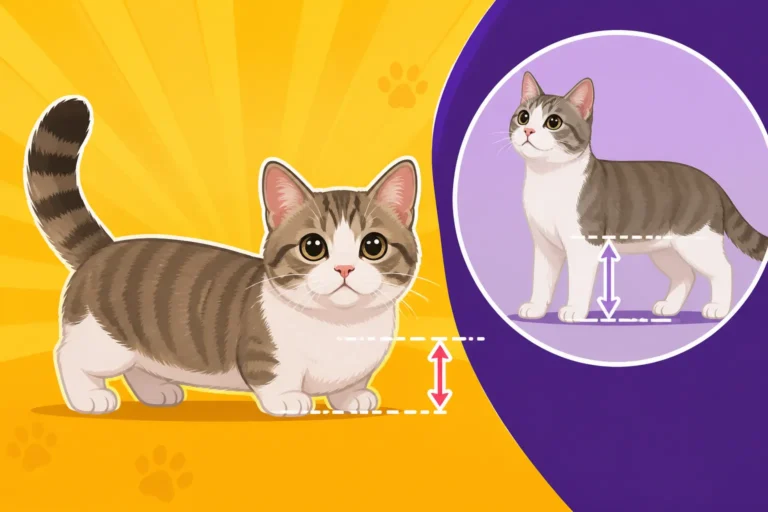
The vet will then perform a comprehensive physical exam. This involves listening to their heart and lungs, checking their temperature, looking at their teeth and gums, and carefully palpating their abdomen for any signs of pain or abnormalities. For a Munchkin, special attention will be paid to their musculoskeletal system. The vet will gently manipulate their legs, shoulders, and spine, looking for signs of pain, stiffness, or decreased range of motion. They'll also observe your Munchkin's gait and posture. You might find it useful to ask your vet How a Vet Assesses a Munchkin's Leg Conformation to understand their process. They might also watch how your cat moves in the examination room, looking for any limping or unusual movements that might indicate pain.
Diagnostic Tests Your Vet Might Recommend
Based on the physical exam and your observations, your vet may recommend various diagnostic tests to pinpoint the cause of the withdrawal. These often start with blood work, which can reveal a wealth of information about internal organ function (kidneys, liver), blood cell counts (indicating infection or anemia), and thyroid levels. A urinalysis can detect urinary tract infections, kidney issues, or diabetes.
If pain or skeletal issues are suspected, X-rays are a common next step. These images can reveal signs of arthritis, spinal abnormalities like lordosis, or other bone conditions. In some cases, an ultrasound might be used to get a clearer picture of internal organs. Remember, these tests are crucial for getting an accurate diagnosis. Veterinary care, especially for diagnostics, can sometimes be an unexpected expense, which is why many pet parents find peace of mind with pet insurance like Healthy Paws. A good policy from a provider like Healthy Paws can help cover a significant portion of these diagnostic and treatment costs, allowing you to focus on your cat's recovery without added financial stress.
Preparing for Your Vet Visit
To make your vet visit as productive as possible, preparation is key. As mentioned, keep a detailed log of your Munchkin's symptoms: when they started, what behaviors changed, how often they're eating/drinking, and any changes in their litter box usage (frequency, consistency). Note down any recent changes in their environment, such as new furniture, visitors, or even a change in food.
Gather any previous medical records, especially if you're visiting a new vet or if your Munchkin has a history of certain conditions. If your Munchkin is on any medications or supplements, bring the containers or a list with dosages. And while it might seem obvious, ensure your Munchkin is safely secured in a comfortable carrier that they can walk into easily. A low-entry carrier can reduce stress, particularly if they are already in pain or uncomfortable. Being prepared helps your vet make a faster, more accurate diagnosis, leading to quicker relief for your beloved Munchkin. Dealing with a withdrawn cat can be stressful, but remember, early action is always the best path.
| Symptom of Withdrawal | Potential Medical Cause | Potential Environmental/Behavioral Cause | Urgency of Vet Visit |
|---|---|---|---|
| Increased Hiding | Pain (spinal, joint, abdominal), general malaise, fever | Fear (new pet/person), stress, lack of safe spots | High |
| Reduced Appetite | Nausea, dental pain, kidney disease, infection, organ issues | Stress, food aversion, inaccessible bowls | High |
| Decreased Play | Pain, lethargy, systemic illness, weakness | Boredom, depression, unsuitable toys | High |
| Neglecting Grooming | Pain (especially hindquarters), stiffness, depression | Inaccessible grooming tools, stress | Medium-High |
| Litter Box Changes | UTI, constipation, diarrhea, pain with movement | Inaccessible box, dirty box, stress | High |
| Less Vocalization | Pain, lethargy, fear | Stress, depression | High |
| Irritability/Aggression | Pain, fear, underlying neurological issue | Overstimulation, stress | High |
Disclaimer
This article is for general informational purposes only and does not constitute professional advice. Laws, prices and regulations vary by location and change over time. Consult a qualified professional for guidance on your specific situation.