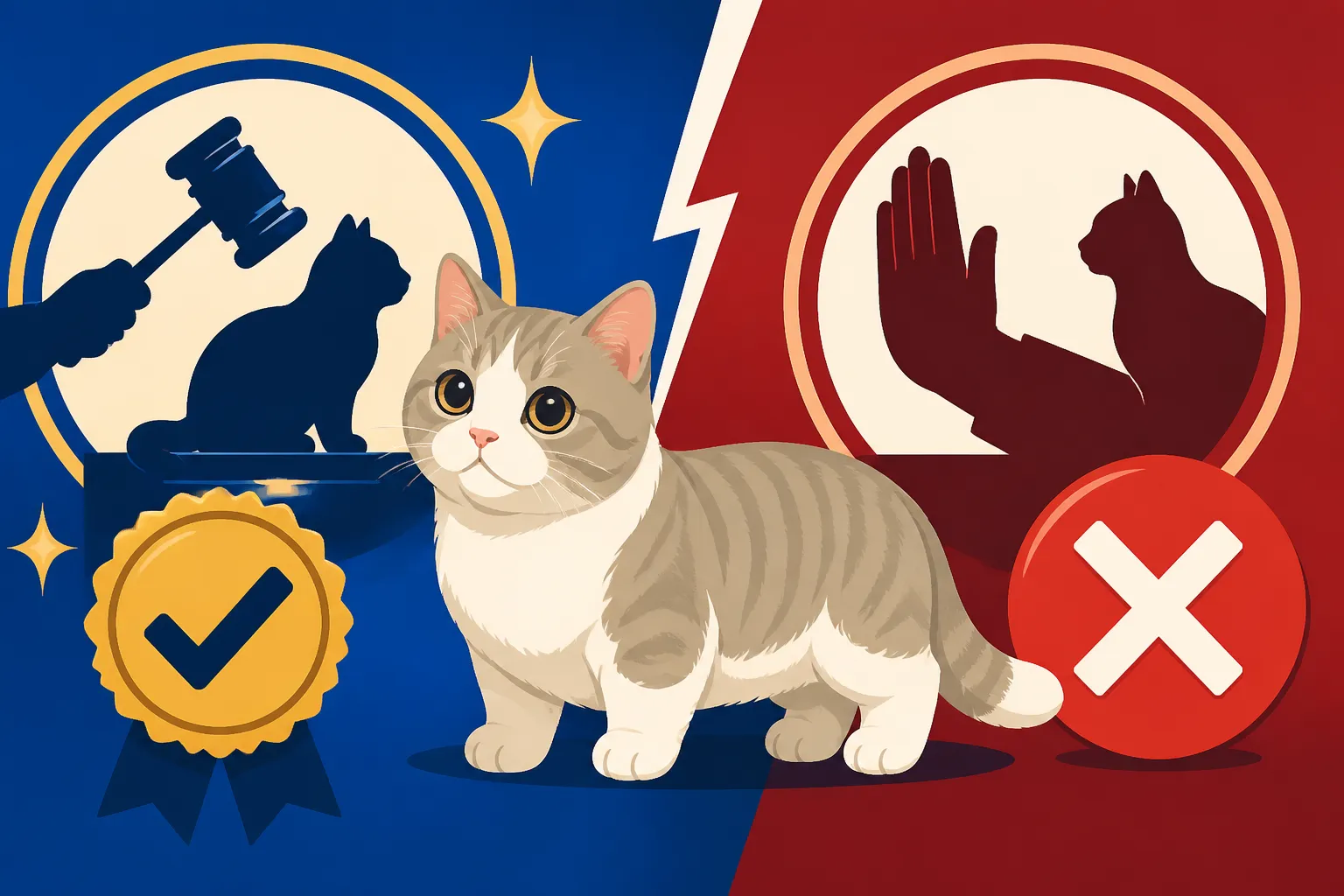
TICA Judges the Munchkin and CFA Will Not Register It
It can be incredibly confusing when you first start looking into the Munchkin cat breed and stumble upon conflicting information about its official standing in the feline world. You might hear one group championing them as a unique and delightful addition, while another dismisses them entirely. This guide aims to clear up that fog, explaining precisely which cat registries recognize the Munchkin, why others steadfastly refuse, and what all of this really means for you as a prospective owner or dedicated enthusiast.
TICA: The Champion of the Munchkin Breed
When it comes to official recognition and active promotion of the Munchkin cat, The International Cat Association (TICA) stands alone among the major worldwide registries. For many years, TICA has been the primary advocate for the breed, allowing Munchkins to compete in championship status, setting a breed standard, and providing a framework for responsible breeding. This acceptance has been a cornerstone for the breed's development and popularity, offering a legitimate platform for breeders to register their cats and for owners to celebrate their unique companions.
Acknowledging the Unique Dwarfism
TICA's decision to accept the Munchkin stems from its broader philosophy of embracing genetic diversity and allowing new breeds to develop, provided they meet certain health and welfare criteria. The short legs of the Munchkin are the result of an autosomal dominant gene for pseudoachondroplasia, a form of dwarfism affecting long bones. Unlike some other forms of dwarfism, the Munchkin's dwarfism primarily affects the length of the long bones in the legs, while the spine remains a normal length. TICA recognized that while unique, this characteristic didn't inherently predispose the cats to debilitating health issues not seen in other breeds, provided careful breeding practices were followed.
For new owners, understanding this genetic basis is crucial. It means that the short legs are a fundamental characteristic of the breed, not an injury or a defect that will worsen over time. A healthy Munchkin, even with its distinct physique, is expected to lead a full and active life, though its physical capabilities will differ from a long-legged cat. This is why discussions around topics like Why a Munchkin's Legs Are Short but Its Body Is Not are so important for education.
The Path to Championship Status
The Munchkin didn't achieve championship status overnight with TICA. It was a journey that involved initial recognition as a New Breed, then a Provisional New Breed, and finally, after rigorous review and demonstration of consistent breed type and health, full Championship status. This process is designed to ensure that a new breed is viable, healthy, and breeds true to type. For the Munchkin, this meant demonstrating that the short-legged trait was consistently inherited, that outcrosses to domestic non-pedigree cats helped maintain genetic diversity, and that the cats themselves were generally healthy and well-adjusted.
This progression through the ranks of TICA's registration system provides a form of validation for the breed. It means that the breed has undergone scrutiny and has met the established criteria for health and conformational standards. Breeders who follow TICA guidelines are expected to adhere to specific ethical practices, including outcrossing only to approved domestic cats to broaden the gene pool and prevent potential genetic bottlenecks. This ensures the vitality and robustness of the Munchkin lines.
What the TICA Standard Asks For
TICA's breed standard for the Munchkin is a detailed document that outlines the ideal physical characteristics and temperament of the breed. It describes everything from head shape and ear set to body conformation, coat type, and, of course, leg length. The standard acknowledges the unique short legs, dividing them into categories like "standard" and "rug hugger" based on their height. However, it equally emphasizes that the body should be muscular, the spine flexible, and the overall impression one of balance and vitality.
The standard specifically calls for a cat that is lively, outgoing, and active, dispelling myths that their short legs impede a normal cat-like existence. It's not just about the short legs; it's about the entire cat's health and conformation. For example, a common concern like What Lordosis Actually Is in a Munchkin is directly addressed through strict breeding guidelines that aim to minimize any spinal curvature issues, even though lordosis isn't unique to Munchkins. Understanding What the TICA Munchkin Standard Asks For is key for anyone considering buying a registered cat.
CFA's Resolute Opposition to the Munchkin
In stark contrast to TICA, the Cat Fanciers' Association (CFA), one of the oldest and largest registries in the world, has consistently refused to recognize the Munchkin cat. This stance isn't unique to the CFA, as many other prominent cat registries globally share similar reservations. Their refusal is rooted in deep-seated ethical concerns regarding the health implications of breeding for exaggerated physical traits, particularly those involving genetic mutations that impact skeletal structure.
The Core Ethical Concerns
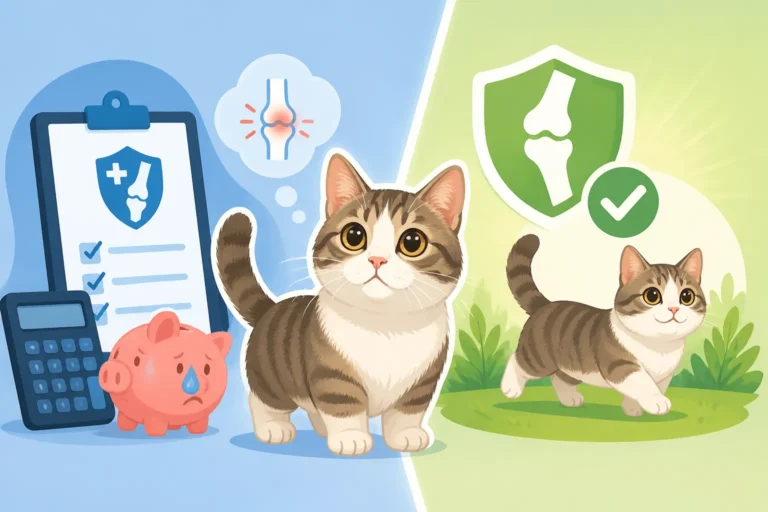
CFA's position is primarily driven by a commitment to the health and welfare of cats, which they believe should not be compromised by breeding for novel appearances. The organization views the Munchkin's short legs as a genetically inherited deformity that could potentially lead to spinal issues, joint problems, or reduced mobility, thereby impacting the cat's quality of life. From their perspective, intentionally breeding for a characteristic that limits a cat's natural abilities, such as jumping or running, is contrary to ethical breeding principles.
This ethical debate often centers on the idea of "form follows function." Traditional cat breeds are typically selected for traits that enhance their natural feline capabilities or at least do not hinder them. The Munchkin's short legs are seen by critics as fundamentally altering a cat's natural locomotion and agility, raising questions about whether breeders are prioritizing aesthetics over welfare. Many people ask, Whether a Munchkin Lives as Long as a Normal Legged Cat, which is a core part of this ethical discussion.
The Definition of a "Healthy" Breed Standard
For registries like CFA, a "healthy" breed standard means one that promotes the overall well-being and longevity of the animal without introducing inherent physical disadvantages. They argue that the Munchkin's short legs, while charming to some, deviate significantly from the natural feline form and could lead to secondary health complications. This philosophy is about safeguarding the breed from future suffering, preventing what they perceive as a potentially debilitating genetic trait from becoming widespread.
This perspective isn't about shaming owners or existing Munchkins, but about setting a precedent for what constitutes responsible breeding within the cat fancy. CFA, and other like-minded organizations, maintain that a breed should be able to perform all the typical cat behaviors — jumping, climbing, running, and grooming — without undue strain or difficulty arising directly from its conformational traits.
Impact of Non-Recognition on Breeders
The CFA's non-recognition significantly impacts Munchkin breeders in a practical sense, particularly those who adhere strictly to the traditional cat fancy model. Without CFA recognition, breeders cannot register their Munchkin cats with the organization, nor can they exhibit them in CFA-sanctioned shows. This limits the avenues for gaining prestige, validating their breeding lines, and reaching a broader market of traditional pedigree cat enthusiasts. For a breeder aiming for recognition within these established circles, CFA's stance is a considerable barrier.
Furthermore, the lack of recognition from such a prominent body can fuel skepticism and criticism from other breeders and even some veterinary professionals. It places the onus on Munchkin breeders to constantly educate and justify their practices, often leading to a divide within the larger cat community. Breeders must often decide if they want to adhere to a registry like TICA that embraces the breed, or if they prefer to avoid breeds that are controversial to more traditional organizations. For a deeper dive into the reasons, one might explore Why CFA Has Never Accepted the Munchkin.
The Global Landscape of Munchkin Recognition
The debate over the Munchkin cat extends far beyond the borders of North America, with various cat registries and national welfare organizations worldwide taking different, often opposing, stances. This global disparity highlights the cultural and ethical differences in how genetic mutations and breed standards are perceived across the international cat fancy.
European Registries: A Mixed and Often Banning Stance
In many European countries, the stance on breeding Munchkin cats is notably stricter than in the United States. Several prominent European cat registries and national animal welfare organizations have either outright banned the breeding and showing of Munchkins or have expressed strong opposition. The Governing Council of the Cat Fancy (GCCF) in the United Kingdom, for instance, explicitly refuses to register Munchkins, citing concerns over welfare due to their shortened limbs and potential health issues. Similarly, some federations in Germany, the Netherlands, and Scandinavia consider the breeding of cats with inherent physical disadvantages, often termed "torture breeding," to be unethical or even illegal under animal welfare laws.
These European bodies often interpret the Munchkin's dwarfism as a direct compromise to the cat's natural mobility and a potential cause of suffering, even if indirect. Their focus leans heavily towards preventing genetic conditions that might require ongoing veterinary intervention or limit a cat's ability to express natural behaviors. This perspective aligns with a broader trend in Europe to regulate the breeding of certain "extreme" traits in various animal species, reflecting a more interventionist approach to animal welfare. This is why it's worth understanding Why GCCF Refuses the Munchkin.
Asian Cat Fancies and Their Acceptance
While Europe largely remains skeptical, many cat associations in Asia, particularly in Japan, have shown a greater acceptance and enthusiasm for the Munchkin. The breed enjoys immense popularity in these regions, often appearing in pet cafes and media. This cultural preference for unique and "cute" physical traits, coupled with less stringent regulatory frameworks compared to some European nations, has allowed the Munchkin to thrive. Breeders and owners in these countries participate in local shows and often register their cats with regional or TICA-affiliated organizations.
This acceptance in Asia demonstrates that perspectives on what constitutes an acceptable breed characteristic can vary dramatically. For many in these regions, the Munchkin's distinctive appearance is seen as charming and adds to its appeal, with less emphasis placed on the potential long-term health implications by the mainstream. This doesn't mean health isn't a consideration, but the interpretation of "health impact" may differ from the strict welfare-centric views in other parts of the world.
Why Registries Take Different Stands
The divergence in recognition among cat registries boils down to several factors: differing philosophies on animal welfare, varying interpretations of scientific data, and cultural attitudes toward selective breeding. Some registries prioritize maintaining traditional feline health and form, viewing any deviation that could potentially impair mobility or cause discomfort as unethical. Others, like TICA, are more open to developing new breeds based on novel genetic traits, provided robust health screening and responsible breeding practices are in place.
The lack of universally agreed-upon scientific data on the long-term health of Munchkins also contributes to the divide. While proponents cite studies suggesting Munchkins are no more prone to spinal or joint issues than other breeds, critics often point to anecdotal evidence or argue that the studies are insufficient. This lack of definitive, long-term, large-scale independent research allows for ongoing debate and differing interpretations, fueling the varied stances taken by cat fancy organizations worldwide.
What "Registration" Means for Your Munchkin
When you acquire a Munchkin, or any purebred cat, the concept of "registration" can be a bit nebulous. It's not the same as registering your dog with a local municipality or microchipping your pet. In the cat fancy world, registration with an organization like TICA carries specific implications, primarily related to pedigree, breeding, and showing, and it’s important to understand these distinctions.
The Paper Trail: Pedigrees and Ownership Documents
At its core, registering a Munchkin cat with TICA means that its lineage and birth details are recorded within the organization's official database. This process starts with the breeder, who registers the litter and then provides individual registration papers for each kitten. These papers serve as a pedigree, tracing your cat's ancestry back through generations of registered Munchkins and their approved outcrosses. For a pet owner, this provides assurance about the cat's origins and helps confirm that it is indeed a purebred Munchkin from a reputable line.
These documents aren't just fancy pieces of paper; they are proof of your cat's identity within the breed. They typically include the cat's registered name, its date of birth, the names of its sire and dam, and the breeder's information. When you purchase a Munchkin, you should receive these papers, often with an application to transfer ownership into your name. This ensures that you are recognized as the official owner in the registry's records. Always ask What a Munchkin Breeder Should Be Able to Show You to ensure you're getting legitimate papers.
Beyond the Papers: Proving Breed Purity
While registration papers are crucial, they don't automatically mean your cat is ready for the show ring or suitable for breeding. For Munchkins, especially, there's a practical aspect of proving breed purity beyond just the official documents. It involves evaluating the cat's physical characteristics against the TICA breed standard. Even within a registered litter, some kittens will have "long legs" (non-Munchkin phenotype) and others "short legs" (Munchkin phenotype). Only the short-legged cats are recognized as "Munchkins" for breeding and showing purposes, though the long-legged siblings are still valuable in genetic outcross programs and make wonderful pets.
Breeders, through careful selection and documentation, ensure that only Munchkins that meet the physical standard are used for breeding the next generation of short-legged cats. This commitment to maintaining the unique trait while adhering to health guidelines is part of what makes a reputable breeder. This is also where the concept of How to Verify a Munchkin Is Registered at All becomes relevant for potential buyers.
The Value of Registration for Pet Owners vs. Breeders
For the average pet owner, having a registered Munchkin offers peace of mind. It confirms that your cat comes from a recognized breed line, potentially with health clearances or a documented history of healthy ancestors. This can be important when considering insurance options from providers like Healthy Paws, as some policies may differentiate based on breed status or known hereditary conditions. An unregistered cat, even if it looks like a Munchkin, might have an unknown genetic background, making it harder to anticipate potential health issues.
For breeders, registration is absolutely essential. It's the foundation of their breeding program, allowing them to track lineage, ensure genetic diversity, and participate in the official cat fancy. Breeding registered Munchkins enables them to promote their lines, attract buyers, and contribute to the breed's future under the guidance of TICA. Without registration, a breeder wouldn't be able to establish a legitimate cattery or participate in sanctioned events. It helps them uphold the standards set for the breed.
Showing Your Munchkin: The TICA Experience
For those who are passionate about the Munchkin breed and wish to contribute to its recognition and refinement, the TICA show ring offers a unique and exciting avenue. Showing a Munchkin isn't just about winning ribbons; it's about showcasing healthy, well-conformed examples of the breed, connecting with other enthusiasts, and helping to educate the public.
Navigating the Show Ring with a Munchkin
Participating in a TICA cat show with a Munchkin involves understanding the specific judging process and what judges are looking for. Unlike other breeds, the Munchkin’s distinguishing feature – its short legs – is precisely what draws attention and requires careful evaluation against the breed standard. You'll prepare your cat, ensuring it's well-groomed, socialized, and comfortable with being handled by strangers. Show halls can be bustling environments, filled with sights and sounds that are new to a cat, so early socialization is key.
During judging, your Munchkin will be presented to multiple judges, each evaluating its conformation, condition, and temperament. Judges look for a cat that is balanced, healthy, and represents the ideal What a Munchkin Looks Like Against the TICA Standard. It's a chance for your cat to shine and for you to learn more about breed specifics from experienced judges and fellow exhibitors. It's a fantastic way to engage with the cat community and celebrate your unique feline companion.
How a Munchkin is Judged Against the Standard
TICA judges assess Munchkins based on the written breed standard, which describes the ideal characteristics for the breed. This includes the moderate size, muscular body, expressive eyes, and, crucially, the short, well-boned legs. Judges will observe the cat’s movement, looking for agility and ease of locomotion despite the shorter limbs. They’re specifically not looking for signs of discomfort or impairment due to the legs. The unique "prairie dog" sit, where a Munchkin sits up on its hind legs, is also a recognized and charming trait often observed by judges.
While the short legs are the defining feature, they are only one aspect of a holistic evaluation. A Munchkin must also have a healthy coat, clear eyes, good muscle tone, and a friendly disposition. Any signs of genetic health issues, such as severe lordosis or pectus excavatum, would be considered faults. The goal is to reward cats that embody the healthy and active spirit of the breed while meeting the specific physical requirements.
The Perks and Challenges of Showing
Showing a Munchkin offers several perks. It provides a platform to validate your cat's quality, potentially earning titles like Champion, Grand Champion, or even Supreme Grand Champion. These titles add prestige to your cat and your cattery, if you're a breeder. It also offers a wonderful social experience, allowing you to connect with a community of like-minded cat lovers, share knowledge, and learn from others' experiences. Many exhibitors form lasting friendships through the show circuit.
However, showing also comes with challenges. It requires significant time, effort, and financial investment, including entry fees, travel, and grooming supplies. The competitive nature can be intense, and not every cat is suited to the stress of a show environment. Furthermore, despite TICA's acceptance, Munchkins can still face scrutiny and negative commentary from individuals who oppose the breed, making it a potentially controversial choice for some. Yet, for dedicated enthusiasts, the rewards of showcasing their beautiful Munchkins often outweigh these difficulties.
The Ongoing Debate: Welfare vs. Recognition
The discussion surrounding the Munchkin cat isn't just about registration papers and show rings; it's deeply rooted in a passionate and often polarizing debate about animal welfare. This fundamental disagreement lies at the heart of why some registries embrace the breed while others firmly reject it. Understanding both sides of this argument is vital for any prospective Munchkin owner.
The Health Arguments Against the Breed
Opponents of the Munchkin breed primarily raise concerns about the potential for adverse health effects directly linked to its defining short-legged trait. The argument is that the shortened limbs, being a form of dwarfism, place undue stress on the spine and joints. While Munchkins generally don't suffer from the severe spinal issues seen in some dog breeds with similar dwarfism (like Dachshunds), critics point to conditions like lordosis (excessive inward curvature of the spine) and pectus excavatum (a sunken chest) as being potentially more prevalent in the breed. They argue that selecting for a genetic mutation that affects bone development is inherently unethical due to these perceived risks.
The core of this ethical stance is the belief that a cat should be able to move and behave like a cat without physical limitations imposed by breeding choices. Critics suggest that Munchkins may struggle with jumping, climbing, or even grooming certain parts of their body, leading to a diminished quality of life. The concern is that while many individual Munchkins appear healthy, the potential for breed-related issues due to their conformation makes breeding them inherently irresponsible.
Breeder Defenses and Responsible Practices
Munchkin breeders and advocates, however, strongly dispute these claims. They argue that well-bred Munchkins from responsible lines are generally healthy and suffer no more from spinal or joint issues than many other domestic cats. They emphasize that the Munchkin's dwarfism is distinct from the achondroplasia seen in some dog breeds, and that the feline spine is often more flexible and less prone to the same issues. Furthermore, they highlight that conditions like lordosis and pectus excavatum can occur in any cat breed, and good breeders actively screen for and eliminate affected cats from their breeding programs.
Responsible Munchkin breeders focus on stringent health checks, including physical examinations of kittens to assess their gait and conformation, and careful selection of breeding pairs. They typically outcross Munchkins to healthy, long-legged domestic cats to maintain genetic diversity and prevent inbreeding, which can compound health problems. Many also ensure that their cats receive excellent nutrition and regular veterinary care to support their overall health and joint function. They believe that with proper care and selective breeding, a Munchkin can live a long, happy, and healthy life, similar to The Twelve to Fifteen Years a Munchkin Usually Gets.
The Consumer's Role in the Ethical Discussion
As a prospective Munchkin owner, you play a crucial role in this ongoing ethical discussion. By seeking out only reputable breeders who prioritize health, temperament, and responsible practices, you can support ethical breeding. This means asking detailed questions about health screenings, veterinary records, and the breeder's philosophy. A good breeder should be transparent about potential health concerns and provide a comprehensive health guarantee. They should also provide documentation like TICA registration papers and demonstrate a genuine love and commitment to their cats' well-being.
Conversely, purchasing from irresponsible breeders or those who stack mutations (e.g., crossing a Munchkin with a Scottish Fold, creating a cat with two forms of skeletal deformity) only fuels the criticisms and perpetuates unethical practices. Your choice to buy a Munchkin from a well-vetted source sends a powerful message that animal welfare is paramount. This can be complex, so resources like Why the Munchkin Divides the Cat Fancy More Than Any Breed can offer valuable context for informed decision-making.
Choosing a Munchkin: Beyond the Papers
Deciding to bring a Munchkin into your home is a significant decision, and while understanding breed registration is important, it’s only one piece of the puzzle. Your focus should extend to finding a healthy, well-socialized kitten from a reputable source, and understanding the practicalities of owning this unique breed for the long haul.
Identifying a Reputable Breeder
A reputable Munchkin breeder will be transparent, knowledgeable, and genuinely invested in the health and welfare of their cats. They won't just hand you a kitten; they'll ask you questions about your lifestyle, home environment, and experience with cats to ensure a good fit. They should be eager to share health records of the parents, discuss potential hereditary conditions, and provide a clear health guarantee for their kittens. They will also be TICA-registered and provide the necessary paperwork for your kitten. Be wary of any breeder who cannot produce these documents or is vague about their breeding practices.
They should also be happy to let you visit their cattery (or provide extensive video tours if an in-person visit isn't feasible) to see the living conditions of the cats. A good breeder's cats will appear clean, well-fed, and socialized. They should also have an environment adapted for short-legged cats, such as low-entry litter boxes (easily found on sites like Chewy) and ramps for accessing furniture. This commitment to proper care, visible in their home, is a strong indicator of their dedication.
Understanding the Price Tags and Guarantees
The cost of a Munchkin kitten can vary widely, often depending on factors like pedigree, coat type, and leg length (with "rug huggers" sometimes commanding higher prices). While it's tempting to look for a "deal," a significantly cheaper Munchkin can often be a red flag. Reputable breeders invest heavily in health testing, quality food, veterinary care, and proper socialization, all of which contribute to the kitten's price. A low price might indicate cutting corners in these crucial areas, which could lead to significant health and behavioral issues down the line. It's often true that Why a Cheap Munchkin Is a Warning.
Always inquire about the breeder's health guarantee. A responsible breeder typically offers a guarantee against serious genetic health defects for a certain period. This demonstrates their confidence in their breeding program and their willingness to stand behind the health of their kittens. Be sure to read the contract thoroughly, understanding what is covered, for how long, and what steps you would need to take if a problem arises.
The Long-Term Commitment to a Unique Cat
Owning a Munchkin means making certain adaptations to your home and lifestyle to ensure your cat's comfort and safety. While Munchkins are active and playful, their short legs mean they can't jump as high as other cats. This means providing ramps or steps for furniture, ensuring easy access to litter boxes, and perhaps even investing in raised food bowls to ease strain on their neck and shoulders. Products from retailers like Chewy often have entire sections dedicated to senior or mobility-challenged pets that are perfect for Munchkins.
Furthermore, ongoing veterinary care is important for any cat, but with a Munchkin, it’s particularly vital to be proactive about joint health and weight management. Because their shorter legs carry the same body weight as a normal cat, excess weight can put additional strain on their joints and spine. Regular check-ups, a balanced diet (perhaps with supplements for joint health), and attention to their unique grooming needs (as they might struggle to reach their hindquarters) are all part of the long-term commitment. By understanding these needs from the outset, you can provide a loving, safe, and enriching environment for your Munchkin for many happy years.
Here's a quick overview of how the major cat registries approach the Munchkin:
| Registry Name | Stance on Munchkin Recognition | Key Reason for Stance | Implications for Breeders/Owners |
|---|---|---|---|
| The International Cat Association (TICA) | Full Recognition | Embraces genetic diversity; health standards met | Can register cats, show in championships, contributes to breed development |
| Cat Fanciers' Association (CFA) | No Recognition | Ethical concerns over breeding for dwarfism; welfare | Cannot register cats, cannot show in CFA events |
| Governing Council of the Cat Fancy (GCCF) | No Recognition (UK) | Welfare concerns regarding movement and health | Cannot register cats, breeding generally discouraged/unregulated |
| FIFE (Fédération Internationale Féline) | No Recognition (Europe) | Ethical opposition to breeding for genetic deformities | Not recognized, often considered "torture breeding" in member countries |
| CFA-affiliated local clubs | No Recognition | Adheres to parent organization's policy | No local CFA-sanctioned events for Munchkins |
Disclaimer
This article is for general informational purposes only and does not constitute professional advice. Laws, prices and regulations vary by location and change over time. Consult a qualified professional for guidance on your specific situation.