Whether a Munchkin’s Chip Is Registered to You or the Breeder
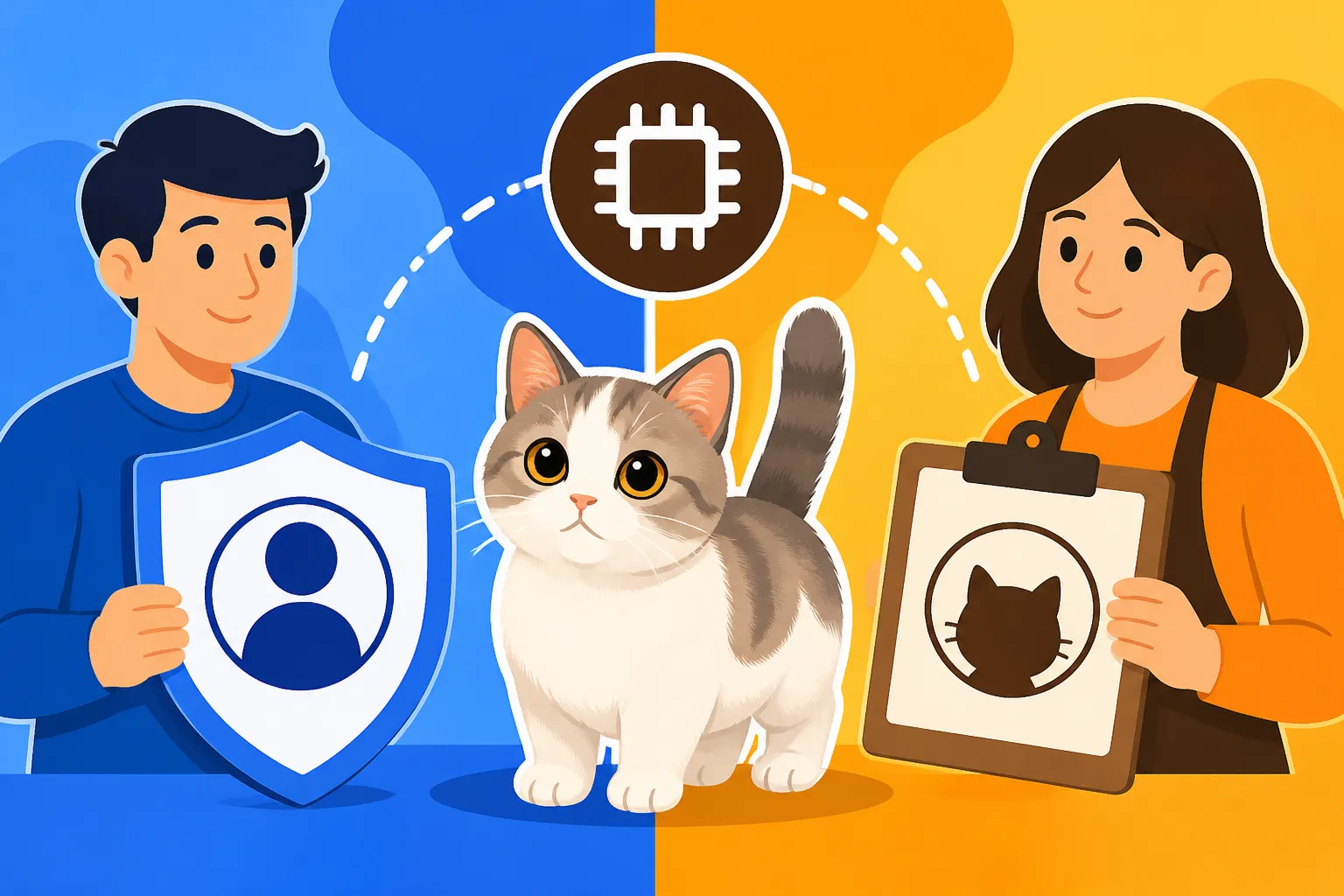
Bringing home a new Munchkin kitten is an incredibly exciting time, filled with dreams of adorable zoomies and purring cuddles. But amidst all that joy, there's often a lingering question that can cause a bit of anxiety for new pet parents: when it comes to your Munchkin's microchip, who is it actually registered to—you or the breeder? This guide will cut through the confusion and help you understand the process, ensuring your precious short-legged companion is always safely identifiable as yours.
Understanding Microchip Registration for Your Munchkin Kitten
The microchip is a tiny, rice-grain-sized transponder that’s inserted under your cat’s skin, usually between the shoulder blades. It carries a unique identification number that can be scanned by a vet or shelter if your Munchkin ever gets lost. But merely having the chip implanted isn't enough; that unique number needs to be registered with a database, linking it to your contact information. This is where the initial confusion often arises.
The Initial Registration by the Breeder
It’s quite common, and frankly, a responsible practice for a reputable Munchkin breeder to initially register the microchip in their name. Think of it as a temporary placeholder. When a kitten is born and microchipped before going to its new home, the breeder is the first point of contact. This ensures that if, by some highly unlikely chance, a kitten were to escape or get lost before leaving the cattery, it could be traced back to them. It also serves as an initial layer of identification and proof of ownership for the breeder while the kitten is still under their care. They are the ones who facilitated the implantation and often handle the initial paperwork with the microchip registry. This is part of the meticulous record-keeping a good breeder maintains, covering everything from health checks to vaccination schedules.
They might register it with their own details to a database like AKC Reunite or PetLink. This isn't a red flag; it's them taking responsibility for their animals. However, it's crucial to understand that this is only the first step. You, as the new owner, need to complete the transfer to truly secure your Munchkin's identity as belonging to your family.
The Transfer Process to the New Owner
This is the absolutely critical step that you need to ensure happens without delay. Once you’ve completed the purchase of your Munchkin kitten and taken them home, the microchip registration must be transferred into your name and contact details. A responsible breeder will either provide you with the necessary forms to complete this transfer yourself, or they will initiate the transfer online and confirm it with you.
The transfer process usually involves providing the microchip number, your full name, address, phone number, and email. Some registries might charge a small one-time fee for the transfer or offer a premium service with annual fees for enhanced features like lost pet alerts. Don't skip this step to save a few dollars; it's a minimal cost for immense peace of mind. Think of it like changing the title on a car – until it's in your name, it's not legally considered yours if a dispute arises.
Why Immediate Transfer is Crucial for You
Imagine the unthinkable: your curious Munchkin, with their surprisingly quick ferret-like darting speed, slips out an open door during a moment of distraction. Panic sets in. If someone finds your cat and scans the microchip, whose information will they find? If it’s still registered to the breeder, there’s an extra, often stressful, step involved in getting your beloved pet back. The finder would have to contact the breeder, who then has to contact you. This adds delays, potential for miscommunication, and unnecessary stress during an already fraught situation.
Beyond the "lost pet" scenario, having the microchip registered in your name also serves as irrefutable proof of ownership. This can be vital in situations like a dispute with a former partner, if your cat is injured and requires extensive vet care where proof of ownership might be requested, or even in rare cases of theft. An immediately updated microchip record means you are the undisputed owner, making any reunion swift and straightforward. It’s a tiny detail that carries immense weight, much like ensuring your Munchkin has a well-adapted home with ramps and low-entry litter boxes from day one. With a Munchkin the House Changes, Not the Cat
What to Expect from a Reputable Munchkin Breeder
A good breeder isn't just about adorable kittens; they're about ensuring the long-term health and safety of their animals, even after they've left their care. This includes being transparent and proactive about microchip registration.
Clear Communication on Microchip Details
When you’re talking to a breeder about bringing a Munchkin home, clear communication about the microchip should be a standard part of the conversation. Don't hesitate to ask questions! A reputable breeder will openly tell you if the kitten is microchipped, provide the microchip number, and let you know which database it’s registered with. They should explain their process for transferring ownership to you.
For instance, they might tell you, "Your kitten, Leo, has microchip number 900xxxxxx, registered with HomeAgain. I'll send you the transfer papers, and you just need to fill them out and send them in, or I can initiate the online transfer for you once he's settled." This level of detail shows they understand the importance and aren't trying to hide anything. It’s a sign that they value the health and safety of their cats even after they’ve left their hands.
Facilitating the Transfer Process
A responsible Munchkin breeder won't just chip the kitten and send it on its way with a shrug. They will actively facilitate the transfer of the microchip registration. This could mean handing you a pre-filled transfer form from the microchip company at the time of pickup, with clear instructions on how to submit it. Many registries also offer online transfer portals, and a diligent breeder might even log in and initiate the transfer themselves, then send you a confirmation email with a link to finalize your details.
Their goal should be to make this process as seamless as possible for you. If a breeder is vague, dismissive, or tells you it's "not important" to transfer the chip, that's a serious red flag. Always remember, a good breeder stands behind their kittens, and that includes ensuring their identification is properly linked to their new family. How Long a Munchkin Breeder Stands Behind a Kitten
The Importance of a Health Guarantee and Contract
Beyond the microchip, a comprehensive health guarantee and contract are hallmarks of a reputable breeder. This contract should clearly outline the responsibilities of both the breeder and the buyer, and it often includes provisions about the microchip. For example, it might state that the buyer agrees to transfer the microchip registration within a certain timeframe after taking possession of the kitten.
This legally binding document offers protection for both parties. It typically covers hereditary conditions, sets expectations for veterinary care, and ensures the cat's well-being. While it might seem like a lot of paperwork when you're just eager to cuddle your new Munchkin, these documents are vital. They reflect the breeder's commitment to ethical practices and to ensuring their kittens go to responsible, well-informed homes. If a breeder doesn't offer a written contract or seems uninterested in discussing health guarantees, it's worth considering whether they are truly reputable. What a Munchkin Breeder Should Be Able to Show You
Your Responsibilities as a New Munchkin Parent
Once your adorable Munchkin comes home, the ball is firmly in your court when it comes to ensuring their microchip registration is up-to-date and accurate. This isn't just a suggestion; it's a vital part of responsible pet ownership.
Verifying the Microchip Information
First things first: verify the microchip information. Don't assume everything is handled. Ask your vet to scan your Munchkin's microchip at their first wellness check-up to confirm it’s present and readable. They can also usually tell you which registry the chip belongs to. Once you have the chip number and the registry name, go to that registry’s website and use their "lookup" tool. Enter the microchip number and see what information comes up. Does it show the breeder? Does it show your information? If not, you know exactly what needs to be done.
Many national databases, like the AAHA Universal Pet Microchip Lookup Tool, can help you identify which company's chip is implanted, even if you don't know the specific registry. This step is like double-checking your Munchkin's spine (Why a Munchkin Kitten's Spine Should Be Palpated) – it's all about proactive care. It’s your opportunity to ensure that, in an emergency, your Munchkin can be swiftly traced back to you.
Updating Your Contact Information Promptly
Life changes, and so do addresses and phone numbers. It’s absolutely essential to keep your microchip registration details current. Moved to a new house? Got a new cell number? Changed your email address? Update your microchip registry immediately! These changes are often easy to do online through the registry's portal. Many people forget this step after the initial registration, only to find out too late that their information is outdated when their pet goes missing.
Consider adding a secondary contact, like a trusted family member or close friend, to your Munchkin’s microchip profile. If you're unreachable for any reason, they could be contacted. This little extra layer of protection can make all the difference in a stressful situation. It’s just another piece of the puzzle to ensure your Munchkin's lifelong safety and care, much like setting up a safe, low-impact home environment right from the start.
Considering Pet Insurance for Comprehensive Care
While a microchip helps with identification, pet insurance helps with the financial aspects of care, especially if your Munchkin faces health challenges. Even well-bred Munchkins can encounter unexpected health issues, and their unique physiology means certain conditions, like potential joint issues or spinal concerns, might be more prevalent. Companies like Healthy Paws offer various plans that can help cover eligible vet bills, allowing you to focus on your cat's recovery rather than the cost.
Having pet insurance provides a financial safety net for things like emergency visits, illnesses, or accidents. It complements your responsible pet ownership by ensuring you can always provide the best possible medical care for your Munchkin, knowing that a significant portion of the expense could be reimbursed. This is especially relevant if you're concerned about potential breed-specific conditions or the general cost of veterinary care over your Munchkin’s The Twelve to Fifteen Years a Munchkin Usually Gets.
Common Pitfalls and How to Avoid Them
Even with the best intentions, things can sometimes go awry. Knowing the common pitfalls related to microchip registration can help you steer clear of them and ensure your Munchkin’s identification is always secure.
The Risks of an Untransferred Microchip
The biggest risk, hands down, is an untransferred microchip. Imagine your Munchkin, famous for their "prairie dog sit" and quick movements, gets out. A kind stranger finds them, takes them to a vet or shelter, and the chip is scanned. If the chip still shows the breeder’s contact information, the facility will call the breeder. The breeder then has to remember your details, contact you, and bridge the gap. This process can take precious hours or even days, during which your Munchkin is likely stressed and you are frantic. In the worst-case scenario, if the breeder is unresponsive or has outdated contact information themselves, your cat could be deemed a stray, potentially rehomed, or worse.
This creates immense emotional distress and can even lead to legal battles over ownership, especially if the new "finder" forms a bond with your cat. It's a heartbreaking situation that is entirely avoidable by simply completing the transfer. Don’t let this happen to your furry family member.
Dealing with Unresponsive or Unethical Breeders
Unfortunately, not all breeders are created equal. If you find yourself in a situation where a breeder is unresponsive after you’ve taken your Munchkin home, or outright refuses to cooperate with the microchip transfer, it can be incredibly frustrating. First, try to contact them persistently and politely, reminding them of any agreement in your contract regarding the microchip. Document all your attempts at communication.
If they remain uncooperative, you might have limited options. Some microchip registries have a process for transferring ownership even without the original registrant's cooperation, often requiring proof of purchase (like your contract, veterinary records, or payment receipts). You might also need to seek advice from a local animal welfare organization or even a legal professional if the situation is particularly difficult. This is one of the many reasons Why a Cheap Munchkin Is a Warning and why choosing a reputable, transparent breeder is paramount. Look for one who provides all necessary paperwork and happily answers all your questions, even about details like microchip transfer.
Understanding Different Microchip Registries
The world of microchip registries can seem a bit fragmented. There isn't one universal database that all chips are automatically linked to. Different microchip manufacturers (like AVID, HomeAgain, PetLink, Found Animals Microchip Registry, etc.) often have their own associated registries. When a chip is implanted, it's typically registered with that specific manufacturer's database.
However, many of these individual registries do feed into larger, centralized lookup tools, such as the AAHA Universal Pet Microchip Lookup Tool. This tool allows vets and shelters to enter any microchip number and find out which company it belongs to and which primary database holds the registration information. So, while your Munchkin’s chip might be primarily registered with, say, HomeAgain, the AAHA tool can point a rescuer to the correct database to find your contact details. The key is that your information must be correctly entered and kept up-to-date in the primary database where the chip was initially registered. You can always ask your vet for clarity on which registry applies to your Munchkin's specific chip.
Microchip Registration Checklist
To help you keep track, here's a quick checklist for new Munchkin owners:
| Step | Description | Responsibility | Timing |
|---|---|---|---|
| Microchip Implantation | Breeder ensures kitten is chipped. | Breeder | Before leaving breeder |
| Initial Registration | Breeder registers chip in their name with a recognized database. | Breeder | Soon after implantation |
| Provide Chip Information | Breeder gives buyer microchip number and registry details. | Breeder | At time of purchase/pickup |
| Transfer Ownership | Buyer completes transfer forms or breeder initiates online transfer to buyer's name. | Buyer (with breeder support) | Immediately after pickup |
| Verify Registration | Buyer checks registry database online or asks vet to scan and confirm. | Buyer | Within days of transfer |
| Update Contact Info | Buyer keeps address, phone, and email current with the microchip registry. Add a secondary contact. | Buyer | As needed (moves, new phone) |
| Vet Scan Confirmation | Vet scans microchip at annual check-ups to ensure it's still detectable and confirms details. | Buyer (proactive) | Yearly vet visits |
| Consider Pet Insurance | Research and enroll in a pet insurance plan for financial security against unexpected health issues. | Buyer | Early in ownership |
Ensuring your Munchkin's microchip is correctly registered to you is one of the simplest yet most effective ways to safeguard their well-being and ensure a happy, secure life together. It's a small administrative task that provides an invaluable layer of protection, offering immense peace of mind should your adventurous little cat ever wander too far from home.
Disclaimer
This article is for general informational purposes only and does not constitute professional advice. Laws, prices and regulations vary by location and change over time. Consult a qualified professional for guidance on your specific situation.