Why an Unregistered Munchkin Is Common
It can be incredibly confusing and even a little disheartening when you start looking for a specific cat breed, like a Munchkin, and keep running into listings for kittens without "papers" or official registration. You’re left wondering if you’re looking at a scam, a mixed breed, or if it’s just how things are for this particular feline. This guide is here to shed light on why unregistered Munchkins are a surprisingly common sight in the world of cat ownership, what that really means for you, and how to navigate the waters to ensure you're making an informed decision.
The Unique Registration Landscape for Munchkin Cats
Unlike some of the more established cat breeds that have been around for centuries and are recognized by nearly every major cat registry worldwide, the Munchkin finds itself in a peculiar position. Its very existence, owing to a natural genetic mutation that results in short legs, is a point of contention among feline organizations. This division directly impacts how and why so many Munchkins end up unregistered.
TICA's Embrace and Other Registries' Rejection
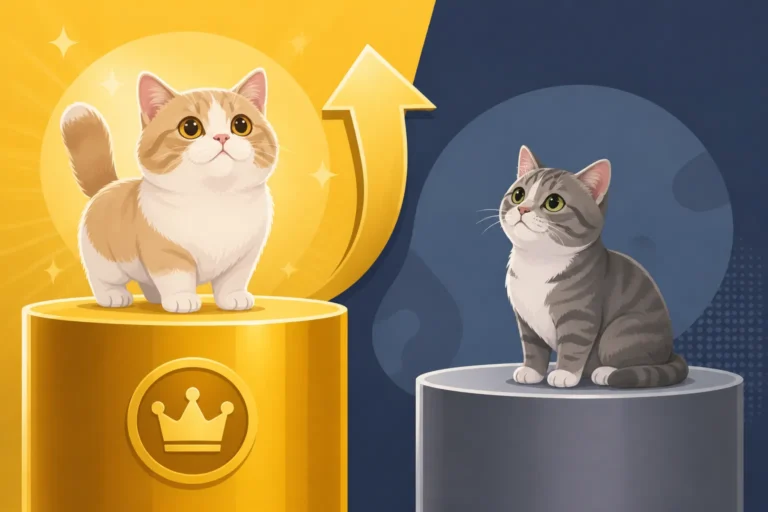
The biggest reason you'll find so many Munchkins without widespread registration is because the breed's acceptance is far from universal. The International Cat Association (TICA) is the primary organization that fully recognizes the Munchkin as a championship breed. This means that if you want a registered Munchkin, it almost exclusively needs to come with TICA papers.
Other prominent registries, such as the Cat Fanciers' Association (CFA) or the Governing Council of the Cat Fancy (GCCF) in the UK, have explicitly refused to recognize the Munchkin. Their stance is often rooted in welfare concerns surrounding the short-legged mutation, fearing potential health issues associated with its unique conformation. This creates a situation where a breeder might legitimately have a purebred Munchkin, but because they're not operating within TICA's framework (or perhaps are in a region where TICA isn't dominant), the option for official registration simply doesn't exist for them. It’s not always a red flag about the cat itself, but about the breeder’s affiliation and adherence to breed standards. You might find it interesting to delve deeper into TICA Judges the Munchkin and CFA Will Not Register It to understand the political landscape.
Outcrossing and the Wide Genetic Pool
Another factor contributing to the prevalence of unregistered Munchkins stems from the breed's relatively recent development and the necessity of outcrossing. To maintain genetic diversity and prevent inbreeding depression, Munchkins are routinely bred with domestic cats that have normal leg length. This practice is crucial for the breed's long-term health and is even mandated by TICA to ensure a broad gene pool. You can learn more about Why the Munchkin Gene Pool Stays Wide.
Here's where it gets complicated: a kitten from a Munchkin x domestic cat pairing will only be half Munchkin, genetically speaking, even if it inherits the short-leg trait. While TICA has a system for registering these "outcross" litters and their descendants, bringing them into the recognized Munchkin lineage over several generations, some breeders might not bother with this meticulous record-keeping, especially if their primary goal is simply to produce "cute short-legged kittens" for pet homes rather than show quality cats destined for championship rings. This results in many genetically Munchkin cats existing without the formal documented lineage that registration provides.
The "Pet Home" Focus and Perceived Value
Many breeders, even reputable ones, sell the majority of their kittens as "pet-only," meaning they are not intended for breeding or showing. In these cases, the breeder might choose not to fully register the individual kittens or transfer registration papers to the new owner, especially if they are neutered or spayed before leaving for their new homes. The logic often is that if the cat isn't going to be bred or shown, the new owner might not care about official papers, and it saves the breeder time and money on registration fees.
However, this can be a double-edged sword for the buyer. While a cat's inherent charm and personality don't depend on its paperwork, the lack of registration can sometimes obscure vital information about its lineage, health history, and the breeder's practices. For many owners, the appeal of a Munchkin lies in its unique appearance, and the official status of "breed" might seem secondary. But it's worth understanding what you are truly buying, especially since What You Are Buying When a Breed Is Not Recognized touches on these very issues.
Understanding Why Some Breeders Skip Registration
The decision to register a litter, or even an individual cat, isn't always straightforward for breeders. There are several reasons why a breeder might intentionally or unintentionally bypass the registration process, and understanding these can help you evaluate a potential purchase.
The Cost and Complexity of Official Registration
Maintaining a registered cattery and registering individual kittens with an organization like TICA involves more than just filling out a form. There are annual cattery registration fees, individual kitten registration fees, and sometimes fees for transferring ownership or obtaining pedigrees. Beyond the money, there's a significant administrative burden: keeping meticulous records of parentage, health screenings, litter details, and ensuring all cats meet the specific breed standards.
For smaller-scale breeders or those who view cat breeding more as a hobby than a dedicated business, these costs and complexities can be a deterrent. They might feel that the effort isn't justified if their kittens are destined solely for pet homes, especially if they believe the buyers aren't concerned with the official papers. While this might seem benign, it can sometimes be a slippery slope, leading to less rigorous adherence to ethical breeding practices.
Breeding Practices That Don't Meet Standards
Unfortunately, not all breeders operate with the same level of integrity or knowledge. Some breeders might knowingly produce Munchkin kittens that wouldn't qualify for TICA registration due to specific breeding choices. For instance, reputable Munchkin breeders absolutely understand and adhere to the critical rule: Why Two Short Legged Munchkins Are Never Bred Together. Breeding two short-legged Munchkins together results in homozygous kittens that are not viable and are reabsorbed in utero. A breeder ignoring this fundamental genetic rule would certainly not be registering their litters.
Other non-standard practices could include using outcrosses that aren't approved by TICA, not performing required health screenings on parent cats, or breeding cats with conformational faults that would disqualify them from registration or showing. When a breeder isn't registering their cats, they bypass the scrutiny and accountability that a reputable registry provides, making it easier to cut corners. This is where an unregistered Munchkin can potentially come from a less ethical background.
The Allure of the "Backyard Breeder" Market
The demand for Munchkin cats, driven by their unique appearance, has led to a thriving market, some of which falls into the "backyard breeder" category. These individuals often breed cats without extensive knowledge of genetics, breed standards, or proper animal husbandry. Their primary motivation is profit, and skipping registration is an easy way to reduce overhead and simplify the process. They might advertise kittens vaguely as "purebred Munchkin" without any verifiable documentation.
These breeders might not even understand the importance of things like early health checks or genetic screening for conditions that can affect Munchkins. For example, if a breeder is selling kittens without papers, they might also not be transparent about Which Diseases a Munchkin Breeder Must Declare in a registered breeding program. This often leads to cheaper kittens, which can be tempting, but as the old saying goes, Why a Cheap Munchkin Is a Warning often holds true in the world of purebred pets.
The Risks and Realities for Owners of Unregistered Munchkins
So, you're considering an unregistered Munchkin. What are the practical implications for you as an owner? It's not just about bragging rights; the lack of official papers can have real consequences for your cat's health, your peace of mind, and even your wallet down the line.
Unknown Pedigree and Health History
This is perhaps the biggest risk. When a Munchkin is unregistered, you often have very little verifiable information about its ancestry. You might be told the parents are "purebred," but without a registered pedigree, you have no way to confirm this. More importantly, you lose critical insight into the health history of the cat's lineage.
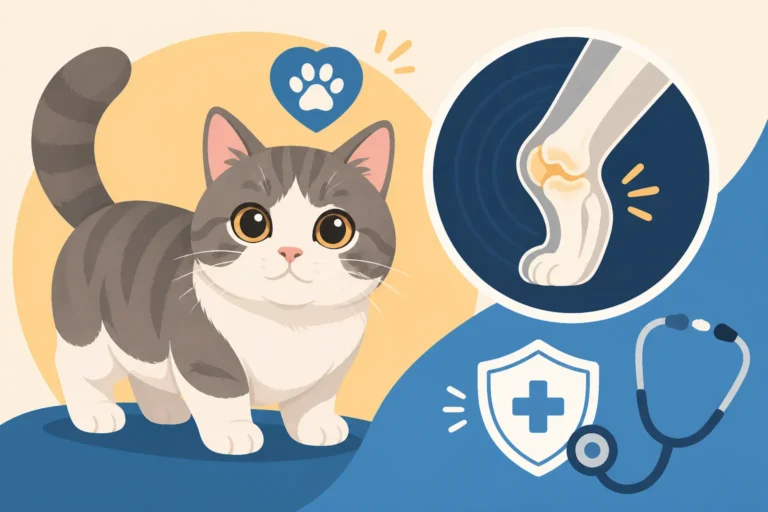
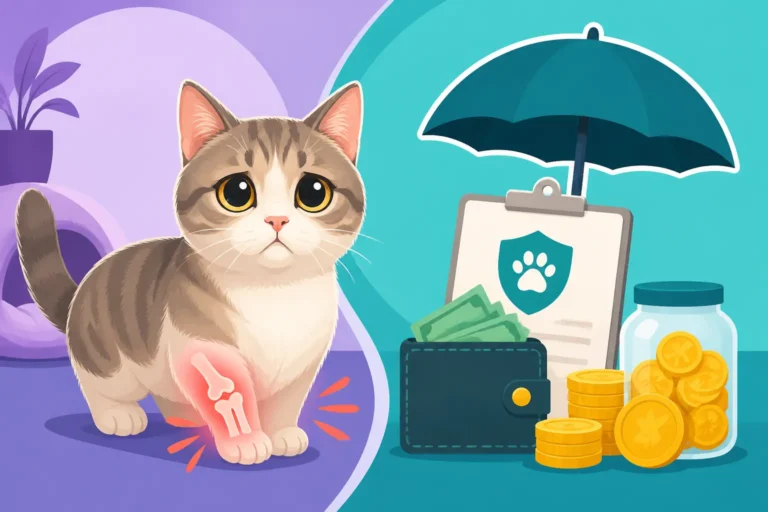
Munchkins, like all breeds, can be predisposed to certain health conditions. For example, spinal issues like lordosis (an inward curvature of the spine) or pectus excavatum (a sunken chest) are sometimes discussed in relation to the breed. While these conditions are not exclusive to Munchkins and their prevalence is debated, a responsible breeder of registered cats will typically track their lines for such issues and ideally provide health clearances for parent animals. An unregistered cat offers no such transparency. Without a known pedigree, you might not know if your cat's parents were screened for common feline health problems, leaving you potentially unprepared for future veterinary costs. Even with good pet insurance like Healthy Paws, pre-existing conditions (which could be tied to an unknown genetic history) might not be covered.
Lack of Guarantees and Breeder Support
Reputable breeders of registered cats typically provide health guarantees, often for a year or more, covering specific genetic conditions. They stand behind their breeding practices and are often a valuable resource for advice and support throughout your cat's life. This level of commitment is part of what you pay for when buying a registered purebred.
With an unregistered Munchkin, especially one from a backyard breeder, such guarantees are often nonexistent or vague. If your kitten develops a serious health issue shortly after coming home, you might have little recourse with the breeder. This leaves you solely responsible for potentially significant veterinary bills. It’s a sad reality that without official papers and a robust contract, you may not even have answers about whether a guarantee mentions the spine (Whether a Munchkin Guarantee Mentions the Spine) or other critical health aspects.
Resale Value and Ethical Concerns
While buying a pet purely for "resale value" is an unpopular concept for most loving owners, circumstances can change. If you ever find yourself needing to rehome your Munchkin due to unavoidable life changes, an unregistered cat can be much harder to place. Potential new owners will face the same uncertainties about health and lineage that you did, making them more hesitant.
Furthermore, purchasing an unregistered Munchkin can, inadvertently, support irresponsible breeding practices. By choosing to buy from breeders who don't register their cats and thus avoid accountability, you contribute to a market where animal welfare and breed integrity might not be prioritized. This can perpetuate a cycle of unhealthy or poorly socialized animals.
Limitations in Competition or Breeding
If you ever harbor ambitions of showing your Munchkin, even just in fun competitions, or, God forbid, entering the world of breeding yourself, an unregistered cat will severely limit your options. Only registered cats with verifiable pedigrees can participate in championship shows or be used in registered breeding programs. While most people buy pets purely for companionship, it's worth knowing the doors that remain closed without proper documentation.
Navigating the Purchase: How to Ensure Your Munchkin Is Registered
If you've decided that a registered Munchkin is important to you – whether for peace of mind about health, breeder accountability, or future options – here are the steps you can take to ensure you're getting what you expect.
Asking the Right Questions to a Breeder
The conversation with a breeder is your first line of defense. Don't be shy about asking direct questions. A reputable breeder will welcome them and be transparent.
- "Are your cats registered with TICA?": This is the most crucial starting point. If they say no, ask why. Be wary of excuses that don't hold water.
- "Can I see the registration papers for the parents?": Even if the kitten isn't registered yet, the parents should be. They should be able to provide copies of the dam's (mother's) and sire's (father's) TICA registration.
- "Will my kitten come with TICA registration papers, or will they be eligible for registration?": Clarify if the papers will be included in the price, or if you'll need to submit them yourself later, and what the process entails.
- "What are your health screening protocols for your breeding cats?": A registered breeder should be performing health screenings for relevant conditions and be able to provide documentation. This is where you want to know What a Munchkin Breeder Should Be Able to Show You.
- "What is your policy on outcrossing, and can I see the pedigree showing the outcrosses?": This demonstrates their adherence to TICA's breeding standards for genetic diversity.
- "Will my kitten be microchipped and vaccinated before coming home?": Standard practice for responsible breeders. Many will use a service like Chewy autoship to ensure kittens get all their regular health supplies delivered on time.
Verifying Registration with TICA
If a breeder claims their cats are TICA registered, you can verify this. TICA has systems in place for confirming cattery registrations and checking individual cat registrations. They won't give you private information about breeders or cats, but they can confirm if a cattery name or a specific cat's registration number is valid.
Don't just take a breeder's word for it or accept a blurry photo of a document. A legitimate breeder will provide you with the necessary information to verify their claims. It's an extra step in your due diligence, but it's essential for your peace of mind. For a deeper dive into this, check out How to Verify a Munchkin Is Registered at All.
Understanding Your Purchase Contract
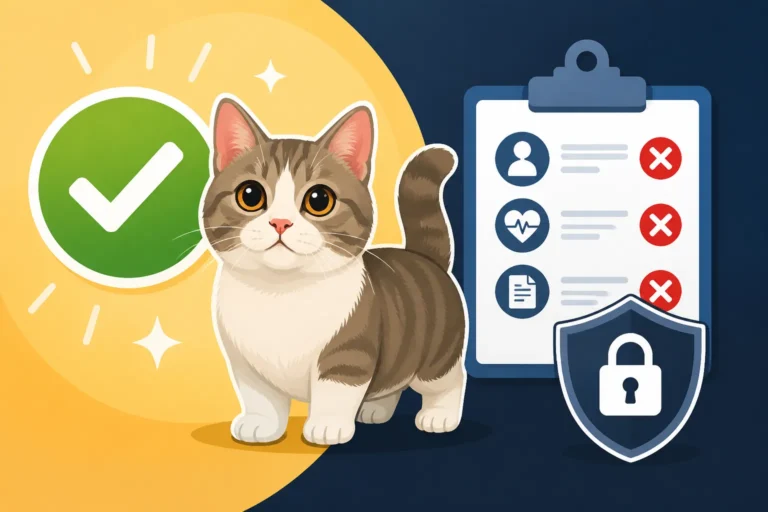
Even if you're buying a pet-only Munchkin, a comprehensive purchase contract is vital. This contract should clearly outline:
- Registration status: Whether the kitten is registered, registerable, or being sold as unregistered.
- Health guarantee: Details on what health conditions are covered, for how long, and what actions you or the breeder will take if an issue arises.
- Spay/neuter clause: Many pet-only contracts require you to spay or neuter your kitten by a certain age and may withhold papers until proof is provided.
- Return policy: What happens if you cannot keep the cat, or if it develops an unmanageable condition.
A good contract provides a legal framework for your purchase and demonstrates the breeder's commitment to their animals and buyers. Don't rush through it; read every line and ask questions about anything you don't understand.
Conclusion
The reality of the Munchkin cat breed is that unregistered individuals are indeed common, largely due to the breed's contested status within the cat fancy and the widespread practice of outcrossing. While an unregistered Munchkin can be a wonderful, loving companion, it's crucial for prospective owners to understand the potential implications. These can range from a lack of verifiable health history and breeder support to limitations on future activities like showing or breeding.
By asking the right questions, thoroughly vetting breeders, and understanding the documentation you're receiving (or not receiving), you can make an informed decision that best suits your needs and, most importantly, ensures the well-being of your new feline family member. Knowledge is power, especially when bringing a unique breed like the Munchkin into your home.
Disclaimer
This article is for general informational purposes only and does not constitute professional advice. Laws, prices and regulations vary by location and change over time. Consult a qualified professional for guidance on your specific situation.