Why a Munchkin Crossed With Another Mutation Costs More
It’s a natural reaction to see a truly unique cat breed and wonder what goes into creating such a distinctive look, and why some of these special felines come with a hefty price tag. You might have seen listings for Munchkin cats that seem to be on an entirely different level, especially those advertised as crosses with other distinctive breeds. It can be incredibly confusing trying to understand why a Munchkin kitten, already quite an investment, would be even more expensive if it’s crossed with another breed that also carries a genetic mutation. This guide is here to unravel that mystery, explaining the real reasons behind the higher cost of Munchkin cats with stacked mutations, from the genetics to the market demand and the often-overlooked health considerations.
Understanding Genetic Mutations and Their Impact
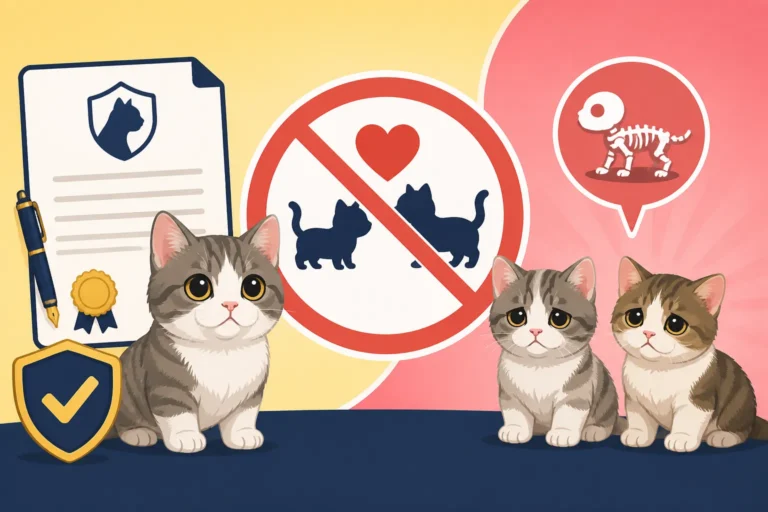
The core of a Munchkin cat's existence is its defining genetic mutation: the short legs. This is an autosomal dominant gene, meaning only one copy is needed for the cat to express the short-legged trait, and it's also lethal in two copies, which is why Munchkin Dwarfism Is Dominant and Lethal in Two Copies and Why Two Short Legged Munchkins Are Never Bred Together. When we talk about crossing a Munchkin with another breed that also carries a distinct genetic mutation, we're essentially talking about stacking these mutations, which introduces a whole new layer of complexity, cost, and often, controversy.
The Munchkin Gene: A Foundation
The Munchkin's short legs are a form of pseudoachondroplasia, a genetic condition affecting bone growth. While often depicted as healthy and agile, the reality is that their unique stature does place different stresses on their bodies. Their spine, for instance, carries a load a normal cat's does not, and their joints, especially in the front legs, experience different impacts from everyday movements like jumping and landing. Responsible breeders meticulously manage their breeding programs to ensure the health of their lines, always outcrossing Munchkins to normal-legged domestic cats to maintain genetic diversity and health. This foundational understanding is crucial before we even consider adding another mutation to the mix.
Adding a Second Mutation: What It Means
When a Munchkin is crossed with another breed that possesses its own distinct genetic mutation – think of breeds like the Scottish Fold with its ear cartilage defect, or the Sphynx with its hairless gene – you are creating a cat that inherits two separate, defining genetic traits. This isn't just about appearance; it's about the potential for combined physiological impacts. For example, a Scottish Fold Munchkin, sometimes erroneously called a "Scottish Kilts" or similar, would carry both the short-leg gene and the osteochondrodysplasia gene responsible for the folded ears, which also affects cartilage throughout the body, including joints. Why Munchkin Hybrids Stack Two Mutations explains this stacking in detail. This genetic layering is complex, and the potential health implications are often magnified when two such mutations are present in one animal.
The Inheritance Challenge and Predictability
Breeding these "stacked mutation" cats requires an even deeper understanding of genetics, as breeders are trying to predict the outcome of two different dominant genes. The likelihood of a kitten inheriting both desired traits (e.g., short legs and folded ears, or short legs and hairlessness) can be lower, meaning fewer "ideally" conformed kittens per litter. This unpredictability in achieving the desired aesthetic outcome, combined with the ethical considerations of breeding such animals, can drive up the perceived value and thus the price of those kittens that do exhibit both traits. It’s a delicate dance of genetics, and responsible breeders are few and far between when it comes to combining genetic mutations, making genuinely healthy examples rare.
The "Designer" Appeal and Market Dynamics
In the world of purebred cats, unique traits often translate to higher prices. When you combine two distinct, eye-catching traits into one animal, you create a "designer" cat that appeals to a niche market looking for something truly extraordinary. This perceived exclusivity is a significant driver of the increased cost.
Exclusivity and Novelty Drive Demand
Humans are often drawn to what is rare, unusual, or perceived as "new" and "improved." A cat that combines the short stature of a Munchkin with, say, the curled ears of an American Curl or the unique coat of a LaPerm, creates a novel appearance that commands attention. These combinations are seen as more "exclusive" than a standard Munchkin, fostering a sense of rarity that drives demand among certain buyers. This isn't just about beauty; it's about owning something truly distinct, a conversation starter, a living piece of art for some. This exclusivity, whether warranted or not, is directly reflected in the higher asking price.
Marketing and Naming Conventions
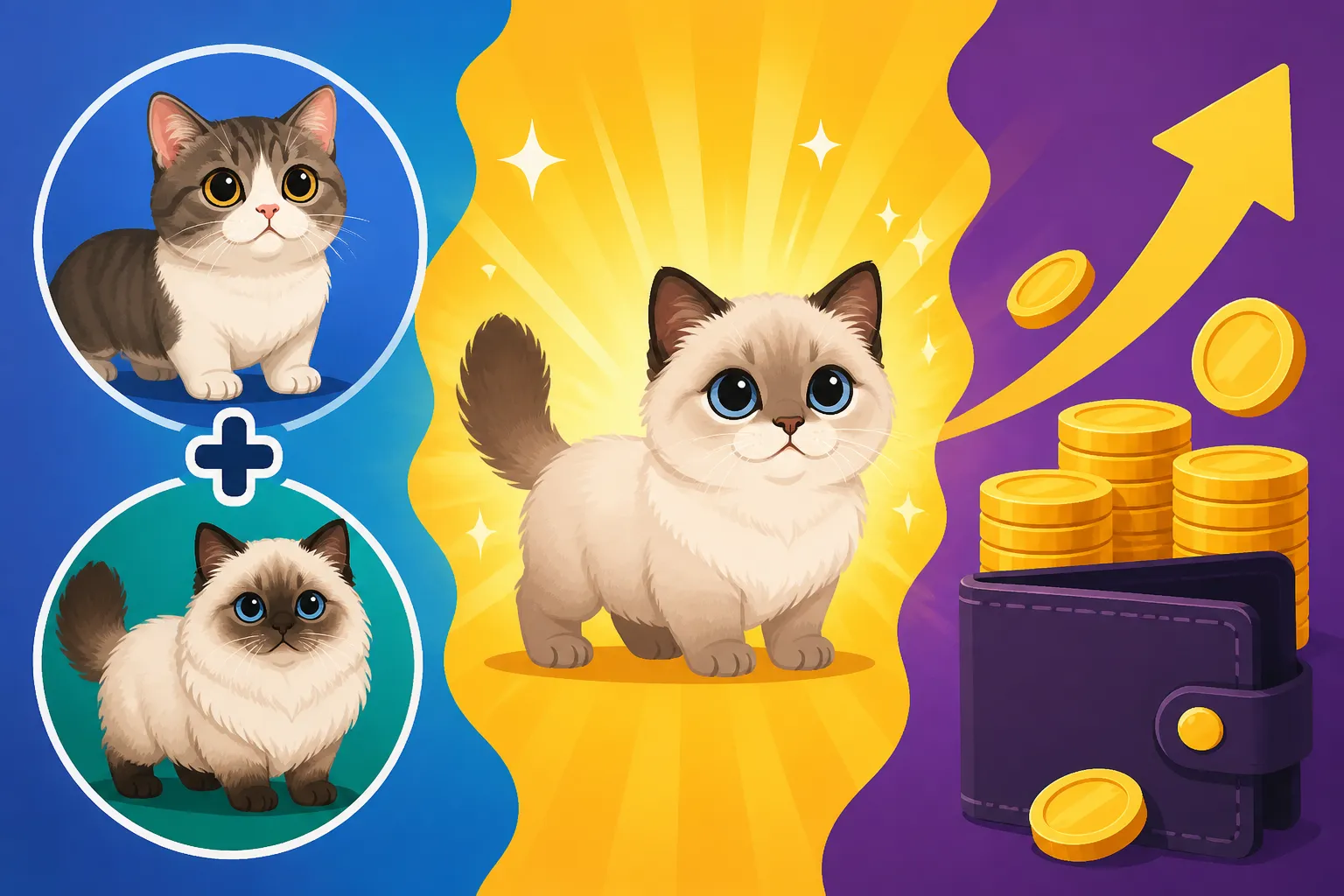
The creation of new "hybrid" names for these stacked-mutation cats also plays a role in their perceived value and cost. Terms like "Minuet" (Munchkin x Persian/Himalayan), "Bambino" (Munchkin x Sphynx), "Kinkalow" (Munchkin x American Curl), or "Lambkin" (Munchkin x LaPerm) give these cats their own distinct brand identity. These names not only differentiate them from their parent breeds but also create an aura of a completely new, desirable breed, even if they aren't fully recognized by all cat registries. This deliberate marketing creates a premium segment within the Munchkin lineage, making these crosses seem more valuable than a "plain" Munchkin. The breeders involved often invest heavily in promoting these specific combinations, which contributes to the overall cost.
Perceived Rarity and Premium Pricing
The perceived rarity of a perfectly formed stacked-mutation kitten, combined with the extensive effort (and sometimes controversy) involved in their breeding, directly contributes to their premium pricing. Breeders who successfully produce healthy kittens exhibiting both desired traits can justify higher prices based on the limited supply and specialized nature of their breeding program. It's not just about the cost of raising a kitten; it's about the perceived intellectual property of creating a unique feline, the time invested in health screening the parent cats, and navigating the often-complex ethical landscape of these combinations. The perception that you are buying something truly one-of-a-kind often translates into a significantly higher initial investment compared to a standard Munchkin. Why Munchkin Prices Sit Between One and Three Thousand for standard Munchkins highlights how even the base breed commands a significant sum, and stacking mutations elevates this further.
Increased Health Risks and Associated Costs
While the unique appearance of stacked-mutation Munchkins can be captivating, it's crucial to understand the magnified health risks these genetic combinations often entail. These increased risks are a significant, albeit often unspoken, factor contributing to their higher price, as responsible breeders (and sometimes, unsuspecting owners) face greater challenges and expenses. What Two Skeletal Mutations Do to One Munchkin dives into this topic in more detail.
Compounding Skeletal Issues
The most prominent concern with many Munchkin crosses involves compounding skeletal issues. The Munchkin's short legs already present a unique orthopedic situation. When you combine this with another skeletal or cartilage-affecting mutation, such as the Scottish Fold's osteochondrodysplasia, the potential for severe joint pain, arthritis, and mobility problems increases exponentially. A cat with both conditions might suffer from accelerated joint degeneration, pain, and stiffness much earlier in life. Imagine a cat not only with short legs but also compromised cartilage in its spine, elbows, and hips. This often means more frequent veterinary visits, potentially costly diagnostics like X-rays (especially concerning the spine, which is already a focus for Munchkins, as discussed in When a Munchkin Should Have Its Spine Imaged), and long-term medication or joint supplements.
Potential for Other Breed-Specific Ailments
Beyond skeletal concerns, many outcross breeds bring their own set of breed-specific health issues to the table. For example, crossing a Munchkin with a Persian to create a Minuet (formerly Napoleon) introduces the potential for Polycystic Kidney Disease (PKD), a serious genetic condition common in Persians. A Sphynx cross (Bambino) might inherit predispositions to hypertrophic cardiomyopathy (HCM) or skin issues characteristic of the Sphynx breed, in addition to the Munchkin's unique challenges. The breeder, if responsible, should screen for these conditions in the parent cats, which adds to their costs. The buyer, in turn, faces a higher likelihood of needing specialized care for a cat potentially prone to multiple health problems from both sides of its lineage. This heightened risk profile necessitates a greater financial buffer for potential veterinary interventions throughout the cat's life.
Higher Veterinary Bills and Insurance Considerations
The reality of stacked mutations is that they can lead to chronic health conditions requiring lifelong management. This translates directly into higher veterinary bills. Owners might find themselves needing regular consultations, specialized diets, pain management, physical therapy, or even surgical interventions. Such extensive care naturally increases the overall lifetime cost of owning such a cat. When considering pet insurance, like plans offered by Healthy Paws, it's crucial to understand that pre-existing conditions (or those inherent to the breed's genetic makeup, even if not technically “pre-existing” at purchase) might be excluded. While Whether Pet Insurance Covers a Munchkin's Spine is a specific concern for Munchkins, the complexity doubles with stacked mutations, making comprehensive coverage even more vital and potentially more expensive. Many insurers might classify these complex hybrid breeds as higher risk, leading to elevated premiums. Suppliers like Chewy also offer a wide range of joint care products and specialized foods that these cats might require, adding to ongoing expenses.
Ethical Considerations and Breeder Practices
The conversation around stacked-mutation Munchkins is often fraught with ethical debates. Many veterinary organizations and welfare bodies express strong concerns about breeding animals with genetic conditions that can compound and potentially lead to compromised welfare. These ethical dilemmas also contribute to the pricing structure in various ways.
Welfare Concerns Among Professionals
Many veterinarians and animal welfare organizations strongly object to the deliberate breeding of cats that combine two genetic mutations, especially when both affect skeletal structure or overall health. The primary concern is the potential for increased suffering due to compounded health problems. For instance, Which Munchkin Crosses Vets Object To Most often highlights combinations like the Scottish Fold Munchkin due to the severe orthopedic issues it can create. This professional stance creates a moral imperative for breeders to be exceptionally transparent and responsible, which, for a select few, means investing more in health screening and ensuring robust health guarantees for their kittens. This heightened responsibility, if genuinely upheld, contributes to the higher cost. However, it also means that many breeders who do produce these cats might operate in a more controversial space, sometimes cutting corners on health in pursuit of a unique look.
The Breeder's Responsibility and Reputation
A truly responsible breeder of any cat, let alone one with stacked mutations, carries an immense responsibility. This includes extensive health screening of both parent cats for all relevant genetic conditions (e.g., hip dysplasia, PKD, HCM, in addition to the Munchkin's spinal considerations). They invest in proper veterinary care for the queen and kittens, provide excellent nutrition, and ensure early socialization. They also often incur significant costs for genetic testing to identify carriers or affected individuals within their breeding lines. Because of the controversy surrounding stacked mutations, these breeders often feel compelled to go above and beyond to prove the health and welfare of their animals, passing these costs onto the buyer. A reputable breeder will also offer comprehensive health guarantees, which are essentially an insurance policy for the buyer, built into the purchase price.
Buyer Beware: Due Diligence
For prospective owners, the higher price of a stacked-mutation Munchkin doesn't automatically equate to better health or ethical breeding. It's a "buyer beware" situation where due diligence is paramount. You need to ask incisive questions about the health history of both parent lines, request proof of genetic testing for both mutations, and critically evaluate the breeder's facilities and practices. Look for transparency, a willingness to answer all your questions, and a clear understanding of potential health issues associated with the specific cross. A breeder who dismisses concerns about stacked mutations, or who cannot provide extensive health documentation, is a red flag, no matter how appealing the kitten's unique appearance or how high the price tag. Always remember that What a Munchkin Breeder Should Be Able to Show You applies equally, if not more, to these specialized crosses.
Here's a quick comparison of considerations for single vs. stacked mutation Munchkins:
| Feature | Standard Munchkin (Single Mutation) | Stacked Mutation Munchkin (e.g., Minuet, Bambino) |
|---|---|---|
| Genetic Basis | Short leg gene (pseudoachondroplasia) | Short leg gene + a second breed-specific mutation (e.g., folded ears, hairless) |
| Primary Health Concerns | Lordosis, Pectus Excavatum, joint stress, weight management | Compounded skeletal issues, additional breed-specific diseases (PKD, HCM) |
| Breeding Complexity | Requires outcrossing to normal-legged cats, health screening | More complex genetic prediction, screening for multiple mutations |
| Market Demand | High, established niche for short-legged cats | Niche within a niche, driven by "designer" appeal and novelty |
| Typical Price Range | Generally mid-to-high, depending on leg length and pedigree | Often significantly higher due to perceived rarity and breeding effort |
| Ethical Perception | Debated, but accepted by some registries (TICA) | More widely criticized by welfare bodies and many vets |
| Long-Term Vet Costs | Moderate to high, focusing on joint/spine care, weight | Potentially very high due to multiple, often severe, health predispositions |
| Insurance Premiums | May be higher than domestic cats, potential exclusions | Likely even higher, more potential for exclusions or higher deductibles |
In essence, the higher cost of a Munchkin crossed with another mutation reflects a complex interplay of genetic rarity, specialized breeding efforts (both ethical and perhaps less so), targeted marketing, and the very real, often increased, potential for significant health issues over the cat's lifetime. It's a purchase that demands extra thought, research, and a clear understanding of what you're truly bringing into your home.
Disclaimer
This article is for general informational purposes only and does not constitute professional advice. Laws, prices and regulations vary by location and change over time. Consult a qualified professional for guidance on your specific situation.